



Wembanyama, welcome to the dark side


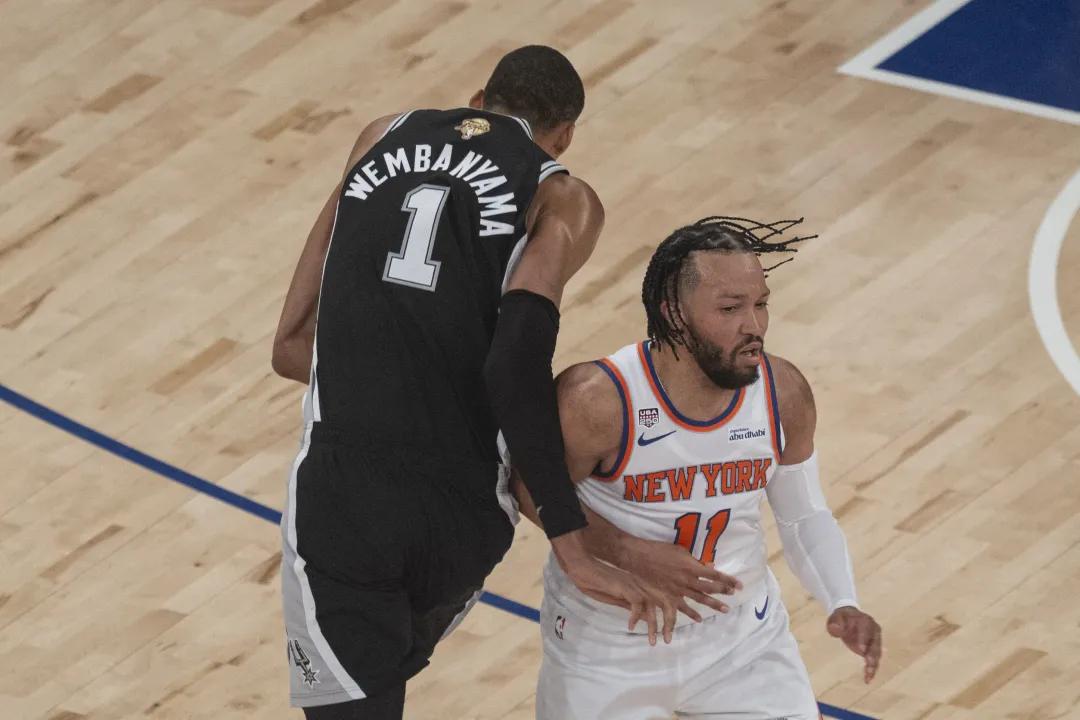
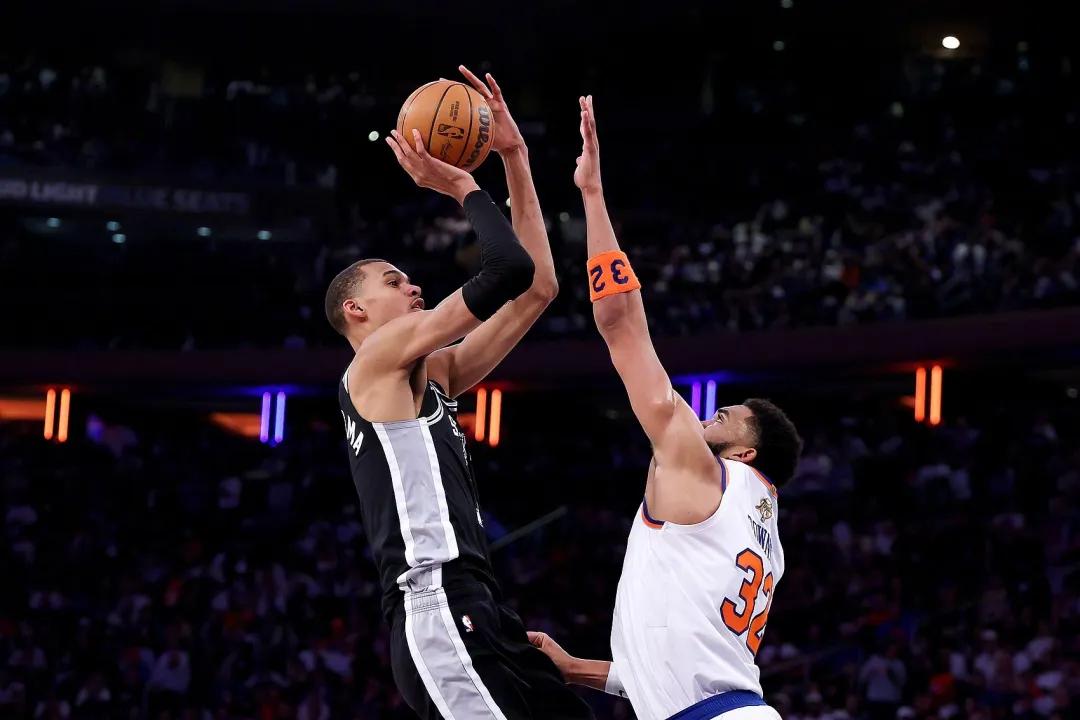
After Game 3 of the Finals, the most replayed moment was Wembanyama pushing Jalen Brunson down by pressing down on the back of his head. The referees on duty did not call a foul, which led to considerable debate after the game.
Today, the league admitted it was a missed call and reviewed the play to see if it could be considered a flagrant foul subject to escalation. The result was that the league did not deem it a flagrant foul, so no further action was taken.
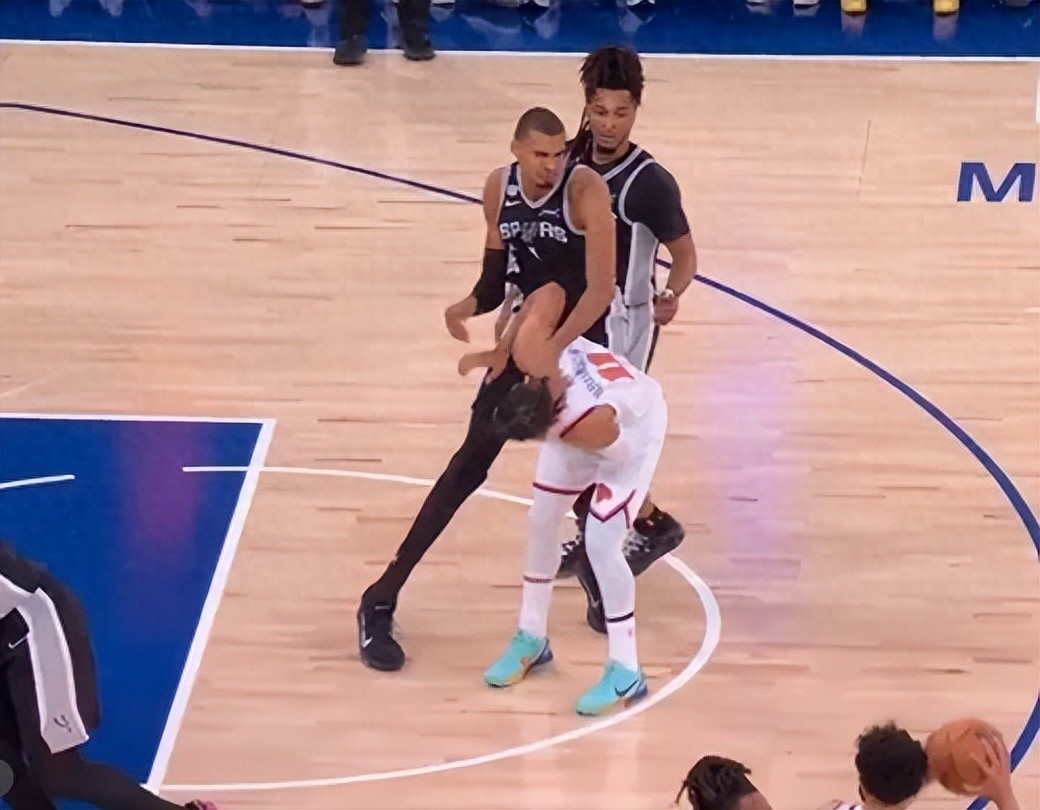
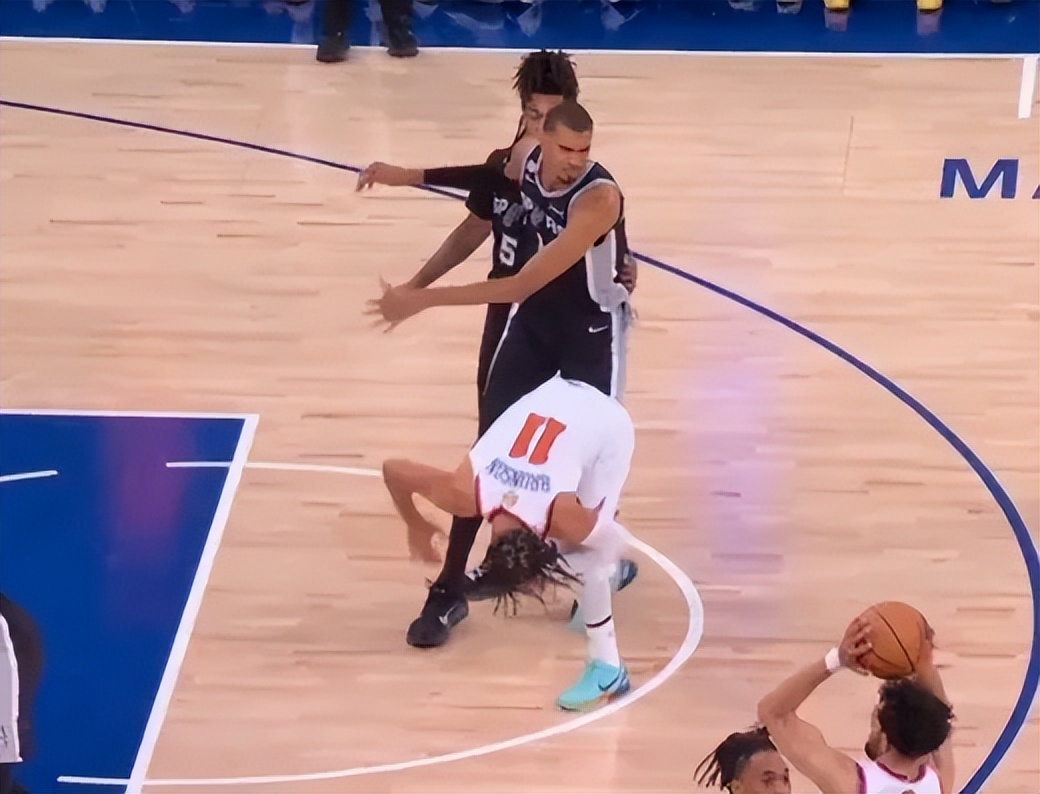
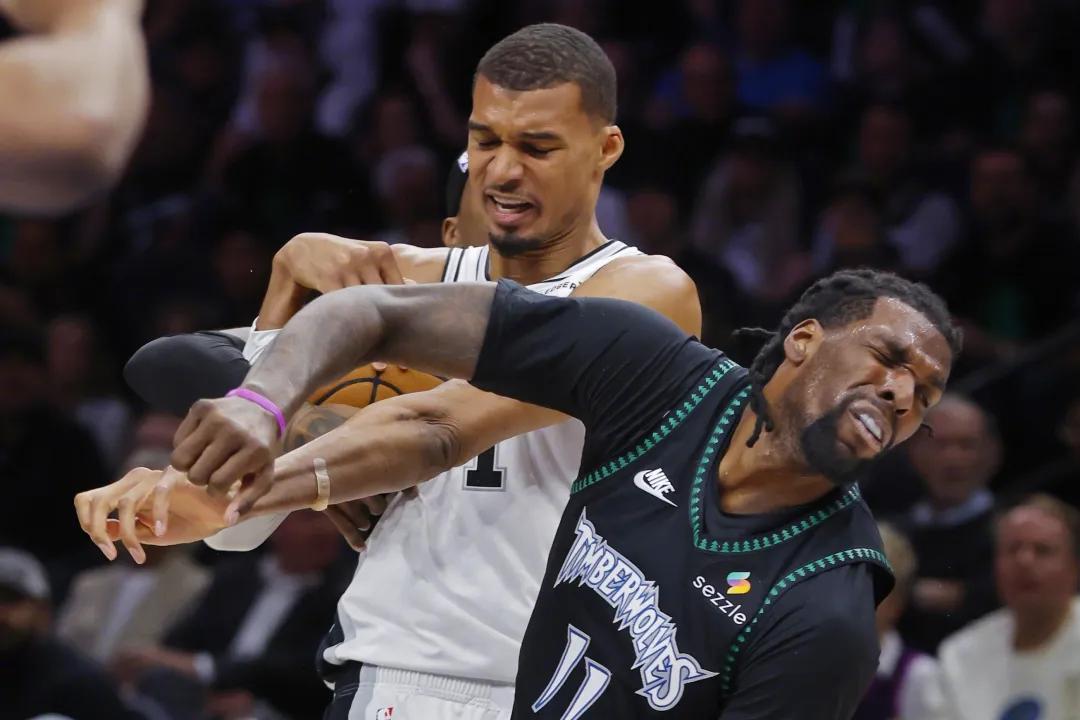
Wembanyama essentially "dodged a bullet" because league rules state that once a player accumulates four flagrant foul points in the playoffs, they are automatically suspended for one game. Wembanyama currently has two points, which came from his elbow to Naz Reid that was ruled a flagrant 2 foul, giving him two flagrant foul points.
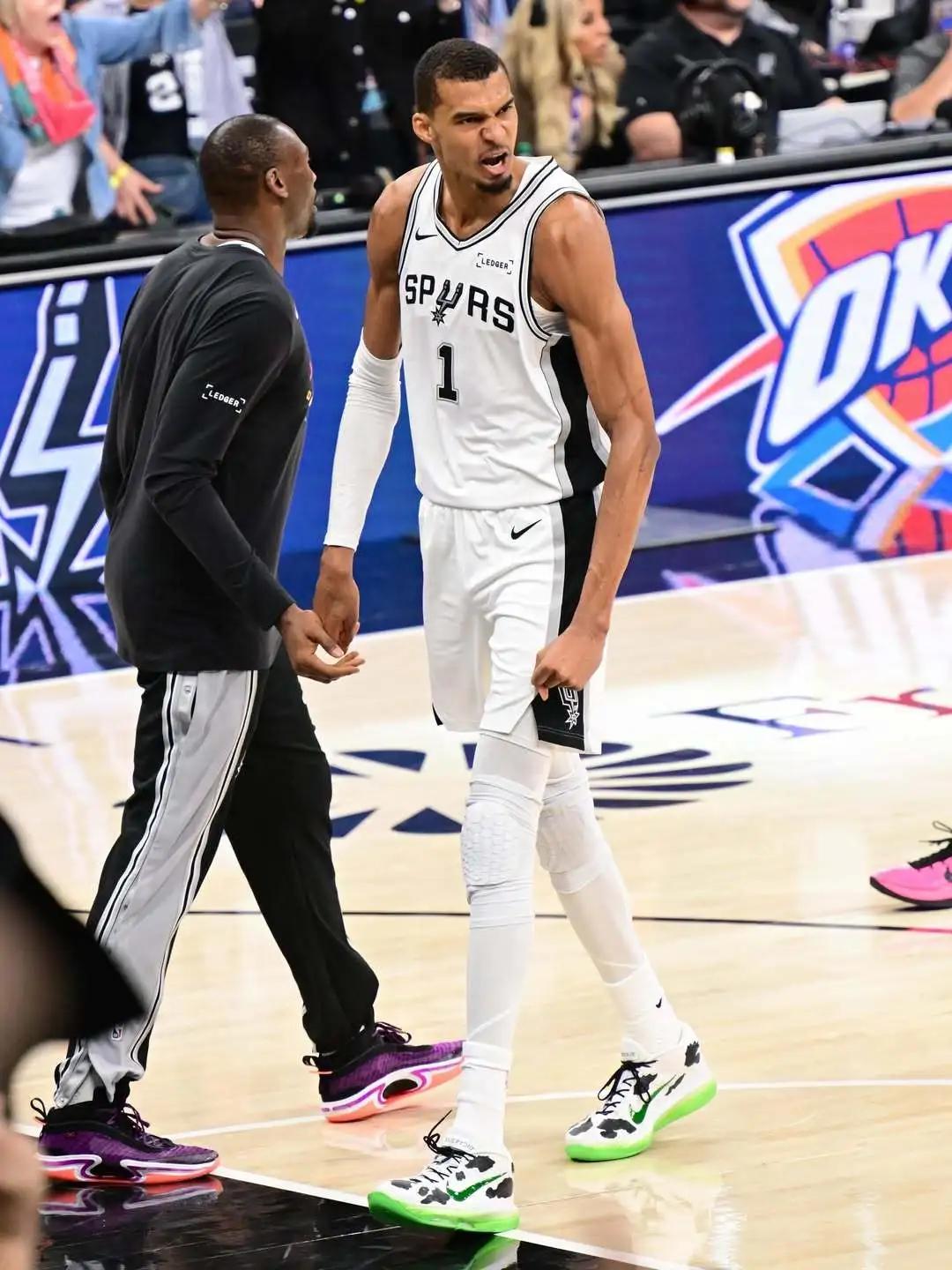
Throughout this postseason, the deeper teams went, the more people learned about Wembanyama. Before the playoffs began, he was seen as the new face of the league—polite, well-mannered, and flawless both on and off the court. But once the playoffs started, fans also saw his aggressive side.
He responded to opponents' physical play with his own tough moves and faced the consequences of his impulsiveness. From the moment his elbow swung toward Reid's neck, fans realized that this big man was far from as gentle as he appeared.
Before Game 3 of the Finals, he was seen painting alone in a New York park, and earlier he was playing chess in the rain with a group of people in a Brooklyn park—this shows his down-to-earth side. On the court, Wembanyama's physical confrontations reveal his more authentic side.
No one in this world is perfect. When you stand on that stage and are scrutinized under every microscope, your dark side is magnified endlessly. In the growth journey of NBA stars, everyone experiences a transition from being a good guy to a villain.
Michael Jordan, the basketball god, faced countless criticisms early in his career—disrespecting teammates and playing selfishly. When fans today talk about the "Jordan Rules," they focus on the Pistons' rough fouls on Jordan, but the "Jordan Rules" were mutual: Jordan also retaliated with elbows and shoves, competing to see who was tougher.
By the end of his career, Jordan became an extreme gambler and treated his teammates even more harshly and selfishly. When "The Last Dance" documentary came out a few years ago, it cut out various scenes of Jordan bullying teammates and downplayed the contributions of others, drawing dissatisfaction from former teammates like Scottie Pippen and Horace Grant.
Before Jordan, Kareem Abdul-Jabbar once broke a teammate's jaw with a punch, and even earlier, Bill Russell was always a tough character. In every era, the face of the league has never been a flawless idol. In today's age of information explosion, it's even more impossible to have a perfect player. Even Stephen Curry lost his composure during the 2016 Finals, throwing his mouthpiece and hitting the son of a minority owner of the Cavaliers.
For Wembanyama, moving toward the dark side is a necessary part of growth. Off the court, he is a gentleman, but on the court, without an aggressive nature, it's impossible to survive in the cutthroat NBA paint. Of course, everything must be within limits: his elbow to Reid crossed the line, and the play on Brunson was also an unnecessary action that simply went uncalled.
Showing toughness is essential, but controlling your limits is also essential. Draymond Green's suspension in the Finals a decade ago led to the Warriors blowing a 3-1 lead—allowing a momentary lapse to affect the Finals outcome is something Wembanyama must avoid.
In competitive sports, an extreme desire to win inevitably brings out methods that go beyond the norm. This league has never been simply black and white; the gray areas formed by the interplay of black and white are the truest backdrop for achieving greatness.


Wonderfulshortvideo
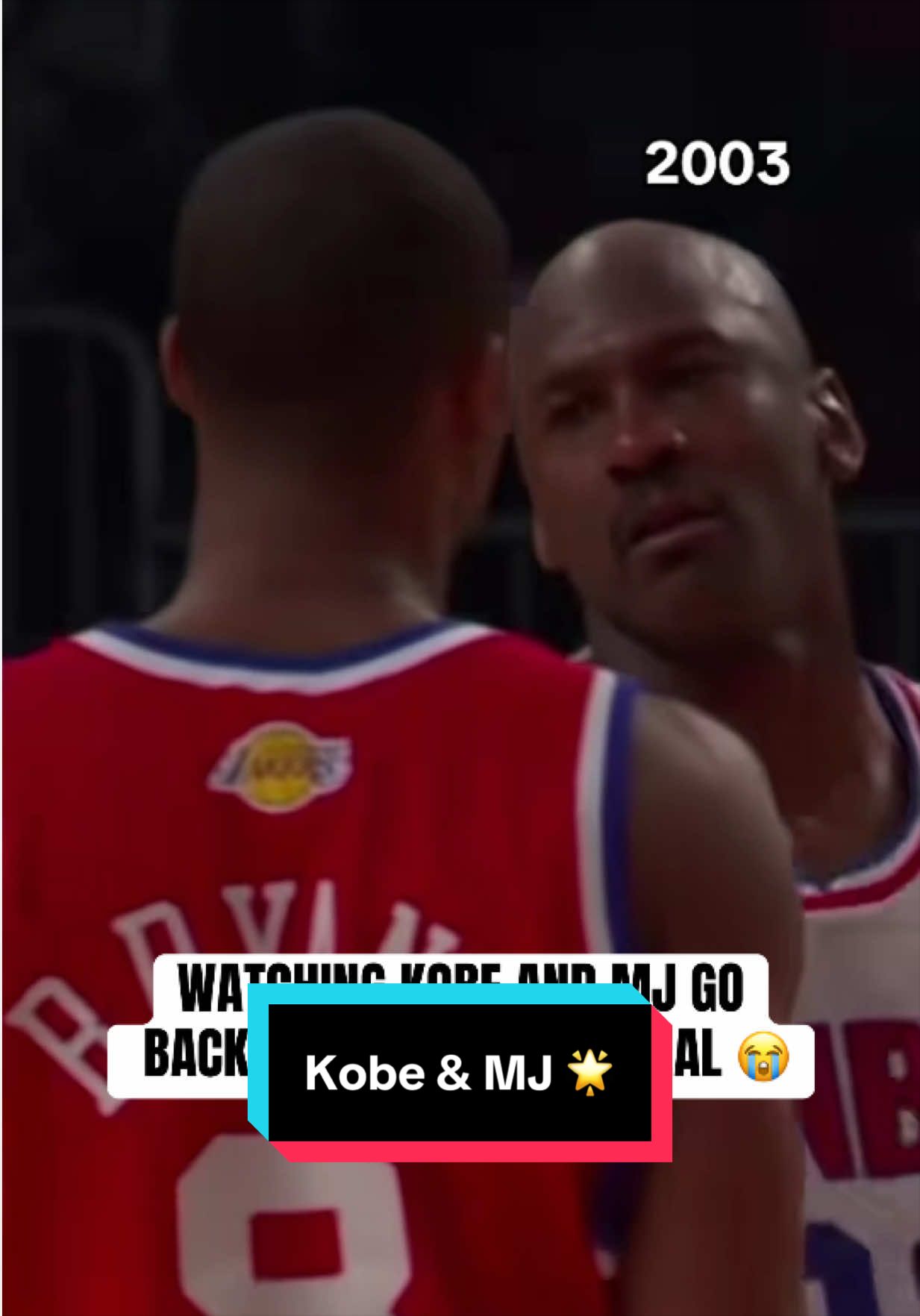
Icons together at the 2003


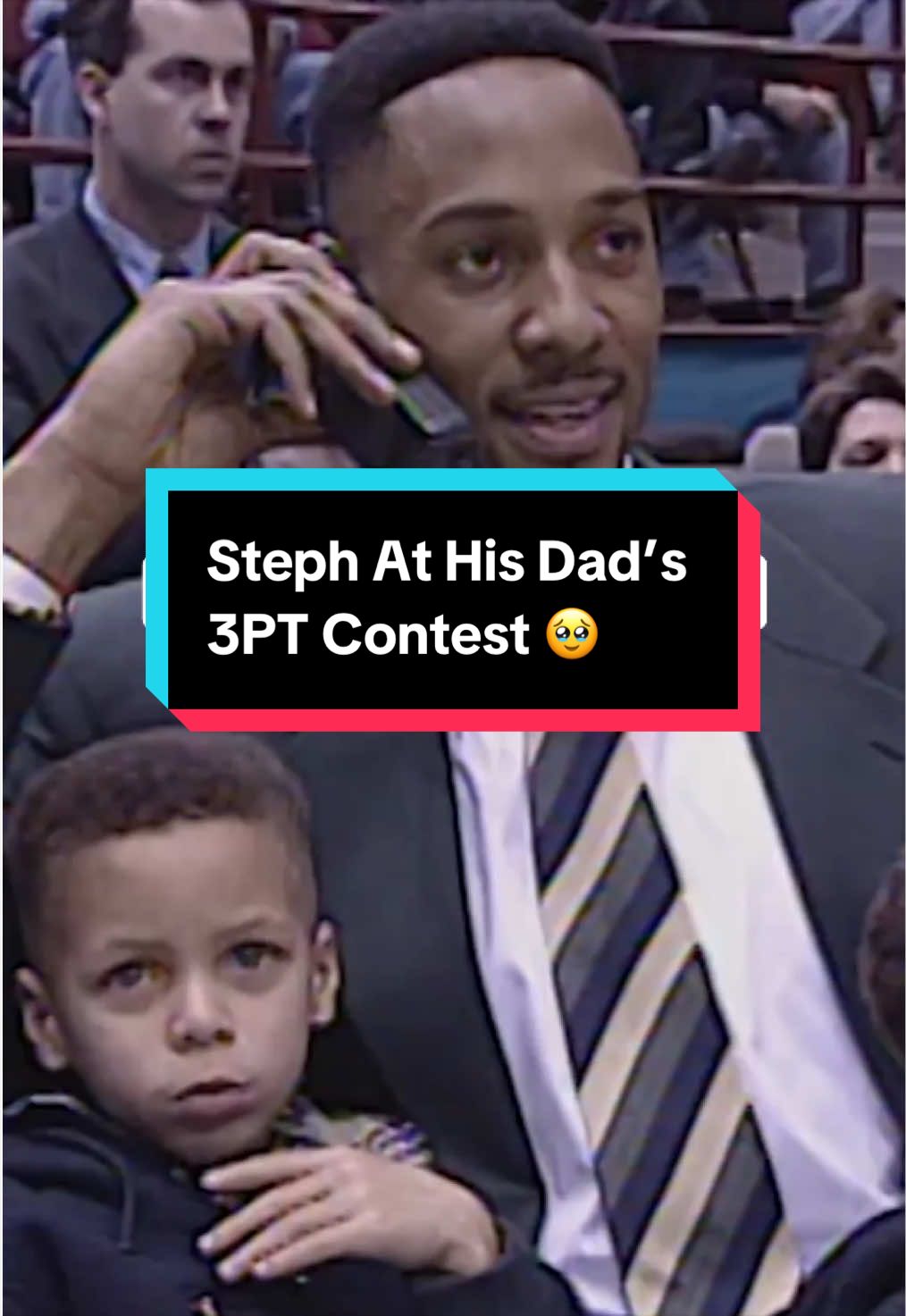
Where it all started 🤩 No wonder he loves the three ball 🏀🔥
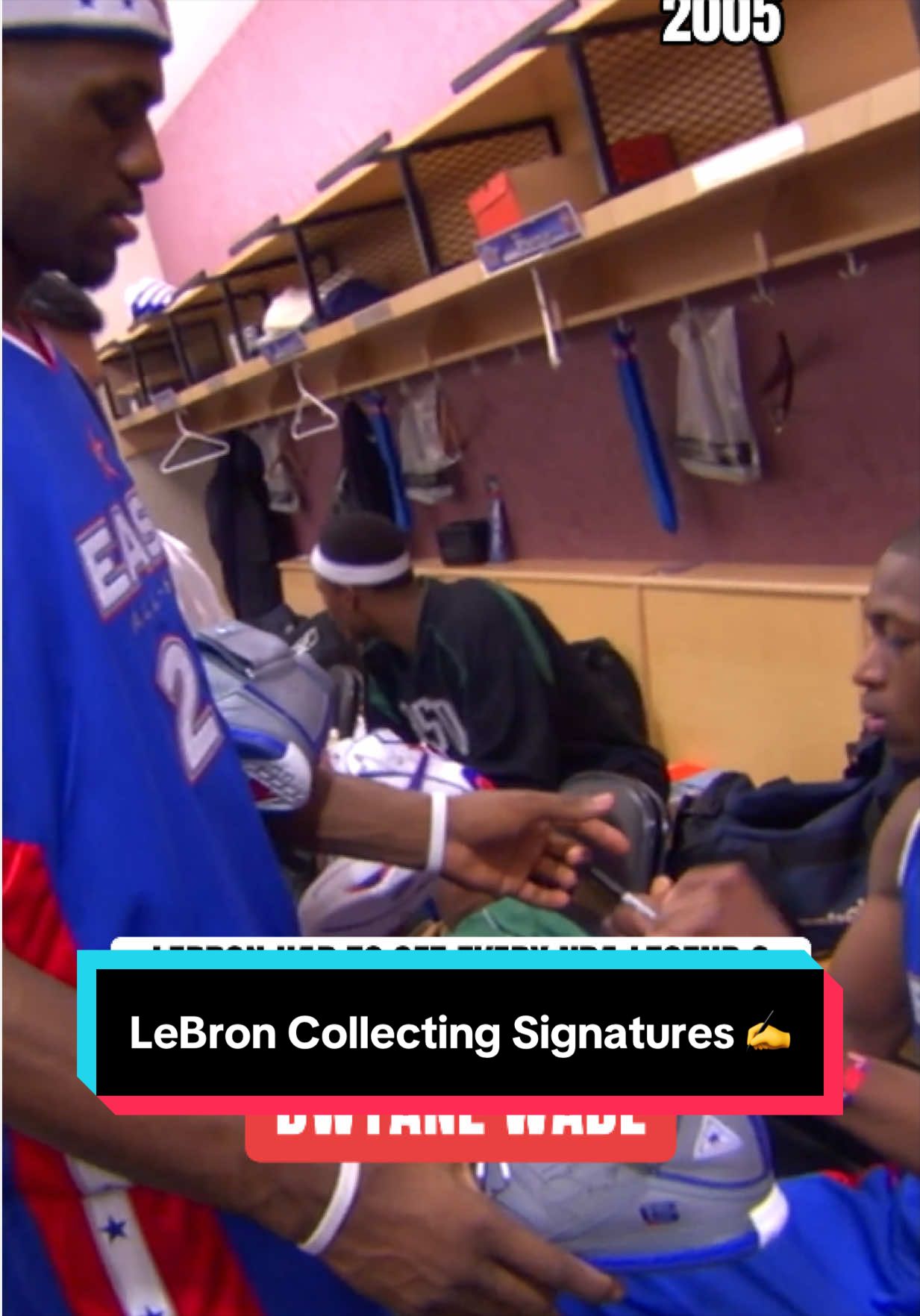
LeBron was collecting signatures in his first
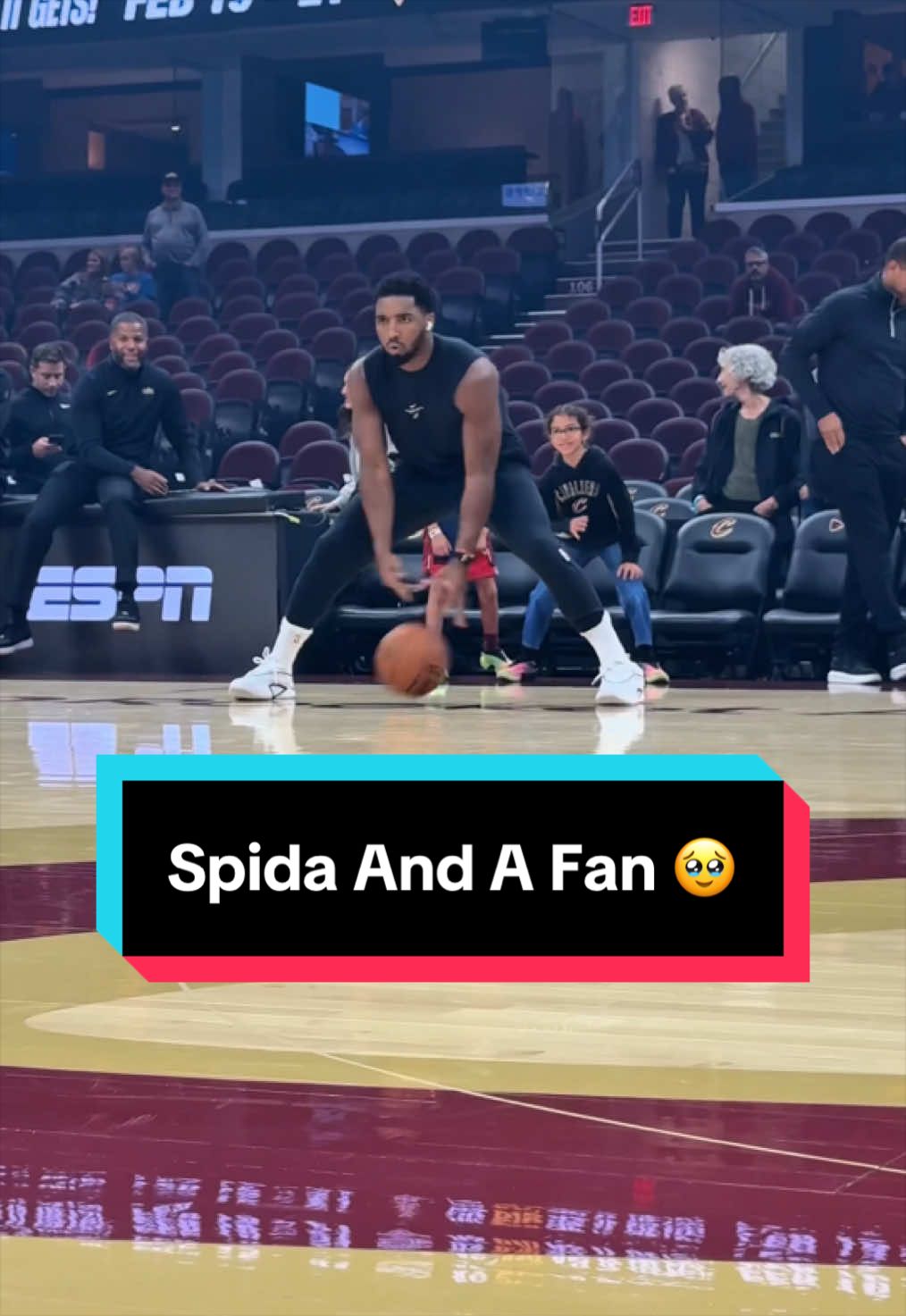
She’s got it down 🙌
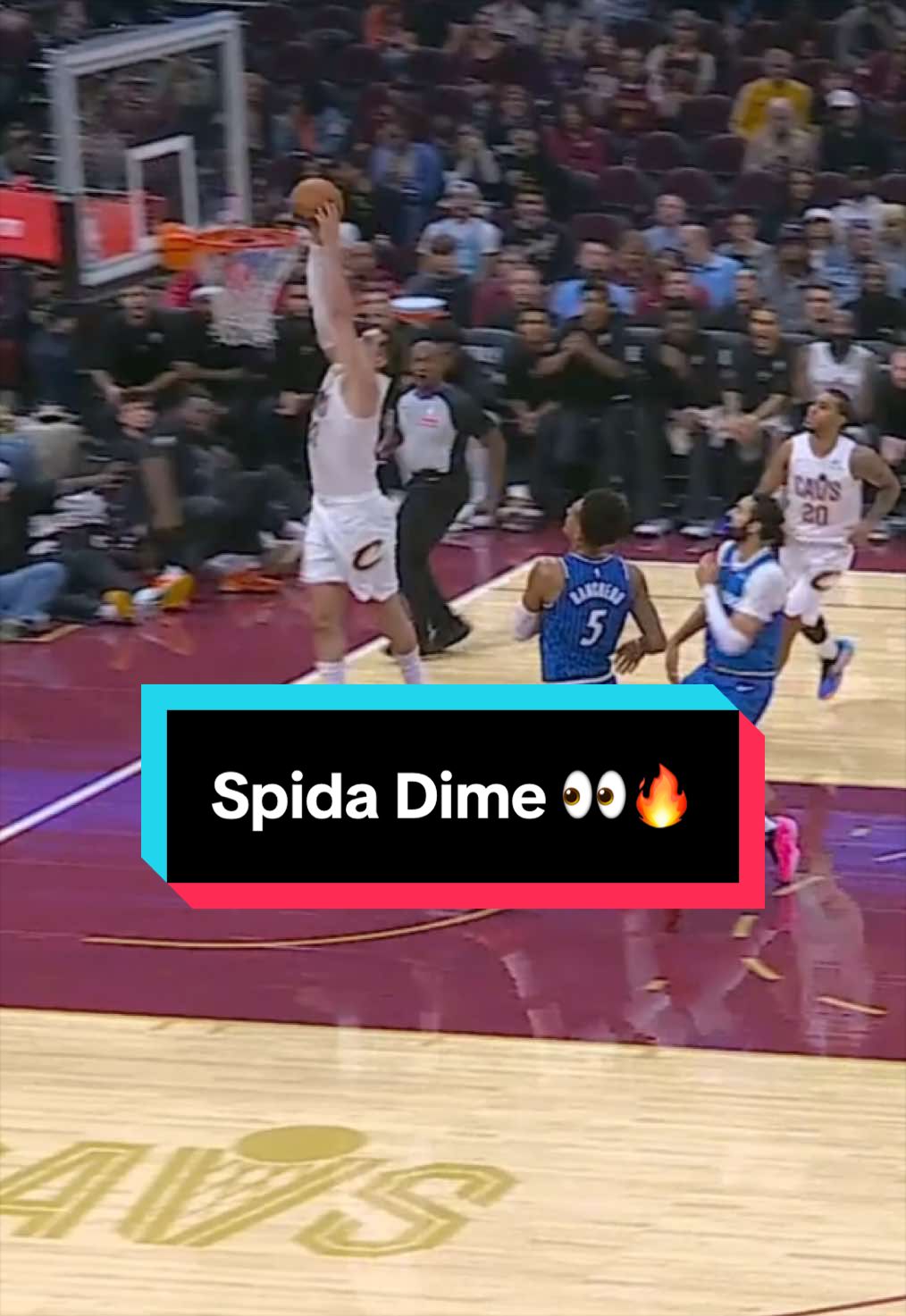
Spida saw the opportunity and took it 🔥
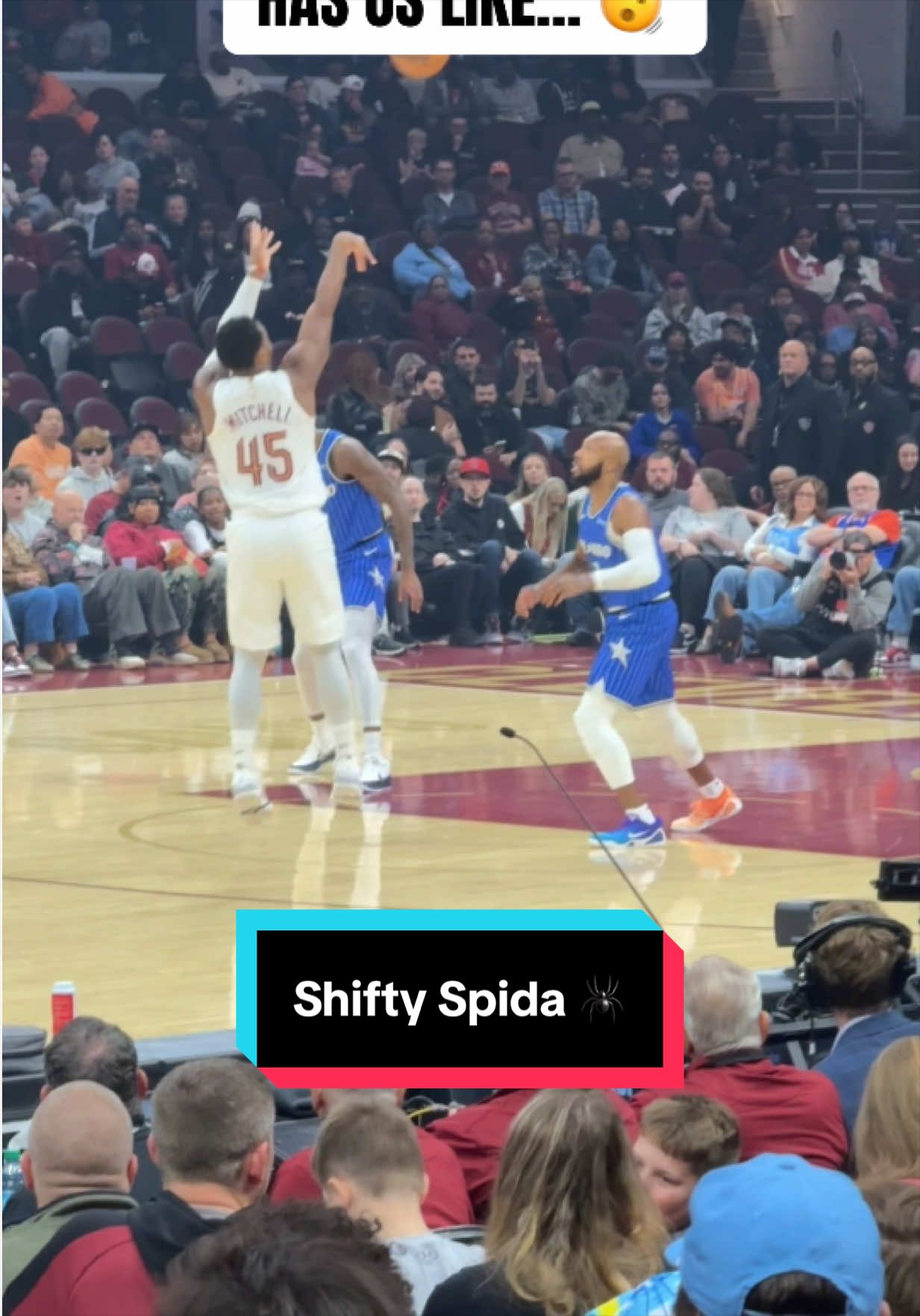
Donovan Mitchell with a little misdirection before draining the middy 🔥
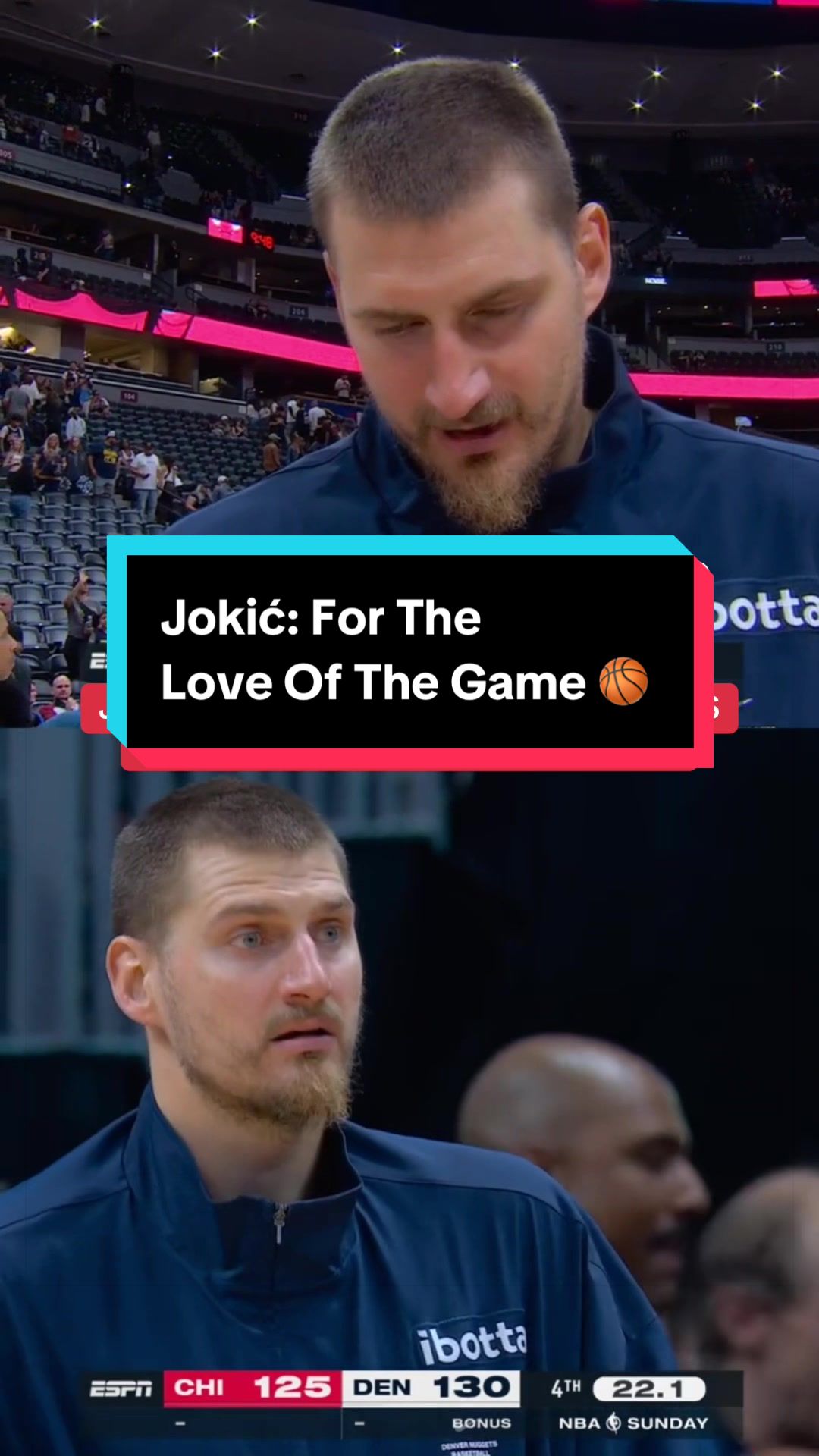
Jokić doing it for the love of the game 🙂↕️
 Links
Links
 Contact
 App
App


