



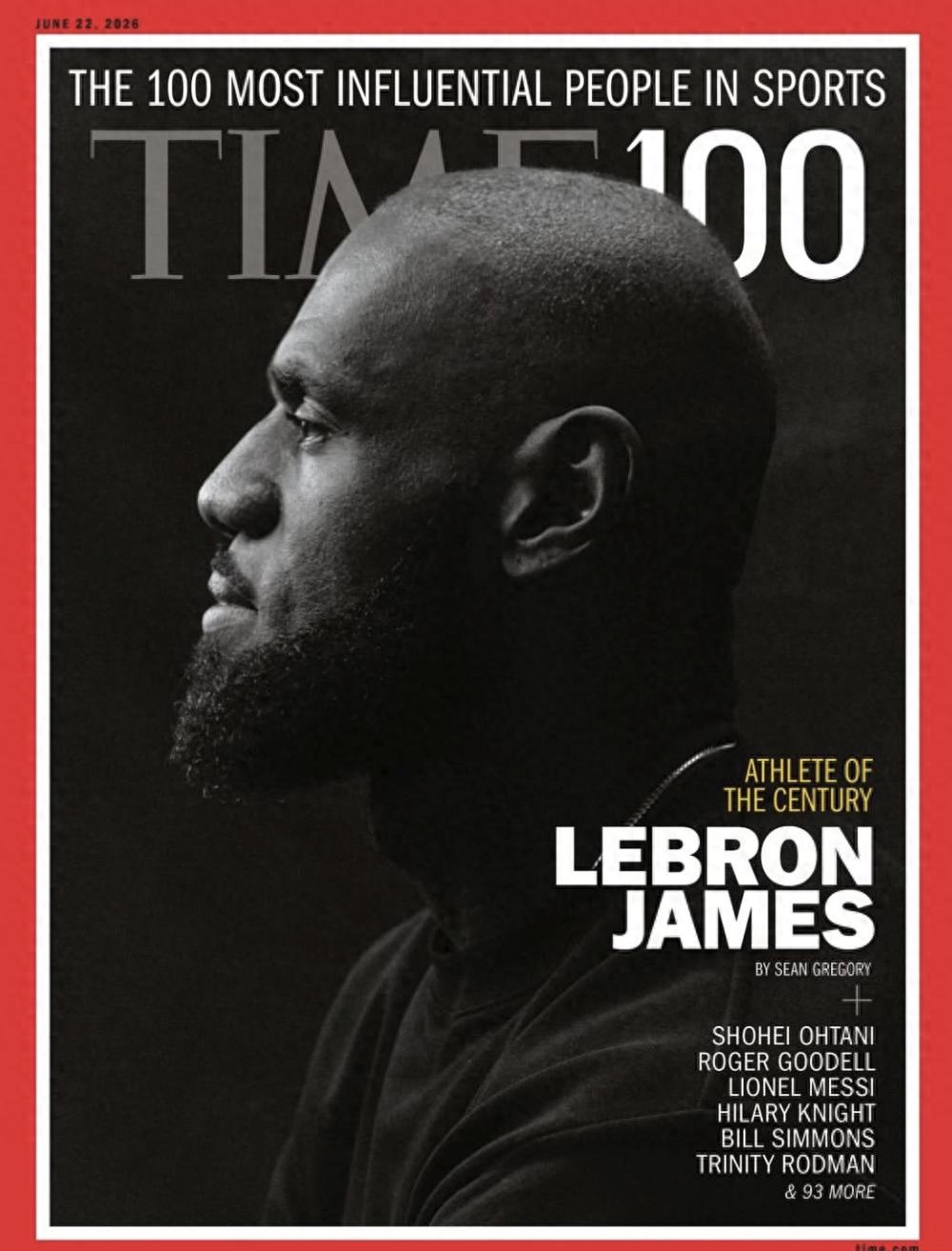
LeBron James tops the list of the world's 100 greatest athletes, gracing the cover of Time magazine.


For the first time this year, Time magazine released a dedicated "100 Most Influential Sports Figures" list, featuring LeBron James on the cover and bestowing him the title of "Best Athlete of the Century." This recognition stems from his four NBA titles, status as the all-time leading scorer, and his initiatives such as establishing a school, investing in media, and participating in social causes, all of which have fundamentally redefined the role and societal impact of contemporary athletes.
The title of this feature article on James is: "How LeBron James Is Redefining the Modern Athlete," presented in full below, totaling 6,470 words.
One morning in mid-April, at 7:30 a.m., inside the Los Angeles Lakers' training facility in El Segundo, California, LeBron James was wrapped in a purple hoodie covered in smiley-face patterns. Typically, having a thoughtful conversation with one of the world's most famous people three days before a first-round playoff series against the Houston Rockets, just before practice begins, would be a terrible idea.
James hadn't slept well and his voice was hoarse, but during this rare exclusive interview, he was completely focused. In fact, I've never seen an athlete so locked in on such an occasion. While half a dozen people buzzed around him, James maintained his concentration, answering questions one by one, including the most pressing one: how much longer does he want to play?
"It depends on the mindset," said the 41-year-old James. "Where your heart is, your body will follow. If I lose the love for arriving at the arena five hours before a game to prepare, if I lose the love for getting in a workout two and a half hours before tip-off, then I'll know it's time to go. Because then I'd be cheating the game."
At this moment, James is still deeply in love with the game. "Absolutely," he said. "I'm sitting here talking to you with a scratchy throat, and I'm about to practice in an hour. You think I'm not having fun? I could be at home with a heating pad on my throat, drinking hot whiskey and eating scrambled eggs."
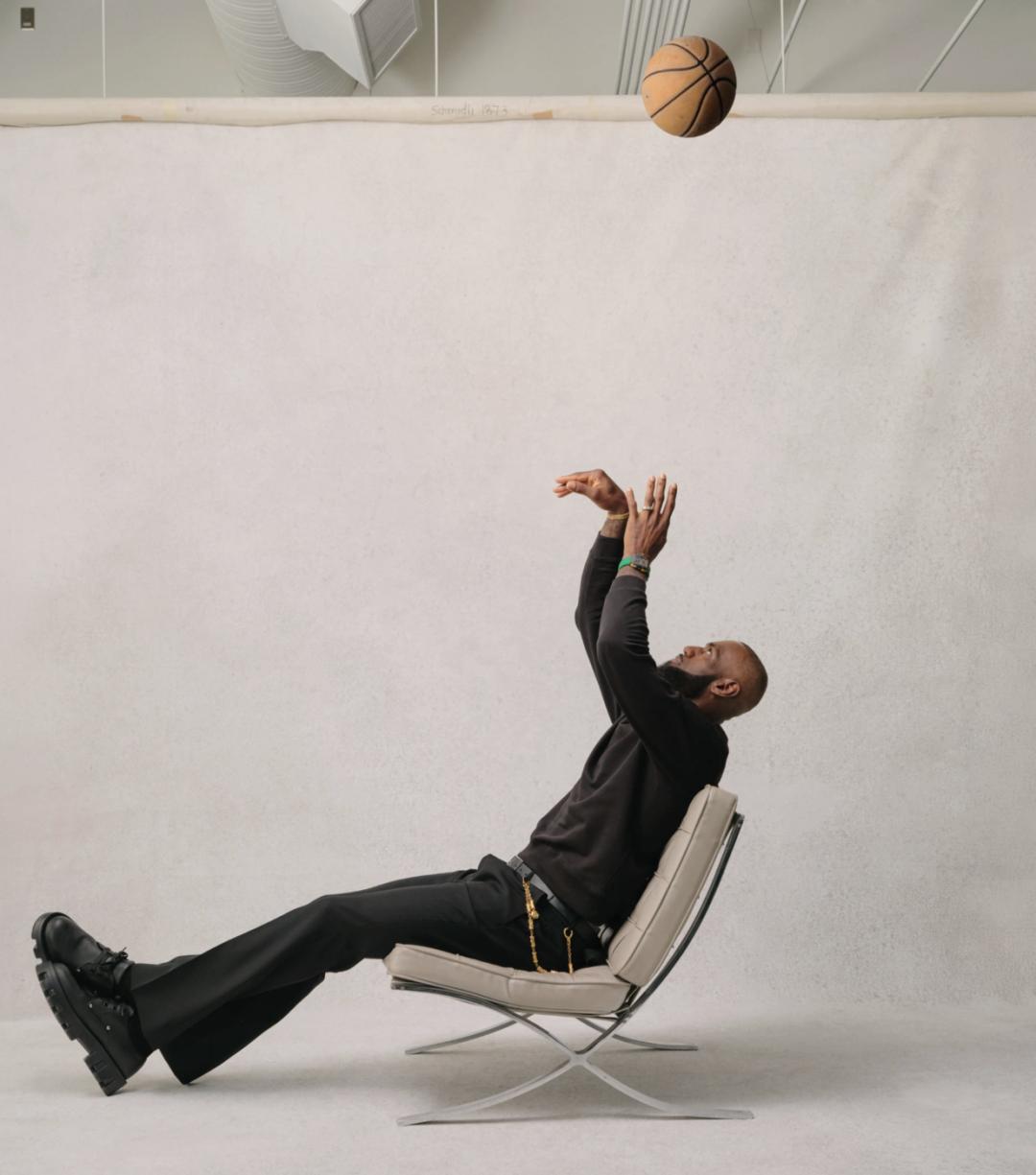
Yet James continues to excel at a level unprecedented in mainstream professional sports. As the NBA's all-time leading scorer, the middle-aged James played at an All-Star level again in the 2025-26 season—his 23rd NBA season. When Lakers stars Luka Dončić and Austin Reaves were out with injuries during the playoffs, James proved he was still the captain, leading the team past a talented Rockets squad before the short-handed roster was eliminated by the Oklahoma City Thunder.
Entering the NBA as the most hyped high school player ever, James wrote the blueprint for surpassing the expectations that had crushed so many predecessors. His exceptional skill, basketball IQ, and meticulous body maintenance allowed him to rewrite NBA record books: 22 consecutive All-Star appearances, all-time playoff scoring leader, most All-NBA First Team selections, and more. "He has the greatest career in NBA history," said two-time MVP Steve Nash, who co-hosts the podcast "Mind the Game" with James. "Combining his peak and longevity, no one comes close."
When you add his off-court achievements, James may be the most influential athlete of the past half-century. In the decades before him, superstar athletes mostly stayed in their lane. James ushered in the era of "player empowerment," showing you could start a company, engage in politics, uplift those around you—and still play at a GOAT level in your era.
"It is not an exaggeration to say LeBron is one of the most important athletes in American history, and one of the most important Americans of the 21st century," said Todd Boyd, professor of race and popular culture at the University of Southern California. Facing public scrutiny, he entrusted business matters to friends, used leverage to choose his own teams, and engaged deeply with the wider world. He invested his capital into global sports brands, tech companies, and his hometown of Akron, Ohio, while reaping substantial rewards.
"This guy is smart," legendary investor Warren Buffett told Time, having met with James several times over the years. "He's smart on the court and smart off the court." Despite his outspokenness on political and social justice issues, which drew criticism from the right, his decades-long career has been largely scandal-free. The biggest controversy this year? Complaining about his hotel in Memphis. "Everything I say is overanalyzed," James said while getting a haircut. "I have nothing against the people of Memphis. That's what people need to know. I just had a problem with that particular hotel. I didn't like being there."
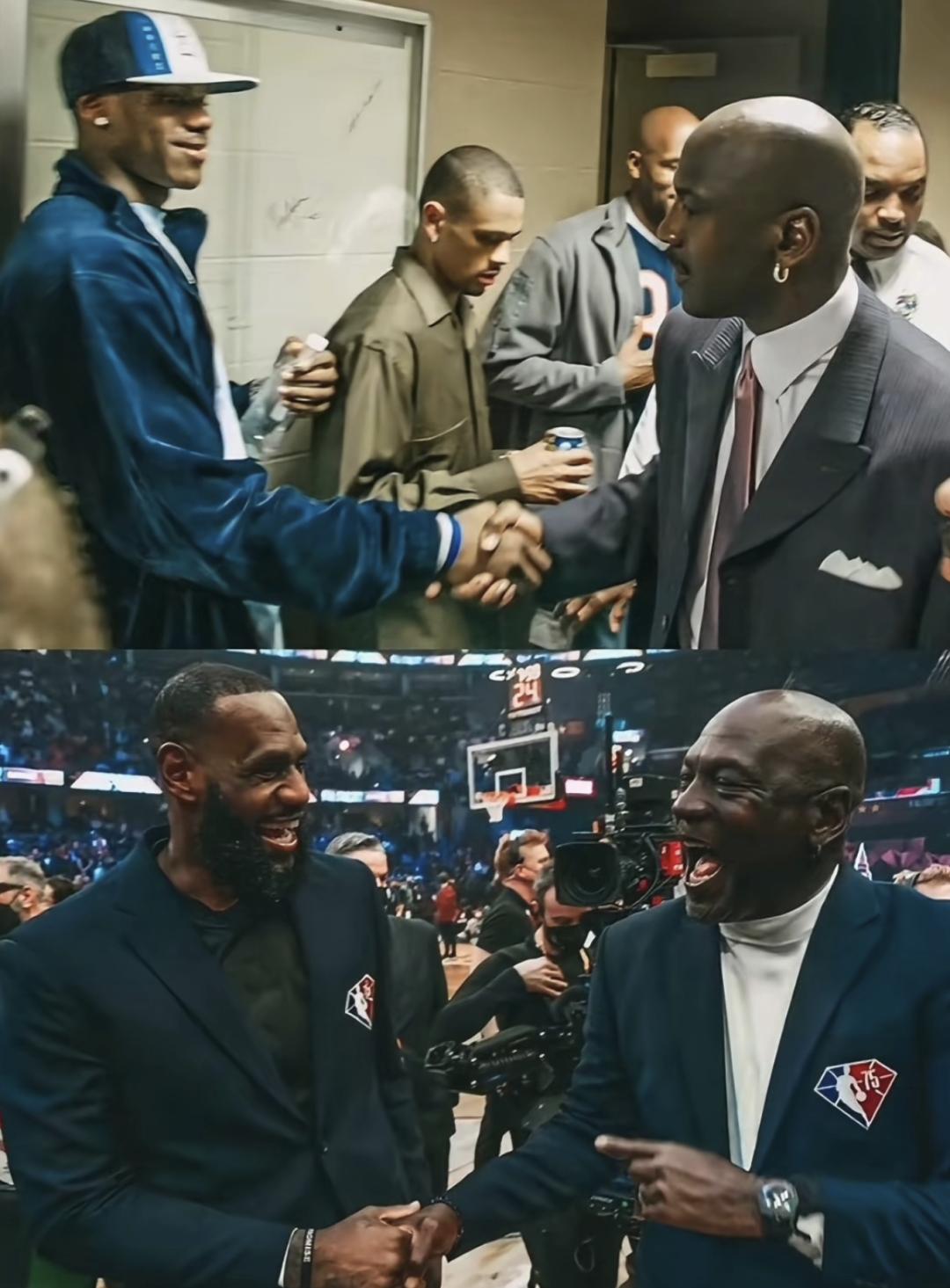
The GOAT debate often pits James against Michael Jordan. Jordan's "fly with me" style, six championships in the 1990s, and the rocket fuel he provided to global sports marketing through endorsements like Air Jordan forged an eternal legacy. While the relative merits of their basketball resumes can—and absolutely have—been argued to exhaustion, James dares to talk about uncomfortable topics. Jordan, on the other hand, said he didn't want to because "Republicans buy sneakers too."
When I invited James to agree that he is a more influential athlete than Jordan, he just laughed: "You ask someone who grew up in the Jordan era, they'll say Jordan. You ask someone who grew up in the LeBron era"—he paused—"they'll probably still say Jordan."
He understands that. "Look, to each their own," he said. "I can tell you this: I never tried to step into someone else's shoes and say, 'Well, damn, I have to do better than him.' My journey is my journey. I do what I do. I know what I bring. From a basketball standpoint, an inspiration standpoint, an impact standpoint, I know I can walk into any room."
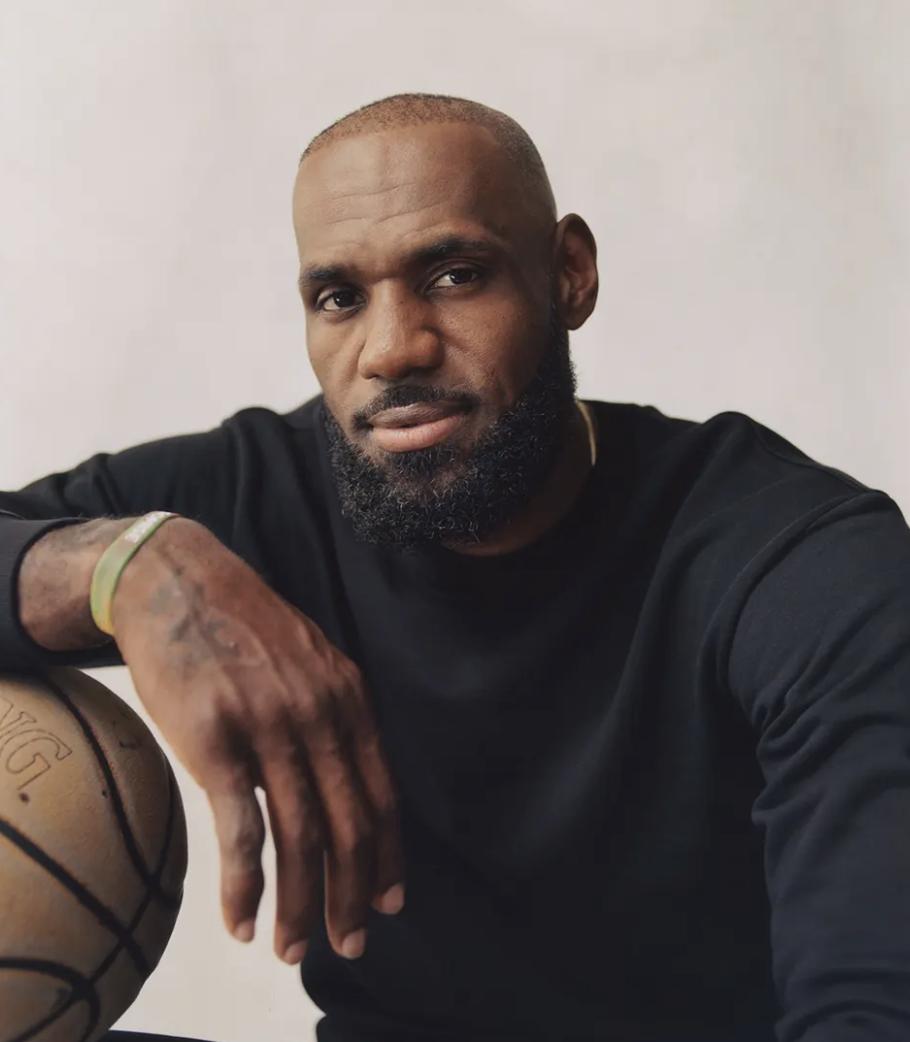
Growing up in the tough neighborhoods of Akron, James often found himself lost in thought. "I had so much time to explore, to imagine, to not just be that little Black kid hiding in the house feeling isolated."
He rarely saw Akron marked on a map. "When you feel overlooked, that's motivation. I felt overlooked because I came from a single-parent home. I felt overlooked because I didn't have siblings. So I've always carried a chip on my shoulder."
James, who jumped straight from high school to the pros, was determined to share his success with his inner circle. The Cleveland Cavaliers won the 2003 draft lottery and selected the hometown hero with the No. 1 pick. He won Rookie of the Year and, after his second season, fired his agent and founded a company called LRMR to handle his business affairs. Critics mocked the move due to a lack of traditional management experience. In 2016, Phil Jackson called them James's "posse," sparking controversy (Jackson later said his "choice of words may have been something that I regret").
"If I had listened to the outside noise, I'd be finished," James said. "Because everyone said it was a bad idea. Why would I hire people who aren't educated? Why would I hire people who haven't done this before? Why would I hire my childhood friends? Whenever something unprecedented comes along, people want you to march to yesterday's beat, or the beat from ten years ago. My mother didn't raise me that way."
"Do you know how LeBron James changed the game?" said Rich Paul, from his office overlooking Beverly Hills, California. Paul runs Klutch Sports Group, representing about 700 athletes including James, A'ja Wilson, Jalen Hurts, Myles Garrett, and others. "He changed the game because he was willing to tell those high-ranking people with corporate business cards in positions of power to 'go f--- themselves.'"
James played seven seasons for the Cavaliers, winning two MVPs, leading Cleveland to two 60-win seasons and an NBA Finals appearance. Nevertheless, he failed to win a title, and in 2010 he seized the opportunity to team up with Dwyane Wade and Chris Bosh. In the now-infamous ESPN special "The Decision," James told the world he was "taking my talents to South Beach." A portion of the ad revenue ($2.5 million) was donated to the Boys & Girls Clubs of America.
However, critics slammed the televised event as egotistical and selfish. In Cleveland, fans burned his jersey. "It was the most ridiculous thing," James said. "I thought it was overblown then. Now I know it was absurdly overblown."
The animosity came from two sources. First, by announcing the news himself and forming a superteam in Florida, he was taking control of his narrative away from entrenched power structures—the media and NBA management. Second, superstars were supposed to bring championships to the teams that drafted them, like Jordan in Chicago, Larry Bird in Boston, and Magic Johnson in Los Angeles. James leaving Northeast Ohio without ending Cleveland's painful championship drought (the city hadn't won a major professional sports title since 1964) fueled the anger.
"I embrace changing that narrative because my journey is different from those guys," James said. He noted, for example, that Johnson teamed up with Hall of Famer Kareem Abdul-Jabbar as a rookie to win the first of their five championships together. "I didn't have that luck," he said. "Michael Jordan didn't have a Hall of Fame teammate in his first few years either. But then, boom, they drafted Scottie Pippen, and then, boom, Phil Jackson came in."
Meanwhile, Bird was paired with Robert Parish and Kevin McHale in his second year. "I don't see that team's trajectory matching my career trajectory," James said. "I wanted more. I wanted to win at the highest level." He dismissed the notion that chasing titles with star teammates was some form of cheating. "It's no different from switching jobs in the business world because you get a better opportunity and access to better people. In sports, sometimes people get too hung up on 'he should do it by himself.' I don't play tennis. I don't play golf. I was raised that we have to do it together as a team."
Superteams quickly became the norm. "That was a turning point for the league," said five-time All-Star Kevin Love, who played alongside James and Kyrie Irving during James's second stint in Cleveland. "It let you know who held the power. In the past, it was always the owners and management calling the shots. LeBron completely flipped that."
James's move proved prescient, but at the time he was demonized. He wore the black hat of the villain in his first year in Miami. The low point came in the 2011 NBA Finals, when the Heat lost Game 6 at home, handing the championship to the Dallas Mavericks. Johnson had four rings in his first eight years, Bird had three, and Jordan had two. James had zero.
After the series, in which James scored nearly nine points fewer per game in the Finals than his regular-season average, he seemed to seek comfort from others' misery. "All those people who were rooting on me to fail, at the end of the day, they have to wake up tomorrow and have the same life they had before they woke up today," he said in a press conference. "The same personal problems they had today, they're going to have tomorrow."
While James now admits he could have been more diplomatic, he has no regrets—not about those comments, not about turning "The Decision" into a television event. "The best teacher in life is experience," he said. "I learned from that moment. I saw how it could be interpreted. But damn, I was angry. I was furious. I was hurt. I had been kicked around all year. I let the media get the upper hand." That offseason, James changed his arc. "That wasn't you, brother," he told himself. "Get back to yourself." He went to Houston to train with Hall of Famer Hakeem Olajuwon, who taught him footwork. In 2012 and 2013, James won back-to-back MVPs, and the Heat won consecutive NBA championships.
He also grew as a person. James pushed his foundation to move beyond one-off events, like his annual charity bike-a-thon. "That loss was the best thing that ever happened to the LeBron James Family Foundation," said Michele Campbell, executive director of James's nonprofit. "We had some deep conversations about what we were doing and, frankly, where we were falling short."
Since then, the organization has launched the I Promise School (for grades 3-8) in Akron and provided college scholarships to 25 community members. It has also built affordable housing, offered job training and healthcare services, and opened a restaurant called Buckets in April, employing more than 70 locals and serving meals including the "GOAT" double cheeseburger.
James signed a lifetime contract with Nike in 2015. He has endorsed brands like Kia, Intel, and AT&T. He sought equity in companies: when promoting Beats by Dre headphones, he didn't take a fee but negotiated a small stake in the company; reportedly, when Apple acquired the brand in 2014, he netted around $30 million. In 2021, he and Maverick Carter swapped a minority stake in Liverpool Football Club for broader ownership interests in Fenway Sports Group, which owns Liverpool, the Boston Red Sox, and the Pittsburgh Penguins. According to Forbes, in 2022, James became the first active NBA player to reach billionaire status.
In a 2014 Sports Illustrated article, James announced he would return to the Cavaliers after four years in Miami. "That was the inadvertent start of a business," said Carter, who co-founded Uninterrupted with James in 2015, a platform for James and other athletes to share their stories. "I didn't like the fact that, you know, I could sit down with the media for 15 to 20 minutes and only a two-minute audio clip would come out," James said. "I was tired of being interrupted. I was tired of my voice not being heard completely and fully."
Uninterrupted's flagship show, "The Shop," is a talk show where athletes and celebrities sit in barber chairs and chat with James or members of his inner circle. It aired for four seasons on HBO and now runs on YouTube. His production company, SpringHill, has produced projects about Muhammad Ali, "Space Jam: A New Legacy," and a basketball-themed drama starring Adam Sandler.
Athletes like Stephen Curry, Kevin Durant, Peyton Manning, and Patrick Mahomes have followed James's footsteps into the media space. "I love storytelling," James said. He wrote his best script in 2016, leading the Cavaliers back from a 3-1 deficit to beat the record-setting 73-win Golden State Warriors, delivering the city's first championship in over 50 years. James was the unanimous Finals MVP and became the first and only player in history to lead both teams in all five major statistical categories (points, rebounds, assists, steals, and blocks) in a championship series.
In November of that year, Donald Trump was elected president. (James had campaigned for Hillary Clinton in Ohio.) As Trump escalated attacks on athletes who criticized him, James fought back. In September 2017, after Stephen Curry said he didn't want to go to the White House, Trump rescinded the invitation to the Warriors. In response, James called Trump a "bum" on Twitter. In 2018, James and Durant criticized Trump in a podcast interview, with James saying Trump "doesn't give a damn about people" and Durant noting the country was "not run by a great coach."
On Fox News, Laura Ingraham said James was "barely intelligible" and labeled the players' comments as "ignorant." Then came the incendiary four words. "Shut up and dribble," she said.
Mendelson texted James the next day. "Oh, I laughed," James said. "I thought, 'Oh my God, this white woman is telling this Black man to shut up and dribble. Are you kidding me?'" James didn't know who Ingraham was at the time. "I definitely don't watch Fox News," he said. "You can put that in all caps. I definitely don't watch Fox News." He knows her now. "I thought, 'Oh my God, she has no idea what she just started,'" he said. "It's going to be the complete opposite."
In 2018, after reaching the Finals for the eighth straight time, James signed with the Lakers. In his second season with L.A., he won his fourth championship in the bubble at Walt Disney World in 2020; James became the only player in history to win Finals MVP with three different franchises.
"She's like those school teachers who tell you to shut up and sit in the back," James said of Ingraham. "But she didn't realize I'm the principal. This is my school."
His peers see James as an inspiration. In October last year, Novak Djokovic, holder of the most Grand Slam singles titles in men's tennis history and just turned 39 in May, said James was one of the athletes who motivated him to keep going. Olympic athletes Lindsey Vonn, 41, and Allyson Felix, 40, also mentioned him when discussing their comebacks. Sleep, soft-tissue massage, strength training, yoga, Pilates, cryotherapy, hyperbaric chambers, IV drips, and a clean diet keep James sharp. Some of his longevity stats—he has faced 36% of all NBA players; he's the only player with a 40-point game as a teenager and in his 40s; he has played against 10 father-son pairs in the league—often make him laugh. "It makes no sense," he said.
His son Bronny wasn't even born when James made his debut. Now they are teammates, and the first father-son duo in history to assist each other's baskets in a game. "Of all the terrible things I've done in my basketball career," James said, "that was the greatest achievement I've ever had."
James has heard the nepotism talk. "This kid has the right to be a professional athlete," he said. "The only thing you can't do is throw stones at our family. I'm not going to let that s--- slide, because I know what I've created, and I know what I came from—nothing. So if you want to talk about the kid, say he shouldn't be an NBA player, I don't care. Just don't bring up the fatherhood thing. I don't play that game."
James doesn't seem in a rush to decide on next season. While Bronny is under contract with the Lakers for at least another year, his father is about to become a free agent. But when asked if he would take a pay cut to re-sign with L.A. to give them more financial flexibility, James declined to comment. He also hinted that it's unwise to overanalyze his interest in golf (a popular retirement pastime). "I'm glad I picked it up at this stage of my life, but it has nothing to do with my decisions about my playing career," James said. "That's separate. I love golf, man. But I know what's the main dish. The main dish is always the main dish. That's my love for basketball. If I keep playing, that will always be my passion."
On their podcast, James told Nash his answer might come in August. "I love competing at the highest level, in the playoffs," James told Time after the Thunder eliminated the Lakers. "Playing the game I love, having fun, enjoying the competition—that's what you live for, no matter where you are in your career." Yet the pull of family remains. His younger son Bryce, who will turn 19 in June, is a member of the University of Arizona basketball team, and his youngest child, daughter Zhuri, plays volleyball.
"I've spent a lot of time sacrificing," James said. "I've spent a lot of time honing my craft, and I had to give up a lot of family time. So the next 10 years are going to be a big part of—it's not about 'getting time back,' because you can't get time back. But my daughter is 11. I'm going to pour into her. I'm going to pour into my wife. Because in order to be the greatest player in the history of the sport, I had to fall short of being the perfect husband and the perfect father that I wanted to be."
Whenever James hangs up his sneakers, he will conclude an unprecedented journey. "I just know that the sirens aren't for me, and handcuffs aren't for me." While James won't directly claim to be the most influential athlete of the past half-century, in a bar debate about the basketball GOAT, he doesn't hesitate.
"I'm not putting anybody ahead of me, no question. But I think Mike (Jordan) would say the same. Kobe would say the same, rest in peace. Magic would say the same. Bird would say the same. Shaq would say the same. The late great Wilt (Chamberlain). Kareem. I think none of us would pick anyone else. If there's a general manager on the sidelines watching all of us with the No. 1 pick, it'd be hard for him not to pick me, man."


Wonderfulshortvideo
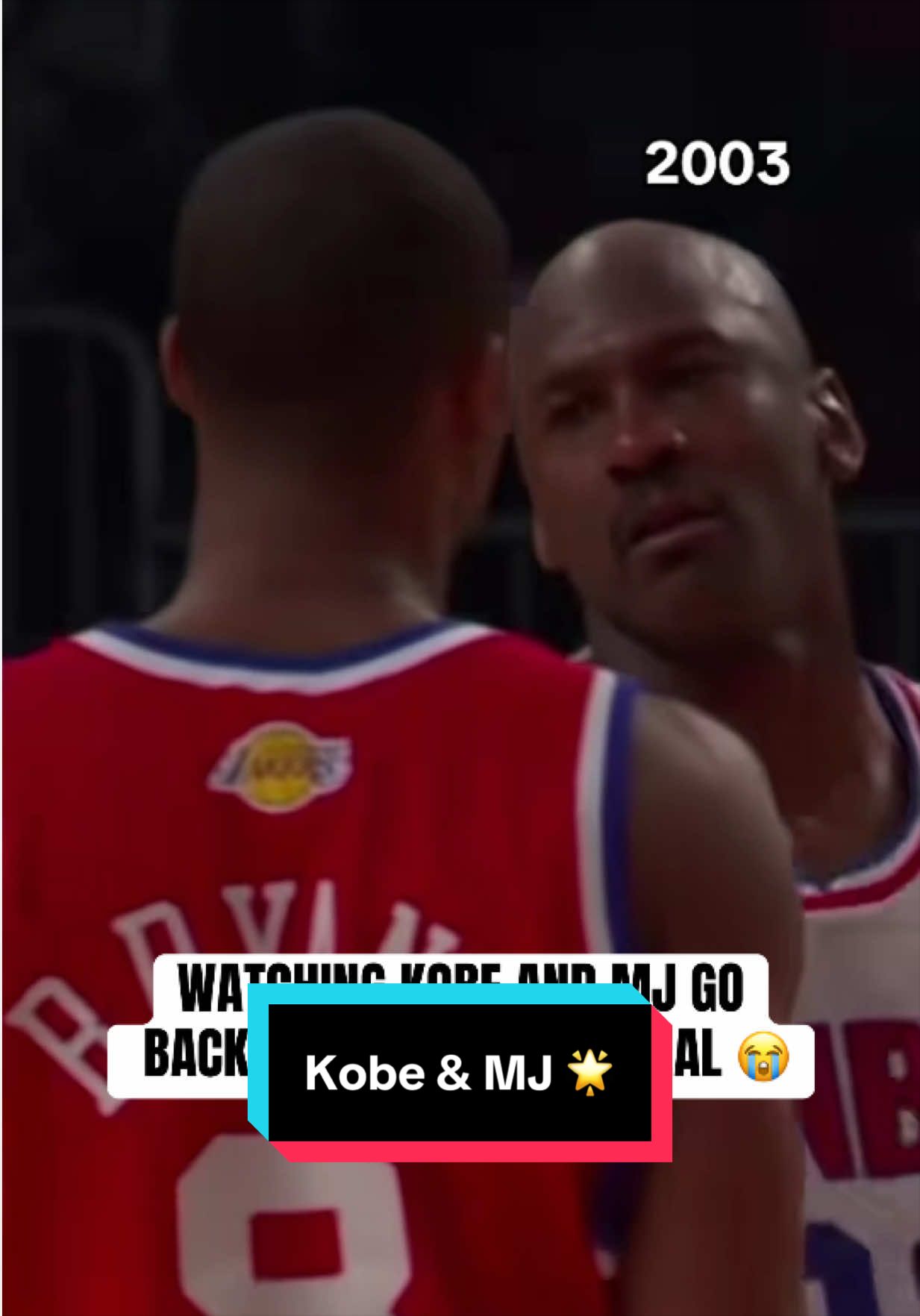
Icons together at the 2003


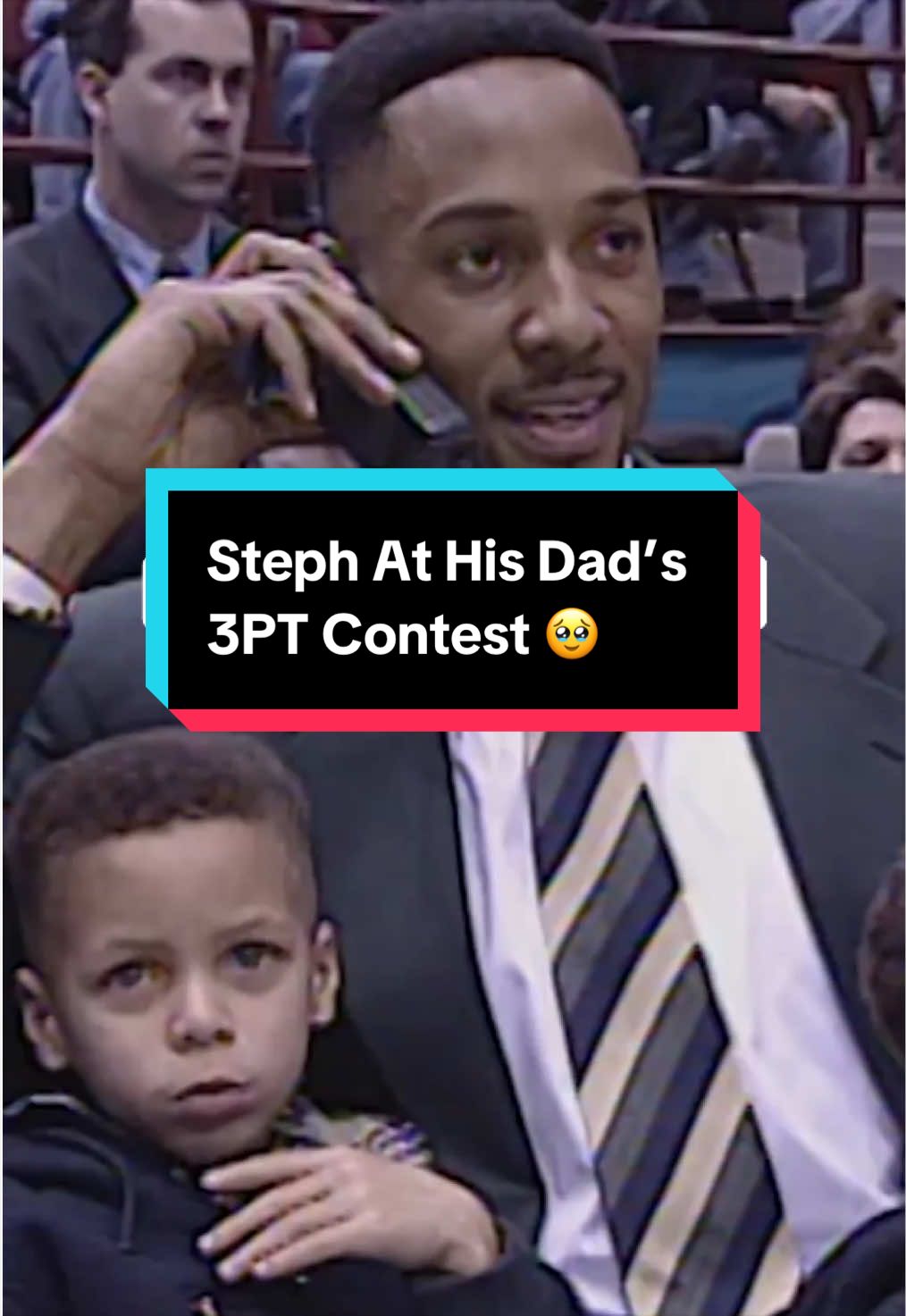
Where it all started 🤩 No wonder he loves the three ball 🏀🔥
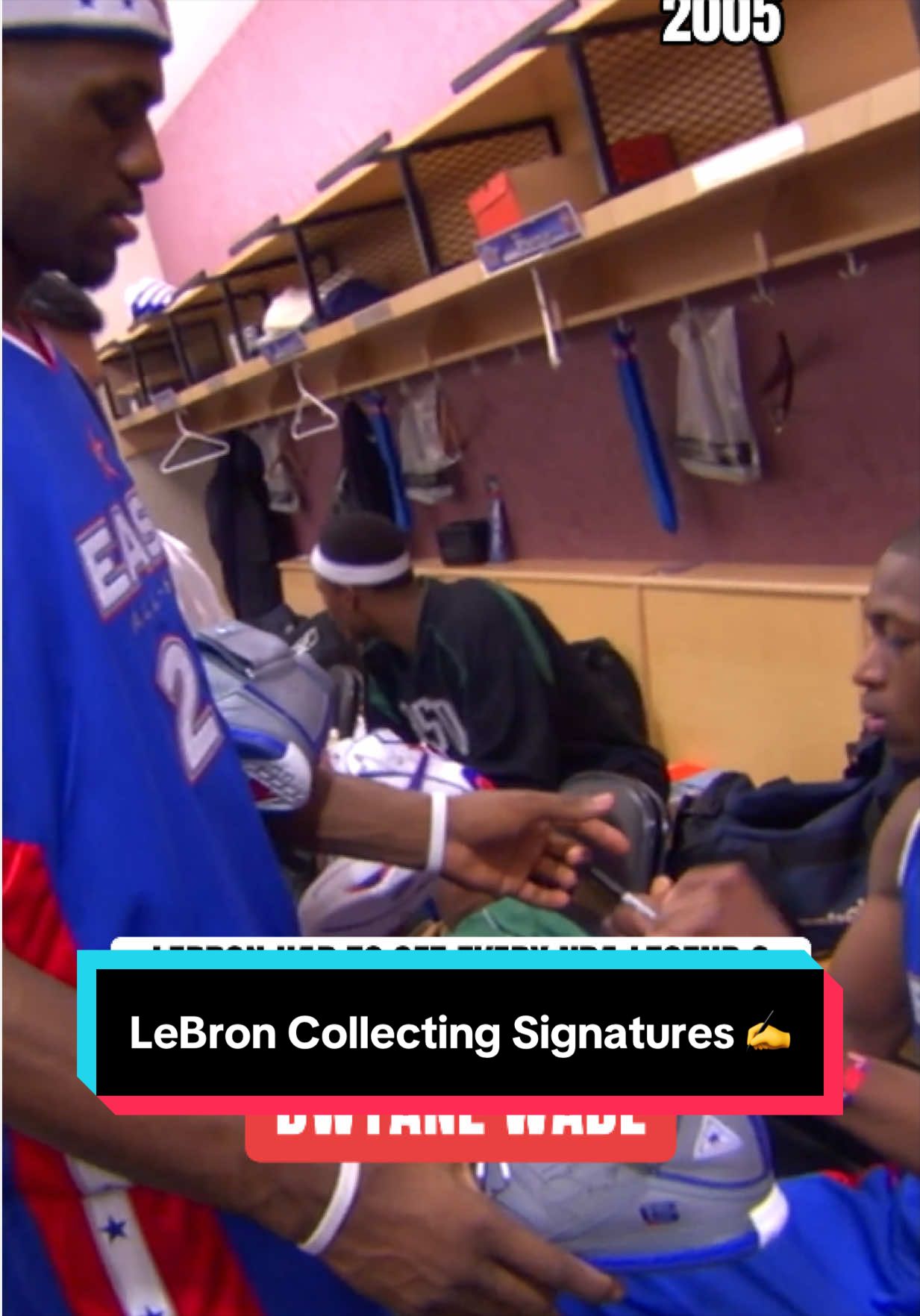
LeBron was collecting signatures in his first
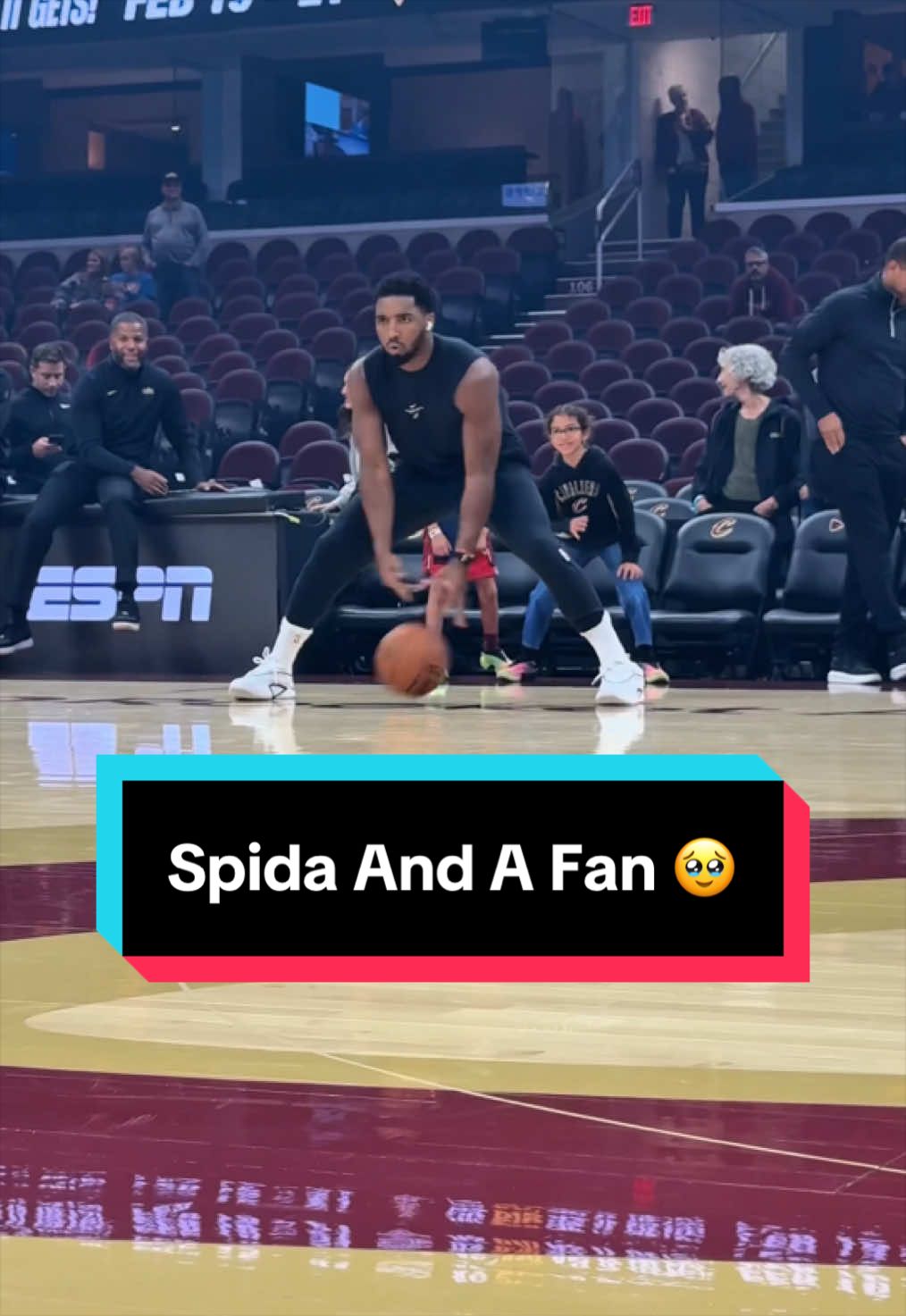
She’s got it down 🙌
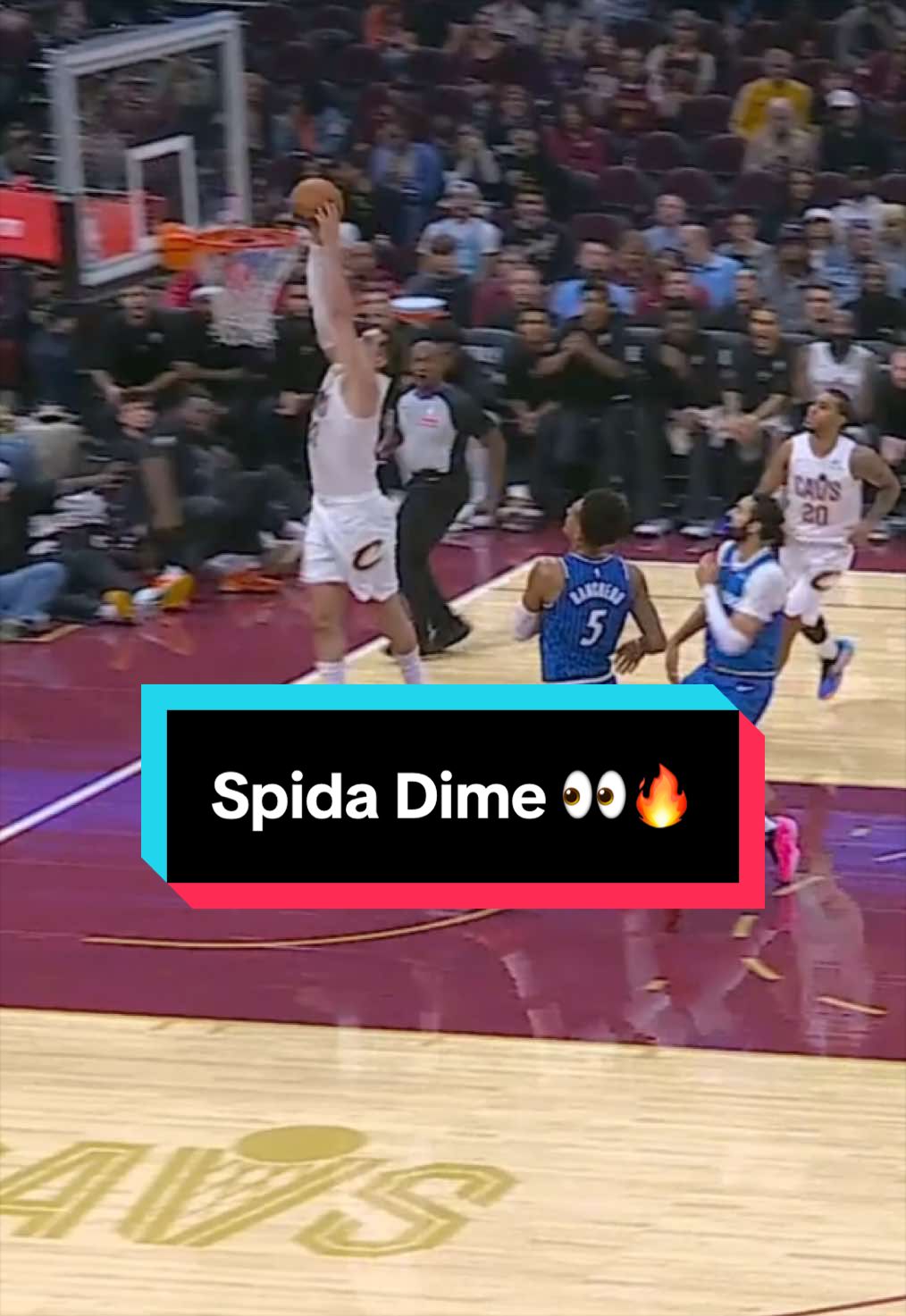
Spida saw the opportunity and took it 🔥
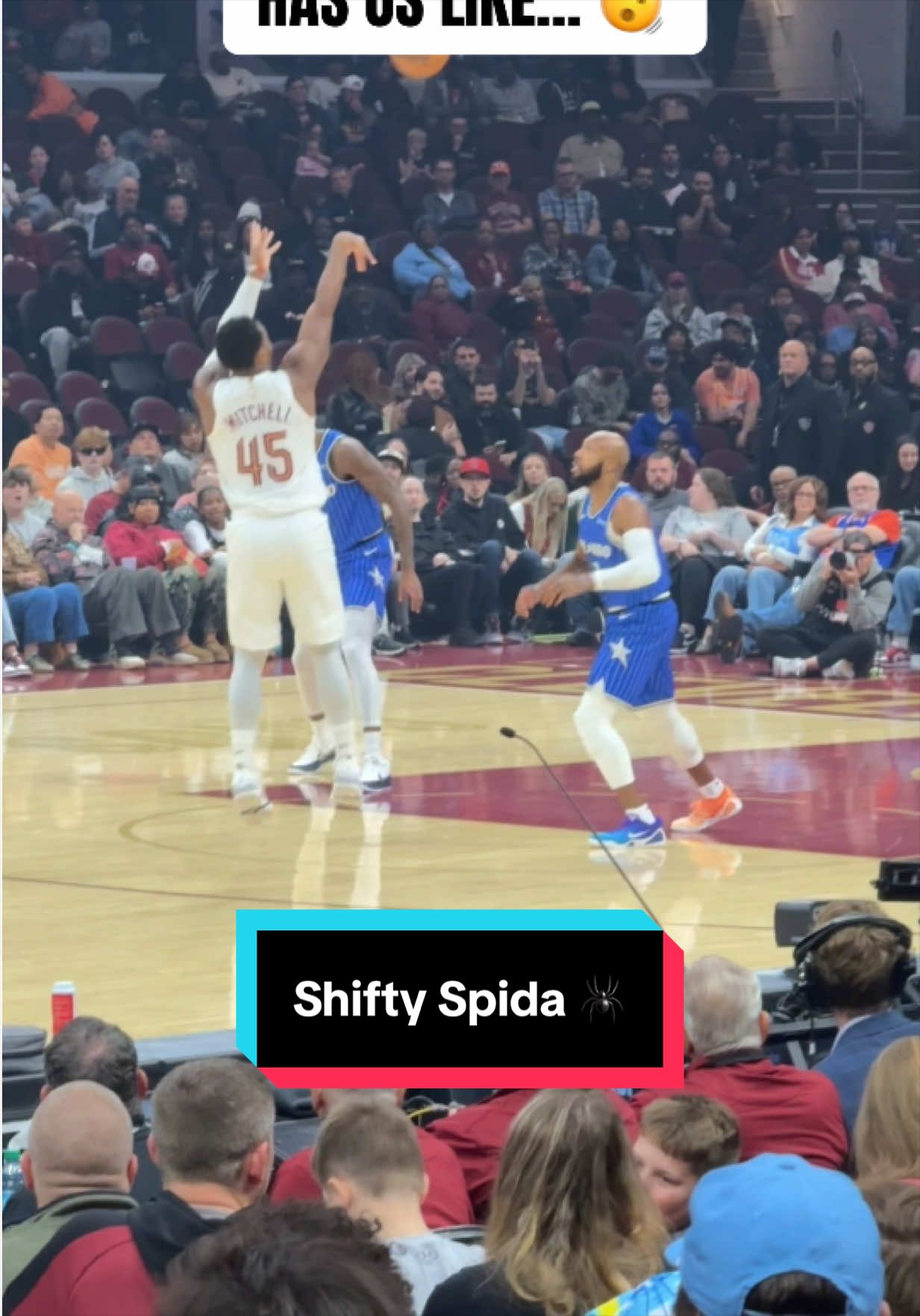
Donovan Mitchell with a little misdirection before draining the middy 🔥
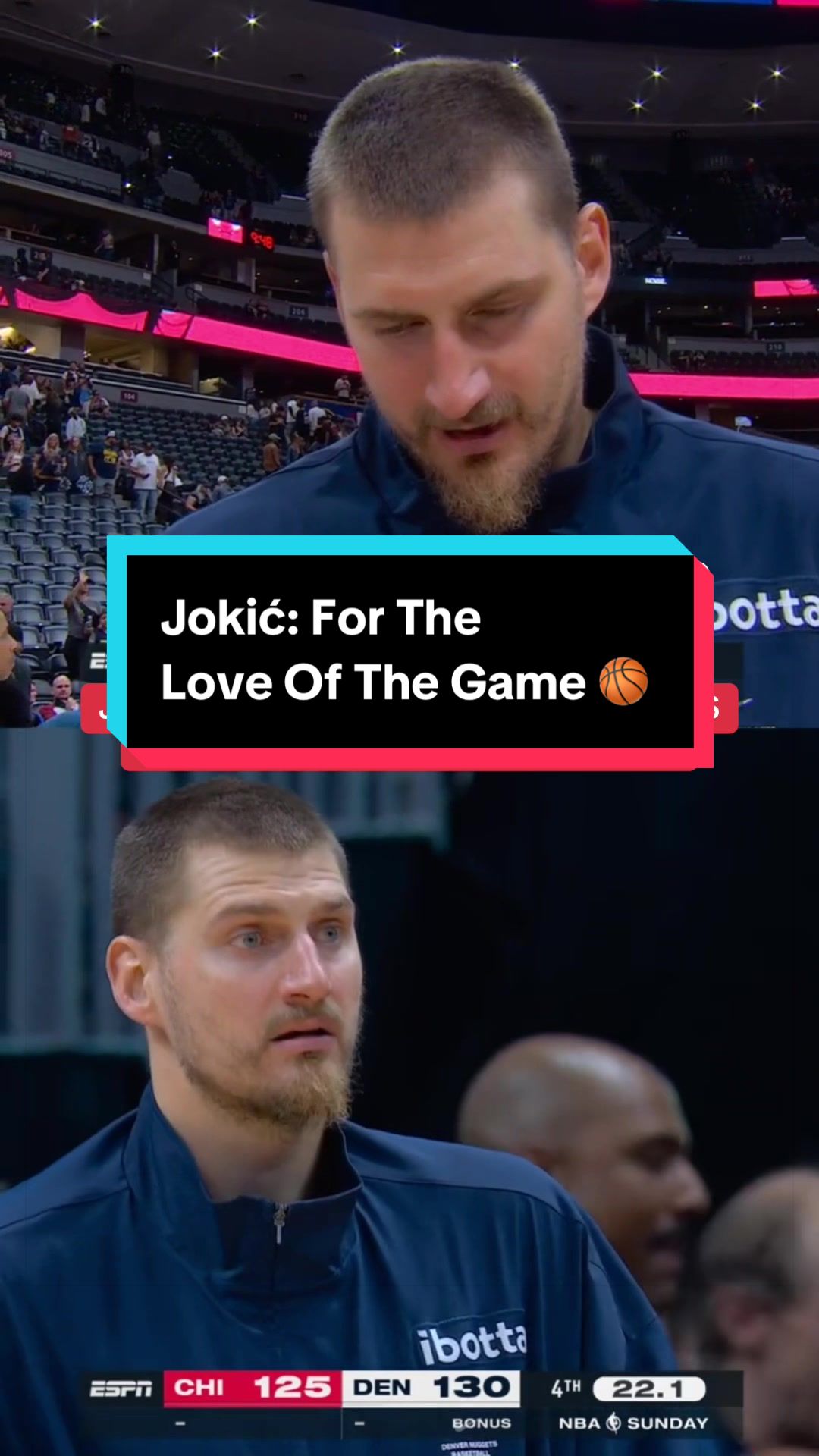
Jokić doing it for the love of the game 🙂↕️
 Links
Links
 Contact
 App
App


