



Last game of the season? The official site lists three key points for Game 5 of the Finals: Wembanyama's playing time may be reduced.



On June 13, Beijing time, Game 5 of the NBA Finals will take place on June 14. With the Knicks holding a 3-1 series lead, the stakes for Game 5 are straightforward: either the Knicks claim their first NBA title since 1973, ending the season right here, or the Spurs win to push the series back to New York. The NBA's official site outlines three key points for Game 5 —

1. Moderately reduce Wembanyama's minutes
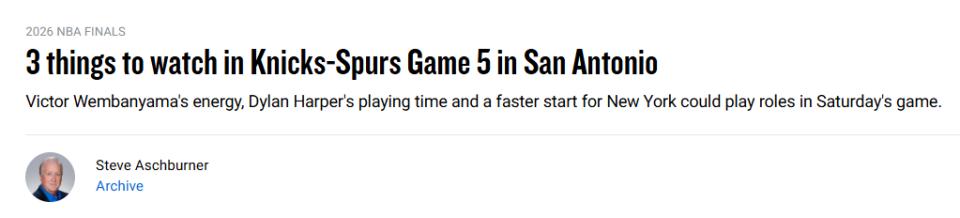
When you have a 7'4" superstar with elite skills who creates massive problems for opponents, any team would want him on the court rather than on the bench or just in the rotation. This postseason has been a breakout journey for Victor Wembanyama, and as the team's cornerstone, he naturally belongs at center stage.
But perhaps he doesn't need to carry the load the entire game. From his body language to on-court stats, multiple signs indicate that the Spurs' interior anchor is physically exhausted. This series has been tightly contested, and San Antonio needs Wembanyama at his best in the closing minutes, not dragging himself through fatigue.
Remember, Wembanyama was a frontrunner for the regular-season MVP, but he ultimately fell short solely because of limited playing time. In the regular season, he averaged 29.2 minutes per game, totaling 1,866 minutes; the Spurs' entire team logged 3,946 minutes, and due to injuries and rest, his share was less than half the team's total. In NBA history, no MVP has ever averaged so few minutes or had such a low playing time percentage—just 47%.
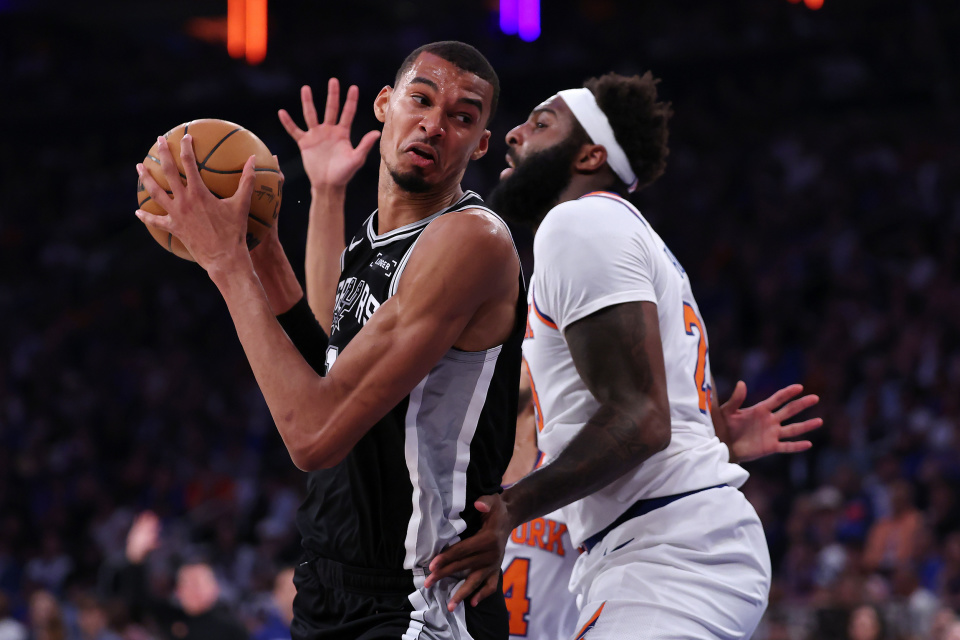
Even though the Spurs posted an excellent 62-20 record, Wembanyama still finished third in MVP voting, behind Thunder star Shai Gilgeous-Alexander and Nuggets star Nikola Jokić.
But now the playoff situation is completely different: only Vassell and Castle have logged more total playoff minutes than Wembanyama's 712. Through four rounds, he has averaged 33.9 minutes per game, and that number is misleading—his minutes have increased as the postseason progressed, reaching an average of 40.3 minutes in the Finals.
Game 4 was one of the most painful comebacks in Finals history: the Spurs blew a 29-point lead and lost 106-107. Since the start of the season eight months ago, this is already the 104th game for San Antonio. Even though Wembanyama started well, by the end of the game, facing the roaring crowd at Madison Square Garden, he clearly ran out of steam.
Let's look at Wembanyama's Game 4 numbers —
First half: 20 minutes 53 seconds, 6-for-11 shooting, 16 points, 6 rebounds, plus-minus +28;
Second half: 23 minutes 2 seconds, 3-for-14 shooting, 8 points, 7 rebounds, plus-minus plummeting to -27.
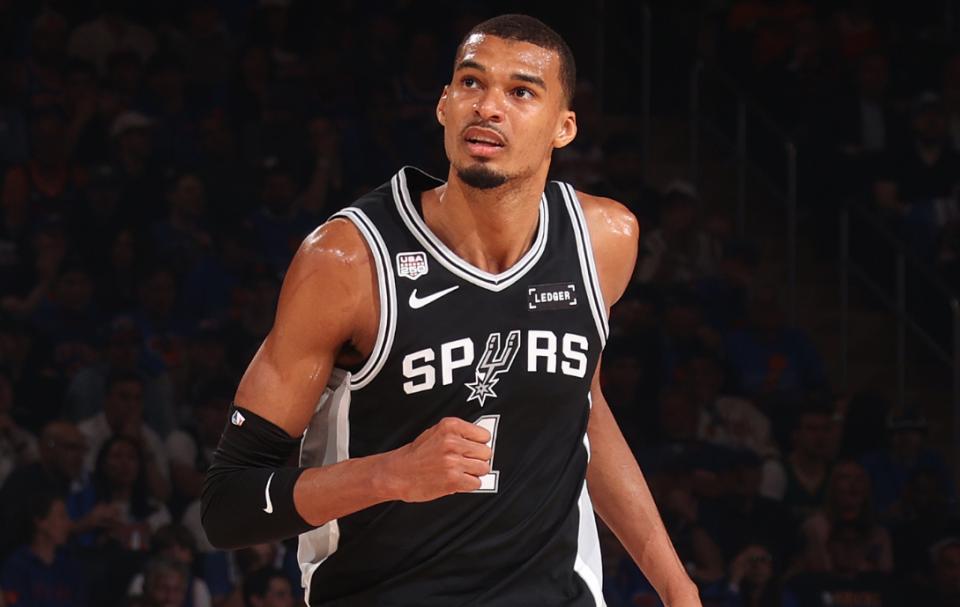
Over the entire four rounds, he has attempted only one shot in the final two minutes of games. In Game 4, the Spurs held a huge lead for most of the game, yet the coach kept him on the floor for an extended period—a puzzling decision.
"Fatigue definitely plays a role, but this is the playoffs—everyone is tired," Wembanyama said. The giant plays differently from typical big men; he can't just run back and forth to the basket. He constantly moves inside and out, helping on defense and rotating on both ends of the paint.
"Luckily, there are two days off between games, so fatigue won't be an issue anymore."
Spurs head coach Mitch Johnson said in an interview today that he won't rely solely on the schedule's rest to solve Wembanyama's energy issues.
"After reviewing Game 4, I know I have to make adjustments. I need to ensure he has enough energy to perform at his level in the closing stages. I haven't done a good enough job in that regard."
2. Increase Harper's playing time
Last year's No. 2 overall pick, Dylan Harper, was originally seen as a "happy problem" for the Spurs' future: according to the plan, in a year or two, he would step into the starting backcourt alongside Castle. But now, that issue has come to the forefront earlier than expected.
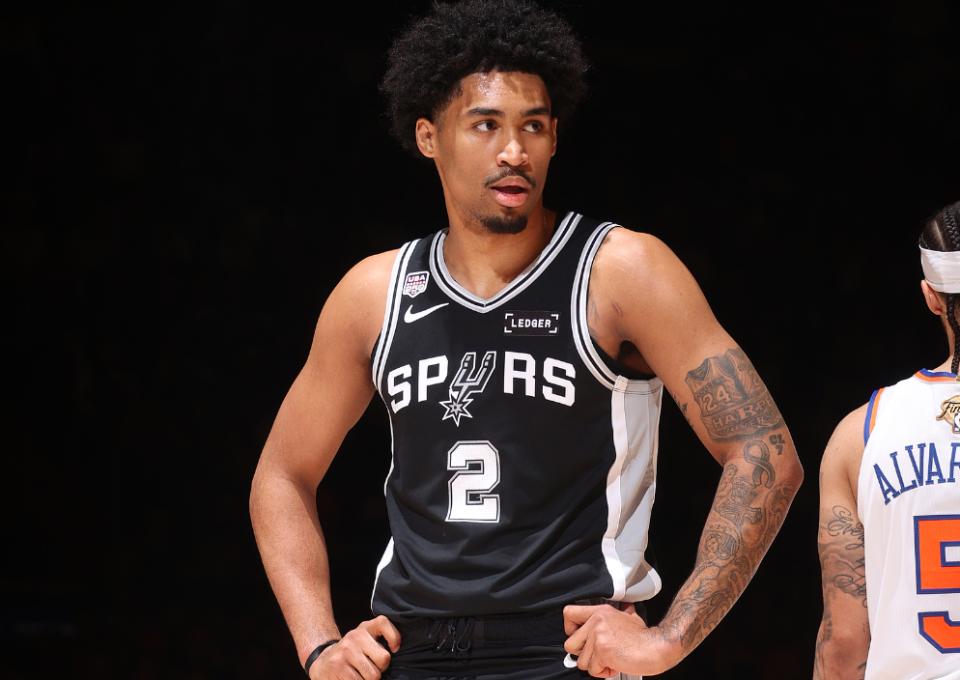
The 20-year-old Harper is the son of NBA legend Ron Harper. He has high basketball IQ and a polished game that belies his rookie status. He excels at driving into the paint, both scoring at the rim and drawing defenders to create open looks for teammates.
Harper averaged 11.8 points in the regular season and has bumped that to 16.3 points in the Finals, still coming off the bench. But starting guard Fox has been inconsistent in this series, especially struggling in Game 4. Many fans and media have called for increasing Harper's current 32 minutes of playing time.
Let's compare the on-court effectiveness of the two guards alongside the team's core, Wembanyama:
Over the four rounds, the Wembanyama-Fox lineup has a net rating of -1.2: the Spurs score about 105 points per 100 possessions and allow about 106;
The Wembanyama-Harper lineup has a net rating of +9.8: the Spurs score 111 points per 100 possessions and allow just 101.
The team sticks with Fox as a starter because they value his playoff experience, while Harper is still raw. But if Fox continues to commit multiple turnovers and make poor decisions in Game 5, the minute distribution between the two is likely to be adjusted.
However, Coach Johnson hasn't budged or confirmed any rotation changes.
"Everyone has their opinions, but I don't care. On Saturday, the ball will still be in Fox's hands for the final possession. I fully trust that he will carry the team, just as he has countless times before."
3. The Knicks aim for a strong start
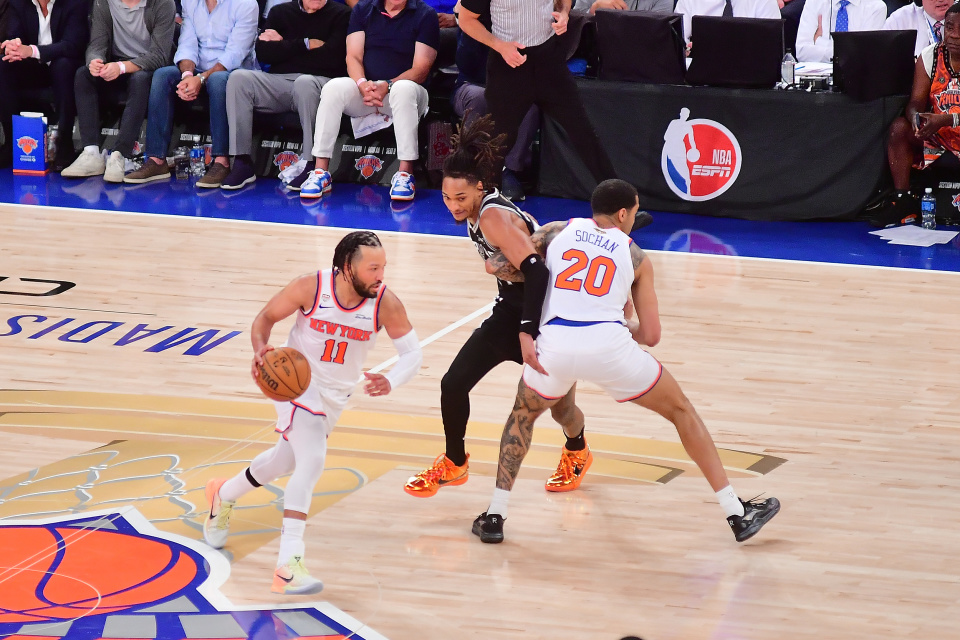
This Finals series has an ironic twist: after four games, every contest has been within four points in the final minute, making it one of the most tightly contested Finals in history.
But the four games share a strikingly similar pattern: the Spurs dominate the opening period, with Wembanyama leading his teammates to at least a 10-point lead in the first quarter every time. Over the four games, they have outscored opponents by a combined 47 points in the first quarter alone.
Playing an entire playoff series this way is risky, and doing so in the Finals is even more dangerous. The Spurs deserve credit for their execution early on, but the Knicks, on the other hand, have fallen into deep holes every game, showing sluggish starts and a lack of focus.
Game 5 is about to tip off, and both teams face a critical chess match: Can the Knicks improve their start? Can the Spurs hold onto their leads? Whichever side achieves its goal first will either end the series outright or completely shift the momentum of these Finals.


Wonderfulshortvideo
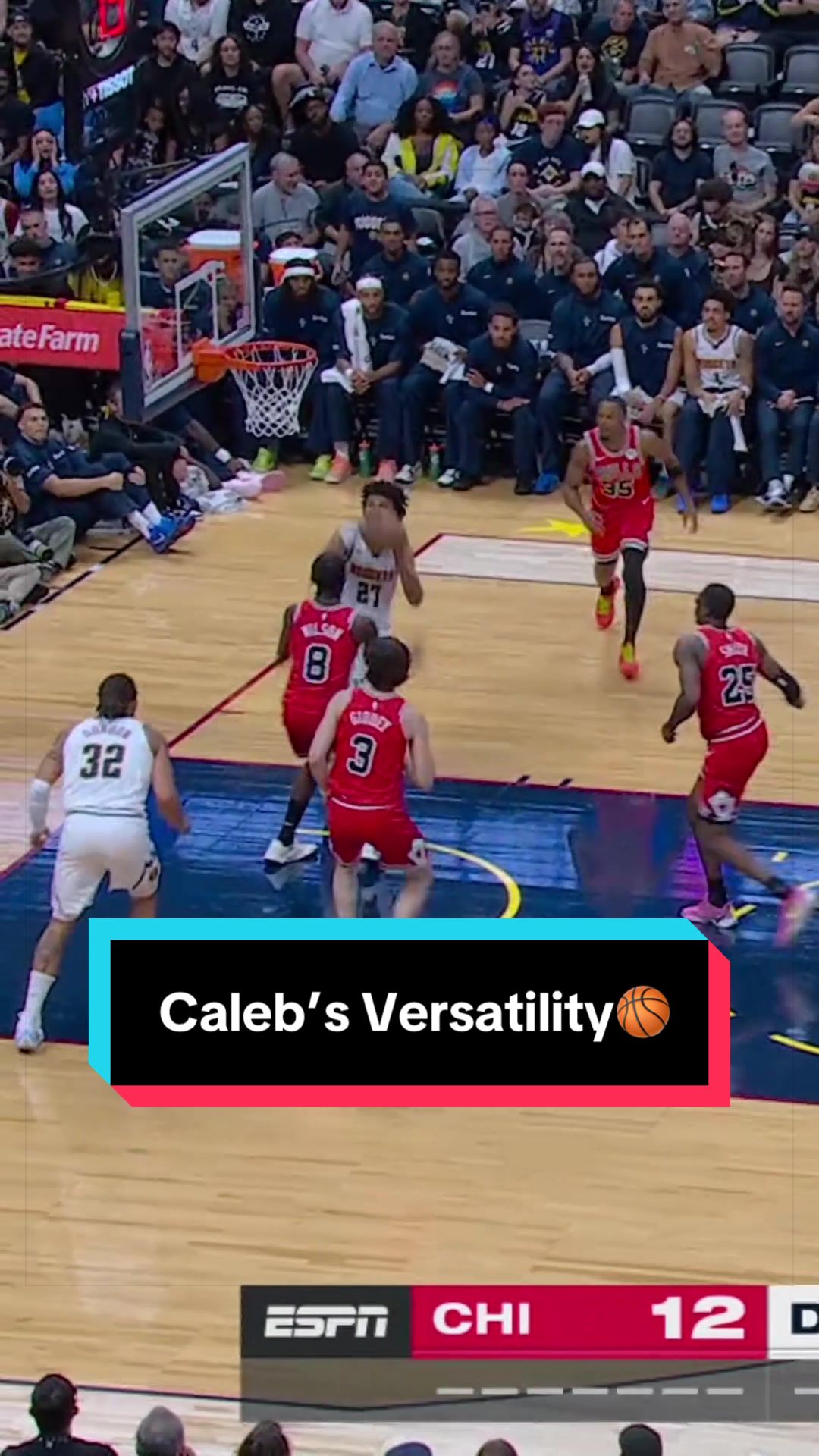
Caleb Wilson putting his skills on display 🍿


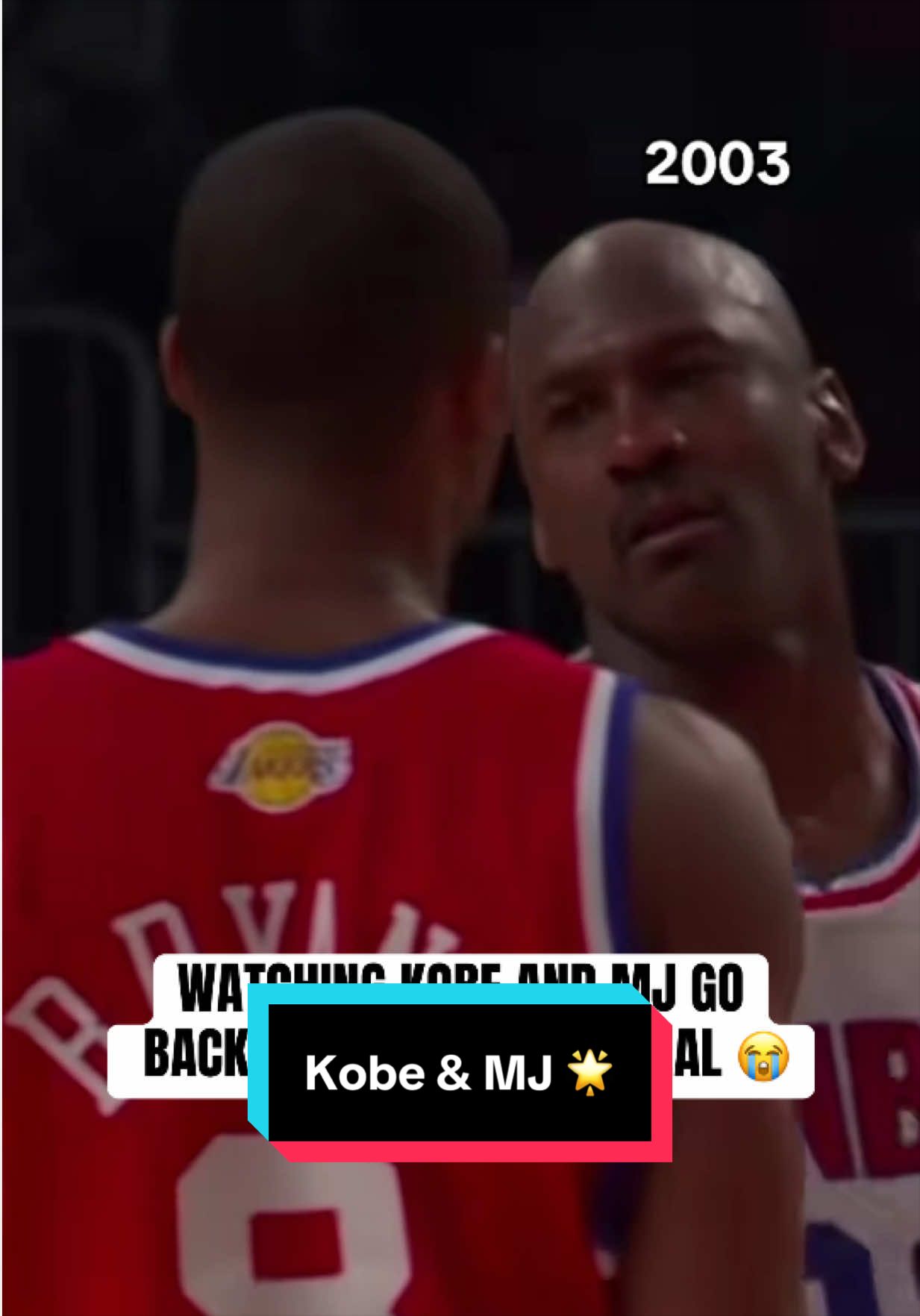
Icons together at the 2003

Where it all started 🤩 No wonder he loves the three ball 🏀🔥
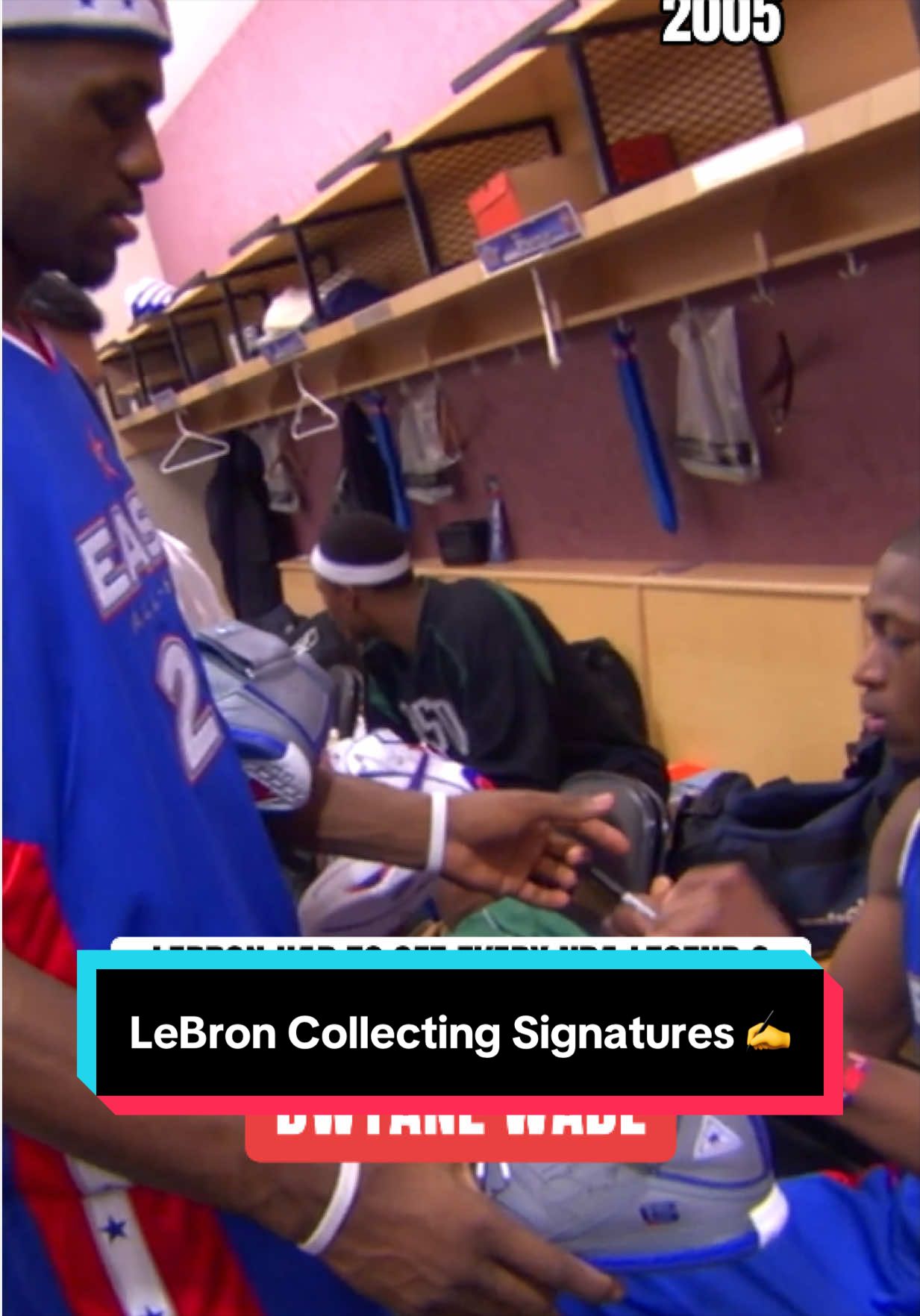
LeBron was collecting signatures in his first
She’s got it down 🙌
Spida saw the opportunity and took it 🔥
Donovan Mitchell with a little misdirection before draining the middy 🔥
 Links
Links
 Contact
 App
App


