



Wembanyama reflects on finals defeat: This is the most valuable lesson I've ever learned; inconsistency in performance led to the loss.


On June 14, Beijing time, the Knicks beat the Spurs 4-1 to claim the championship. A dejected Wembanyama, making his first Finals appearance, failed to win the title and later took questions from the media.
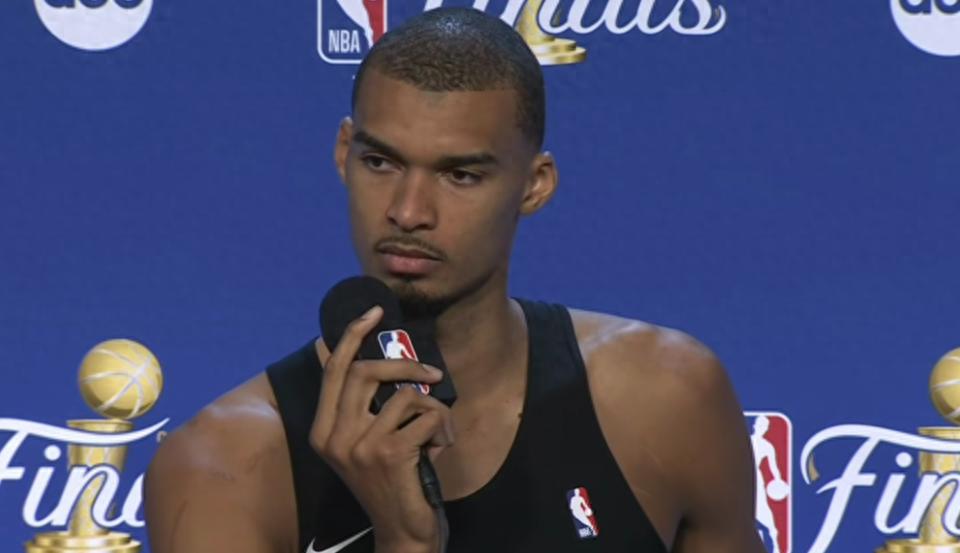
Reporter: The hard-fought series is now over. How does it feel to watch the opposing team lift the championship trophy and celebrate on your home floor? Will this serve as a driving force for you and the team moving forward?
Wembanyama: This is an unprecedented experience and the lesson that has taught me the most in my life. I can't yet articulate exactly what I've learned, but every one of us has genuinely taken something from it. This journey has contributed more to my growth than anything else before.
Reporter: In your three years in the league, you've experienced ups and downs. Now you've reached the Finals and tasted this kind of defeat. How do you think all of this will shape your mindset going forward?
Wembanyama: All these experiences will be etched into us. They define our team, reveal our true character, and enrich our journey. In terms of growth and development, this year has been unforgettable. In just one playoff run, one season, and the past year and a half, we've accumulated a peak level of experience. The road has been tough, but it has taught us so much.
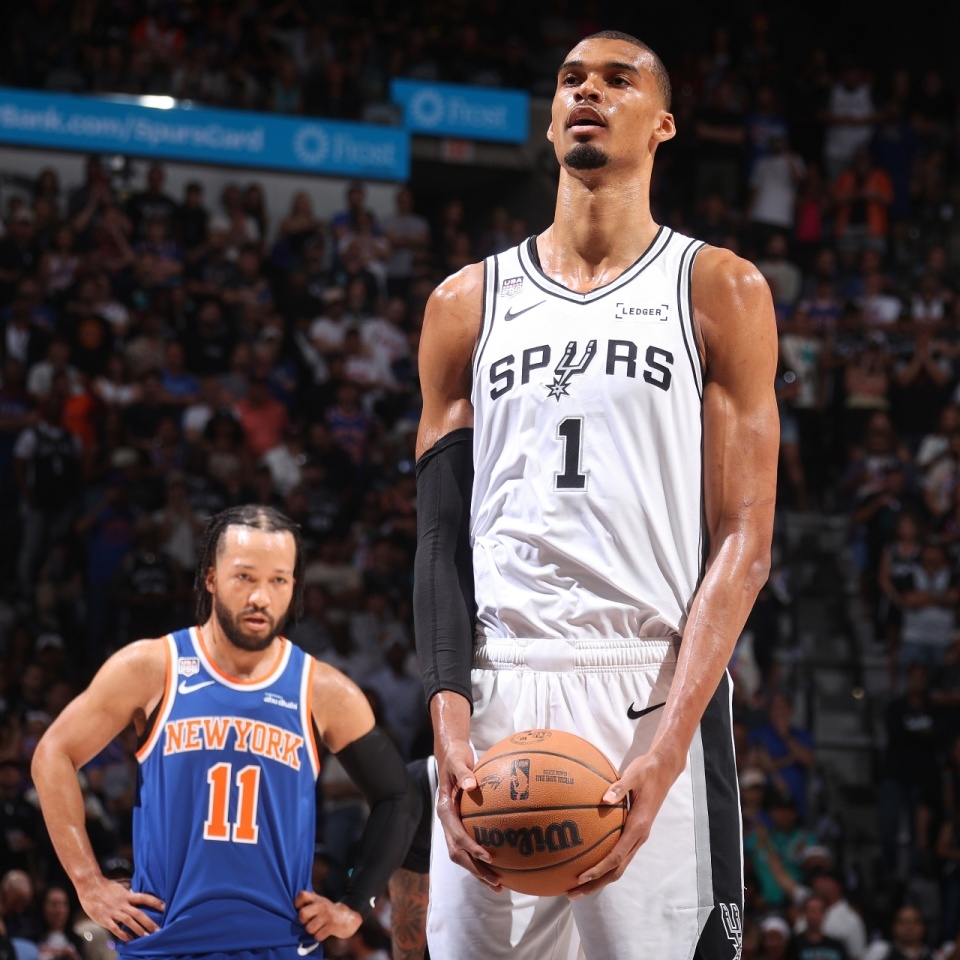
Reporter: I know it might still be hard to fully process the emotions right now. Over this offseason, which images from these past few games, these months, and the entire season will stay with you the most and become a focus for you as you prepare for next season?
Wembanyama: Definitely. I feel a deep sense of unwillingness because to return to the Finals again, we'll likely have to play over a hundred more games. I can't express this feeling precisely in English, but I'll keep it deep in my heart, stay grounded, and give my all in every upcoming game, step by step. Wins and losses will sort themselves out, but what truly drives us forward is our inner desire.
Reporter: Looking back at the opponents you've defeated along the way, your team always managed to rally from tough situations. After battling the Knicks in the Finals, what new insights have you gained about the difficulty of winning a championship? The opponents kept adjusting their strategies, and Brunson could consistently score regardless of the situation.
Wembanyama: The biggest takeaway for me is that there is almost no margin for error in the Finals. For most of the series, we had firm control of the game and held a clear advantage. But once we made a mistake, the opponent punished us severely. We can no longer afford to have fluctuating performance; inconsistency in our play is exactly why we lost the series.
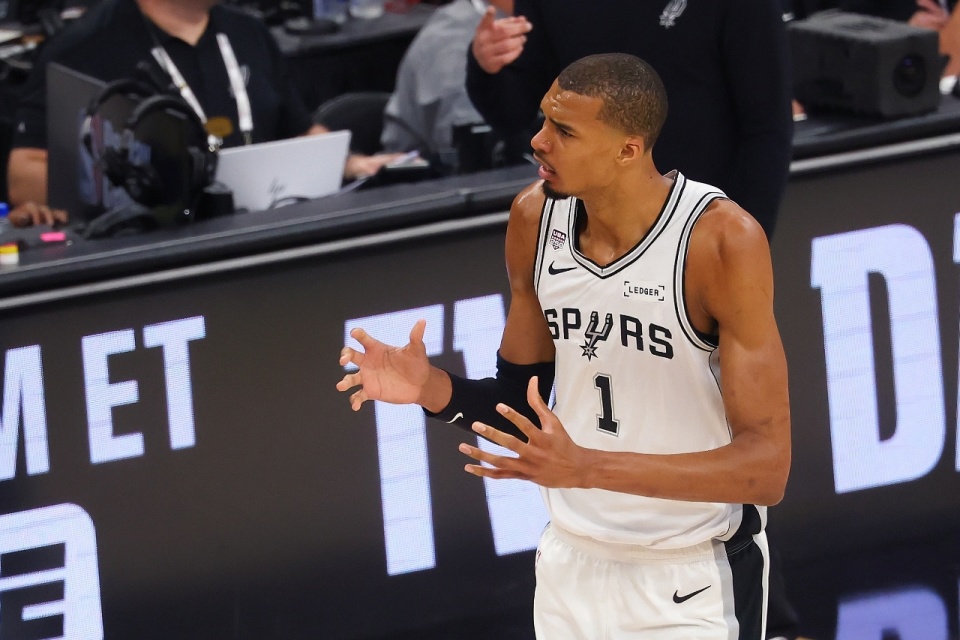
Reporter: It took Jordan seven years to win a title, LeBron nine, and Jerry West waited twelve. Even for legendary figures, championship success is never instant. When you give everything for your goal but have to accept that winning a championship requires a long buildup, how hard is it to come to terms with?
Wembanyama: It's truly hard, and it doesn't feel good. But I won't run away from it; instead, I'll turn this regret into motivation. I believe the legendary players I just mentioned would never be satisfied with early exits or even missing the playoffs, and I'm similarly unwilling to stop here. As I said, this is the most important lesson of my life, and for the entire team, this experience is invaluable training.
Reporter: After this Finals loss, which areas are you most eager to improve during the offseason? What growth goals have you set for yourself both on and off the court?
Wembanyama: I will definitely train twice as hard to make my competitive state more consistent and enduring. The most important thing is to keep a clear mind and stay focused on the game at all times. Take Brunson, for example—his ability to control the game is impressive. I often played too passively and failed to dictate the pace of the game as I wanted, which was also one of the reasons for our loss. Throughout the five-game series, the flow of each game was almost identical. We kept making mistakes, and the opponents always found ways to capitalize and deal heavy blows.


Wonderfulshortvideo
Caleb Wilson putting his skills on display 🍿


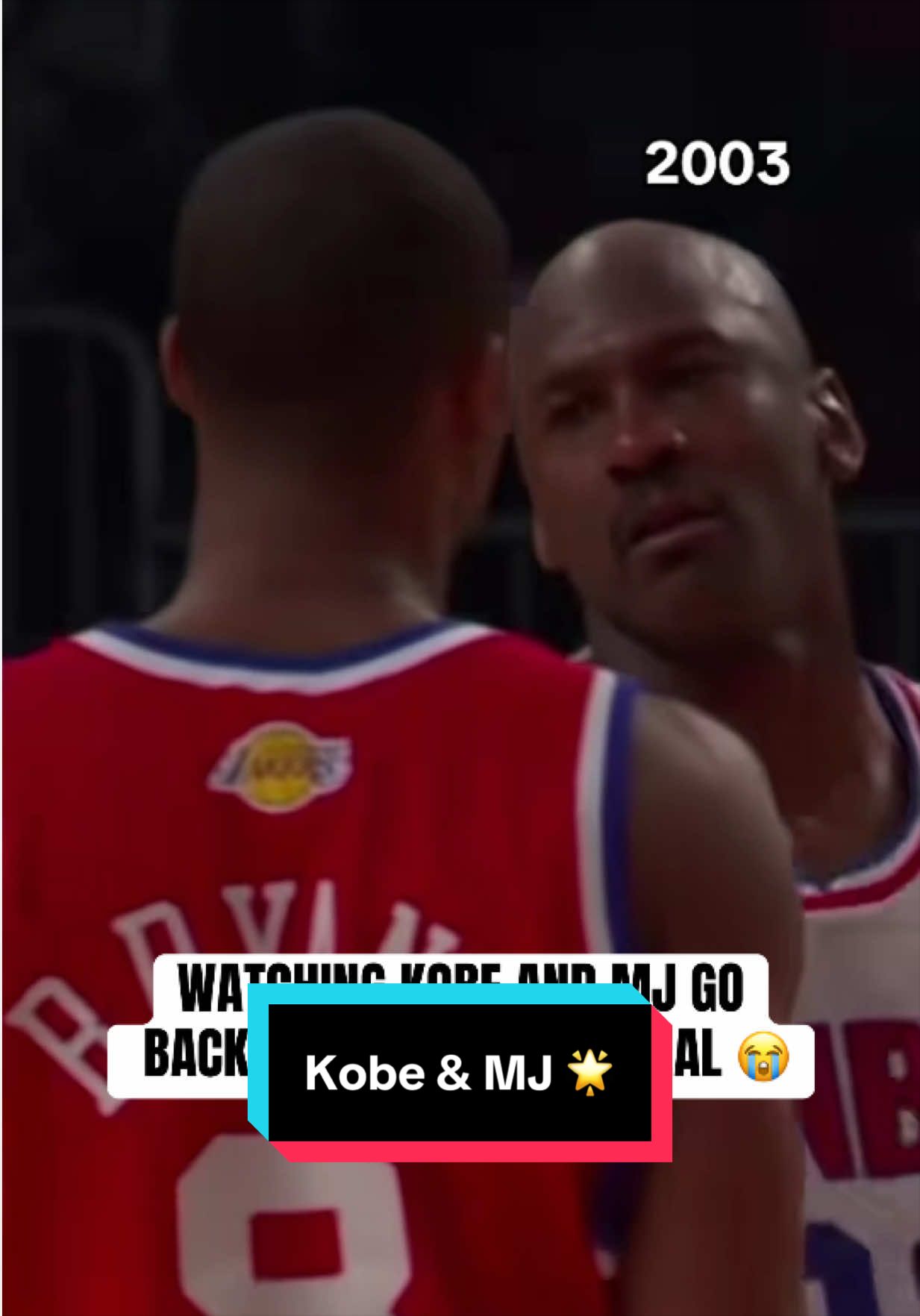
Icons together at the 2003

Where it all started 🤩 No wonder he loves the three ball 🏀🔥
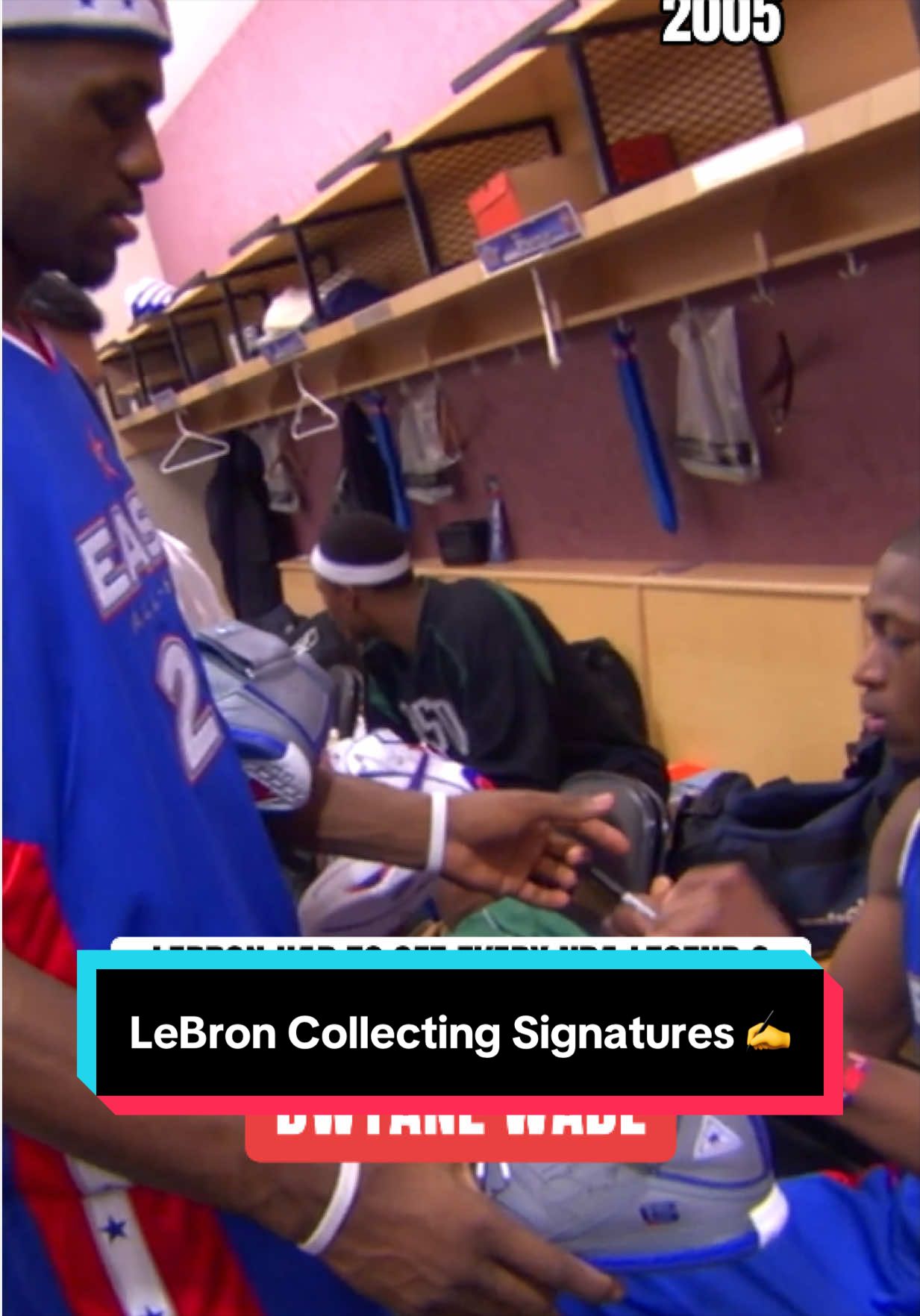
LeBron was collecting signatures in his first
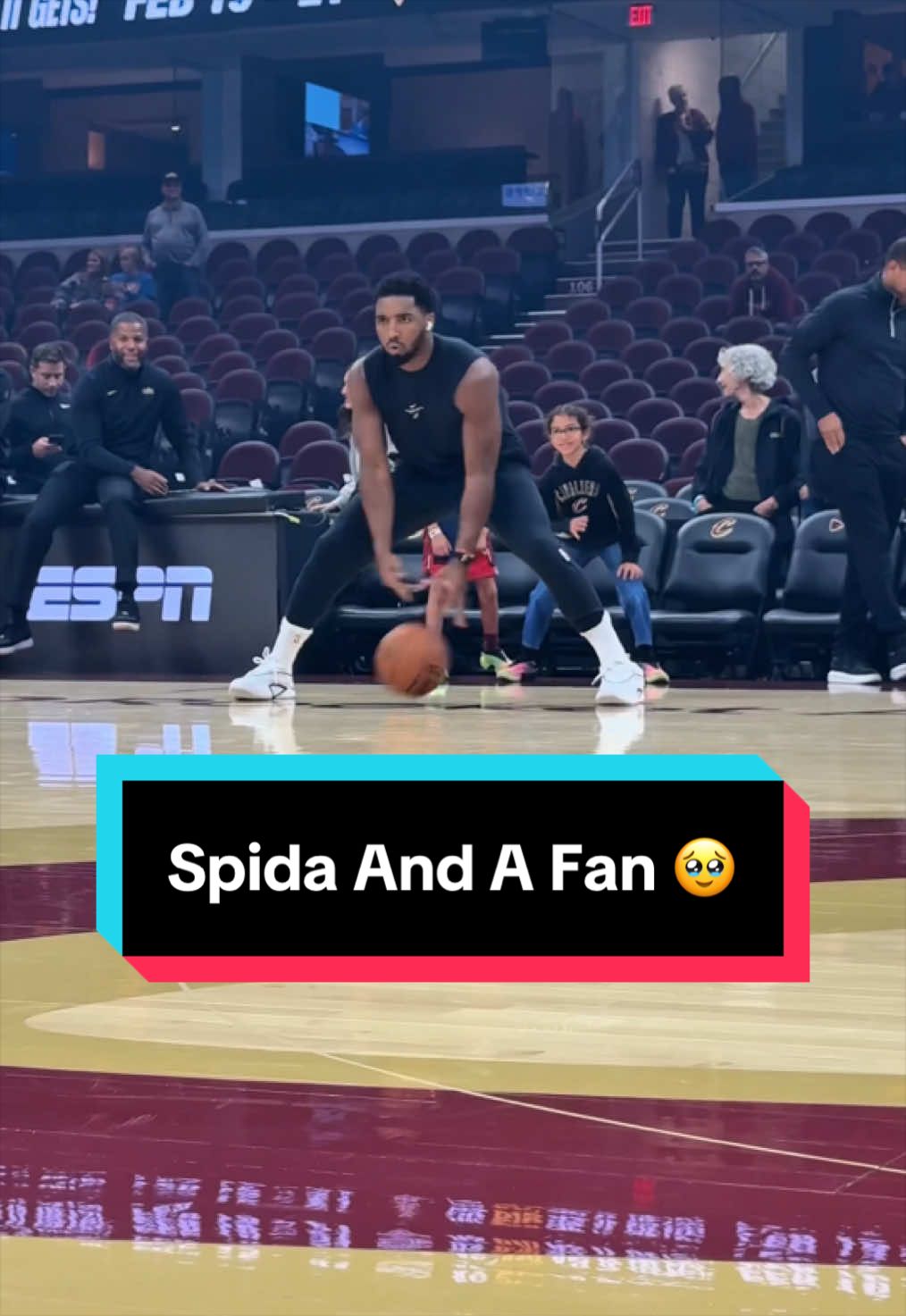
She’s got it down 🙌
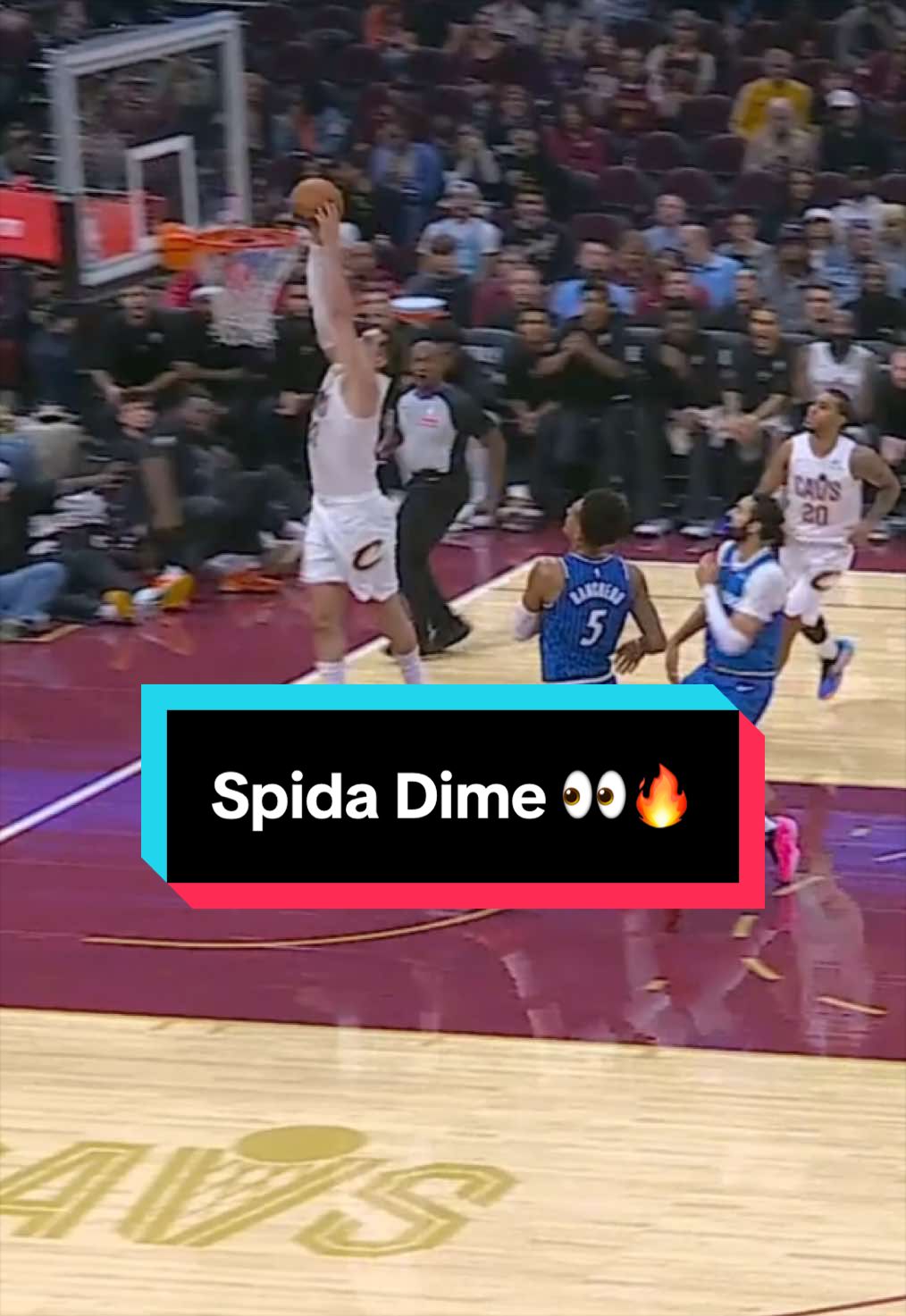
Spida saw the opportunity and took it 🔥
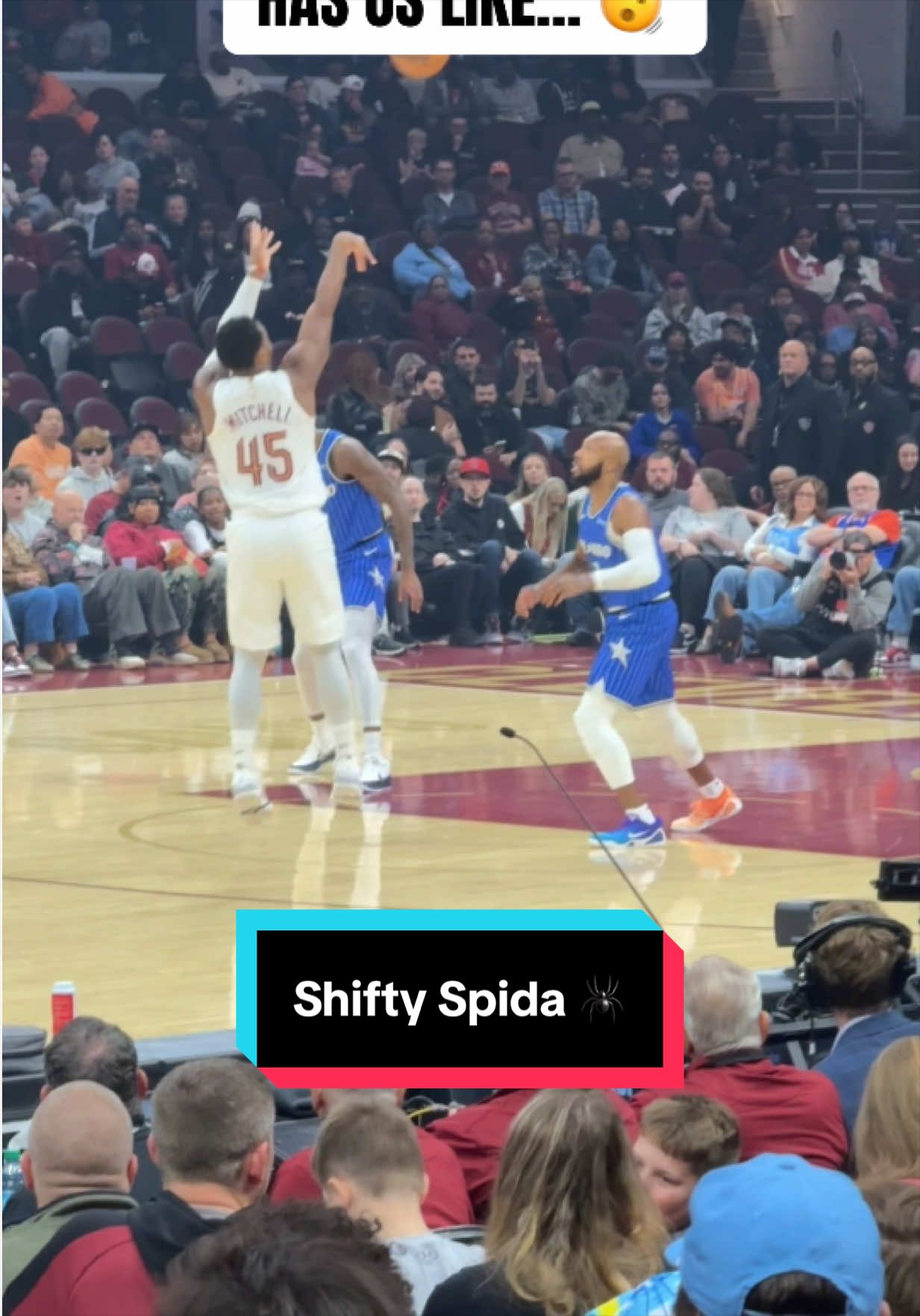
Donovan Mitchell with a little misdirection before draining the middy 🔥
 Links
Links
 Contact
 App
App


