



After 53 years of waiting! Knicks are champions! Brunson is Finals MVP!



The NBA Finals are over.
The Knicks beat the Spurs 4-1 to win the NBA championship for the first time in 53 years.
Regarding the Spurs' problems, yesterday's tweet already explained them clearly.
In these five games, the Spurs held leads of 14, 12, 12, 29, and 16 points, and today only served as further proof: Are the Spurs lacking just a tiny bit?
Another season has ended. This closing post is only for Brunson, a warrior I once doubted.
More explosive and inspiring than New York ending a championship drought of over half a century is Brunson rewriting the NBA's underdog story once again.
Following Jokic, he becomes another second-round pick to win the Finals MVP award in the league.
In 41 minutes, he shot 14 of 27 from the field, 4 of 7 from three, and 13 of 15 from the free-throw line, scoring a game-high 45 points along with 3 rebounds, 3 assists, and 2 steals, with 29 points in the second half.
Averaging 32.6 points, 4.2 rebounds, and 4.6 assists in the Finals, pure individual heroism.
A truly great player is not defined by how well he performs in favorable situations, but by how much responsibility he takes when facing adversity.
The refs won't let us win? Then I'll win it myself.
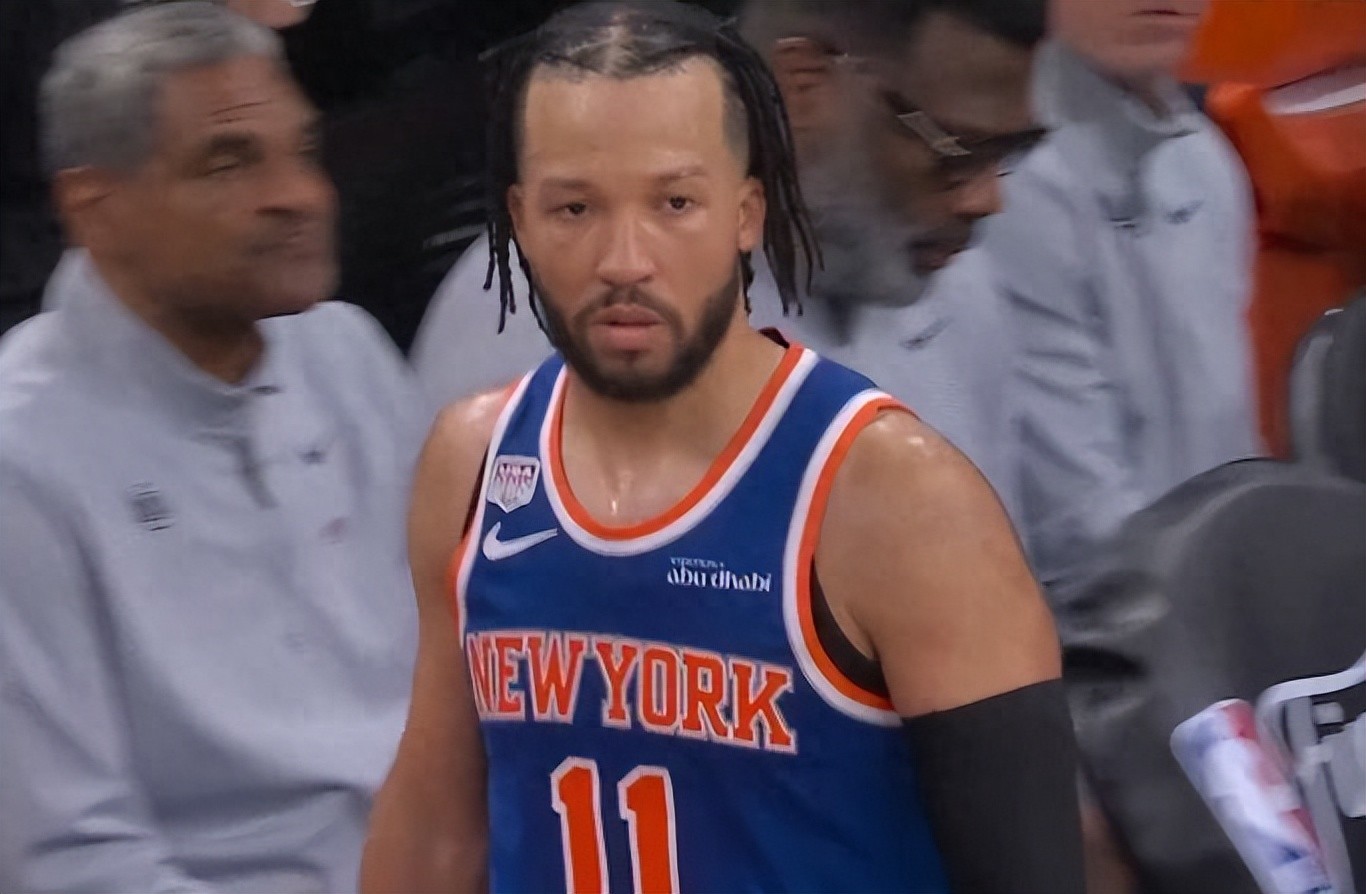
A short guard once rejected by all scouts, written off by public opinion, and labeled as lacking talent and unable to survive, has fiercely rebutted all prejudices with an ultimate championship journey.
A couple of days ago, when asked by reporters about being undervalued in the draft, the usually low-key and calm Brunson showed his edge for the first time, speaking firmly: "In every aspect."
Looking back at Brunson's basketball path, from being the national top point guard in college to falling to the second round of the draft, from a neglected fringe player to the core of the New York team.
Every step of his underdog rise is the most powerful rebellion against a league that prioritizes talent above all.
The 2018 NBA draft was widely recognized as a super strong class, often called a golden generation.
Luka Doncic, Deandre Ayton, and a host of exceptionally talented young players emerged, securing lottery picks early on with their explosive physical attributes and standout on-court talent, becoming the future focus of development.
In contrast to these gifted teenagers around 19 years old with limitless potential, Brunson at that time seemed out of place, even though his college resume was brilliant enough to surpass most rookies in his class.
Logically, such a championship core player and national player of the year should have been highly sought after in the draft, comfortably landing in the early first round.
But the logic of the NBA draft has never been solely about immediate production; talent and potential are the core criteria scouts use to evaluate players, and that is precisely where Brunson's fatal weakness lay.
Being 21 years old at the time of the draft cost him any age advantage.
If age was just a negative factor, then his defensive shortcomings were the fatal blow that sent him to the second round.
Brunson is only 1.85 meters tall. In the NBA, where giants roam and physicality is intense, this height is a natural disadvantage. Scouting reports mercilessly labeled him a defensive liability.
Once prejudice takes hold, it spreads endlessly.
At the time, all league scouts were trapped in a fixed mindset: a short guard without elite physical gifts was destined never to survive long in the high-intensity NBA.
Back then, many insiders even stated bluntly that all of Brunson's highlights in the NCAA were due to the Villanova system, suggesting that the system made him, not the other way around.
Once removed from the familiar tactical environment and entering the professional league with elevated competition, he would inevitably be exposed and unable to hold his own.
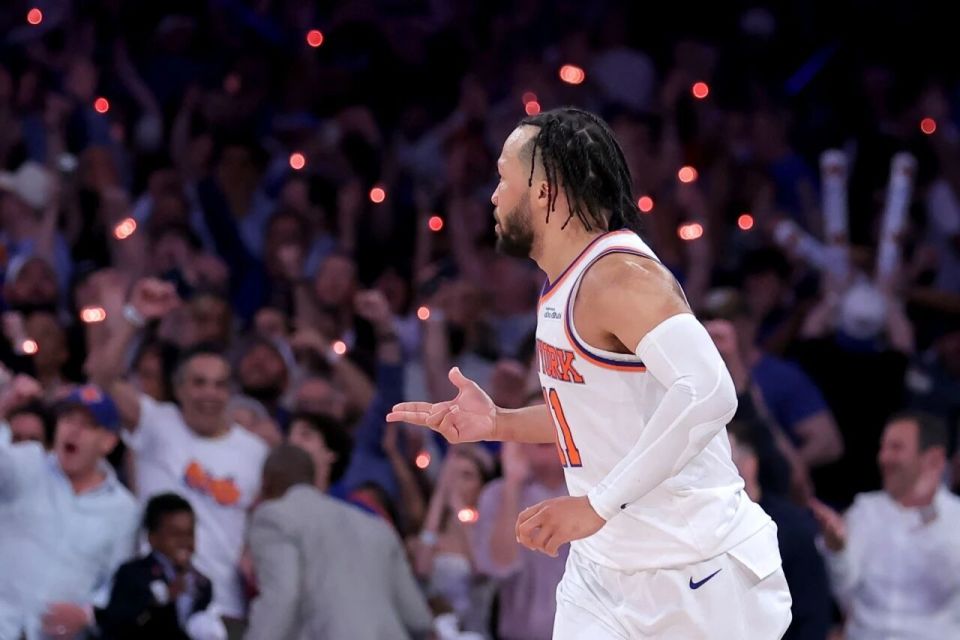
Before the draft, his mock draft position was consistently in the first round.
But as the draft approached, doubts intensified, and his stock plummeted, eventually being selected with the 33rd pick in the second round.
Such a drop would crush the confidence of most players.
Even Brunson's father, Rick Brunson, years later recalling that scene, was still filled with emotion.
He confessed that after the draft, many of his friends joked and teased:"If this kid can survive in the NBA, it would already be a miracle."
But everyone underestimated the stubbornness and ambition of this short guard.
After years of laying low and maturing, Brunson this season finally experienced the ultimate blossoming of his career.
He led the Knicks through thorns and thistles, overcoming every challenge, ending the team's 53-year championship drought and ushering in a new era for New York basketball.
On the Finals stage, facing fierce opponents ganging up on him, he shouldered the team's offensive burden and claimed the FMVP trophy without any doubt.
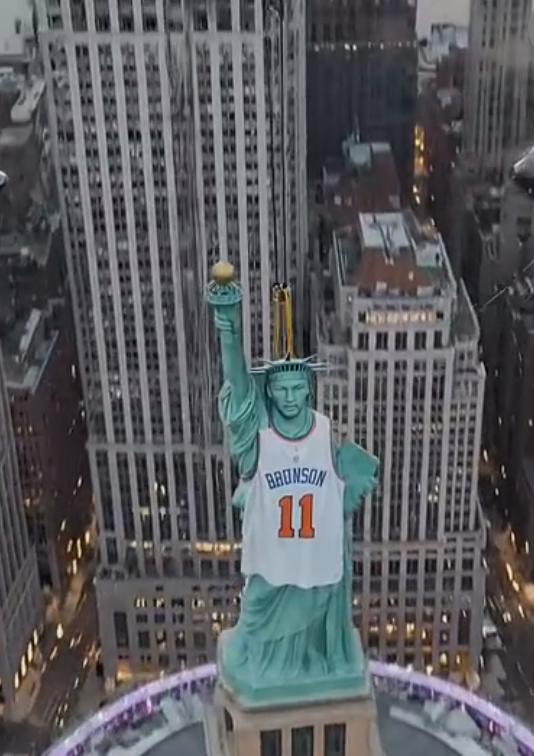
All the praise is in this picture.


Wonderfulshortvideo
Cuteness overload 😭 ❤️


These Bones Hyland handles 🤯
User ceshi has posted a video.
Caleb Wilson putting his skills on display 🍿
Icons together at the 2003
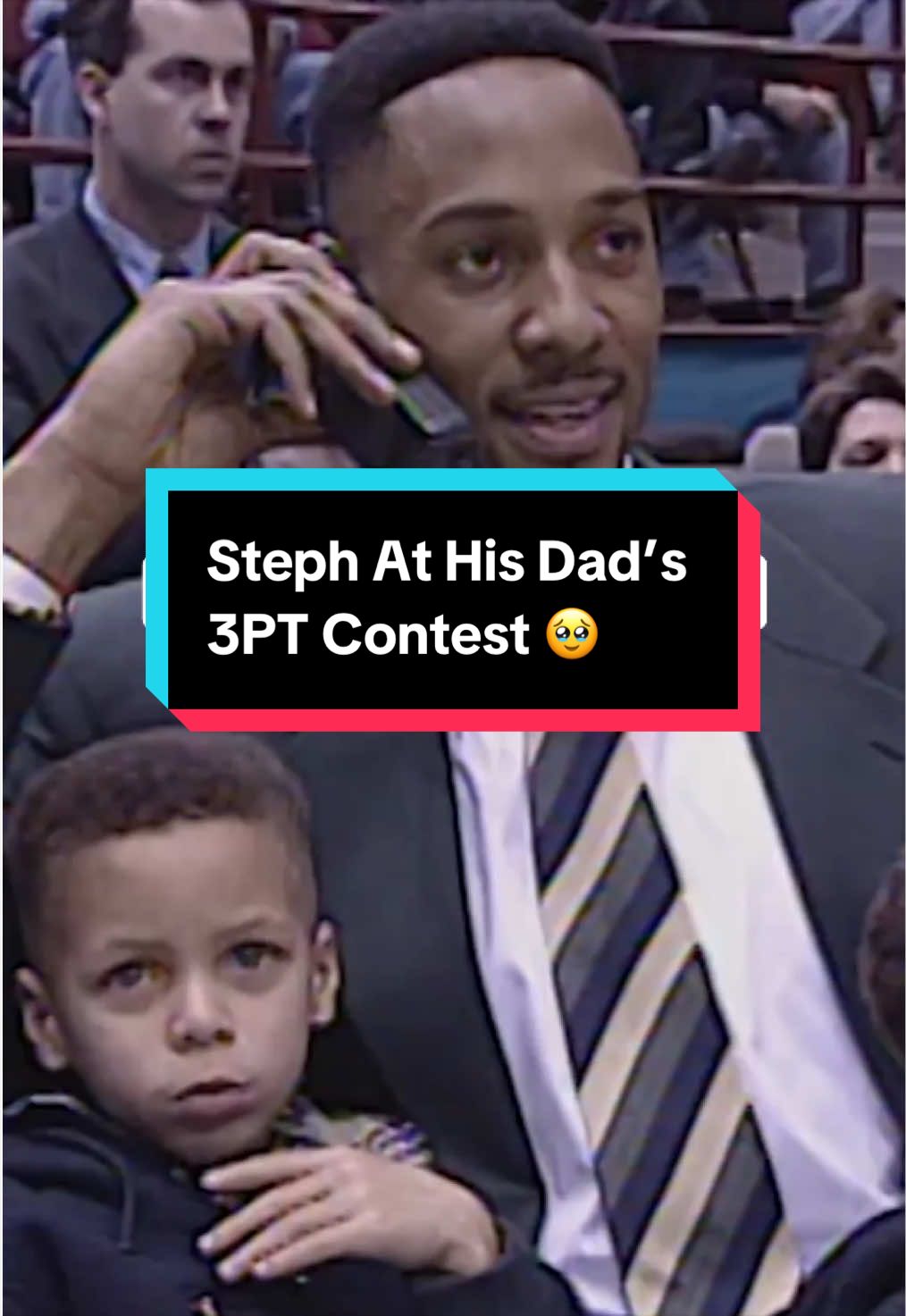
Where it all started 🤩 No wonder he loves the three ball 🏀🔥
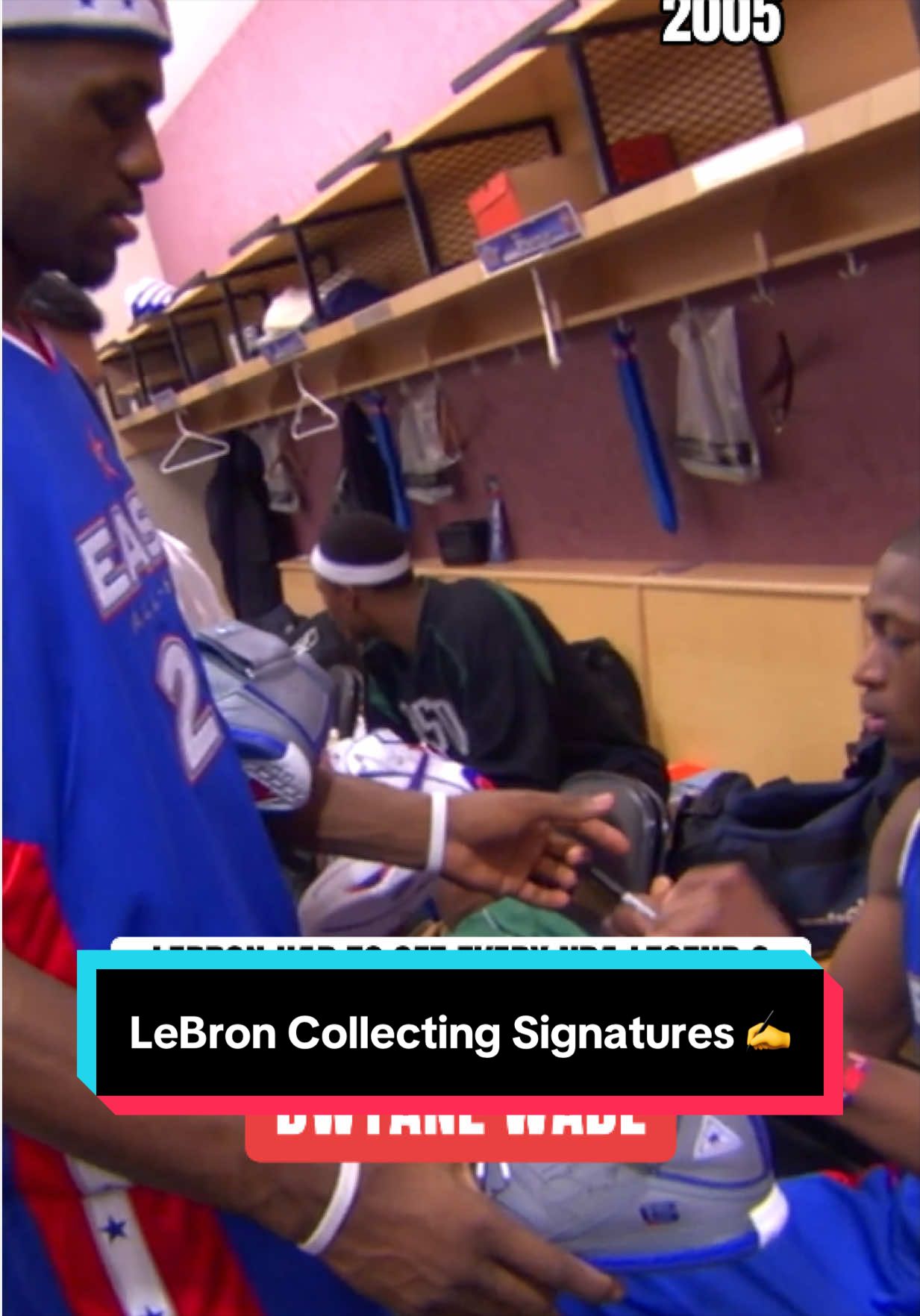
LeBron was collecting signatures in his first
 Links
Links
 Contact
 App
App


