



The first lesson of losing the Finals is to accept defeat.



As the final buzzer rang out, OG threw the ball high into the sky. Wembanyama, having missed the season's final three-pointer, spun around and exited the court swiftly, following the downcast Spurs players into the tunnel. Only head coach Mitch, the coaching staff, and Kornet stayed on the floor to pay tribute to the opponents.
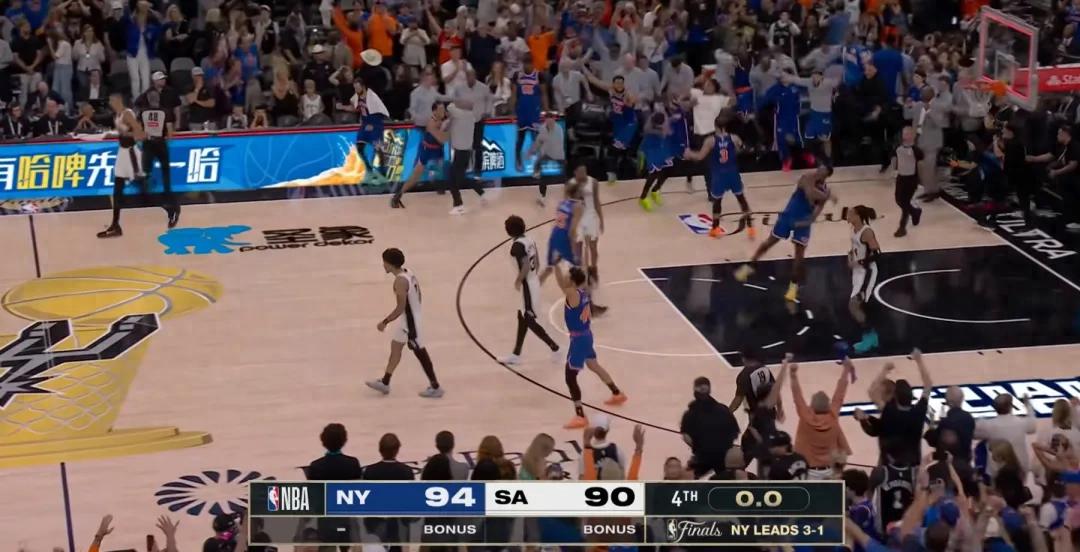
Naturally, everyone can empathize with the young players' frustration, but paying respect to the opposition is still part of the game. The Knicks are a team worthy of respect from their opponents—they won fair and square, receiving little favoritism from the referees throughout the entire Finals. In fact, one could say the Knicks were clearly at a disadvantage in terms of officiating.
Without mentioning the first four games, the officiating in the third quarter of yesterday's Game 5 was shocking. Under the league's strict emphasis on stepped-on foot actions this season, the referees ignored Wembanyama's foot step on Brunson, stunning everyone. Then, Harper's contact to Bridges' face was also overlooked by the officials.
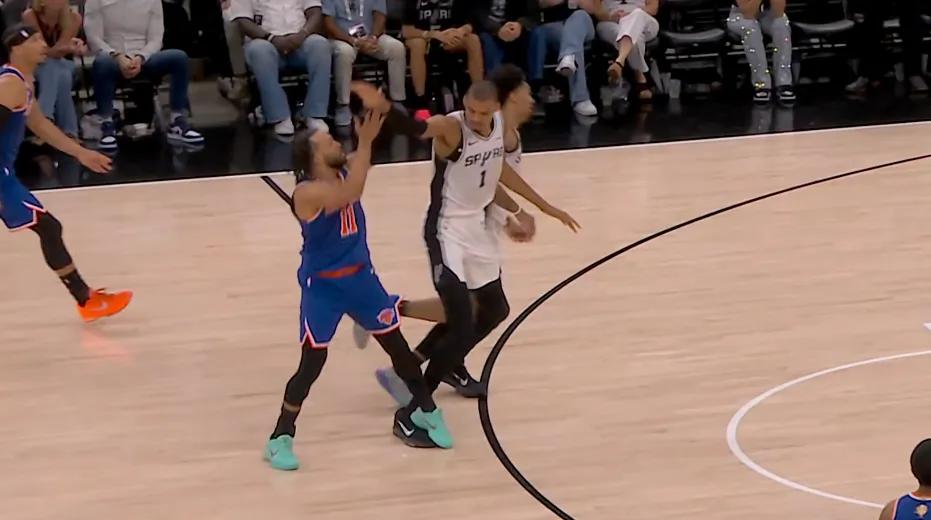
That was the root of the Spurs' momentum shift—the referees essentially altered the course of the game. However, the tenacious Knicks later reversed the situation once again, closing out the Finals on the Spurs' home court.
In reality, from the moment Wembanyama stepped on Brunson's foot, the suspense of the Finals was already over. Even if the Spurs had won yesterday, Wembanyama would inevitably have been hit with a flagrant foul afterward. If he received that flagrant, he would have been suspended for Game 6.
So, when Wembanyama repeatedly fails to restrain his overly aggressive moves, he will eventually pay the price. The Knicks simply didn't let that cost fall squarely on him.
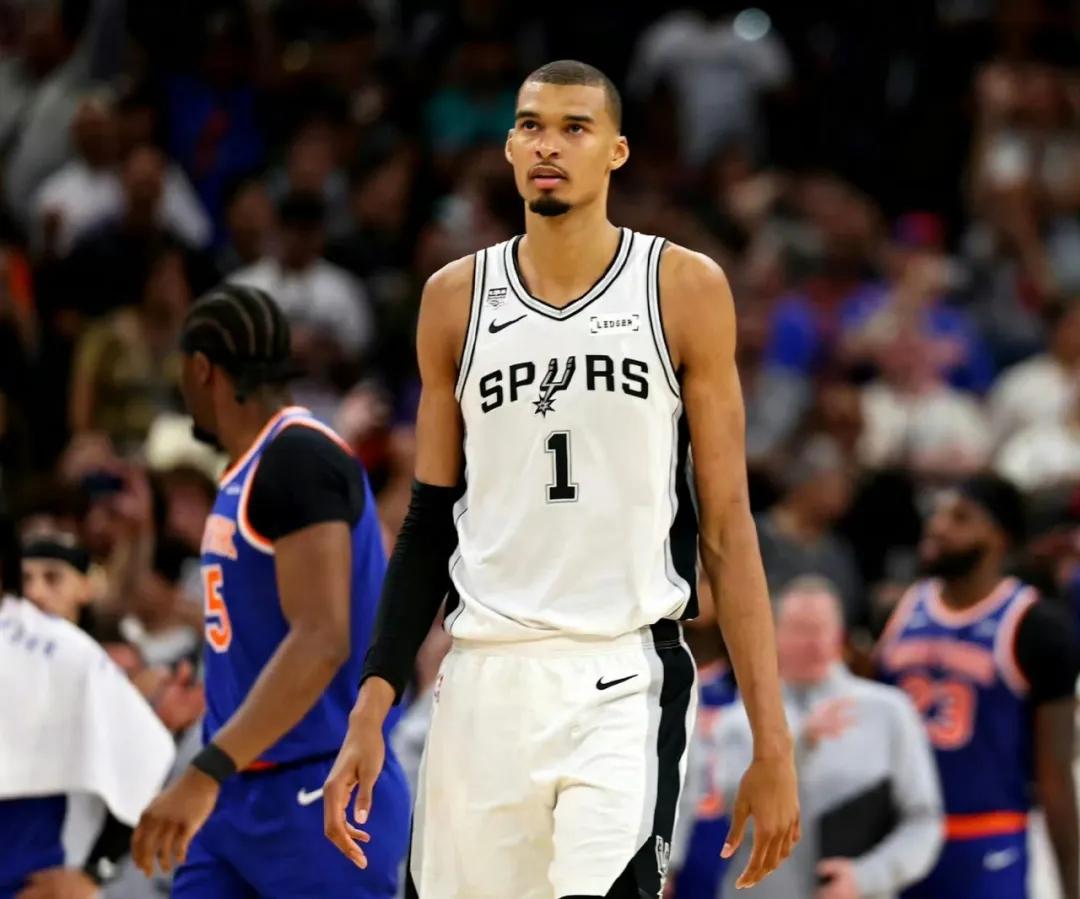
After being down by 29 points in Game 4 of the Finals and then losing, Wembanyama said they hadn't lost to anyone but themselves. Castle echoed similar remarks. That's when I realized this team still hasn't understood what they actually lost to. Acknowledging your opponent is the only way to truly recognize the gap, and the Spurs failed to do that throughout the entire Finals, including now.
The Spurs did hold the lead for most of the time in the Finals, but the series score speaks for itself, and the referees' bias was evident. The Spurs played with impatience throughout the Finals, trying to overwhelm the Knicks in one go in every game. But the Knicks are a tough nut to crack.
The composure they had built up in the first three rounds of the playoffs was completely abandoned amid the praise before the Finals. Fans were optimistic, the media was optimistic, and they themselves were extremely confident—or rather, arrogant. They kept being reversed but never thought the opponent was that strong; they just thought they needed to make fewer mistakes.
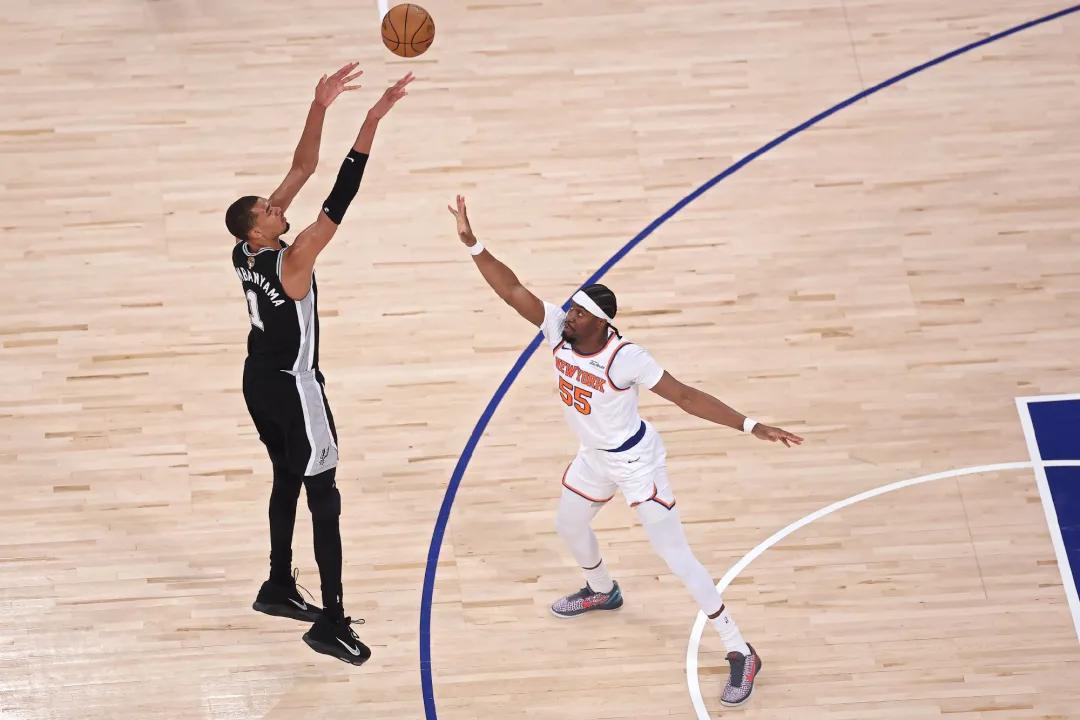
Wembanyama spent most of his time floating on the perimeter, shooting. After making one or two threes, he would keep rewarding himself in the following plays. To put it nicely, it's rewarding himself; but in reality, it's wasteful shooting, squandering the team's offensive opportunities time after time. Why does Wembanyama always disappear in the fourth quarter? Because he never manages his energy, always trying to finish off the Knicks in one burst.
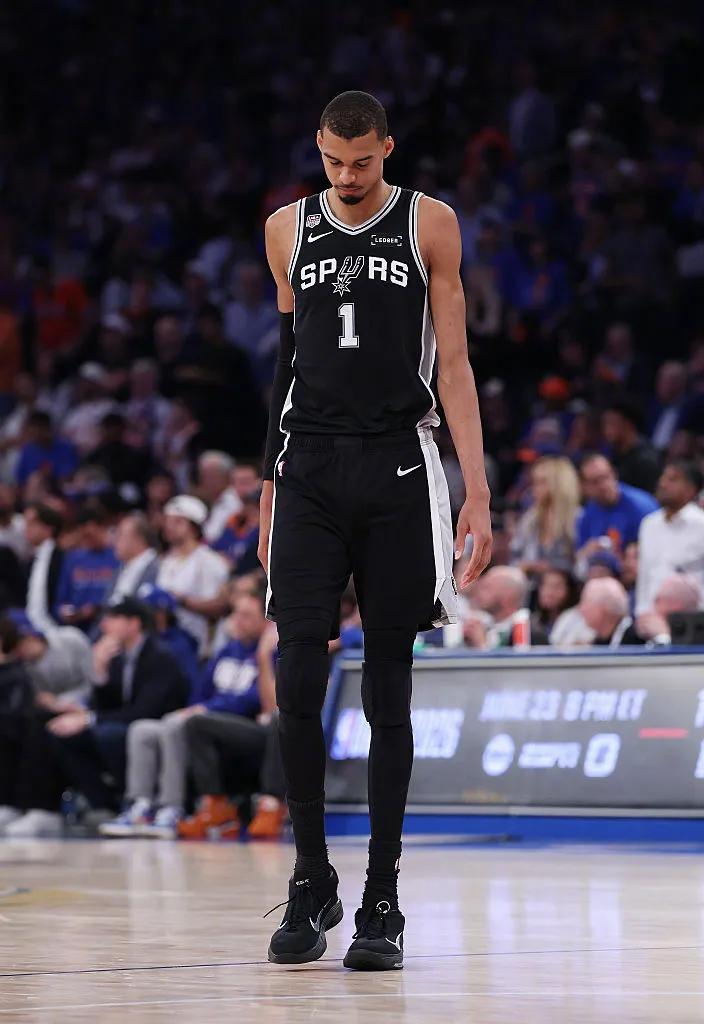
For a group of young players standing on such a stage, an inflated ego is inevitable. They feel like the world is at their feet. Only when they truly lose something do they realize how difficult it is to take that final step before the finish line.
Mitch Johnson maintained his composure. He knew how hard it was for the Knicks to get there, but he didn't remind his players of that. In the coaching profession, he is still too young—this was also his first playoff and Finals experience.
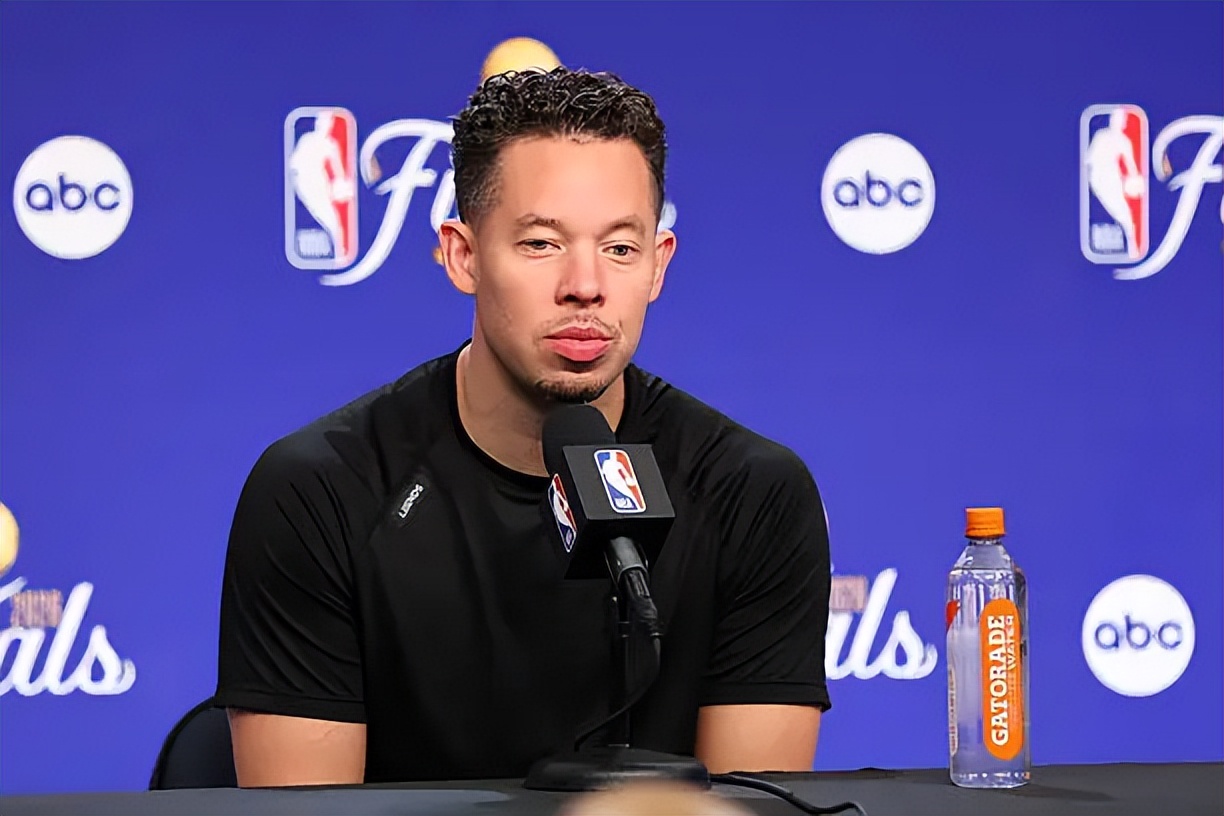
In the 2012 Finals, the young Thunder also made their first Finals appearance and were similarly gentleman-swept 4-1 by the Heat. In the final moments of Game 5, Coach Scott Brooks' words to his players remain classic to this day.
He told his players: "Unfortunately, we didn't achieve our goal this year. We still have a long way to go, but nothing should make you hang your heads. Hold your heads high, keep working as always, get stronger this summer, become better—that's our direction.
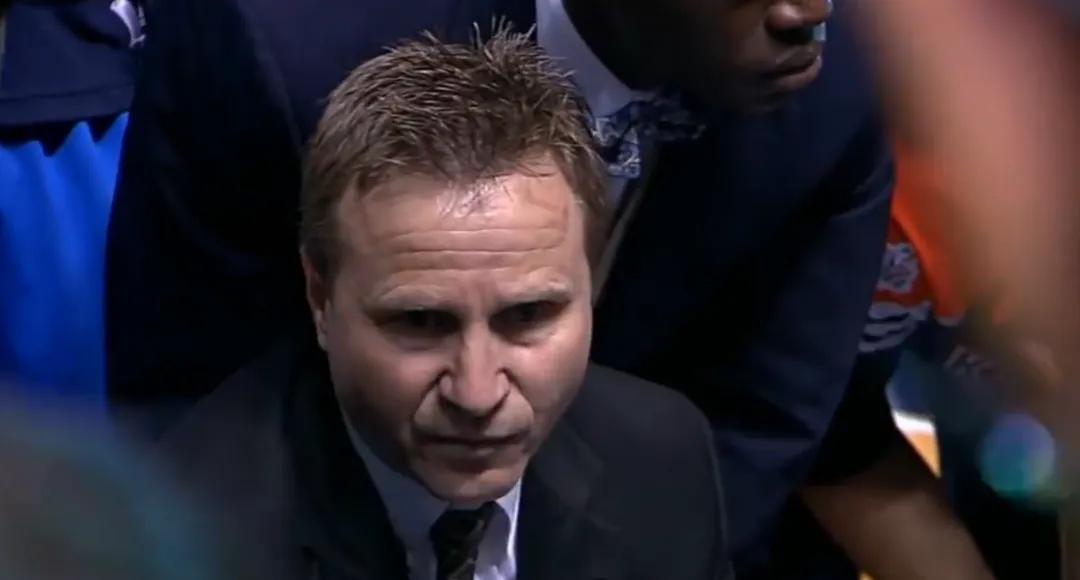
We must stay united. We must play for one another. We must fight side by side like family. Kids, one last thing: after the game, go congratulate the champions. Walk up, shake each of their hands, thank every one of them—they won fair and square. It hurts, but they really did win fair and square.
Give them praise, then go back to the locker room. Kids, you've done an excellent job this year. I didn't work hard enough. I didn't work hard enough."
Those words became classic because Coach Brooks taught the young Thunder about respect and unity. The final line, "I didn't work hard enough," was the most tear-jerking part—he took all the blame, letting the young players hold their heads high and move forward. It's unfortunate that was the last game for the Thunder's Big Three, but Brooks' speech inspired them to carry that lesson forward.
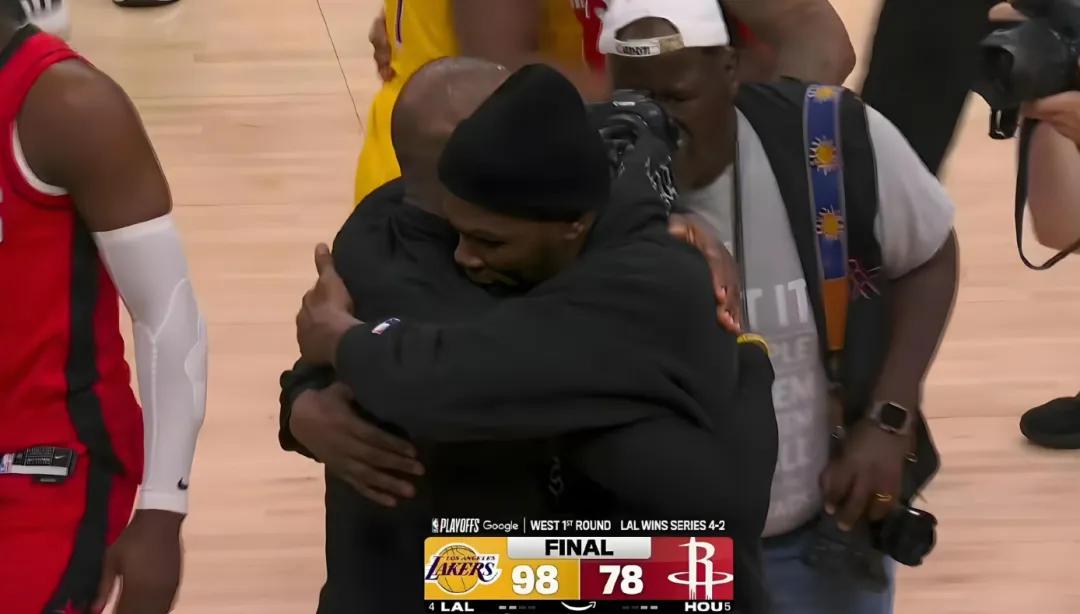
Failure is the eternal theme of the NBA. Even Jordan only won six championships. Failure does not define you; how you respond to failure does. Hold your head high, show respect to your opponents, thank them for teaching you how to win, then become a better version of yourself in the summer—that's the right way to face failure.
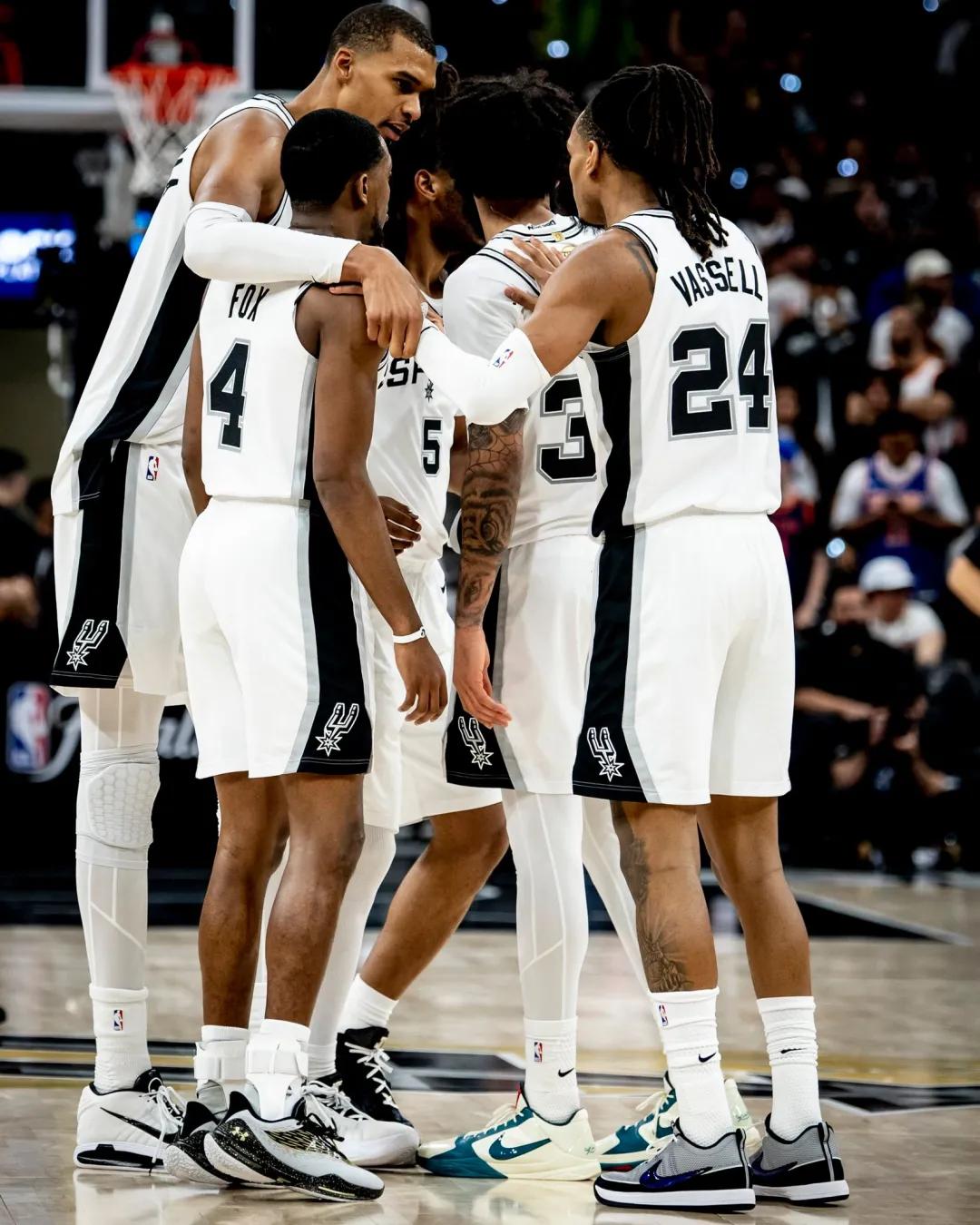
This is not self-denial or surrender to failure; it is the best embodiment of sportsmanship. Win with dignity, lose with grace. Being young and hot-headed is no excuse to ignore this. I hope the young Spurs will realize soon that accepting defeat is the key to growing stronger.


Wonderfulshortvideo
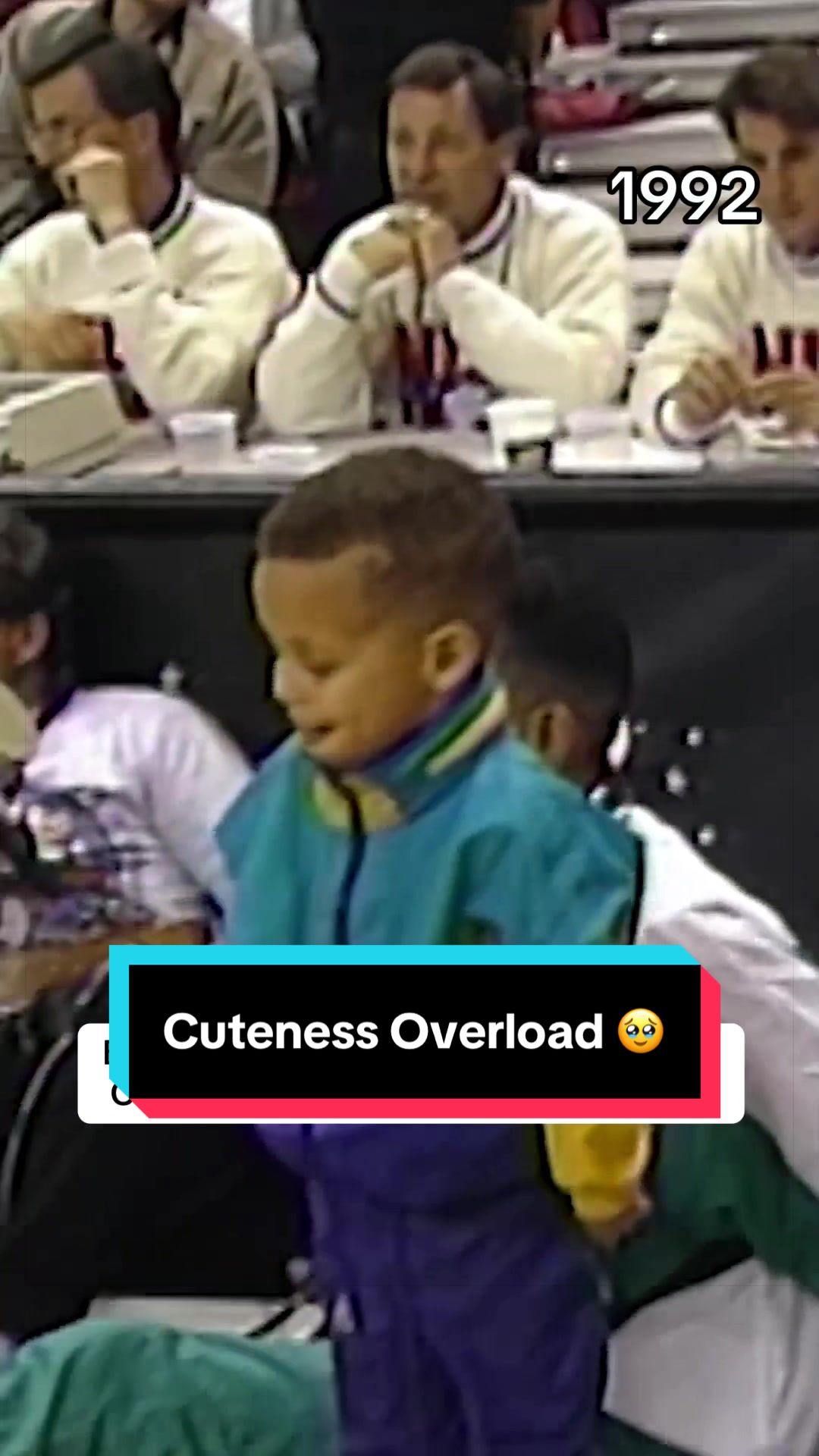
Cuteness overload 😭 ❤️


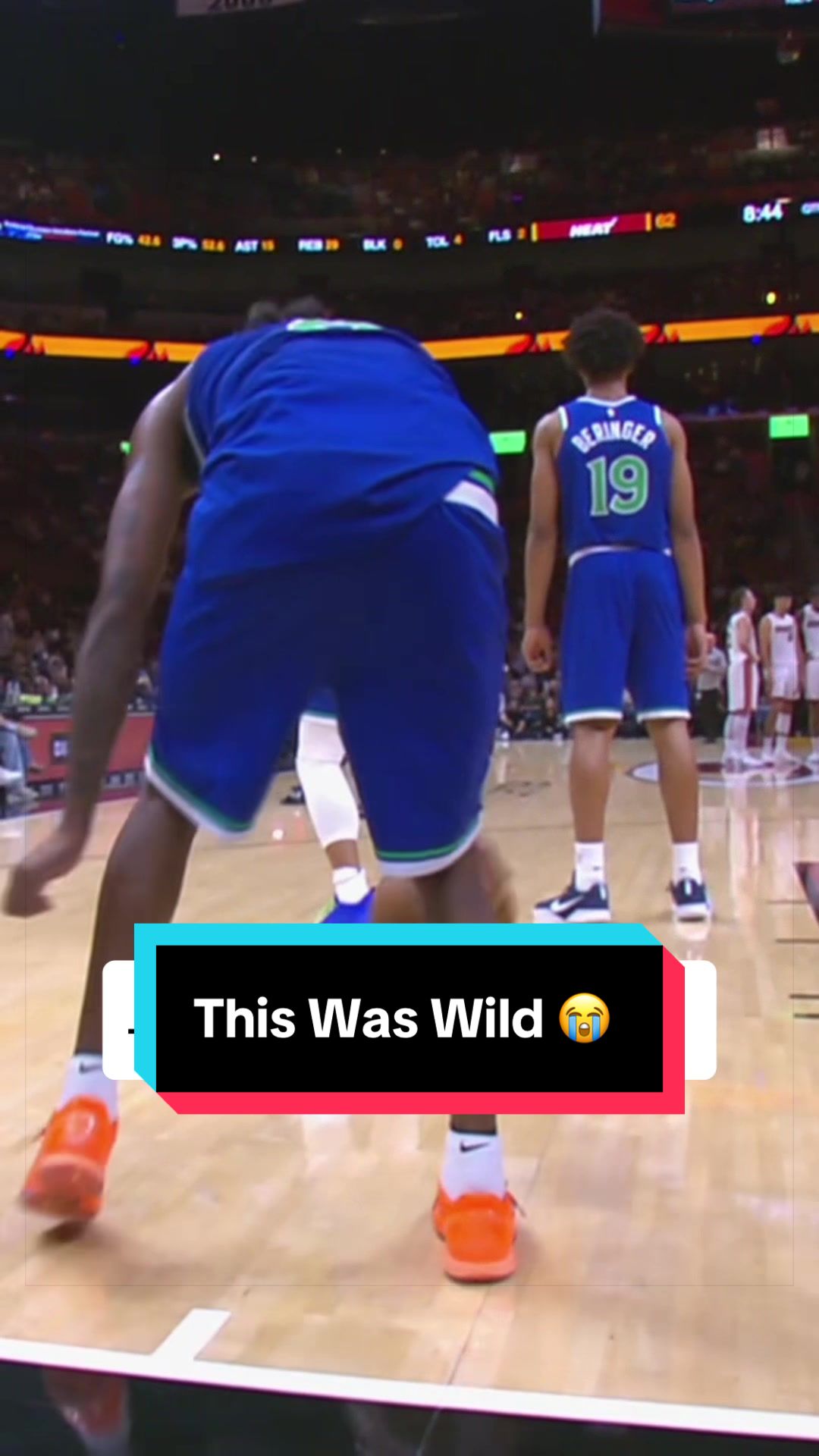
These Bones Hyland handles 🤯
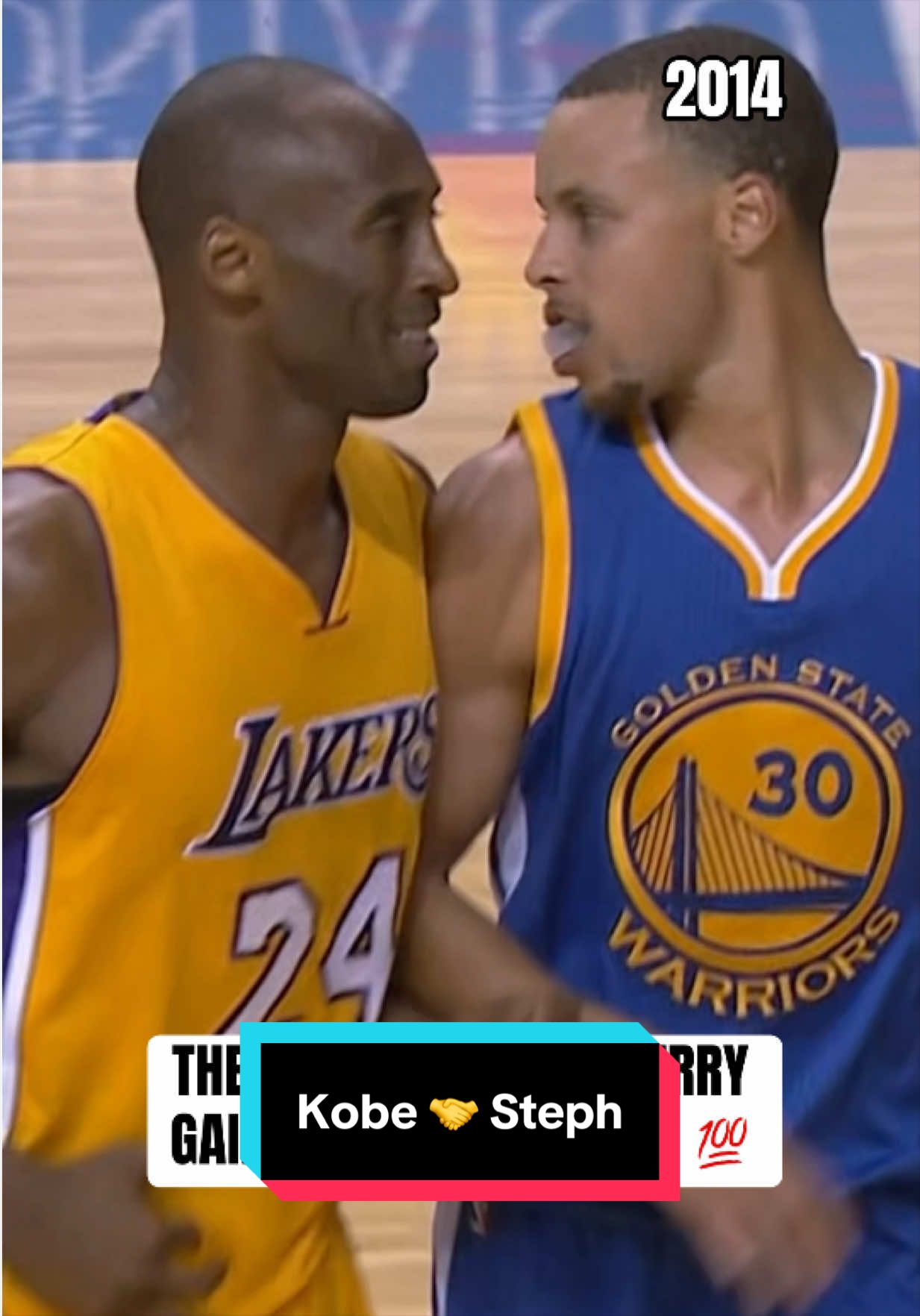
User ceshi has posted a video.
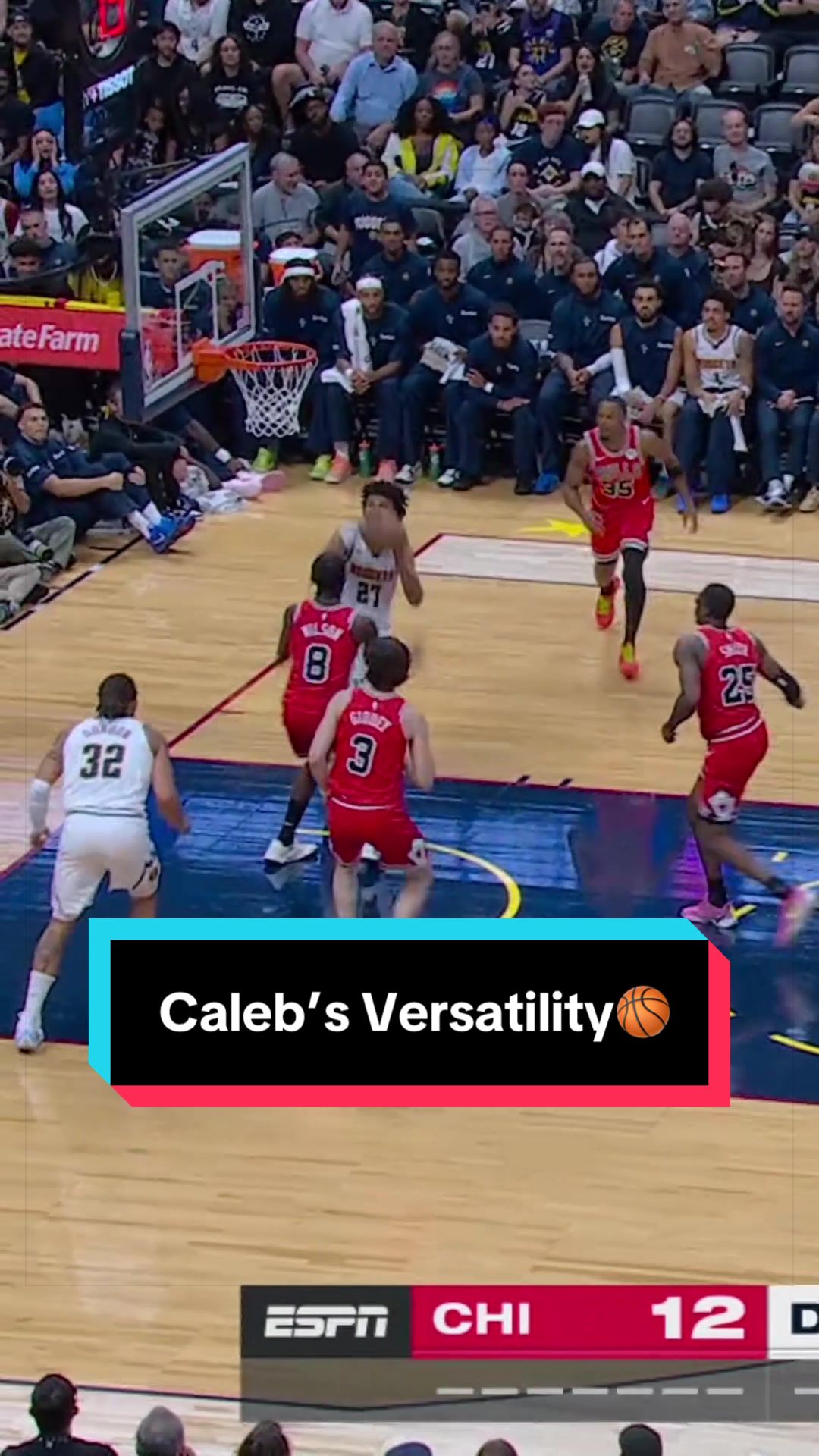
Caleb Wilson putting his skills on display 🍿
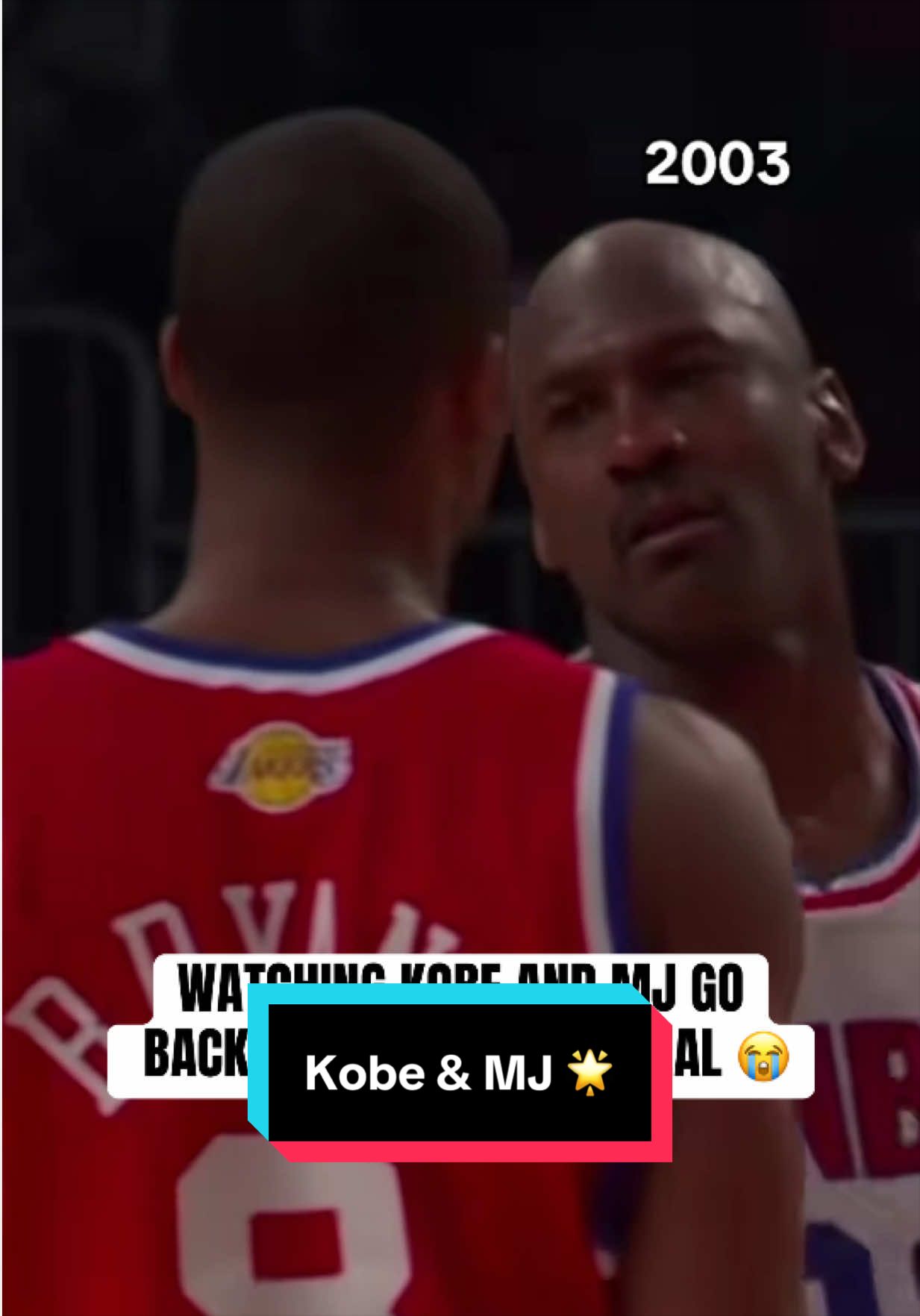
Icons together at the 2003
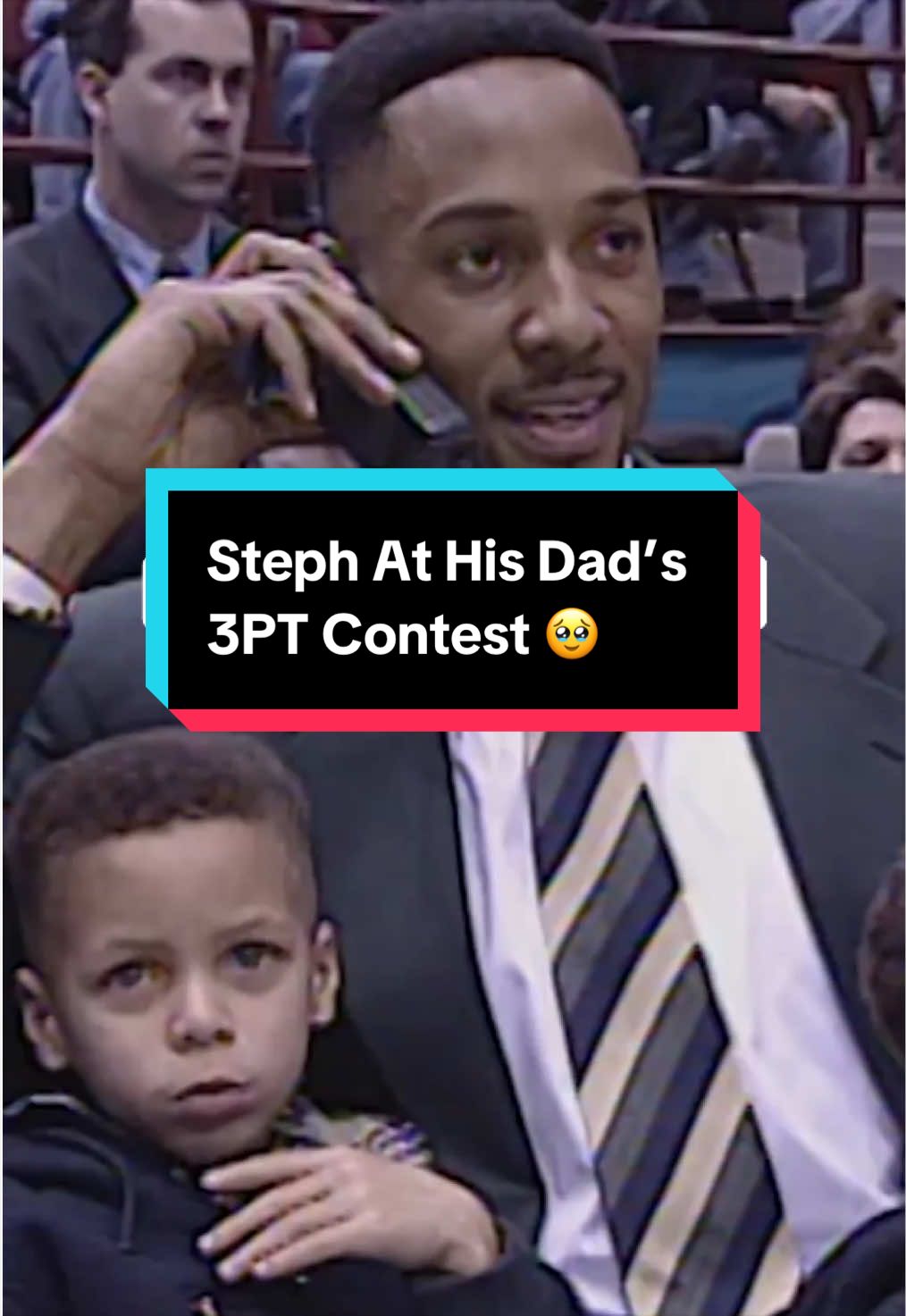
Where it all started 🤩 No wonder he loves the three ball 🏀🔥
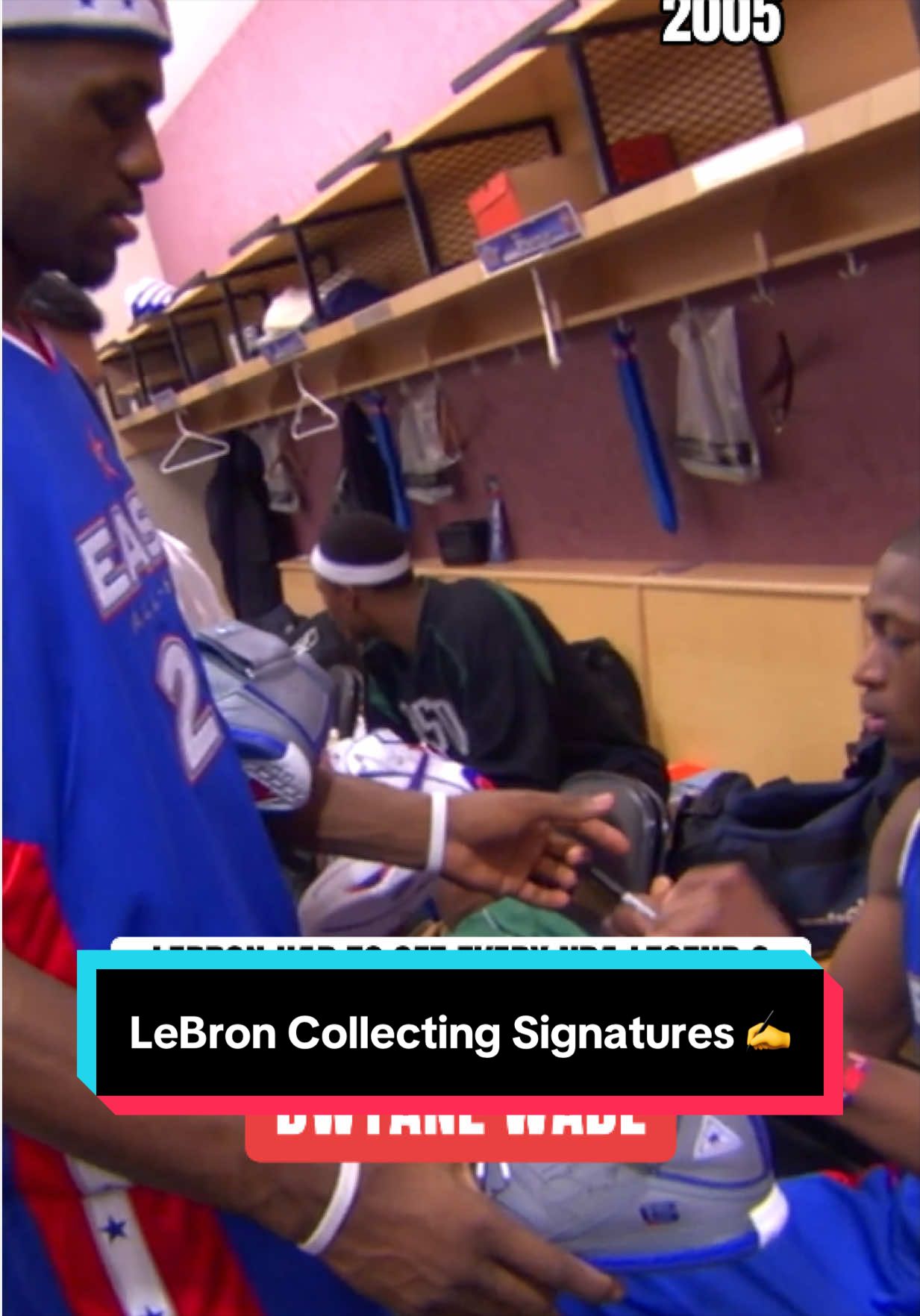
LeBron was collecting signatures in his first
 Links
Links
 Contact
 App
App


