



Unpredictable! Cuban reflects on losing Brunson 4 years ago: We never foresaw him reaching this level



Speaking on June 18 Beijing time, current minority owner of the Mavericks, Mark Cuban, admitted that when the team botched contract negotiations with Jalen Brunson before he entered free agency in 2022, they had no idea he would later explode into an All-Star caliber player.
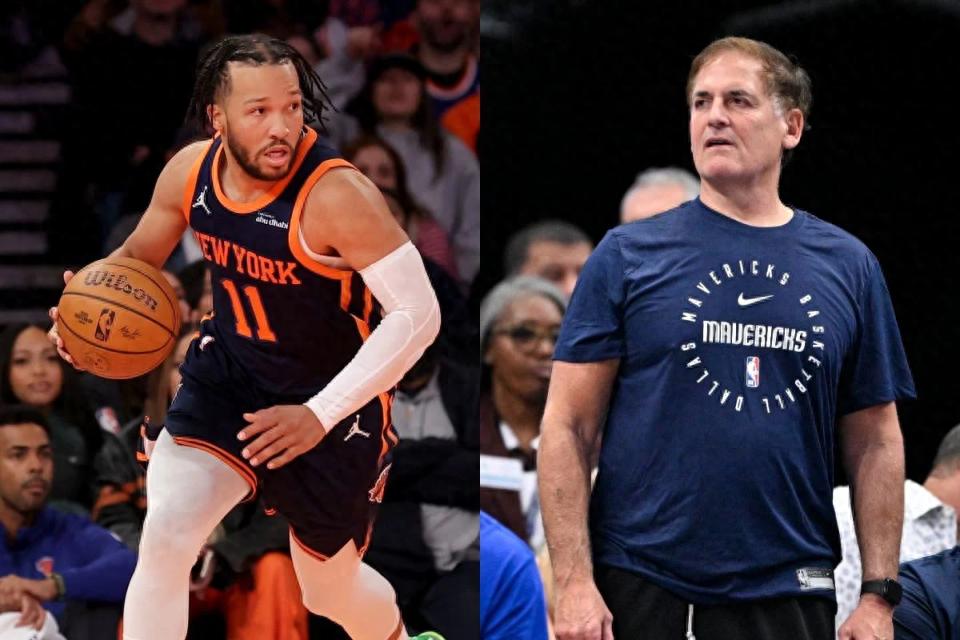
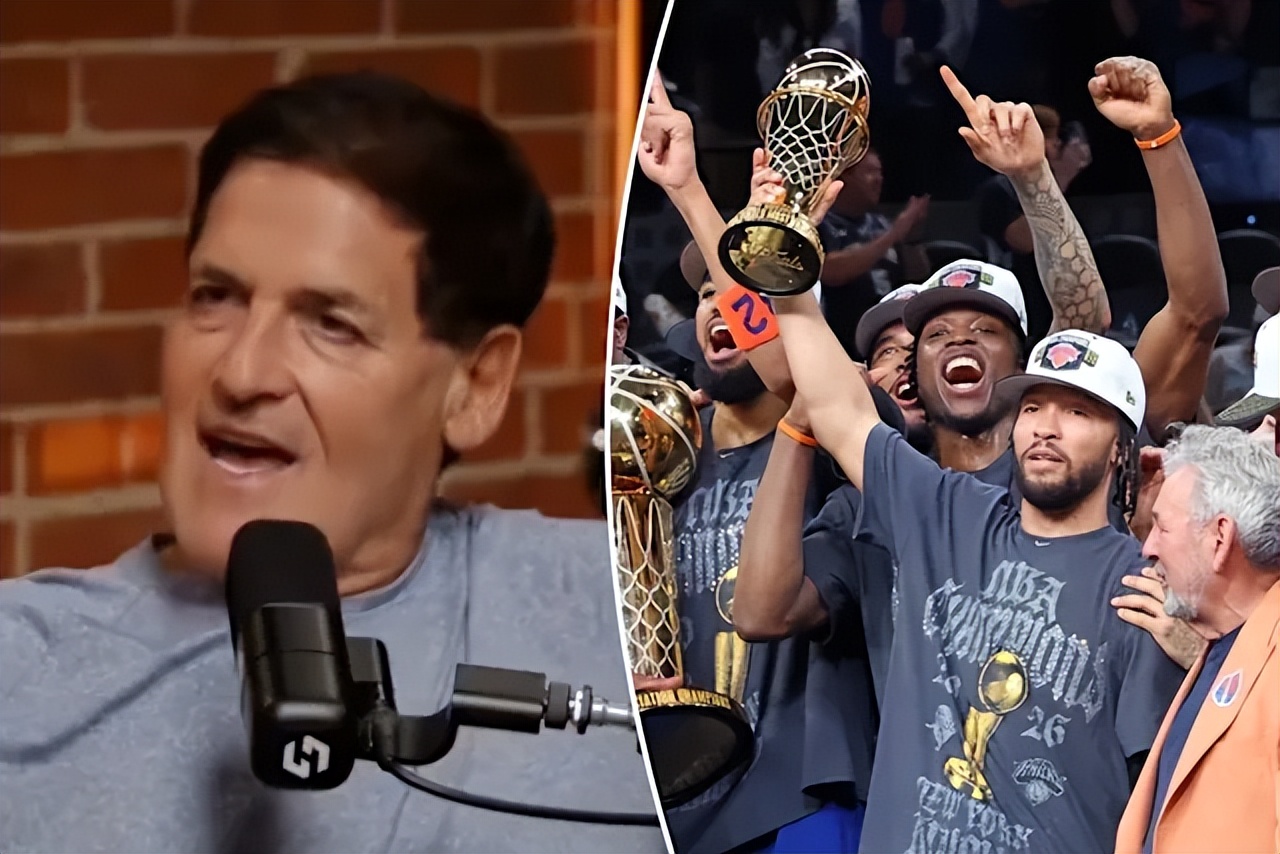
Cuban said on a podcast: "The logic is actually very simple—we didn't expect JB (Brunson) to grow to this height. No one saw it coming at the time. He gave it his all, led the team during Luka (Doncic)'s injury, and in the series against the Jazz, he fully demonstrated that he had star potential."
As the New York Knicks marched to the championship, Mavericks fans were forced to relive the regret of letting Brunson go.
When reviewing personnel decisions, team owners, management, and players often have very different narratives, but on the subject of Brunson, all sides are remarkably unified.
The Mavericks could have offered Brunson a four-year, $55.5 million early extension before the 2021-22 season, but the team chose to shelve that offer. By the time Dallas officially presented it, Brunson's value had already skyrocketed far beyond that figure.
During the first three rounds of the 2022 playoffs, the left-handed guard carried the team's offensive load in Doncic's absence, a performance that virtually guaranteed he would command a nine-figure max contract as a free agent.
Now many are looking back and lamenting that the Mavericks severely underestimated Brunson. But at the time, the only team questioning whether he deserved a nine-figure deal or could serve as a primary ball-handler was not just Dallas—he simply hadn't yet provided enough sample size to prove himself.
Countless teams have followed the Knicks' model of signing players to big contracts, only to end up completely losing on the investment.
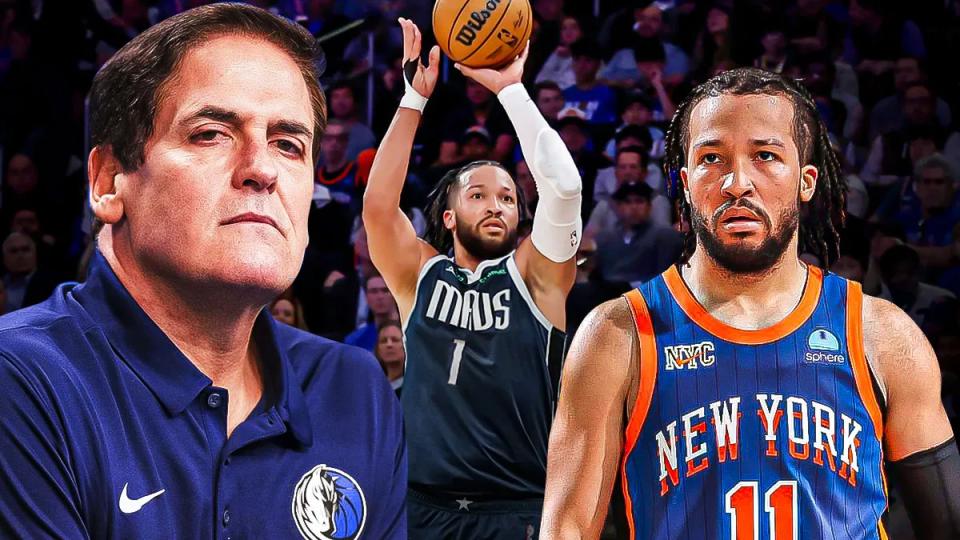
The Mavericks also had another concern: whether a backcourt pairing of Brunson and Doncic could work long-term. Both are high-usage guards, and prolonged coexistence would likely create conflicts over ball possession.
The decision to let Brunson go is fundamentally different from trading Doncic: the latter was a bad outcome from a flawed process, while losing Brunson was not a foreseeable major mistake. Sometimes, even when management makes a rational judgment, the final result can still be disappointing.


Wonderfulshortvideo

Bank on a little luck from the scoring champ. Limited Gold Luka bobbleheads await on 11/1 💛


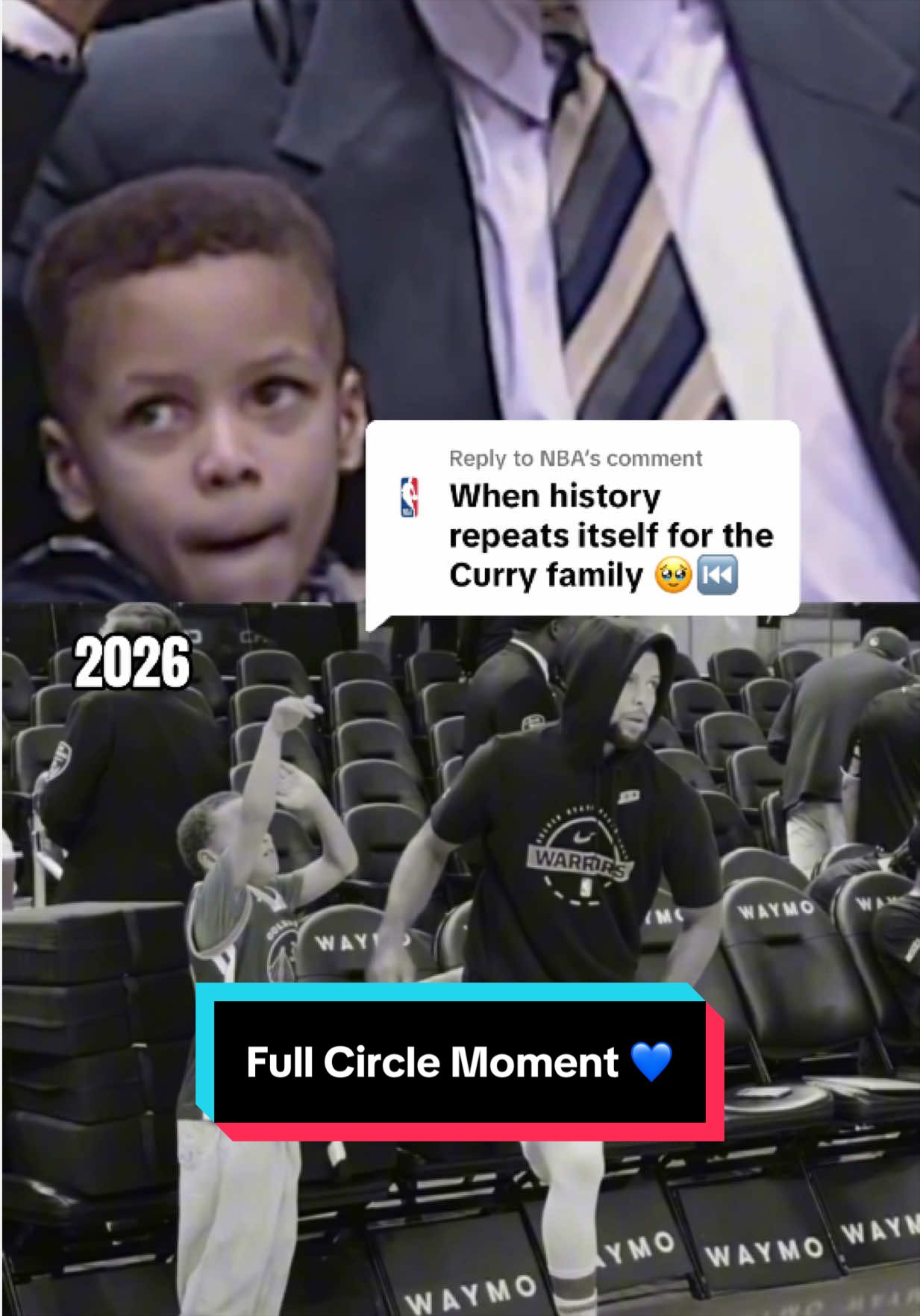
Replying to @NBA Insane full circle moment between three generations of Curry’s 🥹💙 (via: 957thegame/X)
Which one was your fav? 👀
Mamu’s mentality 💪
Cuteness overload 😭 ❤️
These Bones Hyland handles 🤯
User ceshi has posted a video.
 Links
Links
 Contact
 App
App


