



2026 NBA Draft Preview: Who Will Be the No. 1 Pick? Multiple Trades Expected


The 2026 NBA Draft will start at 8:00 AM Beijing time on June 24. Unlike recent years, this draft is full of more suspense, and even the top pick remains up in the air. The Athletic has identified five major questions to look at ahead of the draft:
1. Who will the Washington Wizards pick with the No. 1 overall pick?
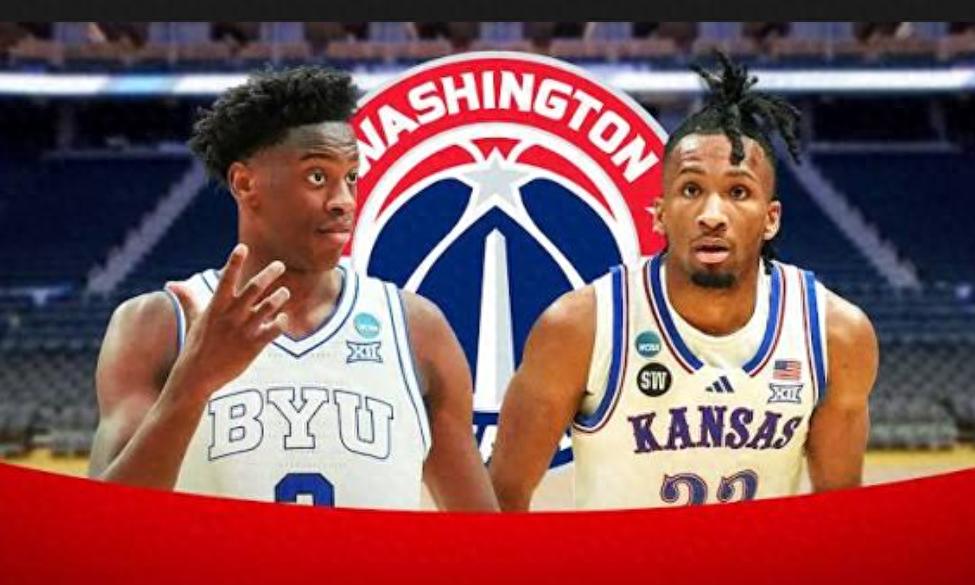
Over the last half year, the Wizards have suddenly become one of the league's most intriguing teams. They acquired Trae Young and Anthony Davis via trades, and combined them with promising young players like Alex Sarr, Kyshawn George, Trey Johnson, and Will Riley to build a highly competitive core. Now they hold the No. 1 pick, the top slot in this draft class.
The Wizards' shortlist has been narrowed down to two players: BYU's AJ Dybantsa and Kansas' Darin Peterson.
Dybantsa is an explosive wing whose elite scoring moves—finishing at the rim and drawing fouls—are already among the best in the league at just 19. His passing and playmaking are improving, though he isn't a natural orchestrator. Defensively, he has top-tier physical tools and high upside, but he sometimes hesitates on quick reads.
The Wizards have done extensive due diligence on Peterson as well, arranging multiple private meetings. Peterson's season at Kansas was rocky—leg cramps, a hamstring injury early on led to frequent absences and early exits from second halves; plus, his team lacked spacing shooters, creating a tough offensive environment. However, many scouts and front office personnel, after revisiting his high school tapes, believe he is the most complete offensive player in this class, excelling in isolation, pick-and-roll decision-making, and advanced reads.
Still, scouts have concerns: can he consistently attack the paint and become the team's true first option and an All-NBA caliber ball-handling centerpiece?
For the Wizards, picking either player is a win-win. Holding the No. 1 pick is an ideal starting point for a team likely to take a big leap next season—whatever the choice, it's a safe bet, and it ultimately comes down to front-office preference.
2. How will the Utah Jazz handle the No. 2 pick?
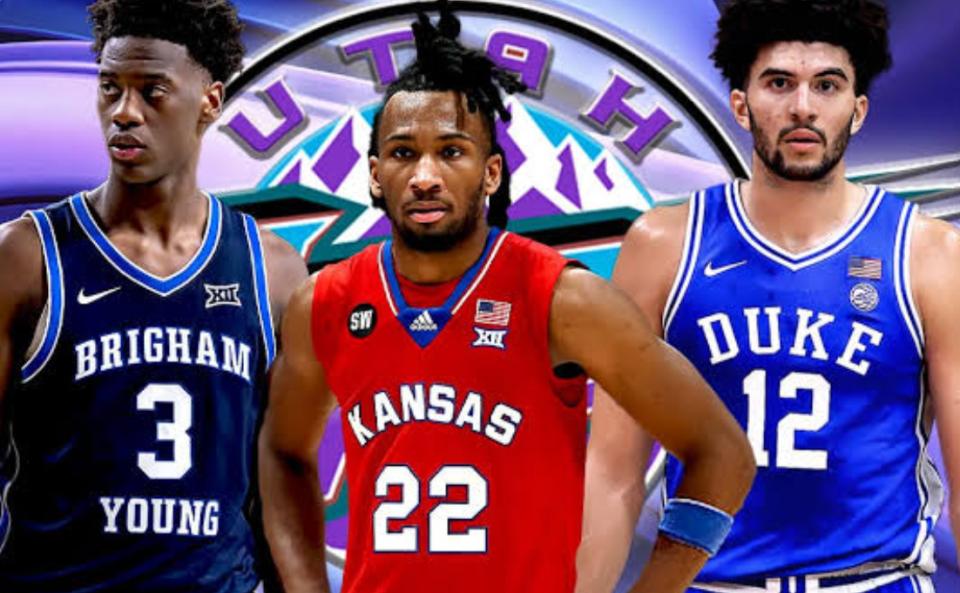
Like the Wizards, the Jazz are a focal point of this draft. After acquiring Jaren Jackson Jr. at the trade deadline, Utah's frontcourt talent is stacked: Jackson, Lauri Markkanen, and Walker Kessler. Additionally, the team drafted Bailey with the No. 5 pick last year, and even though Coach Hardy runs a positionless system, Bailey is best suited for the 3/4 spot. Under Hardy's coaching, the Jazz offense has the potential to be among the league's elite.
The most exciting change for this team: after years of poor defense, they now have a collection of tall, versatile players who can both score and anchor interior defense.
The team's only glaring weakness: a lack of a consistent ball-handler who can read defenses and make passes. Jackson, Markkanen, and Bailey all lack the playmaking ability suited to their roles; Kessler, as a center, is known for rolling to the rim and shot-blocking. He is a restricted free agent, but multiple sources are confident he will remain in Salt Lake City next season.
Given that, the Jazz's decision at No. 2 should be straightforward: take the best perimeter player who falls to them. But that's not the case—reports indicate Dybantsa, Peterson, and Boozer are all under consideration.
The Jazz must decide: do they pick the player who best fits their current roster and push for a playoff run now, or do they ignore fit and simply take the best talent available?
Utah has deep connections with Dybantsa—he attended high school in Utah and played college ball at BYU; Jazz owner Ryan Smith is a major donor to BYU, and met with Dybantsa's father twice before Dybantsa committed to BYU. Boozer also has ties—his father, Carlos Boozer, is a former NBA All-Star now working in the Jazz front office. However, sources confirmed to The Athletic that these relationships will not influence the No. 2 pick.
Another factor that won't affect the decision: Peterson does not plan to meet with the Jazz before the draft. Utah is not bothered by selecting players who haven't worked out or interviewed with them—last year they took Bailey at No. 5 without a pre-draft visit. In recent years, core players like Markkanen, Donovan Mitchell, Rudy Gobert, and Mike Conley all signed extensions, so the team is confident in retaining its drafted rookies.
3. How will the guards in this draft be ranked?
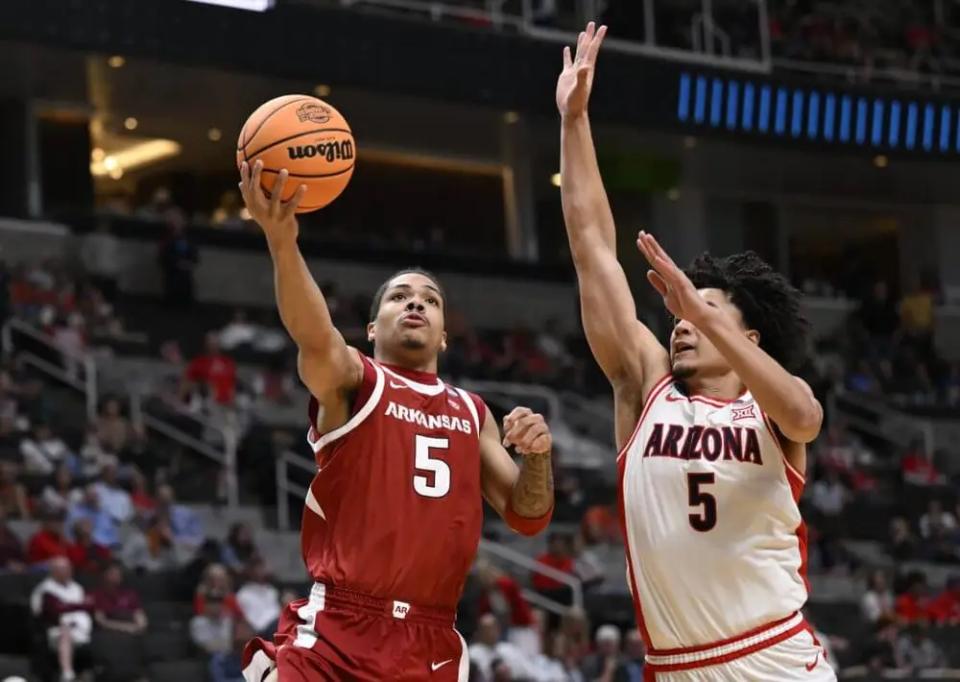
Multiple NBA executives say the uncertainty of this draft truly begins at pick No. 5.
Dybantsa, Peterson, Boozer, and North Carolina's Wilson are essentially locked into the top four slots. After those four, the picture becomes completely unpredictable, with a deep group of quality guards in the next tier: Arkansas' Akafu, Illinois' Wagler, Houston's Fleming, Arizona's Burris, and Louisville's Brown.
The No. 5 pick belongs to the Clippers, acquired in the Zubac trade. L.A. has done due diligence on all the top guards; if they go that route, Wagler and Brown are the favorites. The team is also exploring trade-down options. Sources say the Clippers won't completely relinquish this year's pick—they've also scouted Burris, Michigan center Mara, and several others.
4. When will the big men start coming off the board?
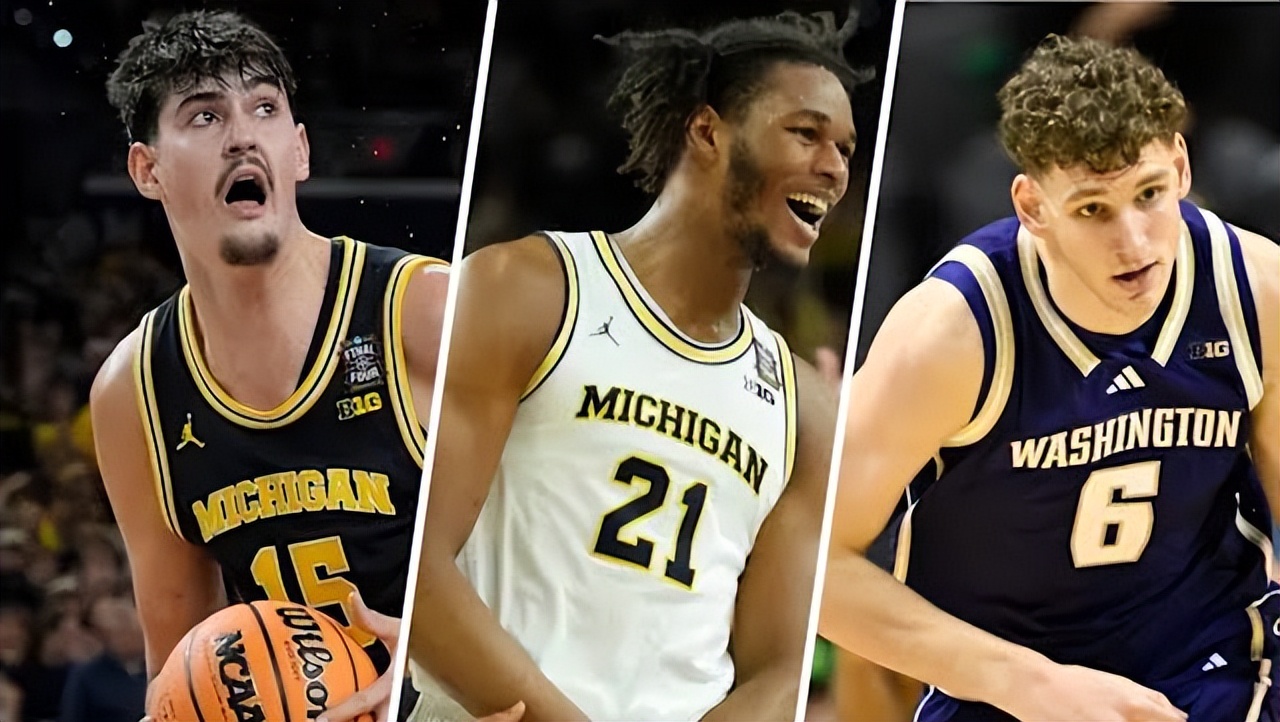
Although all teams in the top 10 have scouted guards and theoretically need ball-handlers, sources indicate a run on big men will occur in the mid-lottery. The top interior prospects include Mara, Mo'Reese Johnson Jr., and Steinebach.
Johnson Jr.'s stock has been rising rapidly; teams appreciate his effort, competitive spirit, and professionalism. He can switch onto any perimeter player with quick lateral steps, is tough inside, isn't afraid of contact, and provides both rim protection and rebounding. Every team that met him at the combine or privately came away impressed. The Thunder, Hornets, and Bulls—who hold picks 12 to 15—are all interested in trading up to get him.
But don't overlook two European big men from the Big Ten: Mara and Steinebach. Sources say both will be called in the back half of the lottery. Steinebach has soft touch and excellent mobility; Mara is a standout shot-blocker with high basketball IQ, earning praise from scouts league-wide.
The big-man run is likely to start between picks 8 and 12. These three interior players won't stay on the board long, and they might even interrupt the string of guards being selected.
5. What will the trade market look like on draft night?
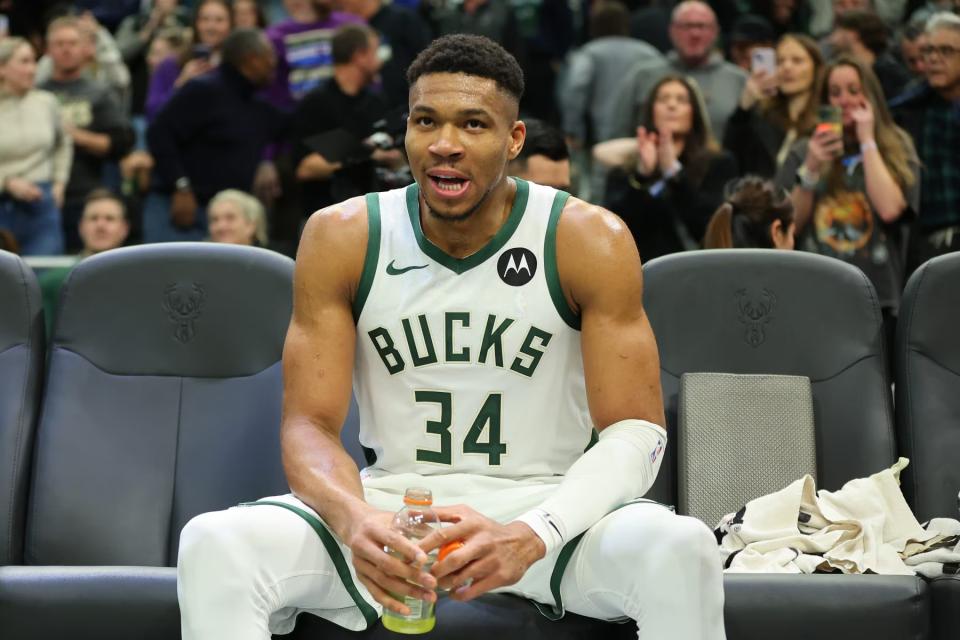
The league-wide trade market is currently in a holding pattern, with teams waiting to see how the Bucks handle the Giannis Antetokounmpo situation. But multiple transactions are expected over the next day or two.
Many teams are sorting through trade scenarios. A number of franchises are eager to move up for a preferred prospect, while plenty of others are willing to trade down to stockpile assets. The league's current luxury tax tiers have put significant salary pressure on several teams, and multiple clubs are planning to move quality players—either to create cap space or improve their draft position. The Athletic predicts a flurry of deals on draft night.


Wonderfulshortvideo
Stacking good days


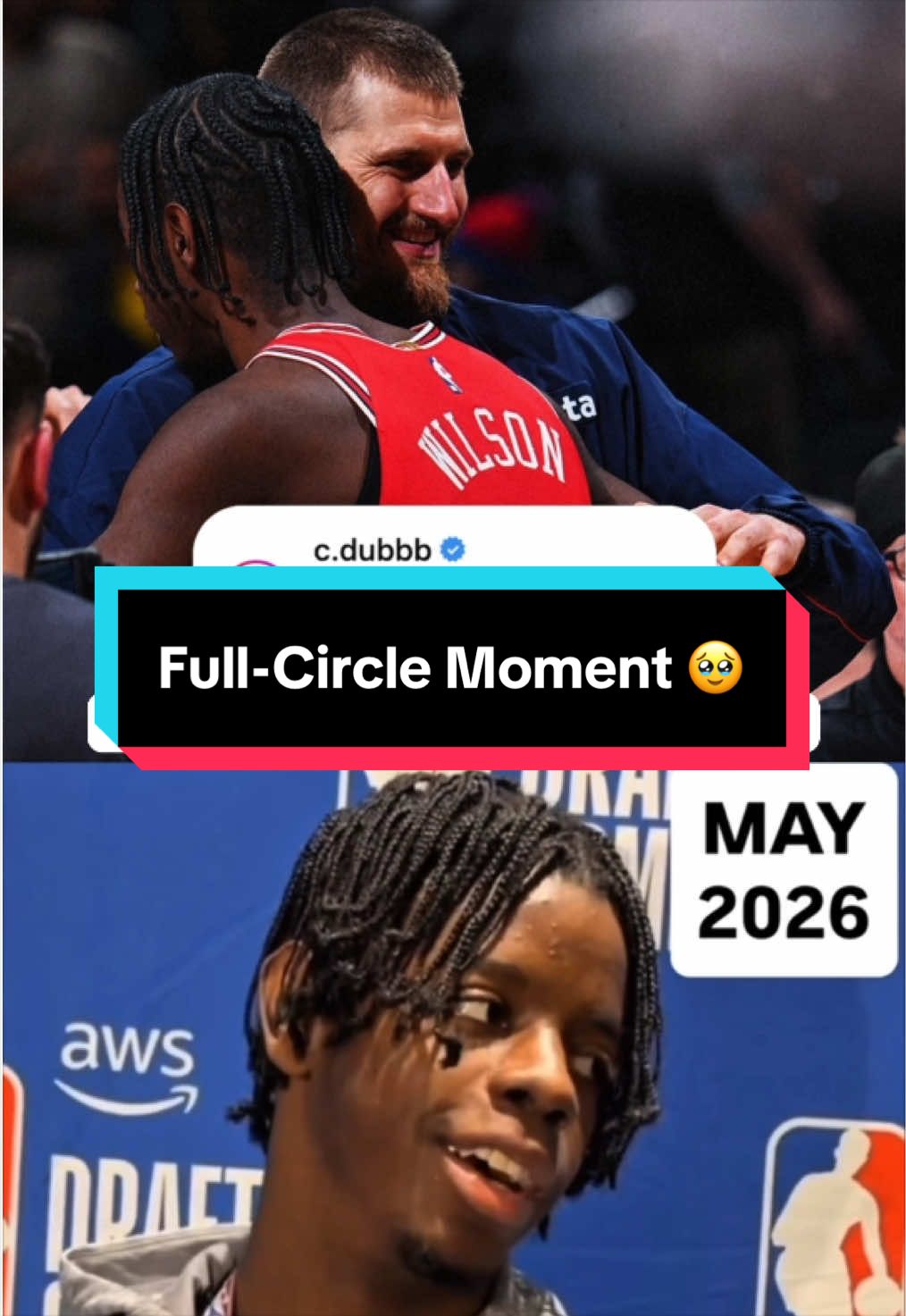
Caleb shared a special moment with Jokić after Bulls/Nuggets preseason matchup! (📸: @DNVR_Nuggets/X)
Good looks 🤝
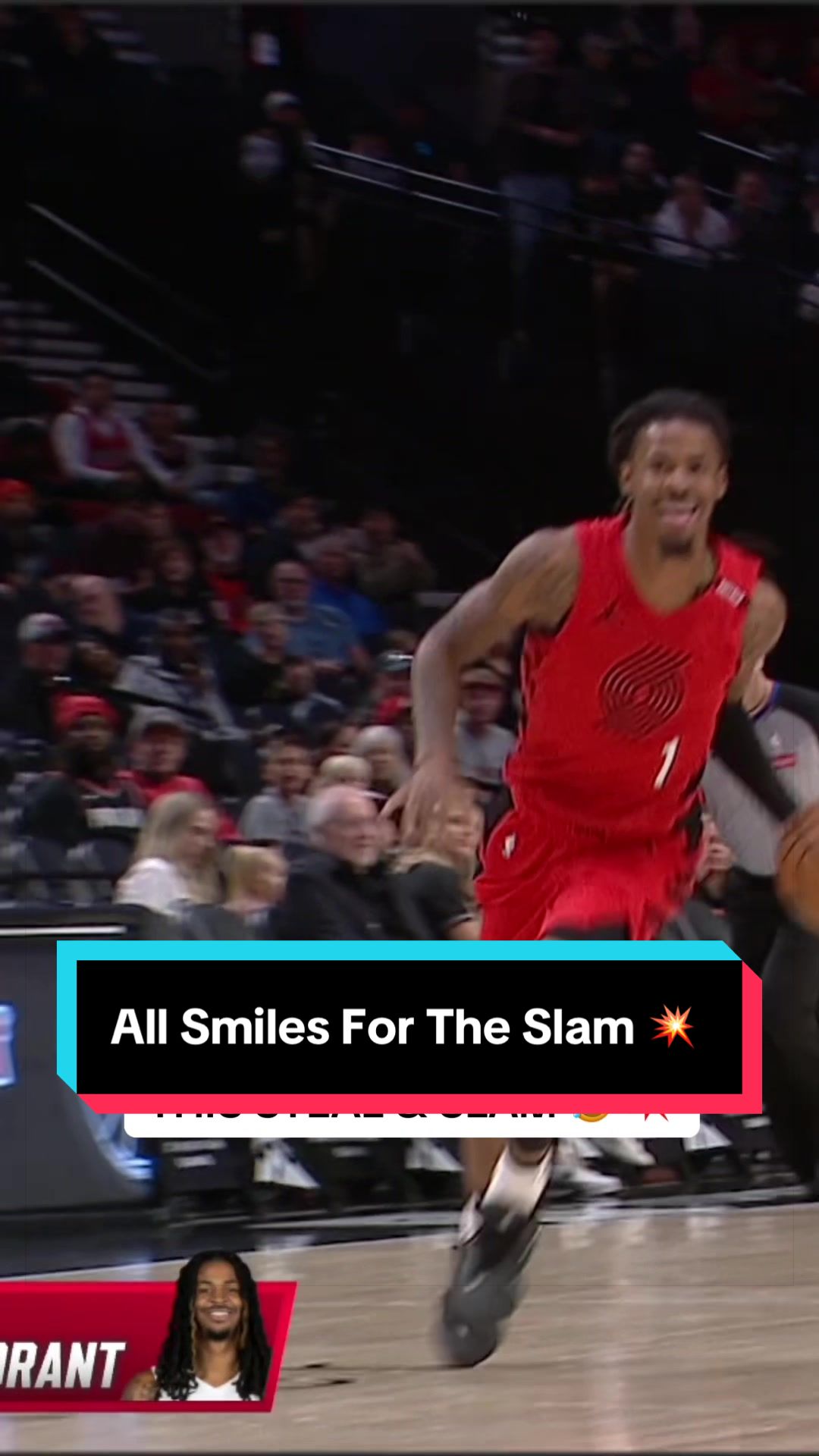
Ja goes the distance for the slam 🏃
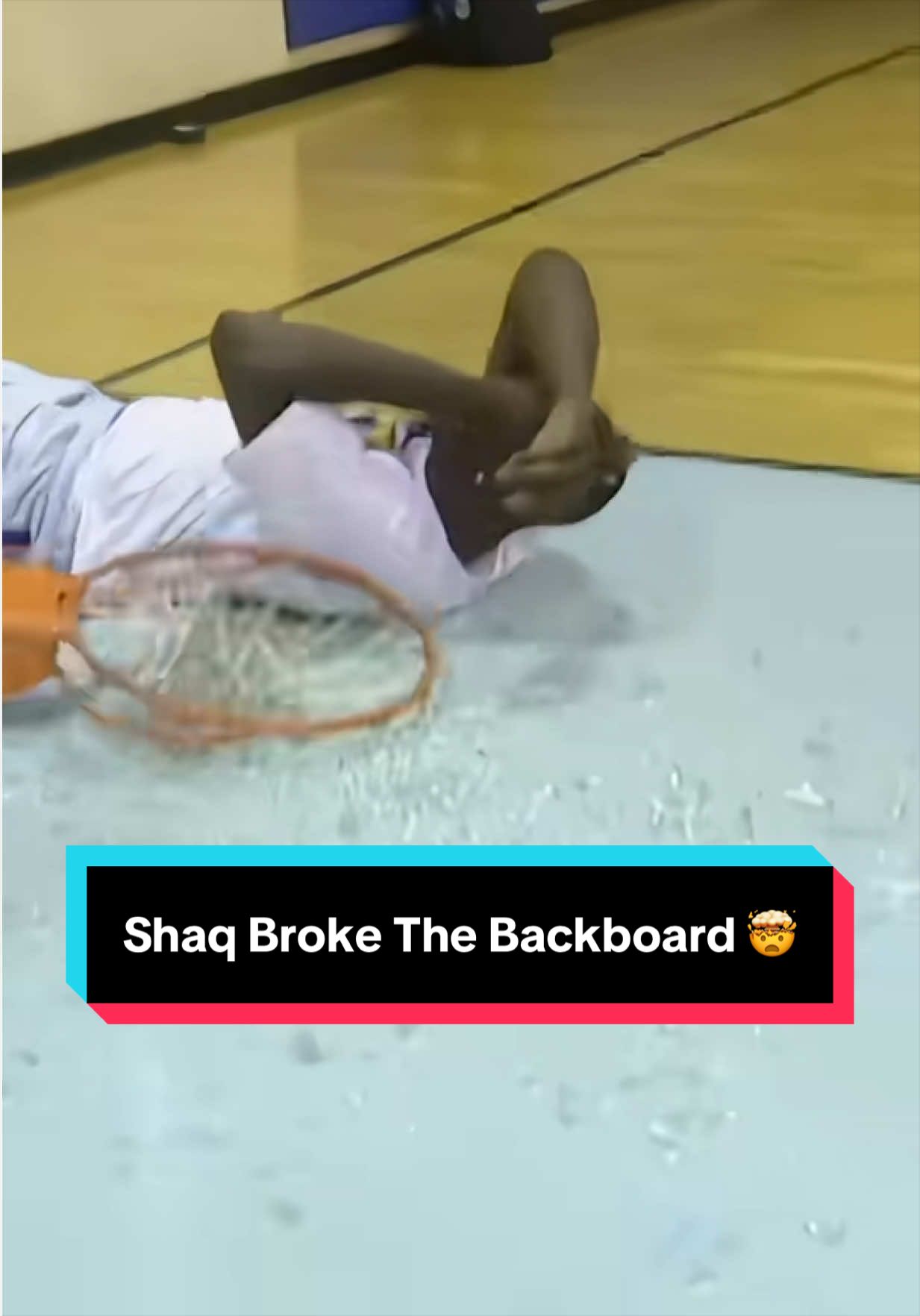
This moment when Shaq broke the backboard never gets old 😭

Coaches Corner powered by @AWS goes Inside the Game with San Antonio Spurs head coach Mitch Johnson and ESPN analyst Tim Legler as they explore how Victor Wembanyama's gravitational pull creates gaps and scoring opportunities for his teammates.

Bank on a little luck from the scoring champ. Limited Gold Luka bobbleheads await on 11/1 💛
 Links
Links
 Contact
 App
App


