



U.S. Media First-Round Draft Grades: Lakers Get Baylor Scorer Rated A-, Spurs Pick Injury-Prone Big Man Only Gets B-



On June 24, Beijing time, the first round of the 2026 NBA Draft concluded. How did U.S. media view each team's selections? Yahoo Sports graded each team’s picks. The top four selections all received A+ grades. The Warriors earned an A for picking Lundberg at No. 11, the Lakers got an A- for selecting Carl at No. 24, while the Spurs received only a B- for choosing Quintas at No. 20, who had major injuries to both his ACL and meniscus.
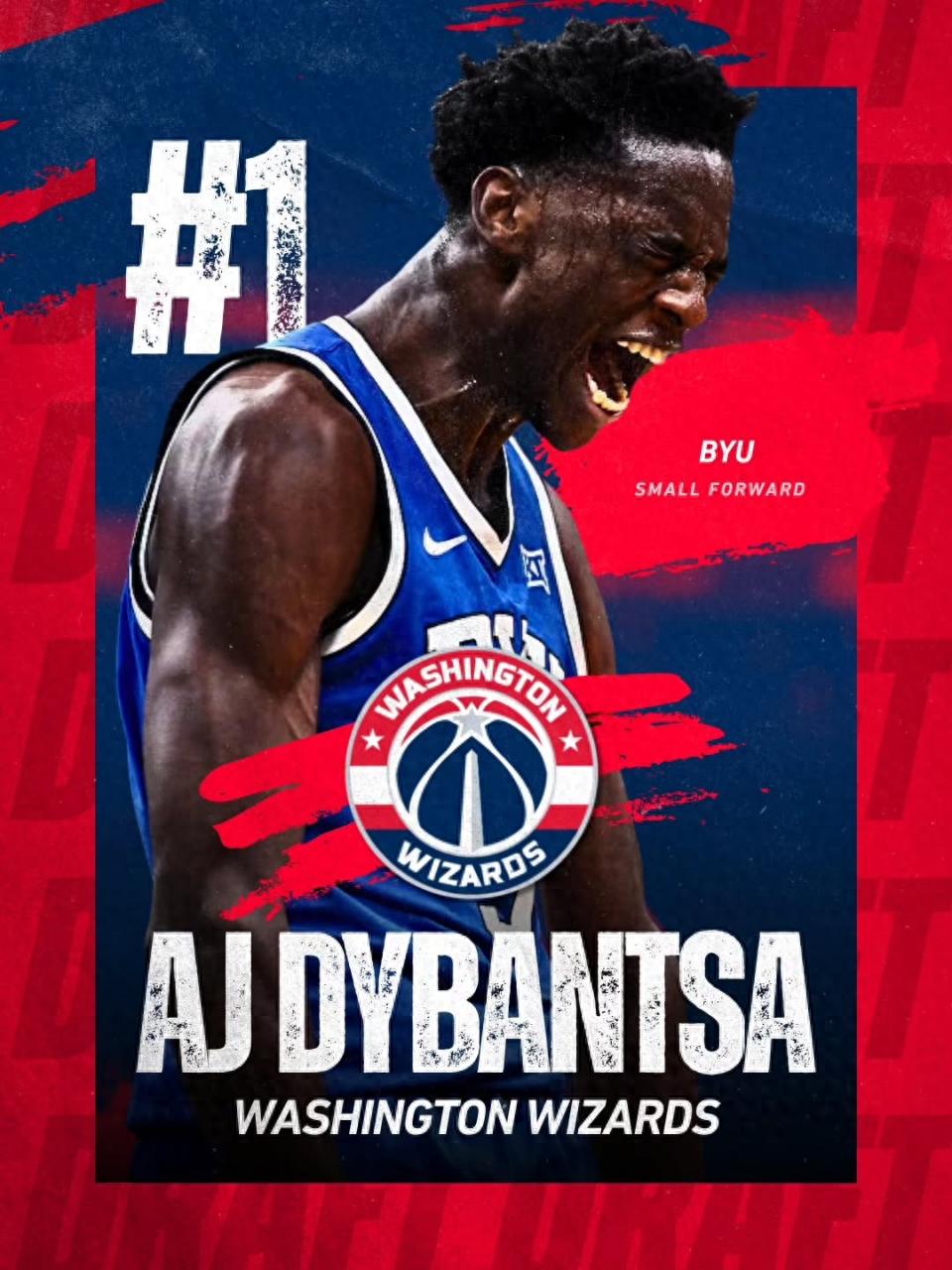
1. Wizards Select Dybansa
Grade: A+
The Wizards finally have their franchise cornerstone. Dybansa has the potential to become one of the league's hardest players to guard one-on-one. Standing 6'9", he possesses rare athleticism, with seamless changes of direction, pivots, and explosive bursts when handling the ball.
This season, he led the nation with 25.5 points per game, dropping 43 points in a single game and breaking Danny Ainge's 48-year-old freshman scoring record at BYU. He can attack the rim at will, is unstoppable from mid-range, draws fouls at an elite rate, and also shows full potential as a playmaking forward.
The team weighed Dybansa against Kansas guard Darrin Peterson for weeks before ultimately choosing the former, mainly due to his significant height advantage and lack of injury or off-court concerns.
In Washington, AJ's ball-handling pressure as a rookie will be greatly reduced, as the team has re-signed All-Star big man Anthony Davis and point guard Trae Young. The Wizards' competitiveness next season should not be underestimated, and their young players will continue to develop: Alex Sarr is already a polished two-way big; wing guards like KeShawn George, Trey Johnson, Will Riley, and Bilal Coulibaly have all shown flashes. But none have the ceiling of Dybansa. His future depends on two things: developing a reliable three-point shot, and maximizing his physical gifts to become a more imposing defender. The native of Brockton, Massachusetts, already has a high floor based on his scoring ability alone. He is both the Wizards' future face and has the upside to become an NBA MVP.
But everyone's ceiling is lower than Dybansa's. How far he can go depends on two things: first, whether he can develop a consistent three-point shot; second, whether he can maximize his physical tools and evolve into a more intimidating defender. This young man from Brockton, Massachusetts, already has a high floor just from his scoring ability. He is both the Wizards' future franchise player and has the potential to become an NBA MVP.
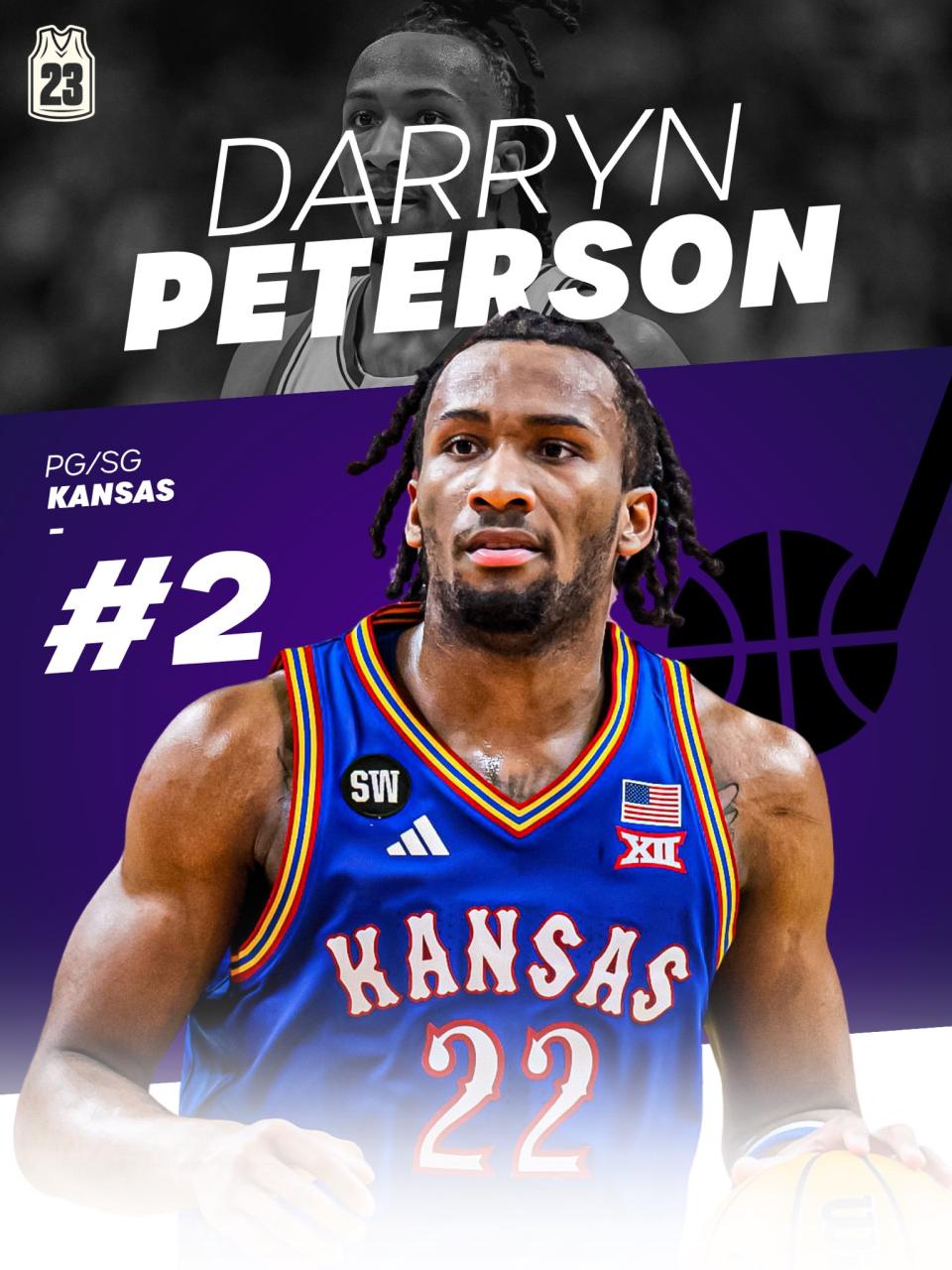
2. Jazz Select Peterson
Grade: A+
Jazz owner Ryan Smith, a BYU alumnus and board member, desperately wanted Dybansa to stay in Utah, but picking Peterson might be the better outcome. Peterson has a silky smooth game, excellent body balance, and outstanding height for his position, combining all the traits needed to become an NBA star.
In high school, he was an explosive ball-dominant guard who used his first-step burst to break down defenses, scoring for himself and feeding teammates. His ability to hit difficult shots rivals Hall of Fame guards. At Kansas, he adapted perfectly to an off-ball system, moving well off screens and hitting catch-and-shoot jumpers, seamlessly switching between on-ball and off-ball roles as needed.
Peterson will join a group of talented young players: Ace Bailey, Cody Williams, Brice Sensabaugh, and Keyonte George. His ability to produce consistently both with and without the ball will amplify his value.
His concern is not his playing style but his body. He missed 11 of 35 regular-season games, leaving multiple games early due to muscle cramps, which he attributed to taking creatine. However, his fit with the Jazz is perfect: even when cold, he is a high-impact defender, constantly disrupting passing lanes off the ball, and his long wingspan allows him to switch on defense.
The team's frontcourt features All-Star Lauri Markkanen and Jaren Jackson Jr., alongside a rising group of young players. If Walker Kessler is re-signed and stays healthy, the Jazz have an incredibly deep roster. This depth means Peterson won't have to carry the team as a rookie, allowing him to gradually adapt to the NBA pace, much like Bailey did last year.
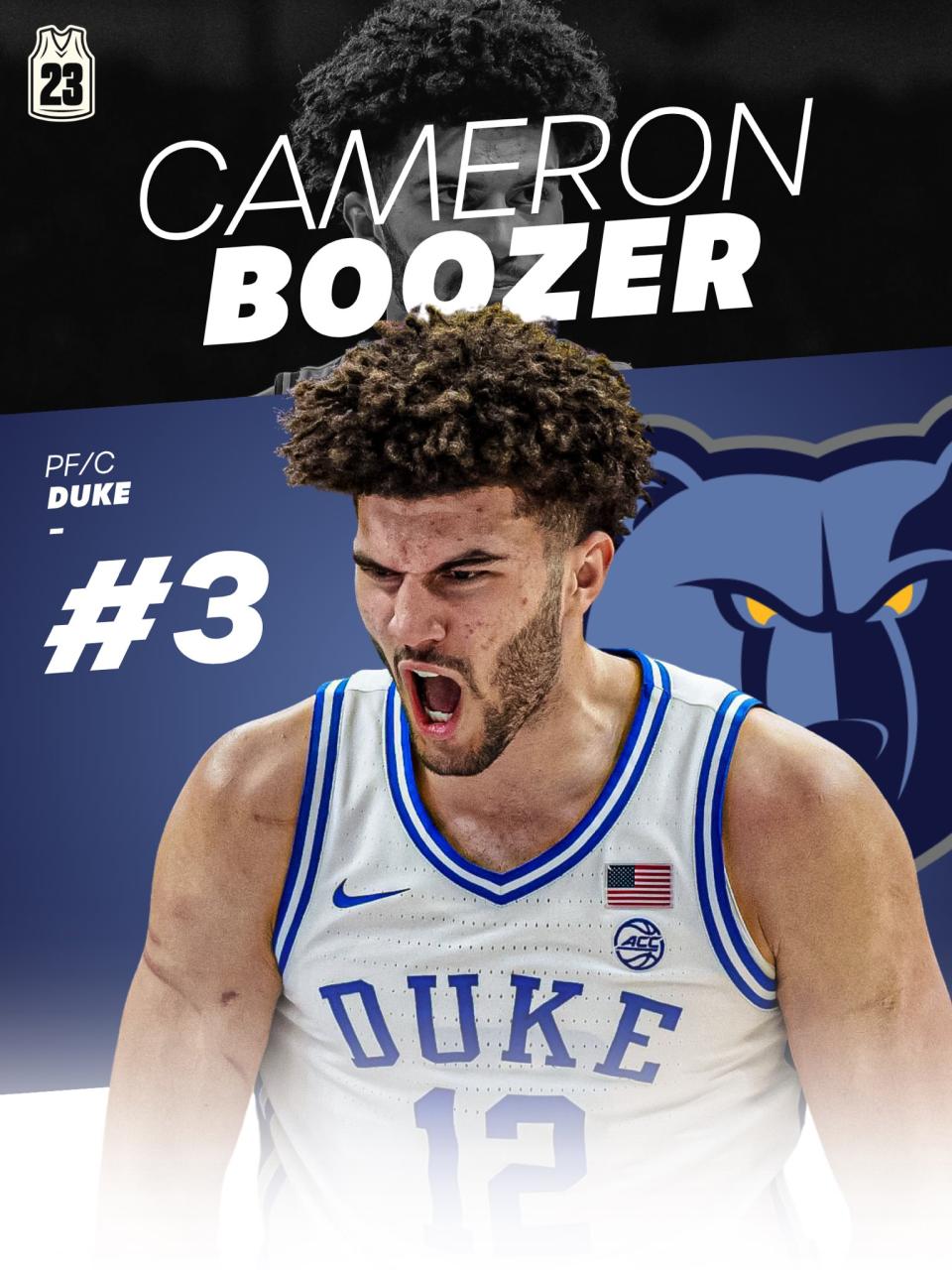
3. Grizzlies Select Boozer
Grade: A+
This was a no-brainer for the Grizzlies: they took the best player among the remaining top three prospects, landing the most polished rookie in this class.
Boozer combines smooth low-post footwork with physical strength, has ample three-point volume with a stable 40% accuracy, and possesses ball-handling skills good enough to play as a point forward. He can flexibly switch between low-post scoring, outside shooting, and playmaking based on defensive schemes, leading Duke to 35 wins and winning the Naismith College Player of the Year award.
His concern is average vertical leap. In college, he dominated smaller players with his size, but that approach will be less effective in the NBA against long-armed bigs. Defensively, he is in a tweener role: not explosive enough to be a full-time rim protector, and not quick enough laterally to switch onto guards.
However, Boozer is most effective when paired with a traditional center, and the Grizzlies have Zach Edey. With young players like Cedric Coward and Jalen Wells, plus assets likely coming from a Ja Morant trade, the Grizzlies are building a top-tier young core.
As the son of two-time All-Star Carlos Boozer, the Grizzlies are betting on his refined skills, strong tactical adaptability, and championship pedigree at every level to develop into a superstar.
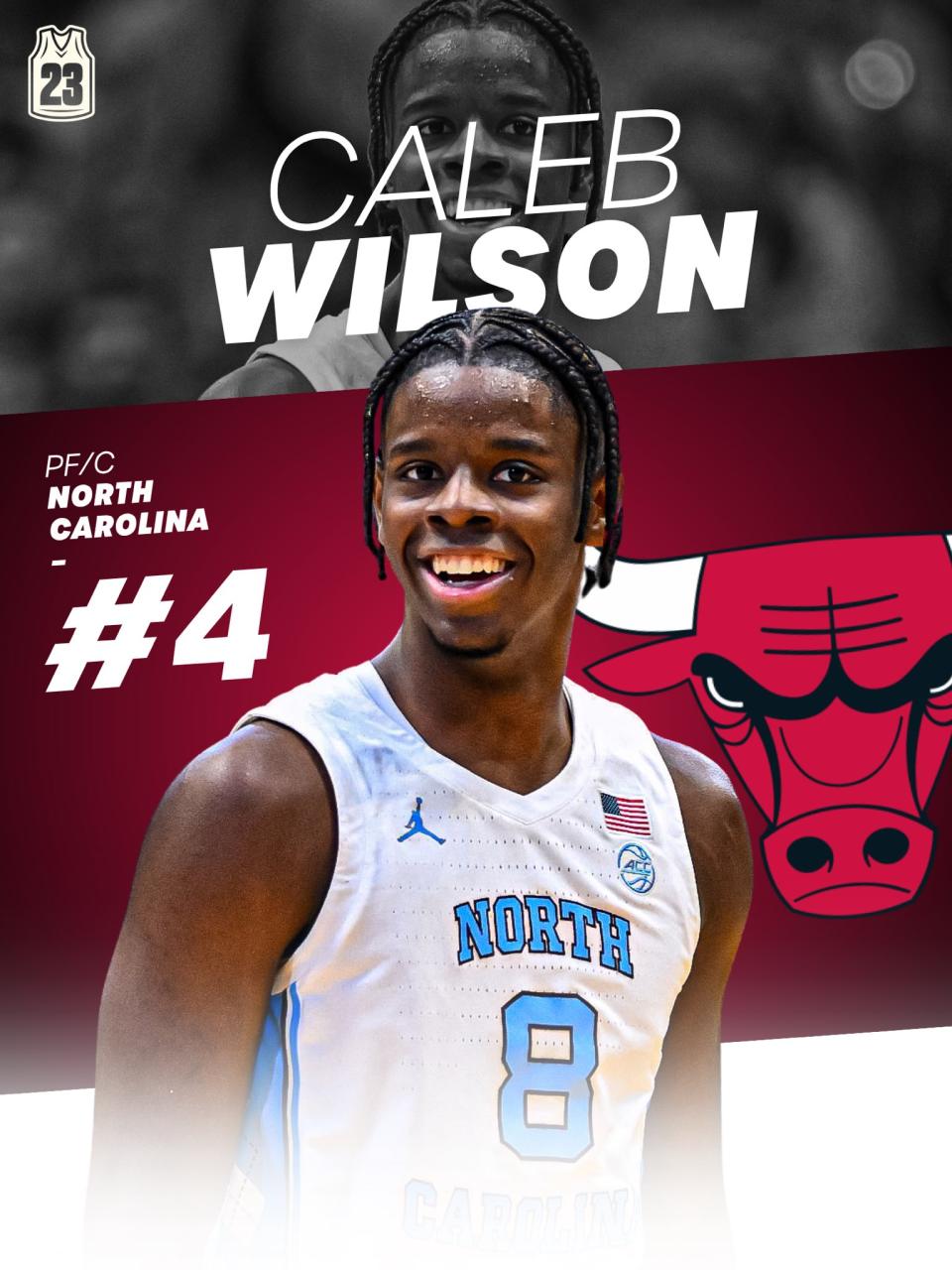
4. Bulls Select Wilson
Grade: A+
Wilson is the athletic ceiling of this draft class. With his height and spring-loaded legs, he looks like a future franchise cornerstone when finishing through contact in transition and crashing the boards—exactly what the Bulls' frontcourt needed.
The Bulls recently acquired Claxton from the Nets, and now have five players who can switch across all positions: Claxton, Wilson, Buzelis, Giddey, and Essengue. The Bulls are tall and explosive, and Wilson could become their interior defensive anchor while unlocking higher offensive potential.
To fully realize his talent, Wilson must refine his jump shot; sources say his pre-draft workout three-point shooting was very impressive. Even without a reliable jumper, he still has star potential. The Bulls are thrilled to land Wilson with the fourth pick.
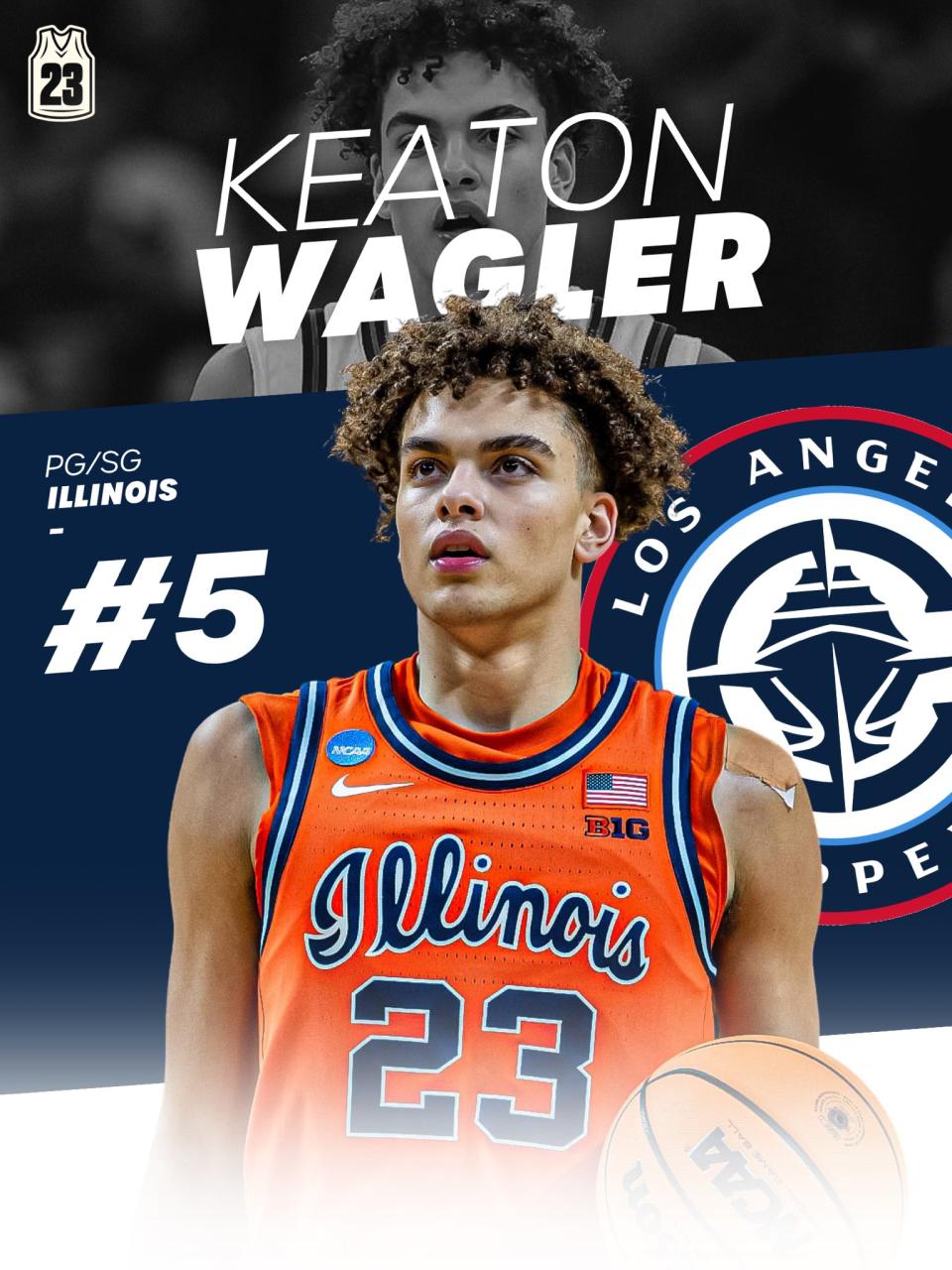
5. Clippers Select Wagner
Grade: A-
Rumors in recent weeks suggested the Clippers would trade down, but they stayed put and picked their future backcourt cornerstone Wagner. At 6'5", he is versatile on and off the ball, as proven in college.
Garland only has two years left on his contract, so this pick doesn't affect that. Wagner's height allows him to play alongside Garland, giving excellent backcourt compatibility.
At Illinois, Wagner quickly became the engine of the offense with his high basketball IQ and crafty scoring. He dropped 46 points against top-ranked Purdue, setting a freshman single-game scoring record in the Big Ten, and led his team on a Cinderella run to the Final Four.
Pairing with Garland means he won't have to be the primary ball-handler as a rookie, which helps his development. To become an NBA star, Wagner must address his lack of traditional athleticism—he had zero dunks all season as a freshman. On the bright side, his elite game sense should sustain his growth.
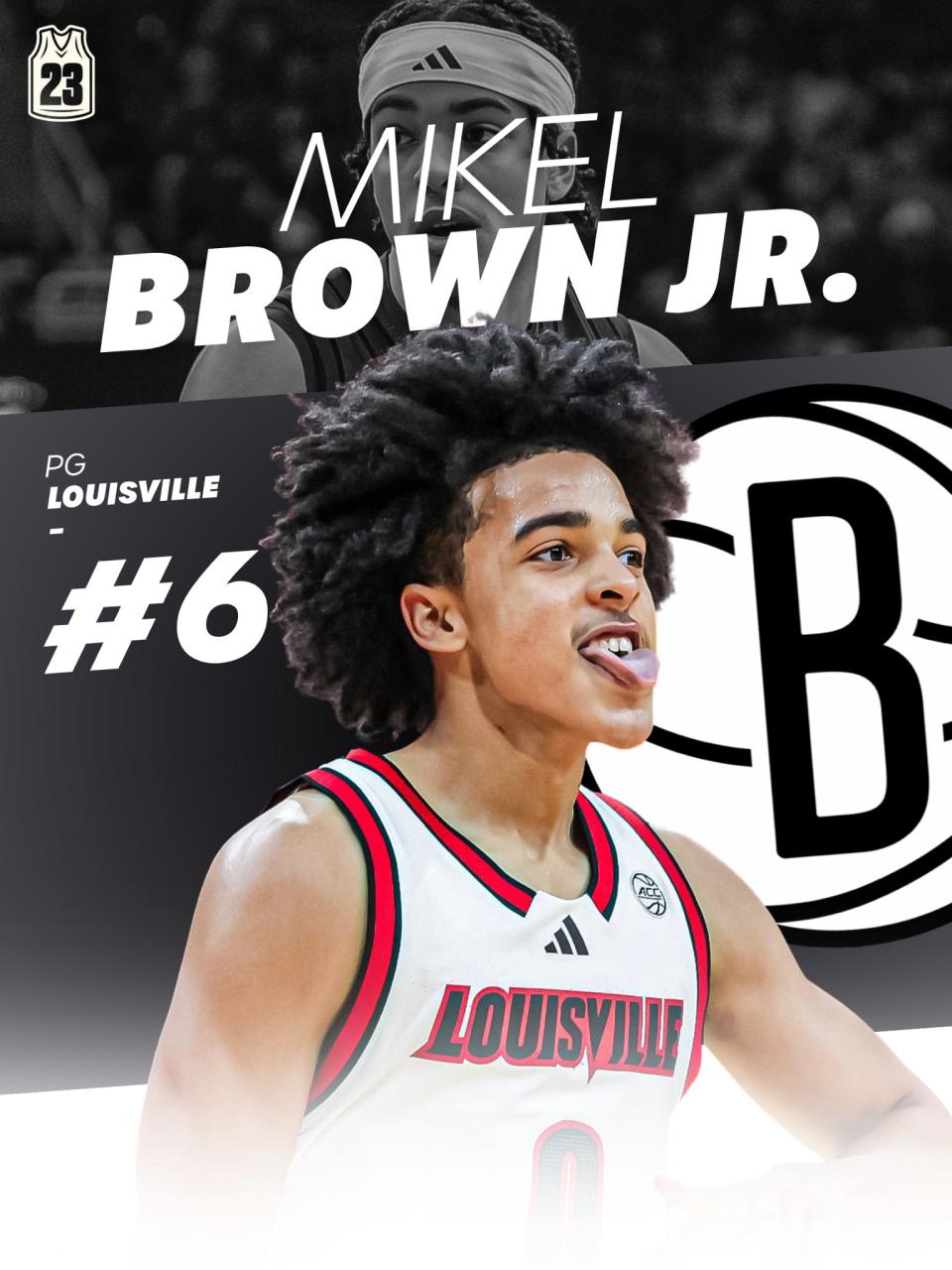
6. Nets Select Brown
Grade: A+
The Nets drafted four guards last year, with only Yegor Demin showing long-term promise, but that didn't stop them from adding an even more talented guard.
When Brown is on, he is unstoppable: a reliable pull-up jumper, balanced finishing with either hand, quick defensive reads, and precise passing before the defense sets. He battled a back injury all season, and after a 45-point outburst in February, he was shut down for the year. The extended absence made it hard for scouts to fully evaluate him; his consistency is questionable, and only a full recovery will reveal his true level.
Demin's style complements Brown's perfectly, and together they will form the foundation of the Nets' future backcourt.
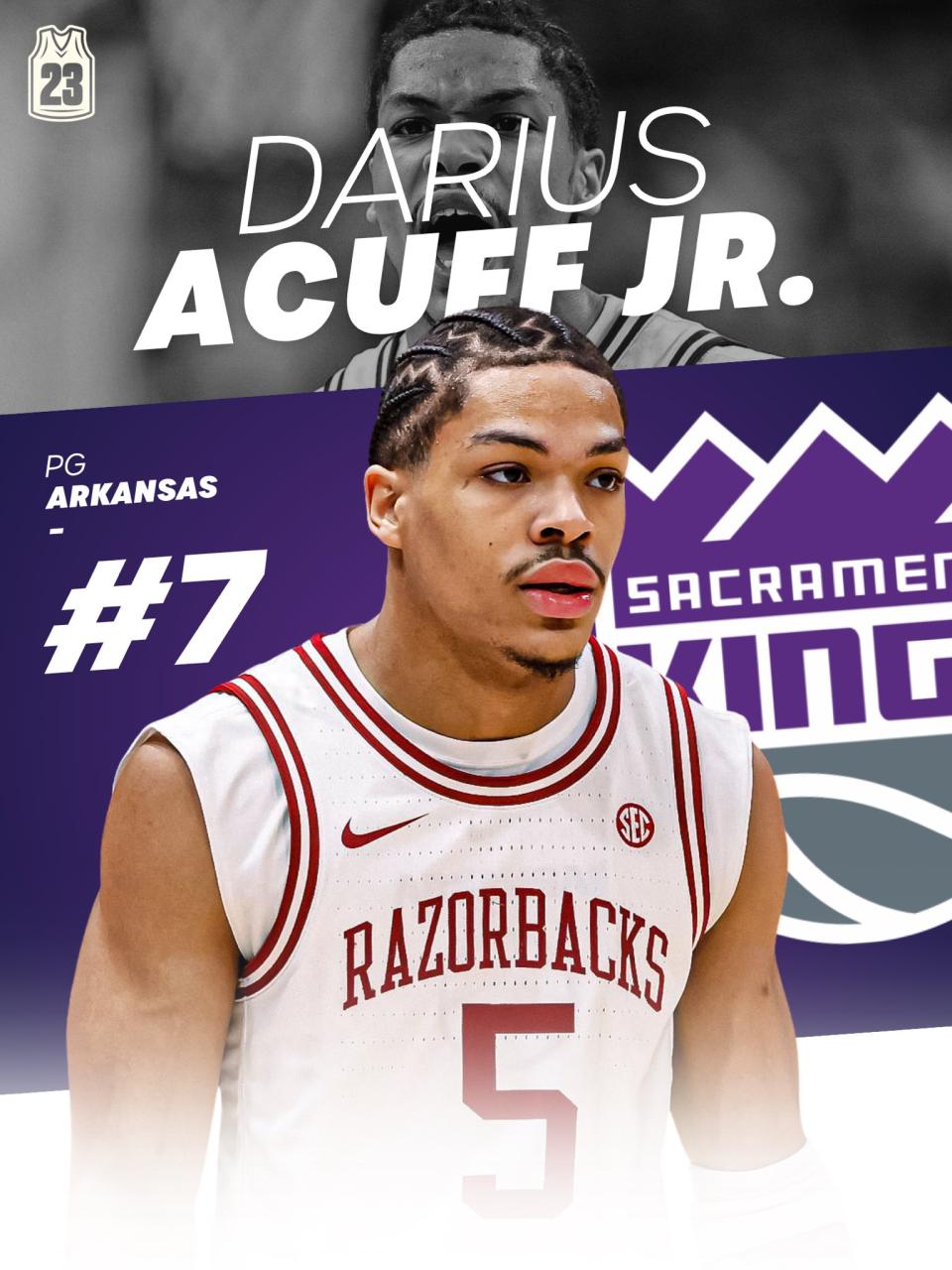
7. Kings Select Akuff
Grade: A+
The Kings' front office saw through the smokescreens from the Clippers and Nets—both teams reportedly planned to jump Akuff to force the Kings to trade up—but Sacramento held firm at No. 7 and landed their long-coveted Akuff.
He is lean, with a lightning-quick release and smooth handle, capable of scoring from anywhere on the floor, using rhythm to fool defenders. Before college, he was labeled a ball-dominant liability, but he has completely transformed: excellent turnover control, great passing vision, and active off-ball movement.
Although his height and explosiveness aren't elite, his defensive reading is as mature as a 10-year veteran. Defense is a major weakness; he was one of the worst defenders in the nation last season.
Kings general manager Scott Perry and assistant GM B.J. Armstrong both grew up in Detroit, and Akuff is also from Detroit. Perry even coached Akuff's father in the late 1990s. The team has deep ties to this rookie, and he could become the centerpiece of their revival.
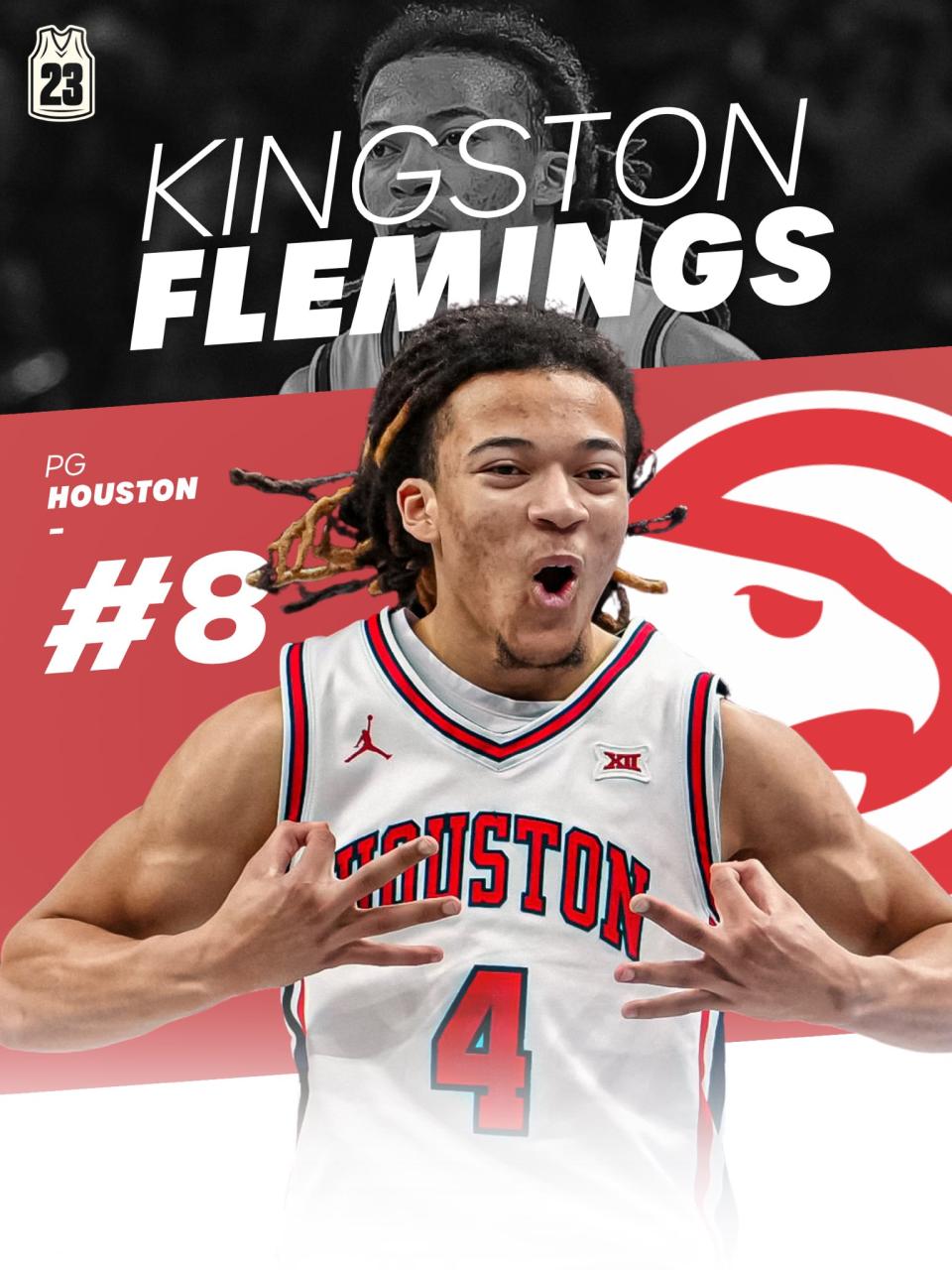
8. Hawks Select Flemings
Grade: A
The Hawks re-signed CJ McCollum to a one-year, $21 million deal, and now they've found his successor in Flemings. Flemings has a surgically precise mid-range touch, exceptional first-step burst, and the vision of a true point guard, capable of orchestrating the entire offense. However, he is very light, relies heavily on mid-range shots (contrary to today's three-point trend), and his offensive efficiency collapsed against tough opponents late in the season.
Key question: Can his scoring style adapt to NBA length and spacing? Or will he be figured out by league scouts, as happened against tough opponents late in the season?
But he plays with maximum effort and passion, and will likely maximize his potential. The Hawks have a well-balanced roster, and Atlanta might be the perfect place for Flemings to realize his talent.
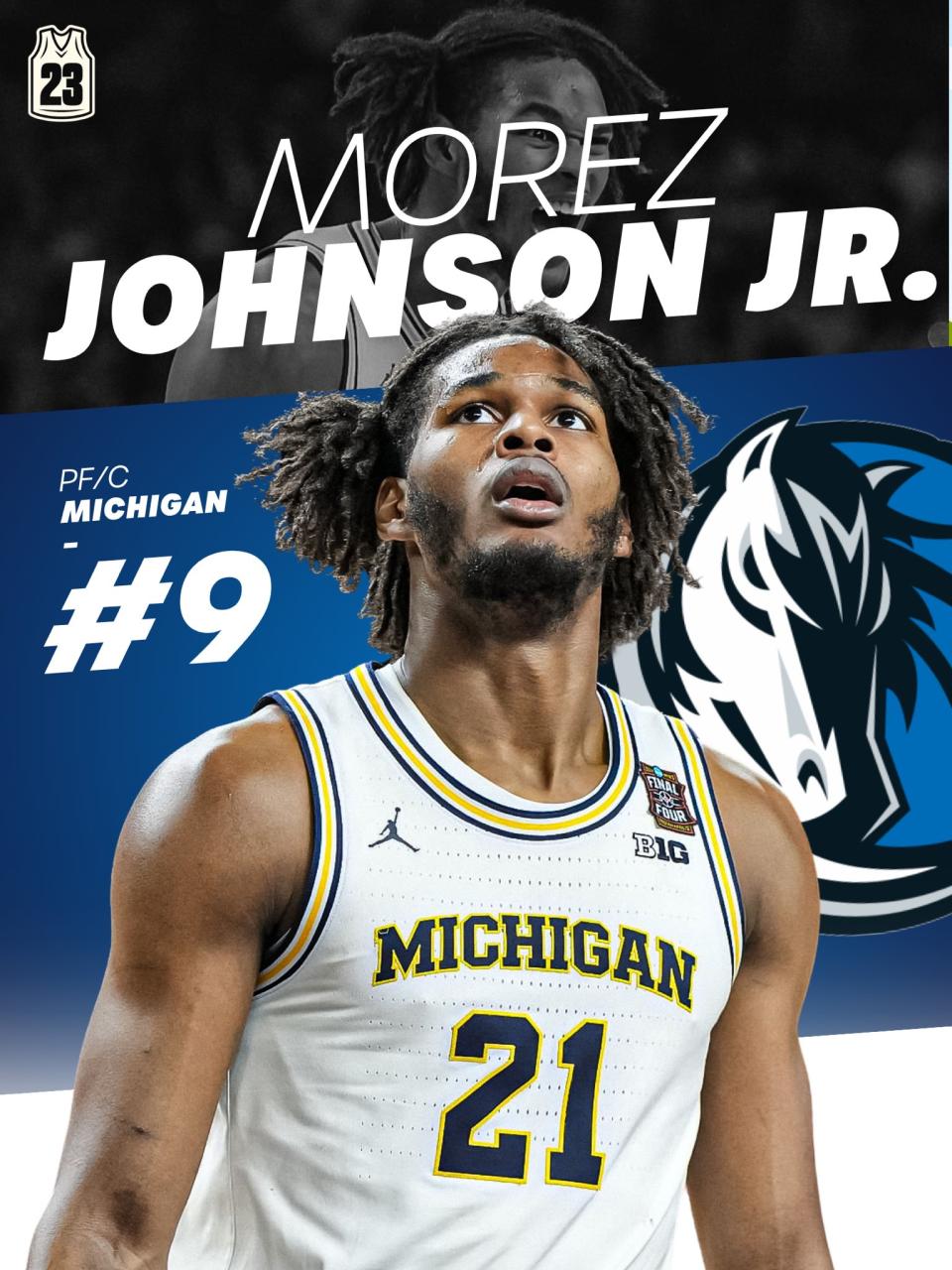
9. Mavericks Select Johnson
Grade: A+
Just one day after the Mavericks officially named Dusty May as head coach, they picked up his former protégé—Johnson followed May to lead Michigan to the NCAA national championship months earlier.
New team president Masai Ujiri has always favored tall wings, which is a key reason the Mavericks signed him. With franchise star Cooper Flagg on the roster, selecting Johnson makes clear sense.
He was the unsung hero on the championship team: in a single possession, he could set a hard screen to free up a shooter, roll to the rim for a lob, then immediately dismantle the opponent's pick-and-roll defense on the other end.
Johnson transferred from Illinois to Michigan, playing like a heavy tank in the paint but with surprisingly soft touch. His defensive IQ is high enough to fit any switch-everything scheme, defending positions 1 through 5.
His weakness is that he is not tall enough to play full-time center, and his shooting has not been tested in games—he cannot consistently space the floor. But even without a jumper, he has a long, stable rotation future in the league.

10. Bucks Select Burris
Grade: A-
After Giannis left, the Bucks had two lottery picks (including the No. 13 from the Heat) and officially began their post-Giannis rebuild.
Burris entered Arizona as a five-star freshman, started the season slowly, then exploded in conference play, leading his team to the Final Four. He is physical, versatile, scores from all three levels, has a nose for rebounds like a wing, and is active on defense.
But his ball-handling relies on rhythm rather than explosiveness, and his pre-college shooting record makes scouts suspect his efficiency was just a hot streak.
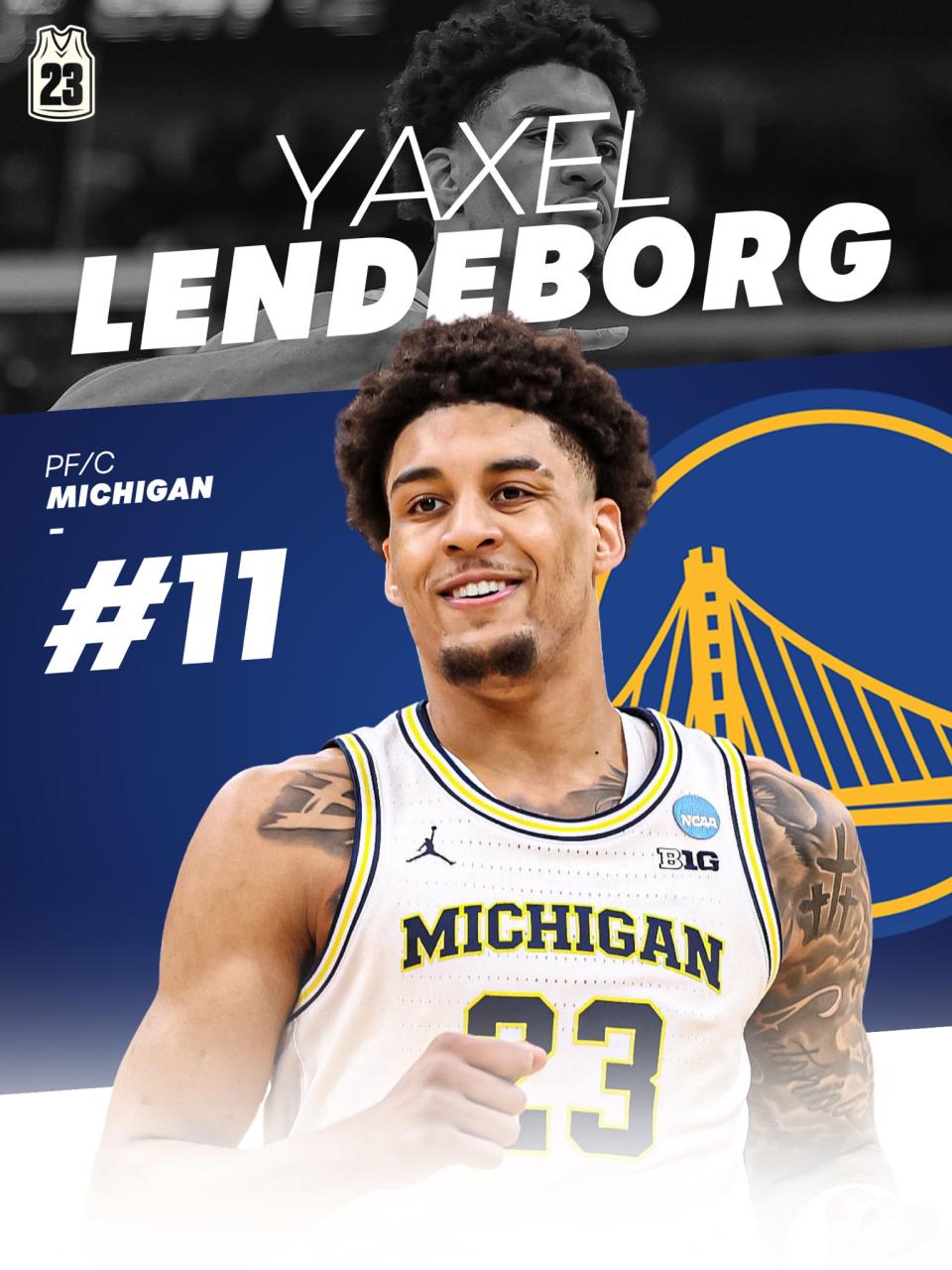
11. Warriors Select Lundberg
Grade: A
The Warriors had a tough season: Butler tore his ACL, Moody tore his patellar tendon, Curry missed 27 games with a knee injury, and the team eventually gave up on Kuminga.
The Warriors desperately needed a young star to extend Curry's championship window and bridge the gap to the next era. They got unlucky in the lottery, missing out on a high pick, but Lundberg's story is full of potential: he failed high school grades and didn't make the varsity team, went to community college, transferred to UAB, withdrew after the combine, returned to Michigan for another year, and won a national title. Every time he faced stronger competition, he evolved.
He fills up the stat sheet, can play multiple positions, and has a solid handle. He will turn 24 in his rookie year, but that actually fits Kerr—the coach just signed a two-year extension, and Lundberg is ready to contribute immediately without a long development curve. Whether he becomes an NBA star remains to be seen.
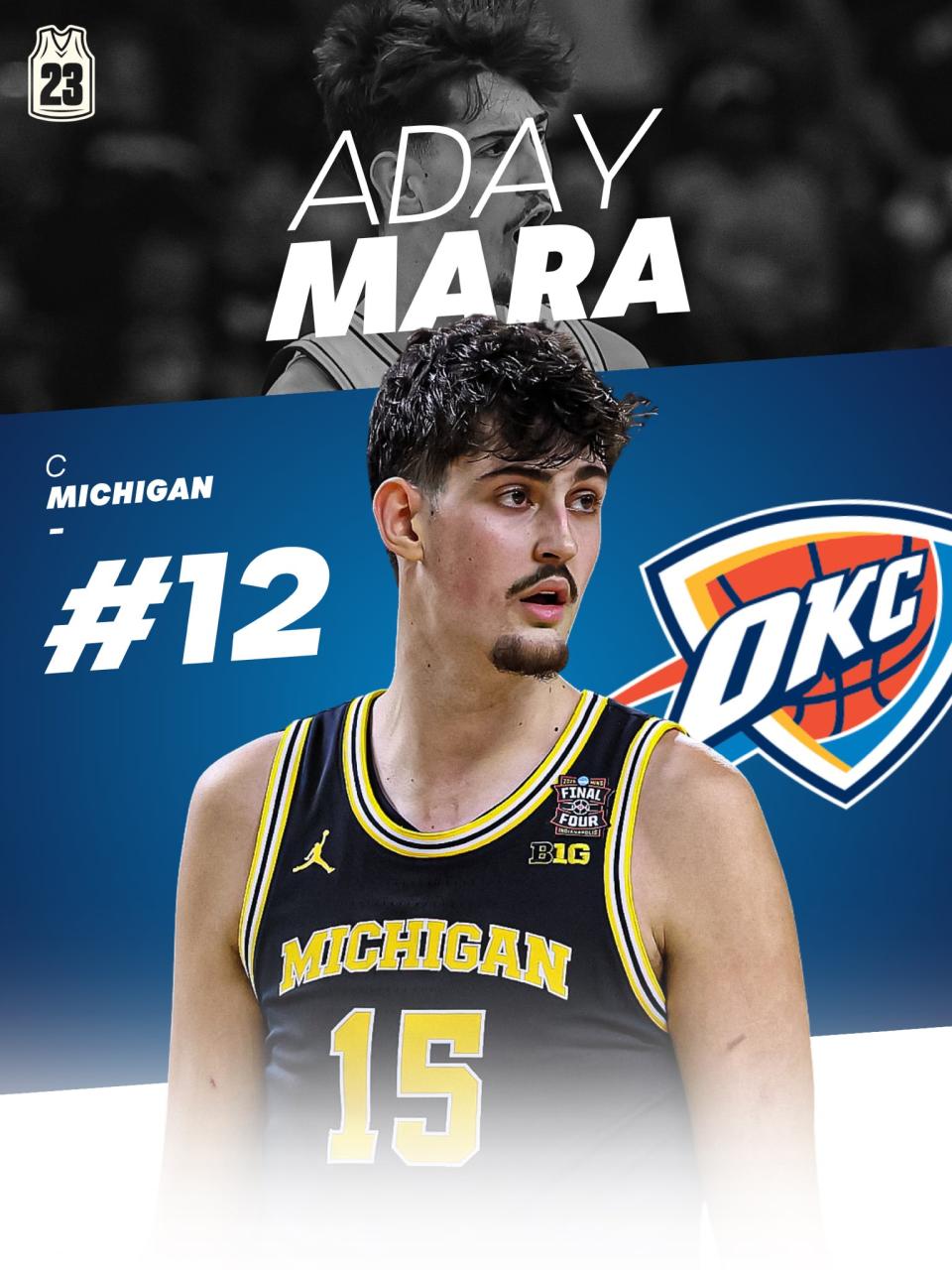
12. Thunder Select Mara
Grade: A+
The entire league breathed a sigh of relief: the Thunder didn't trade up for a high pick. But with this pick from the Clippers, they still landed a big man with star potential, or at least a core rotation piece.
A year ago, the Thunder drafted center Sauber, who missed the entire season with a torn ACL. This pick also reveals the team's long search for a traditional center to replace Hartenstein. By selecting Mara, they add another name to their big man development list.
Mara entered UCLA as a lottery prospect, struggled for two seasons and fell out of draft projections, then transferred to Michigan and transformed into one of the best traditional centers in the nation, winning a national title.
He reads the game like a guard, finishes with either hand, and times blocks at an elite level. However, he has no outside shot and shoots under 60% from the free-throw line, so opponents will pull him away from the basket.
But the Thunder are known for fixing shooting-deficient bigs. If Mara develops a reliable jumper, opposing bigs will have nightmares. Even if his shooting never improves, the Thunder are already a top-tier team.
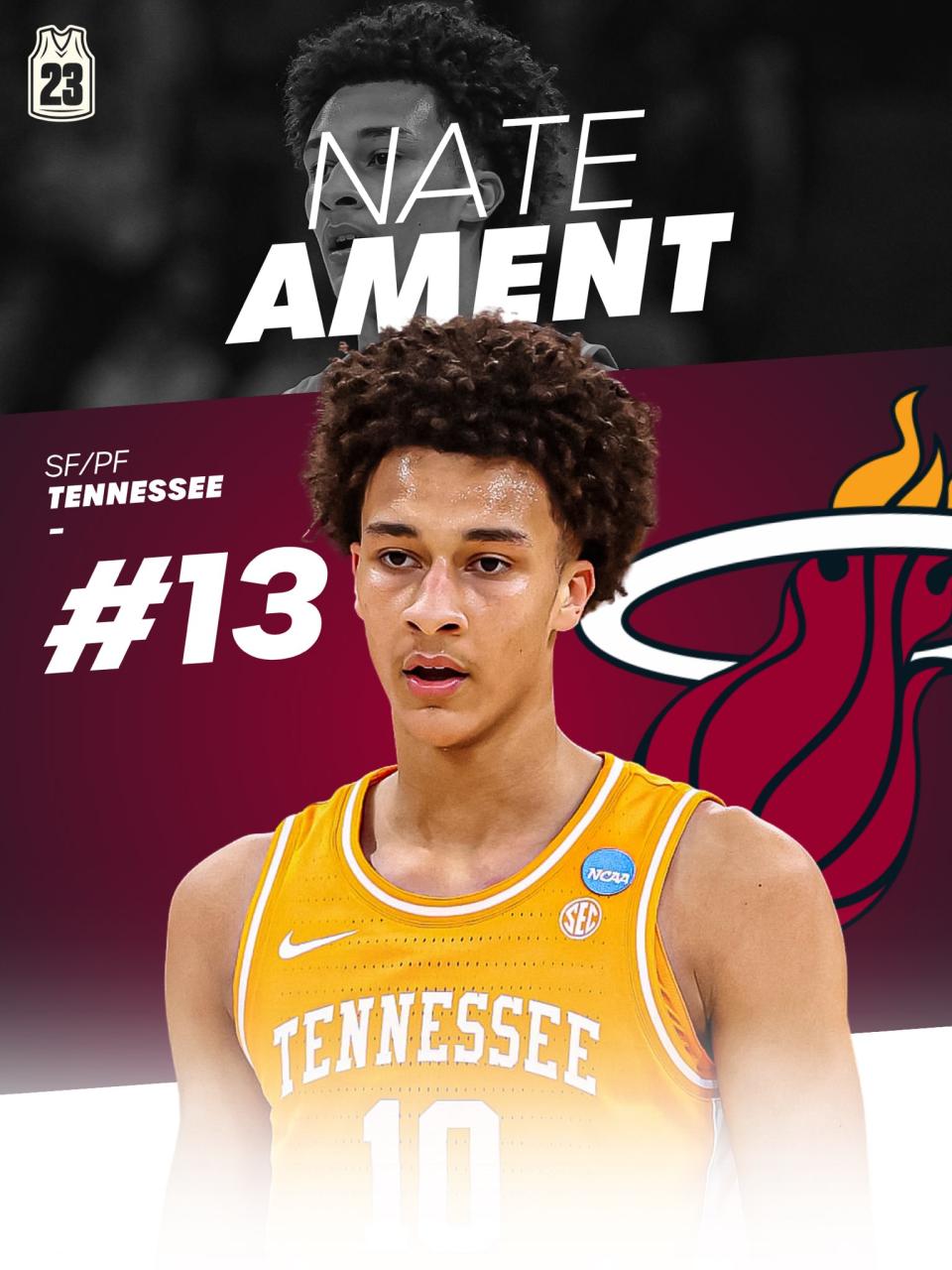
13. Heat Select Ament (traded to Bucks)
Grade: A-
The Bucks took a risk with their second lottery pick, grabbing Ament. Players who can handle and shoot off the dribble are rare, and despite his inefficient start on offense and zero defensive contribution as a freshman, his physical tools kept him in the lottery.
In the second half of the season, Ament's shooting improved; over a six-game stretch in January and February, he averaged 23.8 points, reaffirming his five-star pedigree. But an ankle injury in March derailed his momentum, and he struggled badly in the tournament.
Bucks GM Horst has always been willing to bet on potential. If Ament pans out, this pick could be a masterstroke.
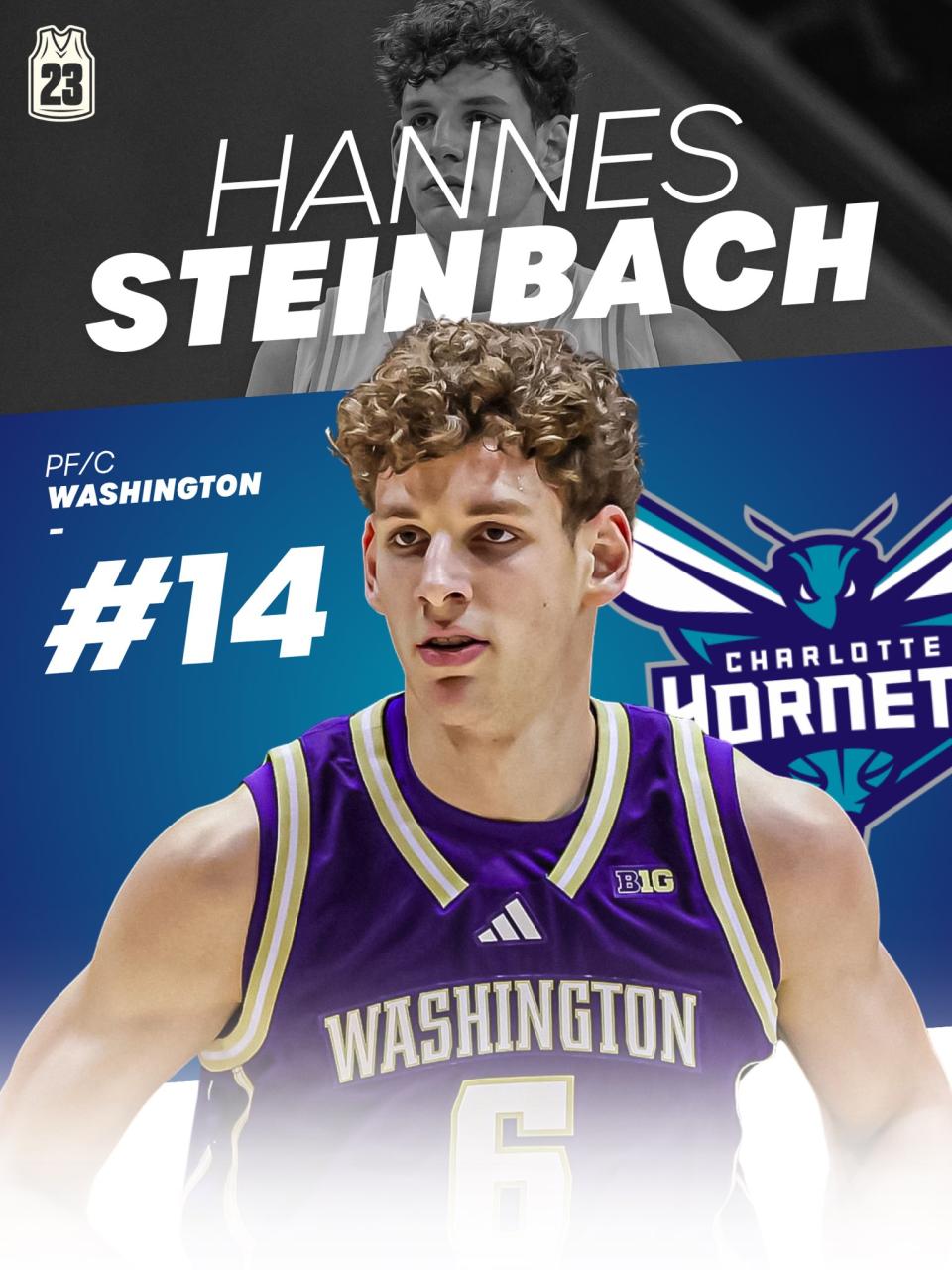
14. Hornets Select Steinbach
Grade: A
The Hornets needed frontcourt depth. Steinbach had already played professionally in Germany before attending Washington, bringing mature interior scoring and rebounding skills to the NBA. He has massive hands that secure every rebound and finish efficiently at the rim. He occasionally hits threes; if his shooting stabilizes, his value will skyrocket.
But he is not a full seven-footer, making him vulnerable when defending in space. Positive sign: he bulked up from 220 to 248 pounds since entering college, and his already solid physique now allows him to handle center duties.
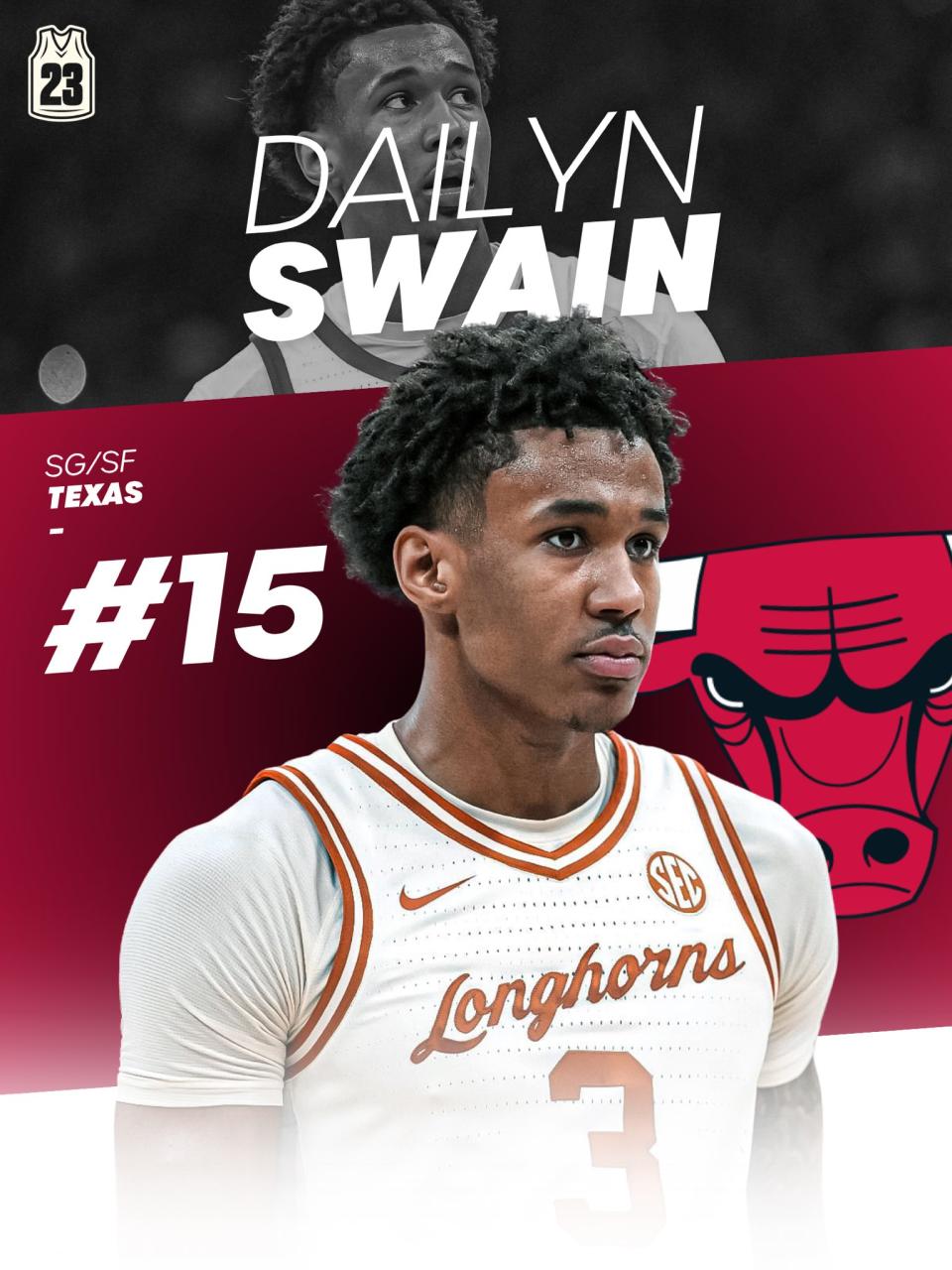
15. Bulls Select Swain
Grade: A+
After landing Wilson at No. 4, the Bulls found a steal in Swain at No. 15. He attacks the rim relentlessly, finishes with creativity, plays active defense, and has the potential to be a multi-position switchable wing.
His weakness is a very poor jump shot: stiff mechanics and low percentage, and he has avoided jumpers since high school. However, he has shown improvement in college, and his soft touch on free throws and around the rim suggests his shot can be refined.
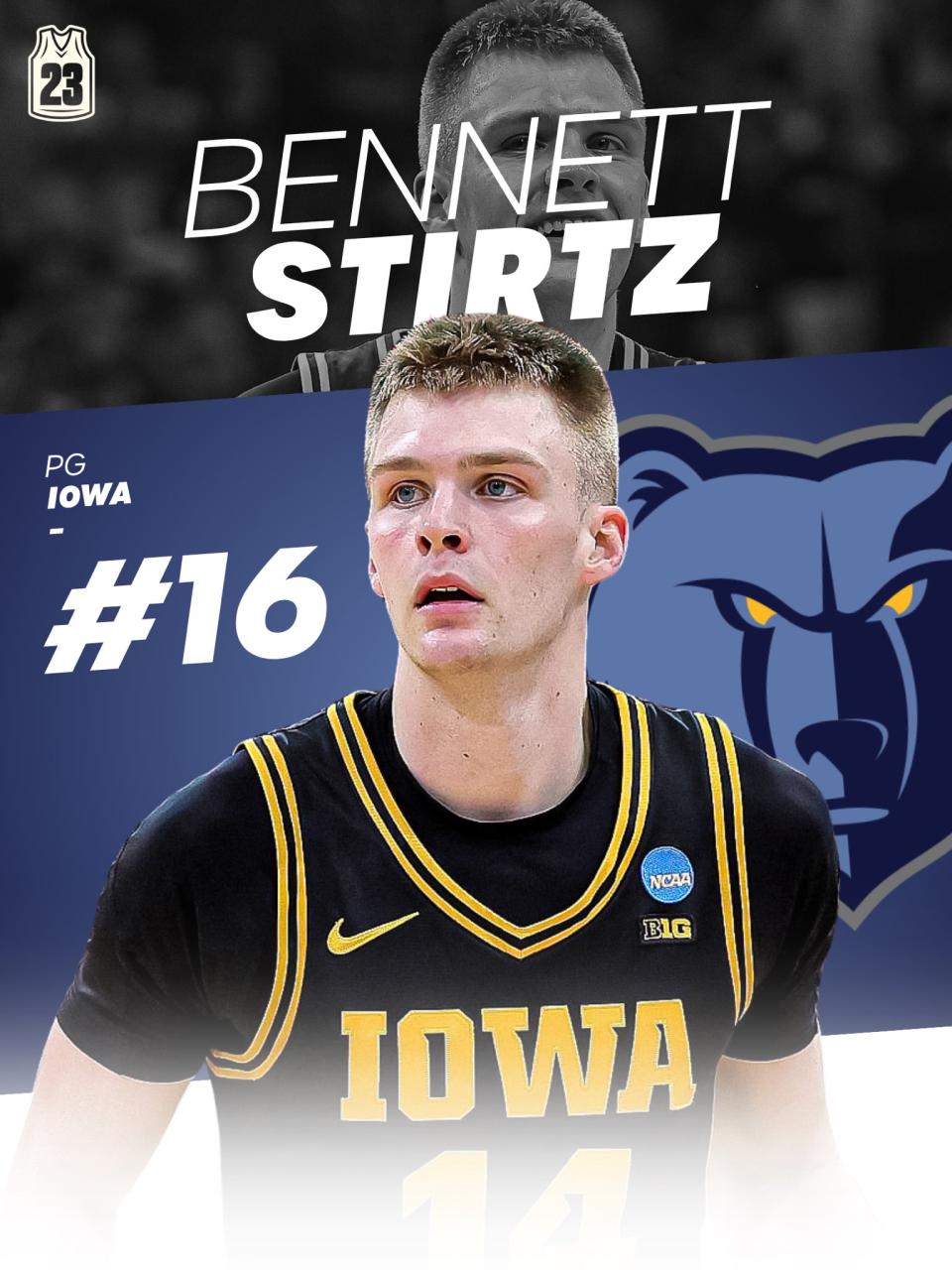
16. Grizzlies Select Stretz (traded to Thunder)
Grade: A
The Grizzlies traded the No. 16 pick to the Thunder, acquiring a playmaking guard.
Stretz has a unique feel for the game, but his average athleticism raises questions. His talent is undeniable: after transferring from Drake to Iowa, he showcased elite passing, shot fakes, and pull-up jumpers from NBA range. If he adapts to NBA physicality and speed, he can serve as both a floor general and an off-ball connector.
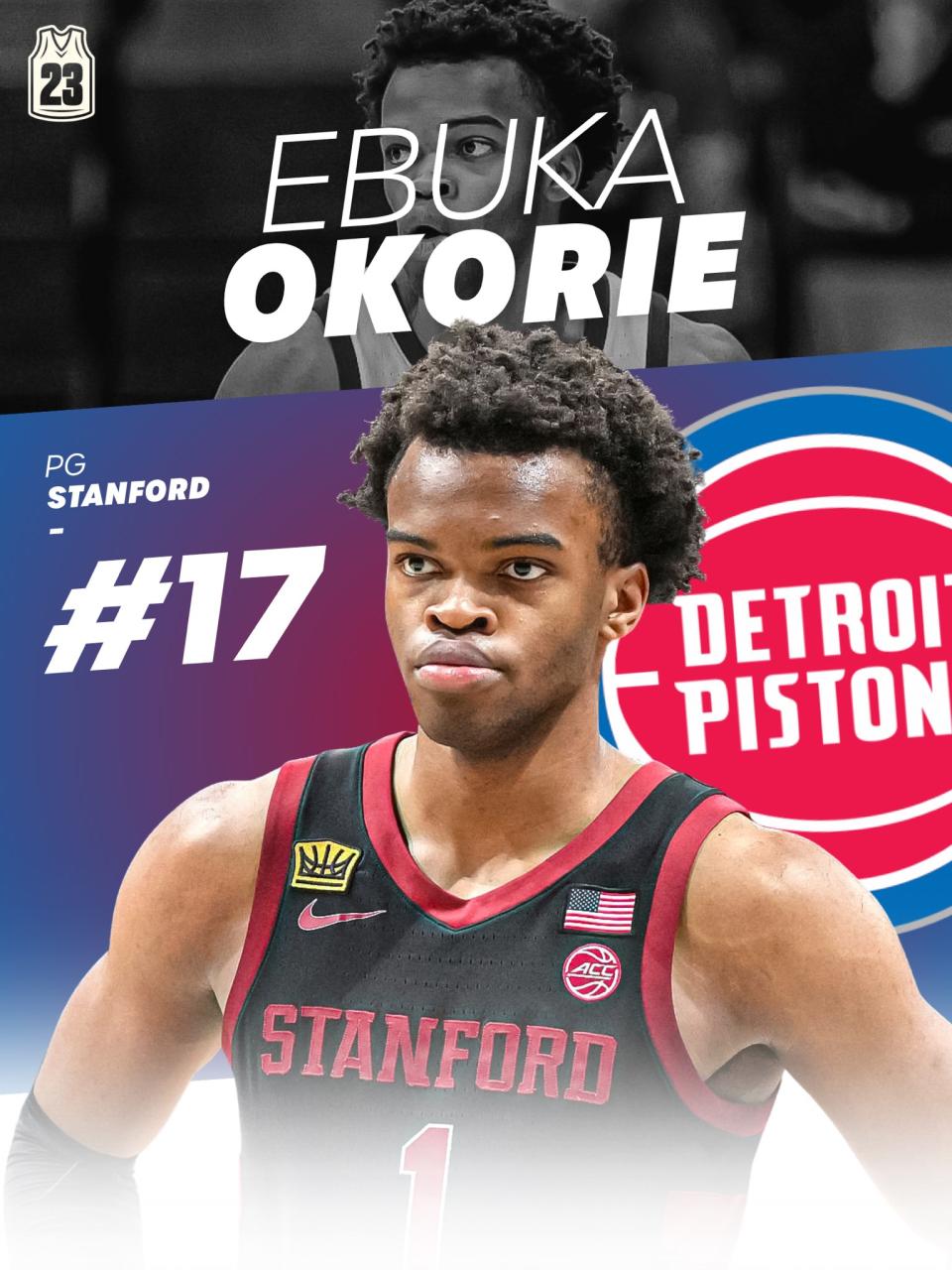
17. Thunder Select Okorie (traded to Pistons)
Grade: A+
The Grizzlies sent the No. 17 pick to the Pistons. Detroit needed more ball-handlers around Cunningham, and Okorie is the best slashing guard in this class—quick, agile, with tight handles, changes of pace, and mature reads.
He has average vertical leap and was a 100+ ranked high schooler from New Hampshire who committed to Harvard before Stanford poached him. He led the ACC in scoring, scored 30+ eight times, and is clutch in key moments.
Teams must evaluate whether his college slashing style will work against longer, more athletic NBA defenders.
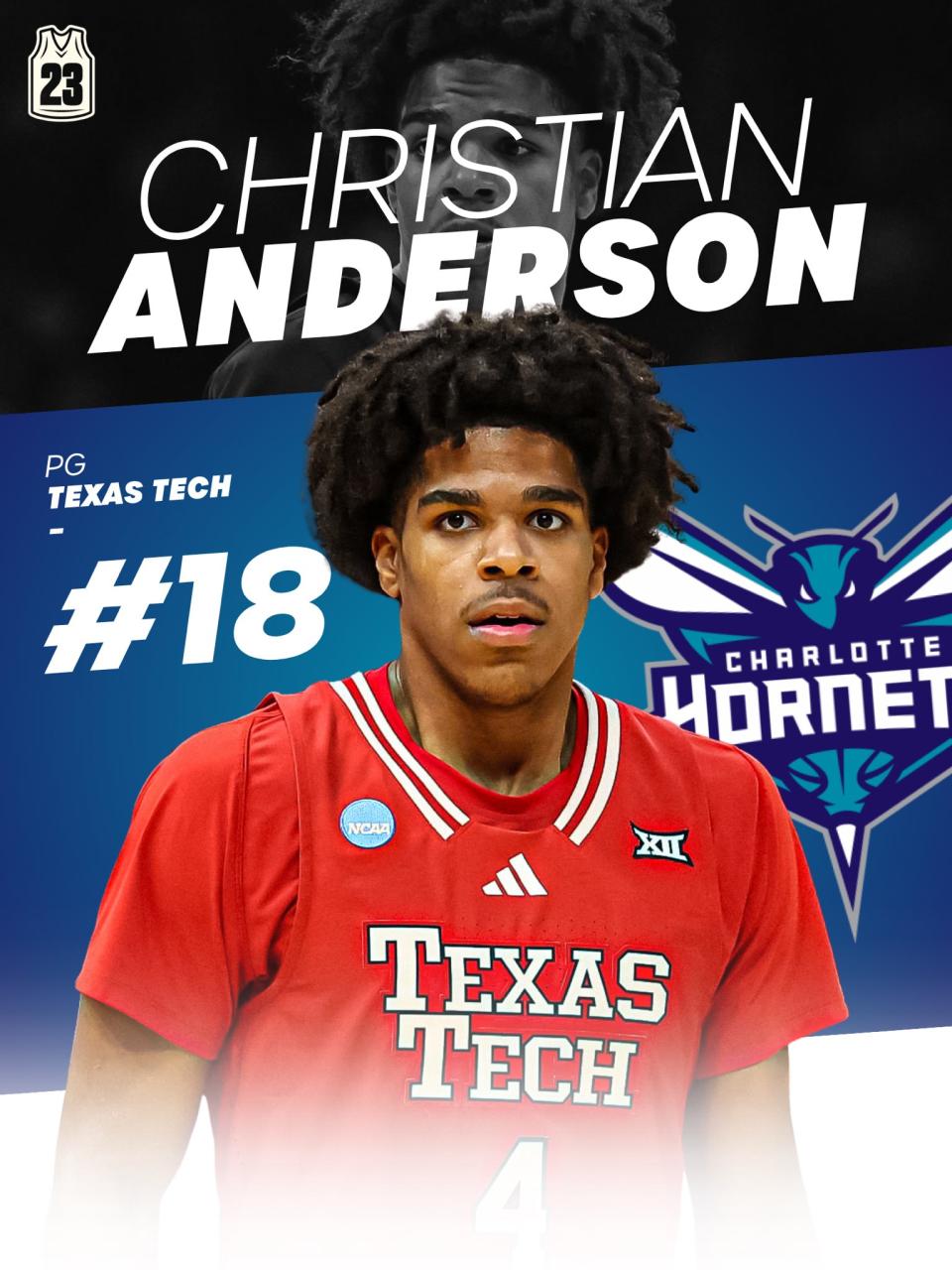
18. Hornets Select Anderson
Grade: A
The Hornets added another rotation guard in Anderson. Ranked 101st out of high school, he worked his way into first-round discussions with excellent pick-and-roll initiation and reliable spot-up threes.
He excels at creating easy scoring chances for teammates, but he is undersized and cannot consistently get to the rim. Small guards are naturally targeted on defense, and his development hinges entirely on whether his shooting translates to the pro level.
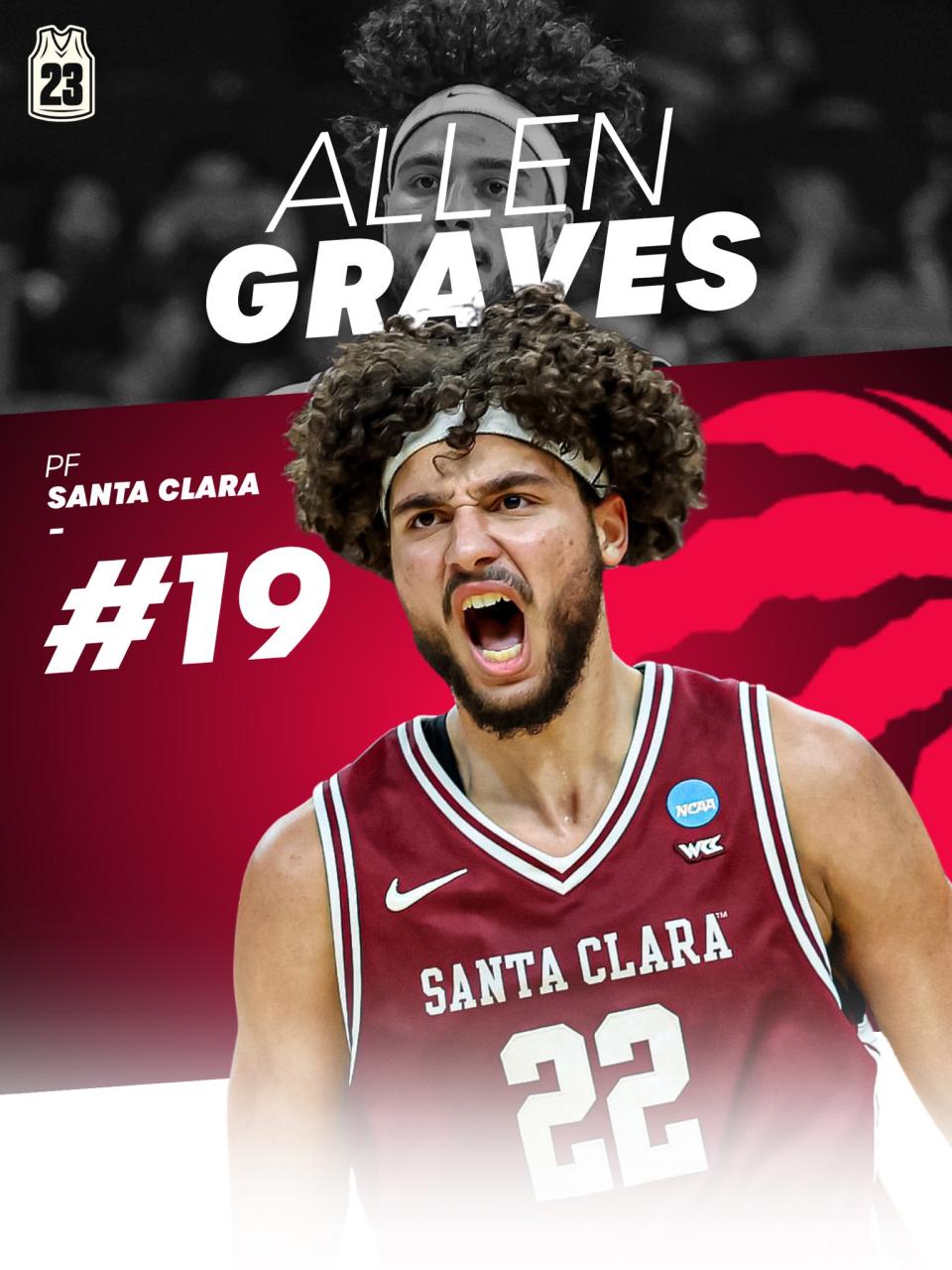
19. Raptors Select Graves
Grade: A
After losing Game 7 to the Cavs, the Raptors had two glaring needs: point guard and center. But by selecting Graves, a wing, the front office clearly wasn't just filling positional holes. Graves has refined skills for his height, having played point guard early in his career before a late growth spurt; he retained all his ball-handling and playmaking abilities. A redshirt freshman who came off the bench all season, he quietly became one of the most efficient players in the country.
His weakness is limited high-level reps as a career backup and average athleticism. But his advanced stats are outstanding, and his smooth feel for the game is obvious to the eye.
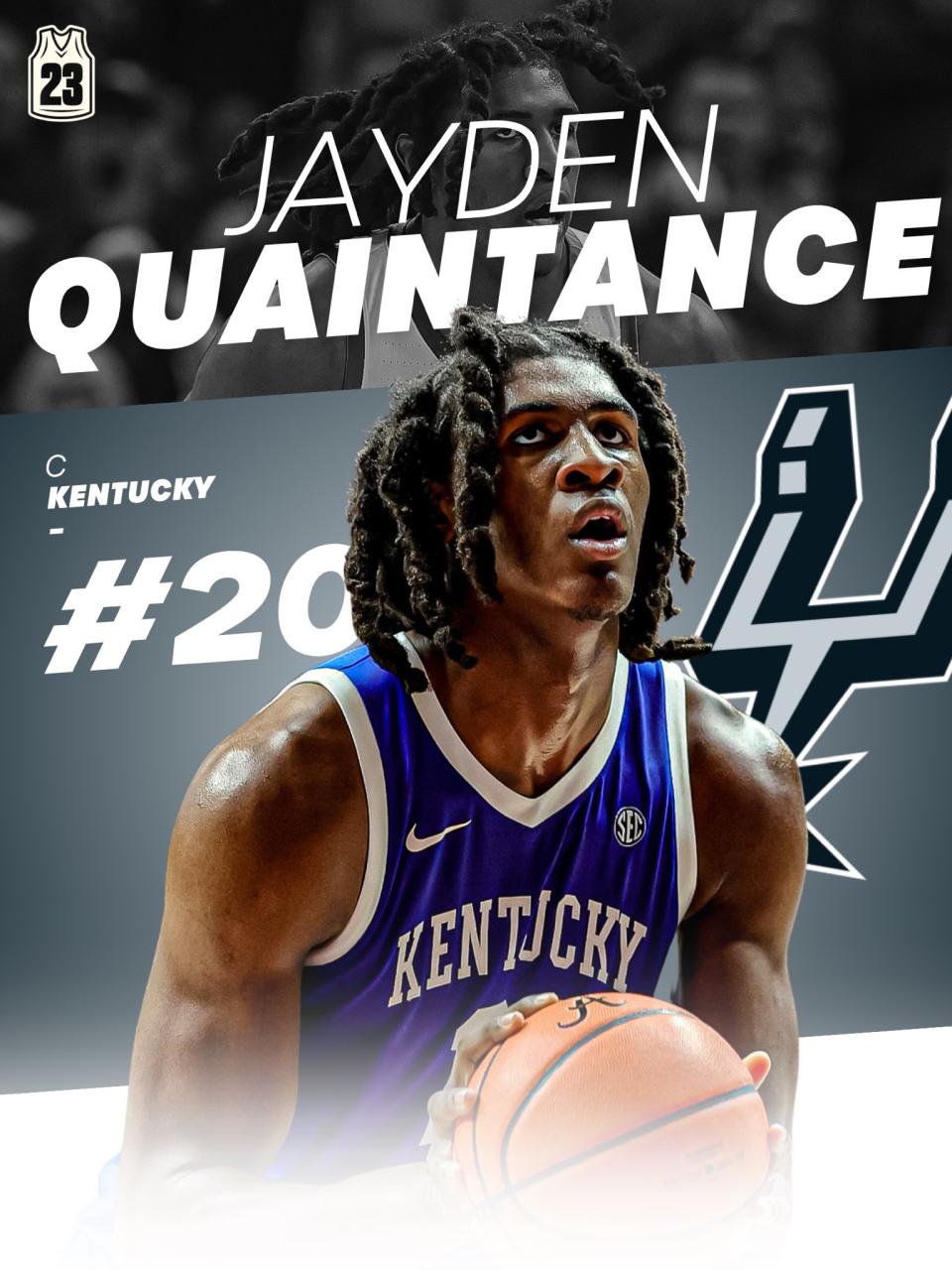
20. Spurs Select Quintas
Grade: B-
The biggest surprise of the draft: this player, who has undergone multiple knee surgeries, is a major risk, but the Spurs have always been willing to gamble on potential with high picks.
When they drafted Wembanyama, there were rumors they were interested in Brook Lopez. Quintas is a different type, but this pick signals that the Spurs plan to use twin towers extensively: Quintas can start alongside Wembanyama or pair with Kornet off the bench.
At Arizona State as a freshman, his rim protection and mobility were breathtaking, delivering elite defensive performances at age 17. He then suffered a torn ACL, meniscus damage, and a patellar fracture. After transferring to Kentucky, his knee swelled up, causing him to miss his entire sophomore season and preventing him from completing pre-draft workouts.
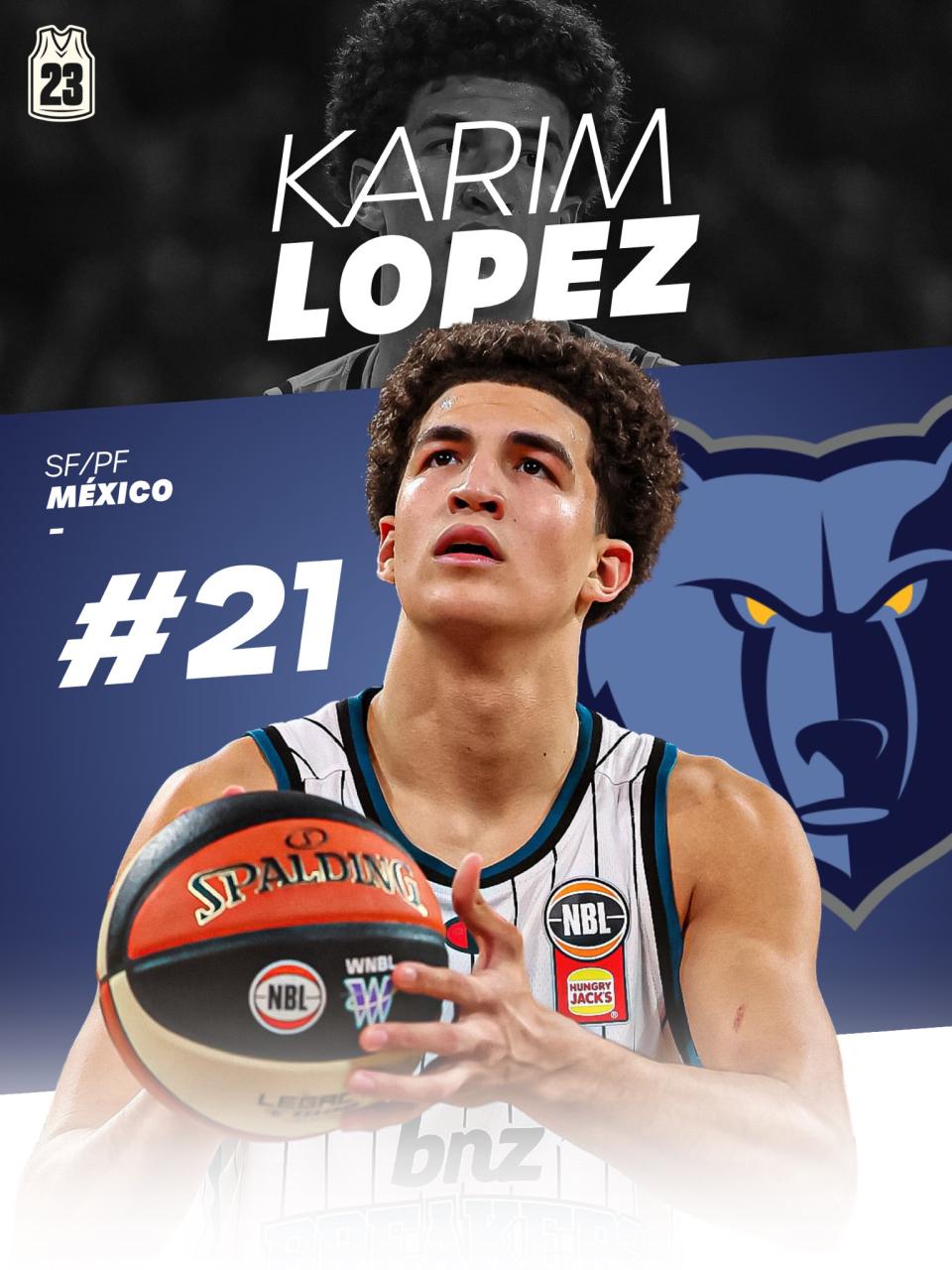
21. Pistons Select Lopez (traded to Grizzlies)
Grade: A+
After taking Boozer at No. 3, the Grizzlies found another gem in Lopez at No. 21—the greatest basketball prospect in Mexican history.
He left Hermosillo at age 14 to play professional youth basketball in Spain, moved to Oakland at 17, and shined for two seasons in the New Zealand NBL's Next Stars program.
His physical tools are elite, his game is physical, he can defend multiple positions, handle the ball, and his shooting is steadily improving. Currently a well-rounded player, his three-point shot is inconsistent, and he lacks a quick first step to blow by defenders.
Not every rookie projects as a star; Lopez's full set of functional skills makes him an ideal core role player for a contender, supporting the team's star players.
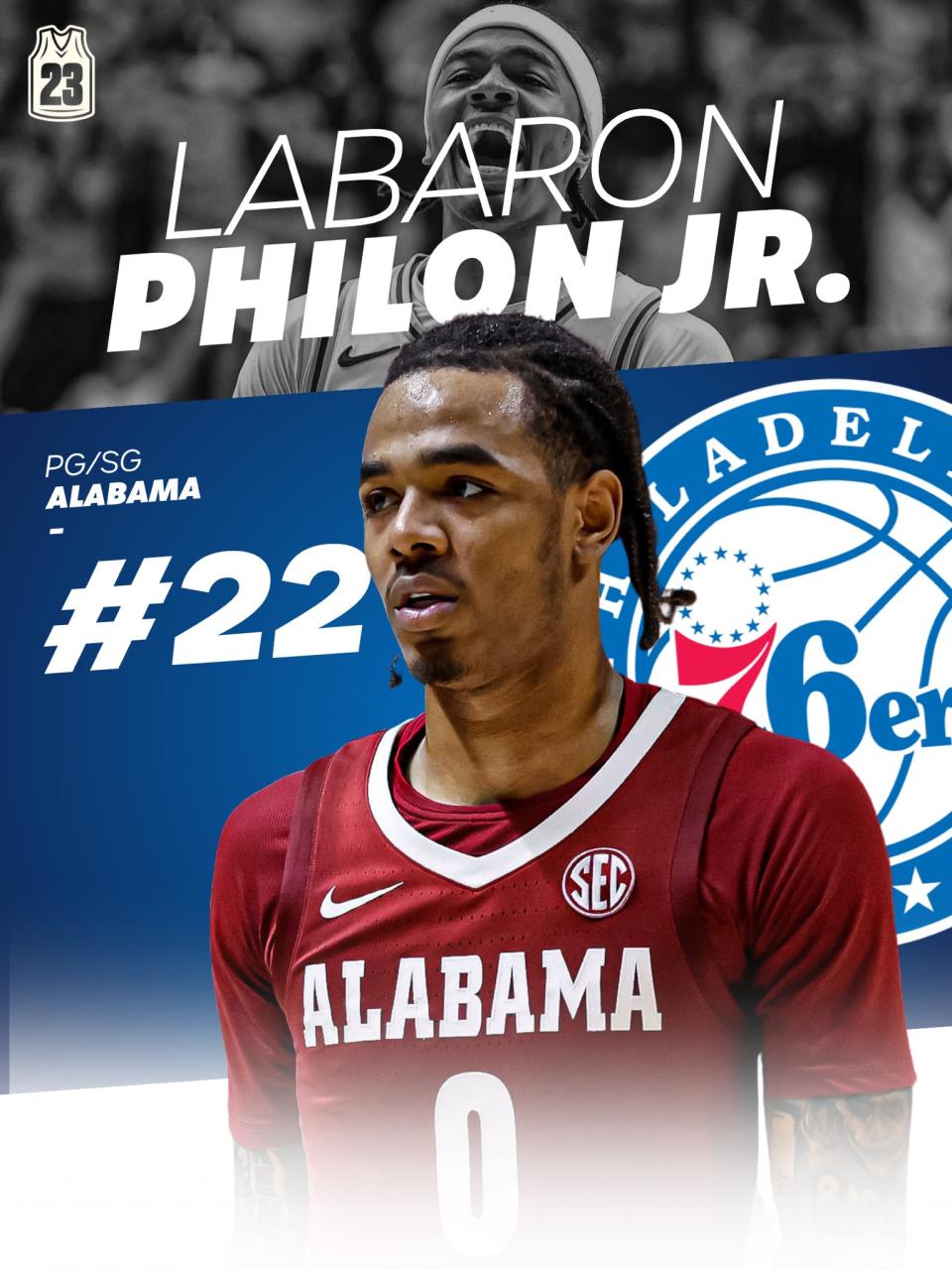
22. 76ers Select Fillon
Grade: B
Fillon at No. 22 is a reasonable value pick, but his fit with the 76ers' backcourt is awkward: the team already has Maxey and Edgecumbe, adding Fillon makes the backcourt undersized.
Fillon is quick and crafty, a score-first point guard who evolved into one of the top guards in the nation as a sophomore. He has a soft floater, slippery handles, clear playmaking vision, and has steadily improved his shooting.
But he has average vertical leap and weighs under 180 pounds—his slender frame is the biggest obstacle to stardom. The question: is the team trying to contend now, or purely stockpiling assets for the future?
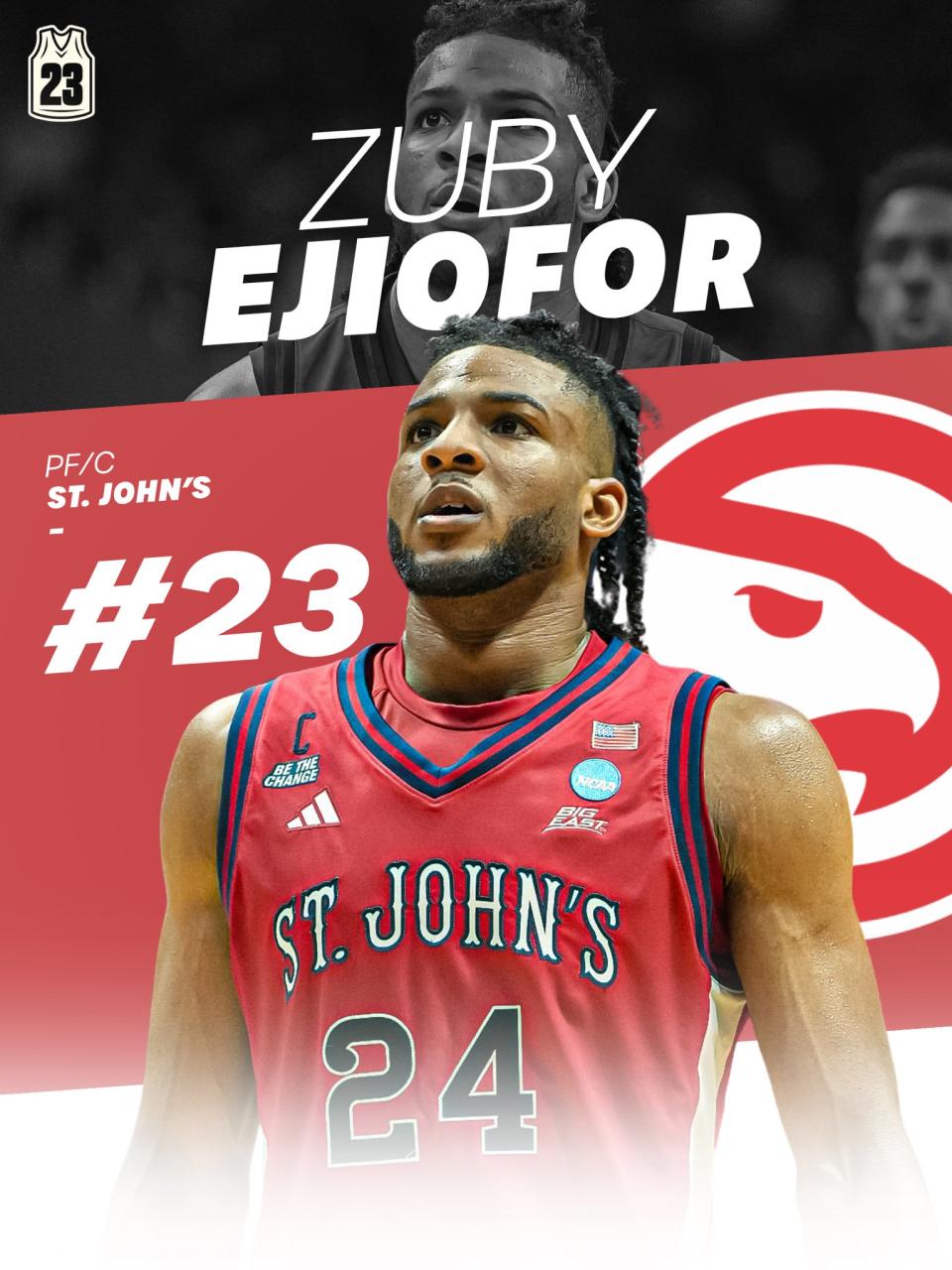
23. Hawks Select Ejiofor
Grade: C+
After taking Flemings in the lottery, the Hawks added frontcourt depth with Ejiofor at No. 23.
As a freshman at Kansas, coach Self said he couldn't get consistent minutes in the Big 12. Three years later, he swept the Big East Player of the Year, Defensive Player of the Year, Tournament MVP, and Academic Athlete of the Year—the first player in conference history to win all four in one season. He led St. John's to a win over his former team in the Round of 32, returning the program to the Sweet Sixteen for the first time in 25 years.
Ejiofor's game is built on three pillars: relentless energy, long arms, and multi-positional defense. His concerns are that he is undersized for center and his jump shot is still a work in progress, but his current development rate should earn him NBA minutes.
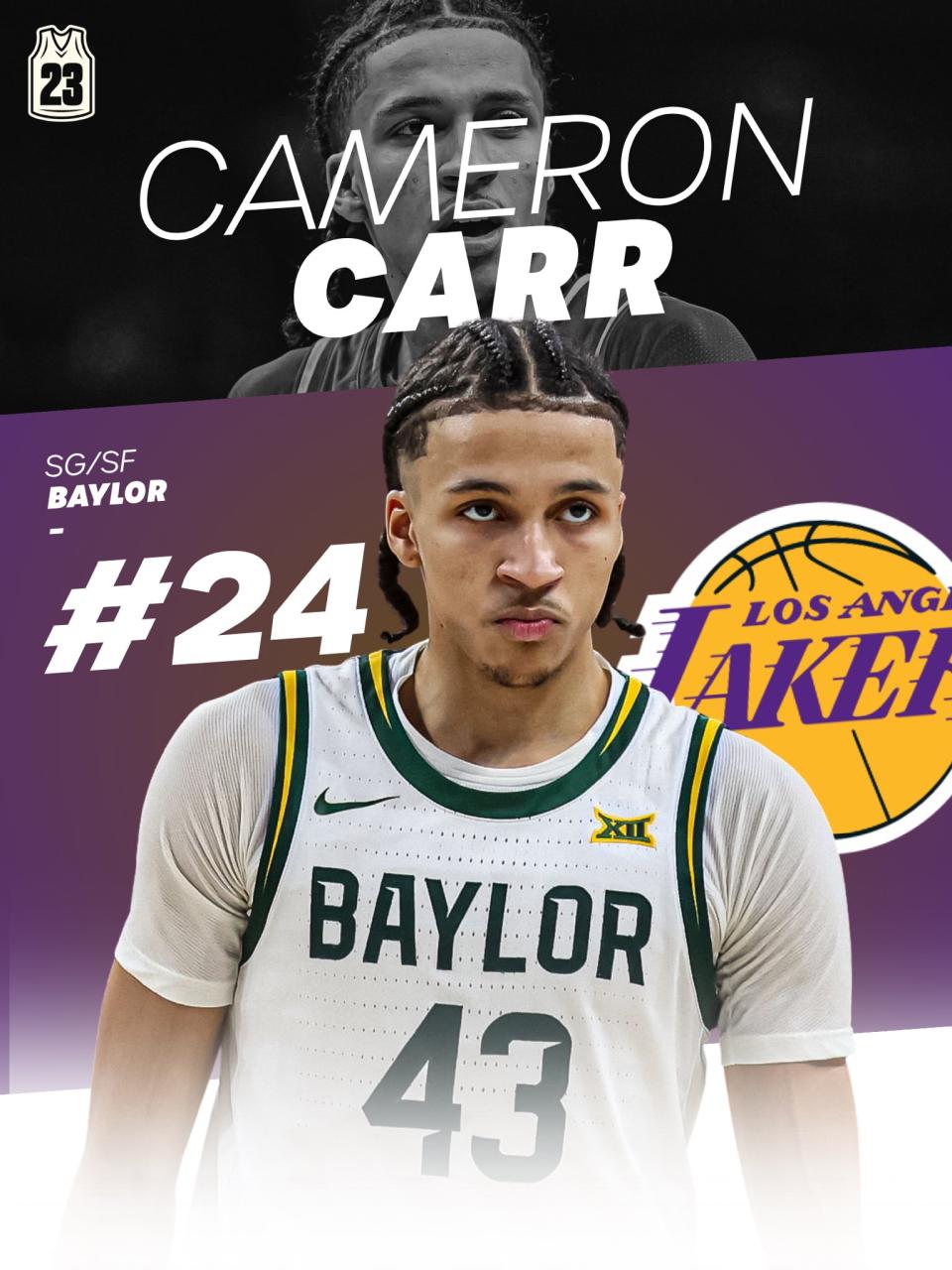
24. Knicks Select Carl (traded to Lakers)
Grade: A-
Doncic said in an interview he wants more floor spacers to reduce double teams. The Lakers traded up with the Knicks to acquire the No. 24 pick and got Carl. He was anonymous in two seasons at Tennessee, then transferred to Baylor and became the team's leading scorer with high three-point volume and nearly 40% accuracy. He is a polished 3-and-D role player, with steadily improving off-the-dribble scoring.
Coming from a basketball family—his father is former NBA player Chris Carl—he has a full set of NBA-ready skills. But he is light, has limited game reps, and NBA physicality will be a challenge. The Lakers need his shooting and ball-handling to bolster their wing depth.

25. Lakers Select De La Rea (traded to Mavericks)
Grade: A+
After picking Morez Johnson at No. 9, the Mavericks traded for international guard De La Rea. This tall Spanish playmaker has elite feel, reliable spot-up threes, and fits perfectly in a team system. He dislocated his shoulder in the 2024-25 season and withdrew from that draft, which turned out to be a blessing: this season, he got heavy usage with a top EuroLeague team and his numbers exploded.
With his height, IQ, and multi-positional defense, if his international game translates, he can lock down a rotation spot with the Mavericks.
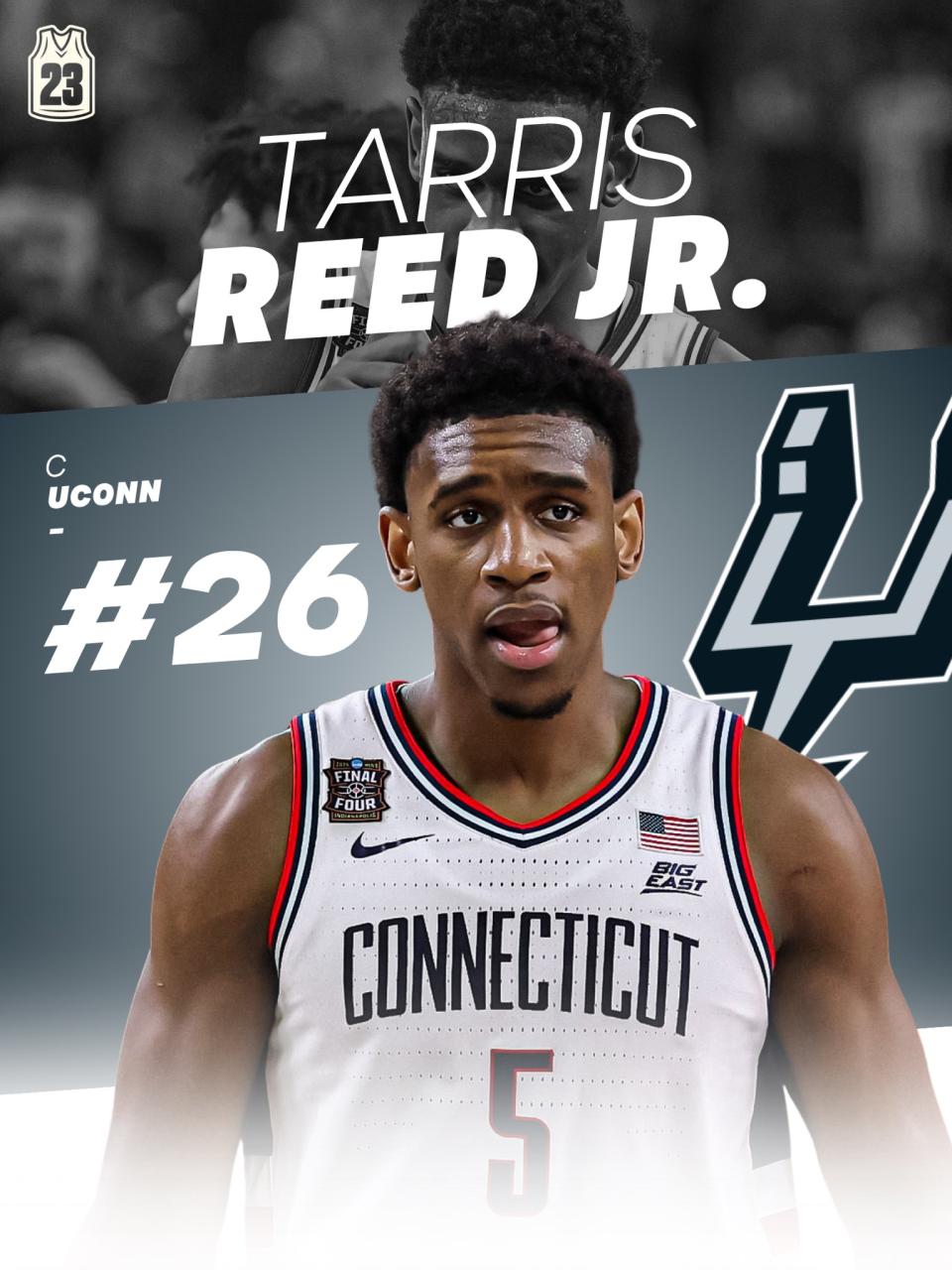
26. Nuggets Select Reed (traded to Spurs)
Grade: B-
The Spurs traded up from No. 35 to No. 26, selecting another big man after Quintas at No. 20.
He is a throwback traditional back-to-the-basket center who performed best in big games, leading Connecticut to the national finals. He does all the dirty work inside: finishing at the rim, rebounding, and blocking shots. Outside of screens and simple passes, his outside shooting and perimeter defense are clear weaknesses, limiting his upside. He will turn 23 in his rookie year, further reducing his potential growth.
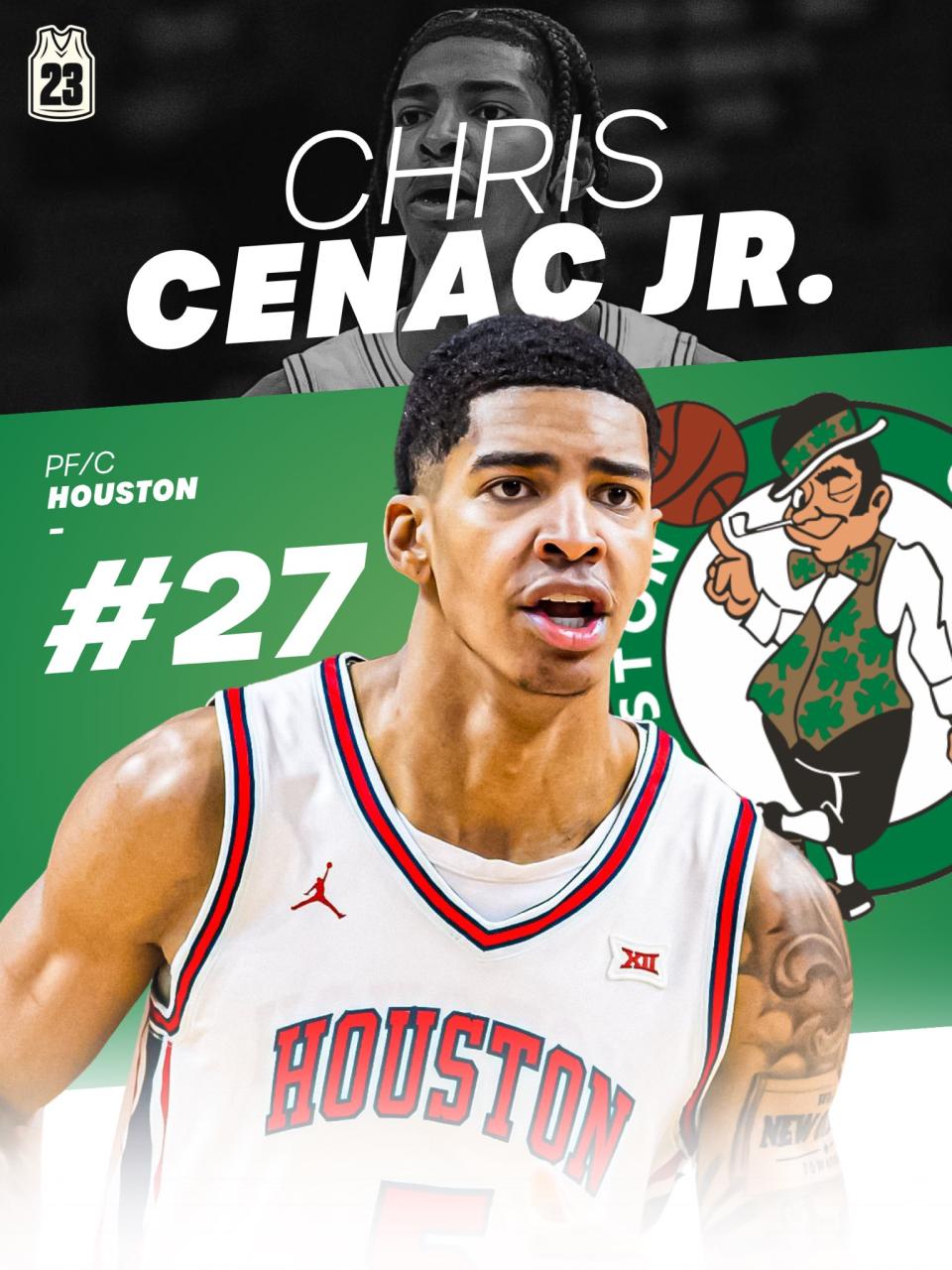
27. Celtics Select Senac
Grade: A
Keita had a solid season, but after the Celtics blew a 3-1 lead and lost to the 76ers, they urgently needed an upgrade at center. Senac is an ideal candidate.
On paper, he is perfect: explosive athleticism, fluid movement like a wing, long arms to contest shots, and the ability to stretch the floor. Houston University aimed for a title and gave him starting minutes and a heavy role.
But the team fell short again, partly due to Senac: he was foul-prone, inefficient at the rim, and despite his bulky frame, he was too eager to play on the perimeter. He entered college as a lottery prospect, and still has untapped potential, but the Celtics will need patience to develop this raw talent.
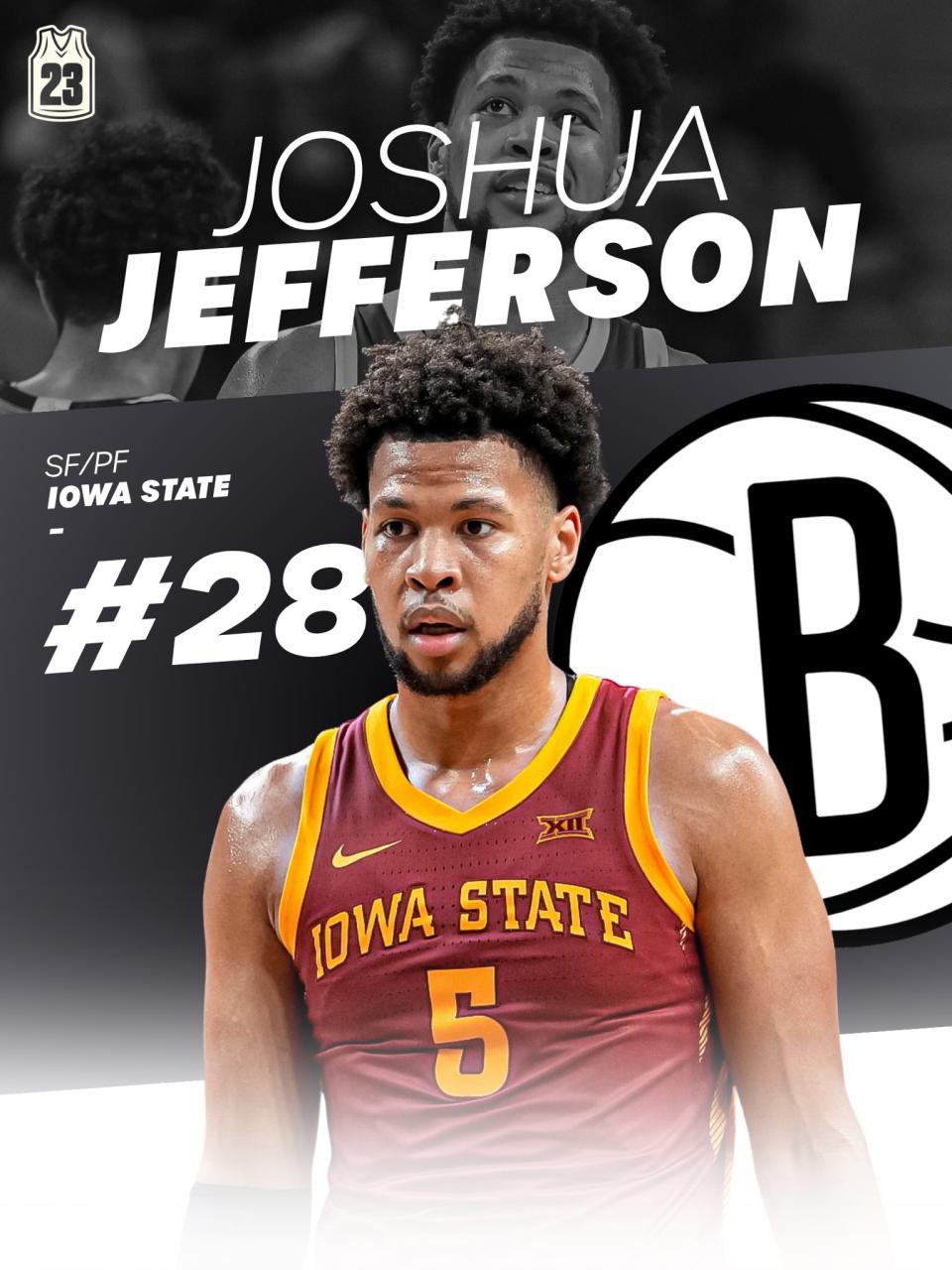
28. Timberwolves Select Jefferson (traded to Nets)
Grade: C
He will turn 23 soon, making him better suited for a contending team needing instant impact, not the rebuilding Nets. Jefferson excels at the little things, but his jump shot and off-the-dribble game need significant improvement. As a role player, his shooting deficiency is a major red flag.
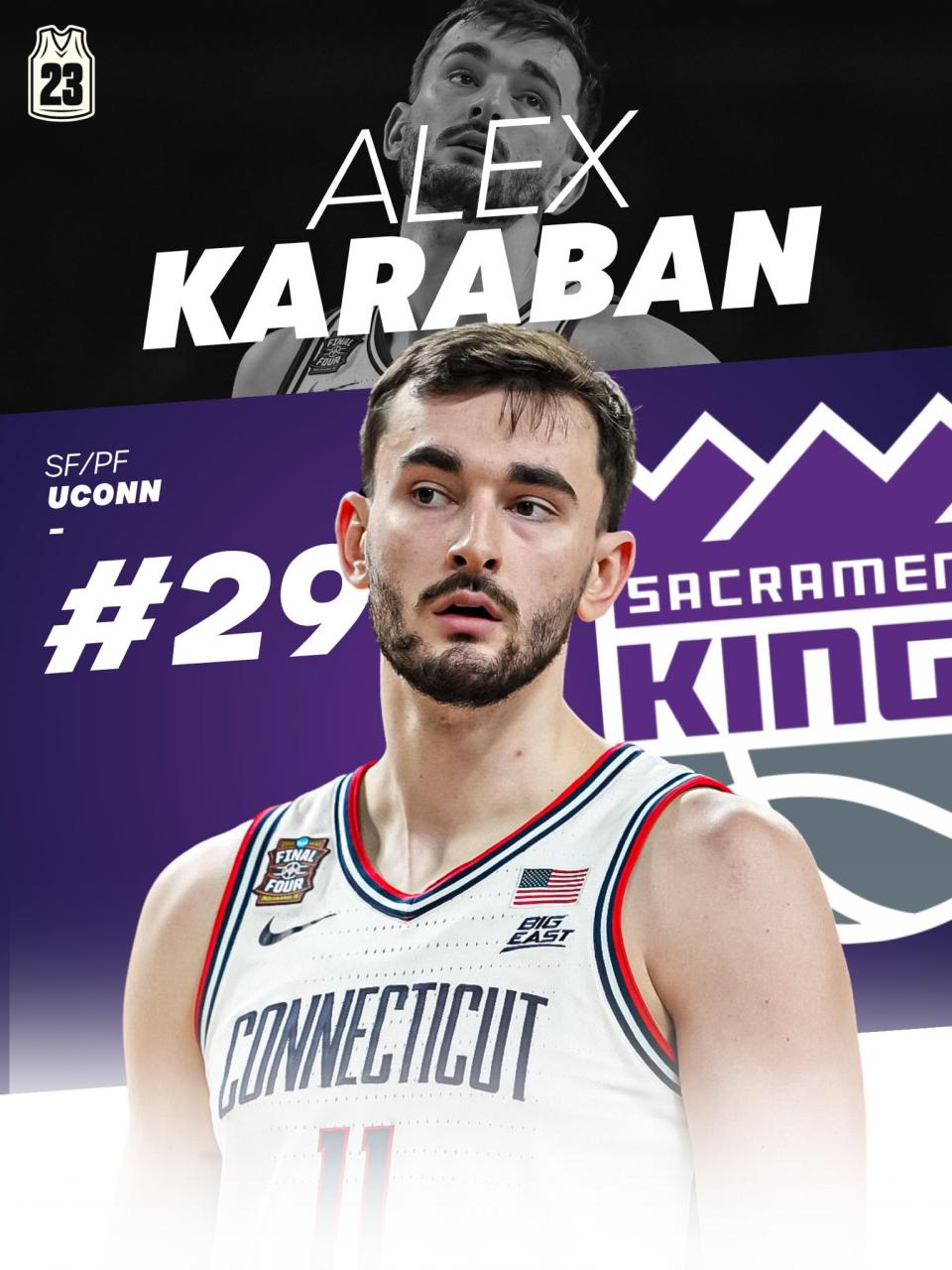
29. Cavaliers Select Caraban (traded to Kings)
Grade: A+
If the defense relaxes for even a second, Caraban will make them pay with a three. His off-ball movement and cutting timing are precise, and all his offensive moves are efficient and simple. On defense, he is active and smart, compensating for average athleticism.
But he will be 24 as a rookie, limiting his upside. His shooting form is unusual, and he rarely pulls up off the dribble. If his role-player game doesn't adapt quickly to the league, his margin for error is much smaller than other rookies.
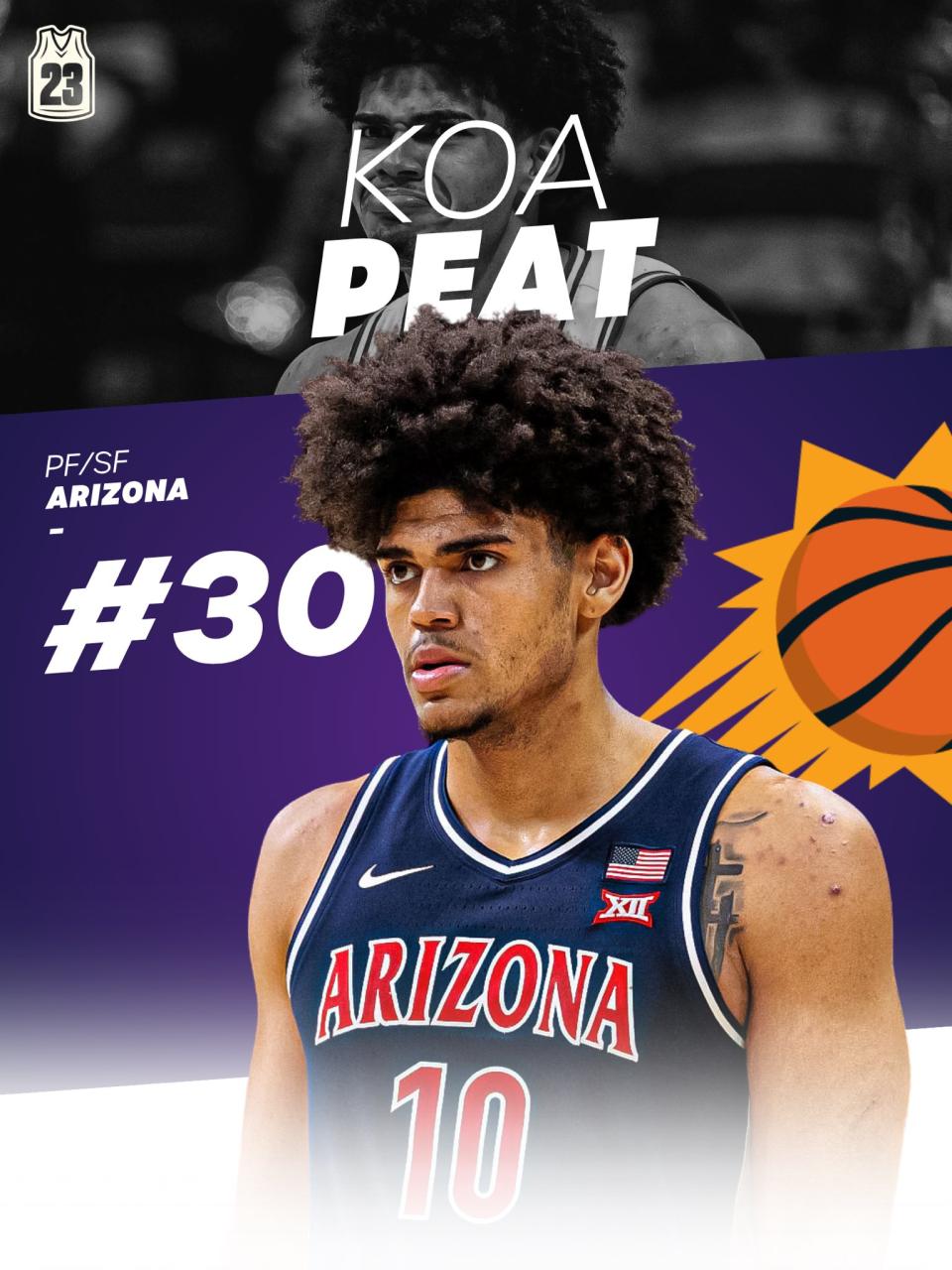
30. Mavericks Select Pitt (traded to Suns)
Grade: B-
The Suns traded up to get a first-round pick, selecting hometown product Pitt, who played high school and college basketball in Arizona.
His family is full of offensive linemen in football, making his basketball career stand out: his father played nine NFL seasons, his uncle was a Pro Bowl tackle, and two older brothers played college football on the line. His game perfectly inherits that toughness: strong, physical, never giving up. Stopping his drives requires special measures.
In the season opener against defending champion Florida, he scored 30 points and anchored Arizona all season, leading them to the Final Four. However, he has no three-point range right now and must play alongside a spacing center. He can also serve as a small-ball five in switching lineups.


Wonderfulshortvideo
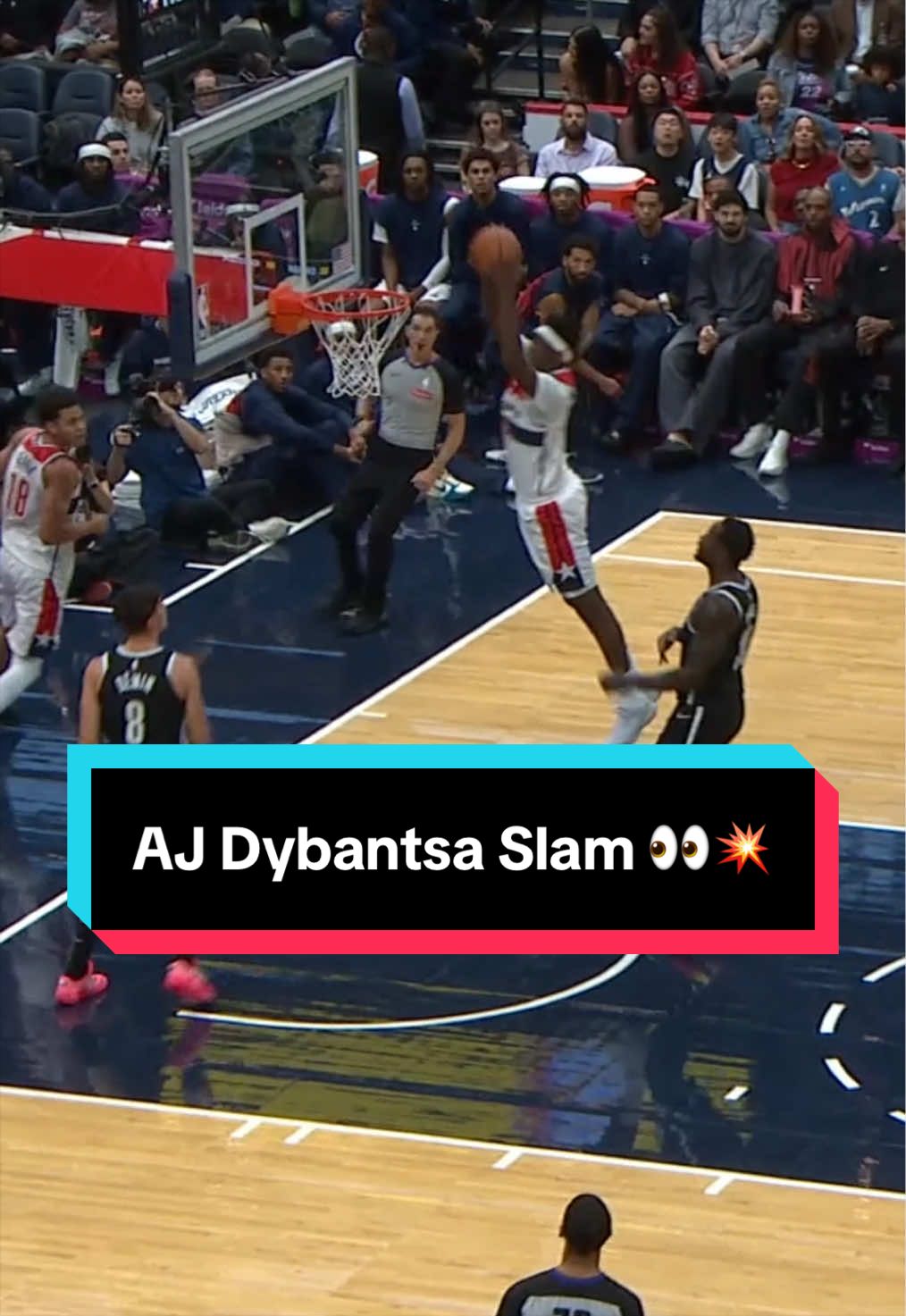
AJ got air on that one 🔥


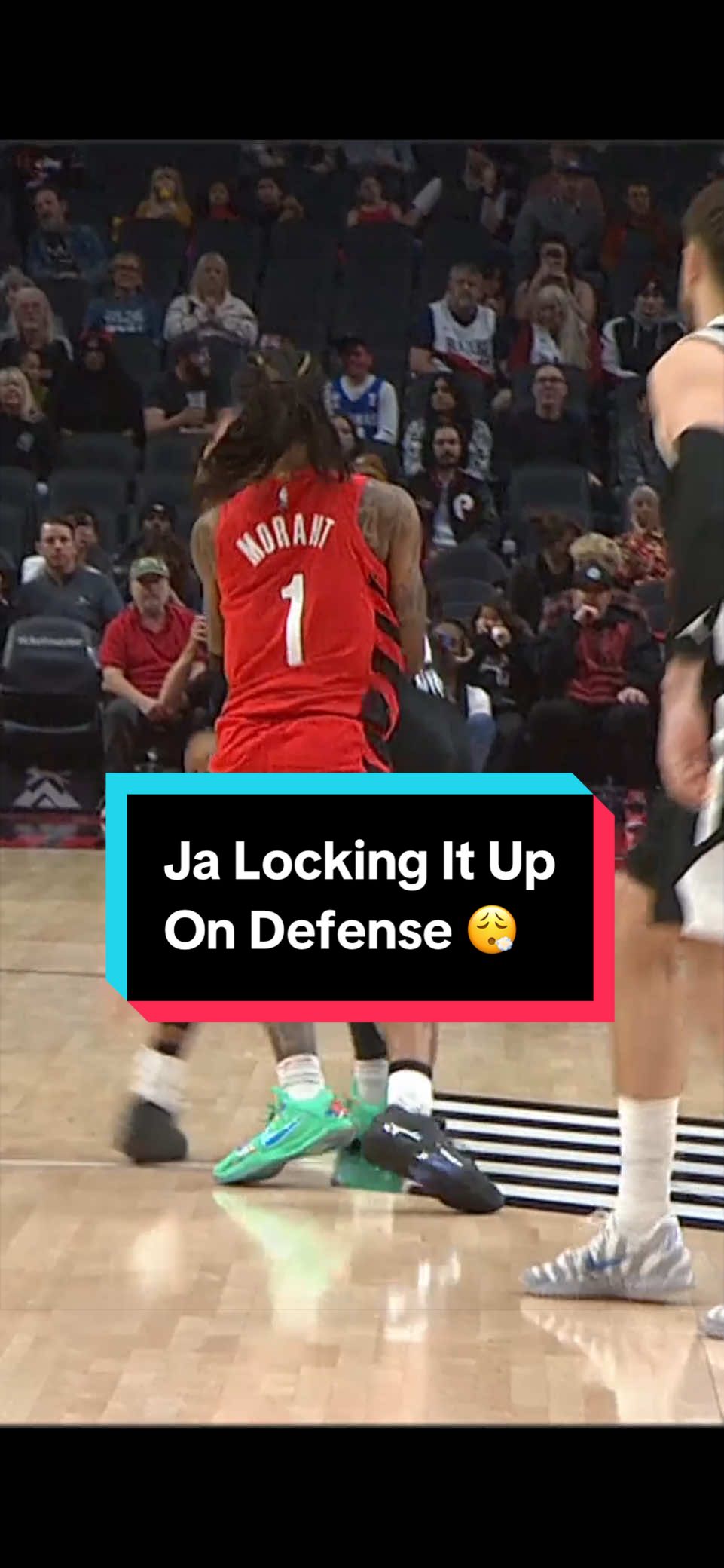
Ja was giving it his all 👏
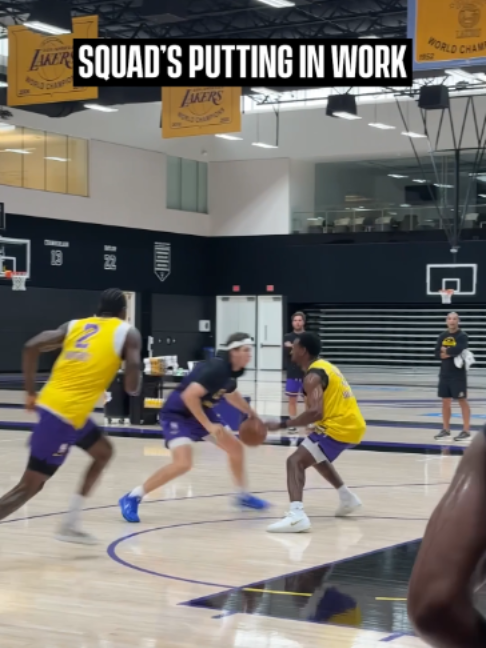
Stacking good days
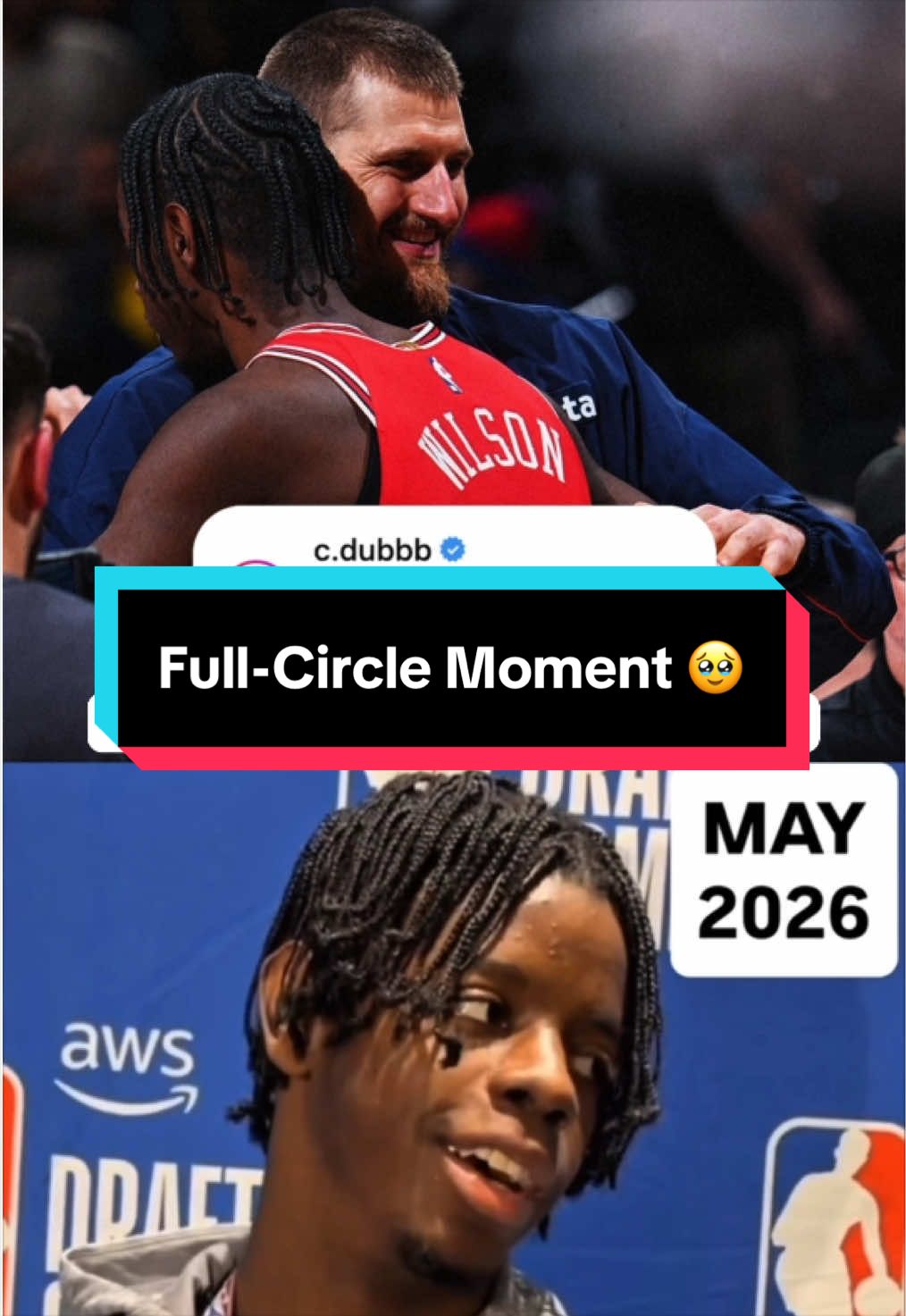
Caleb shared a special moment with Jokić after Bulls/Nuggets preseason matchup! (📸: @DNVR_Nuggets/X)
Good looks 🤝
Ja goes the distance for the slam 🏃
This moment when Shaq broke the backboard never gets old 😭
 Links
Links
 Contact
 App
App


