



Reeves' 4-year, $185 million deal isn't about whether it's worth it or not.



Prior to the start of free agency, the Lakers secured Reeves early with an extension, avoiding the unpredictability of the open market. By opting out of his $14.9 million player option, Reeves inked a fresh four-year, $185 million maximum deal with Los Angeles.
The breakdown of this four-year contract is as follows: $41.3 million for the 2026-27 season; $44.6 million for 2027-28; $47.9 million for 2028-29; and $51.2 million for 2029-30 (player option). For comparison, Trae Young recently signed a four-year, $212 million deal, so Reeves' contract doesn't seem too outrageous when viewed in that light.
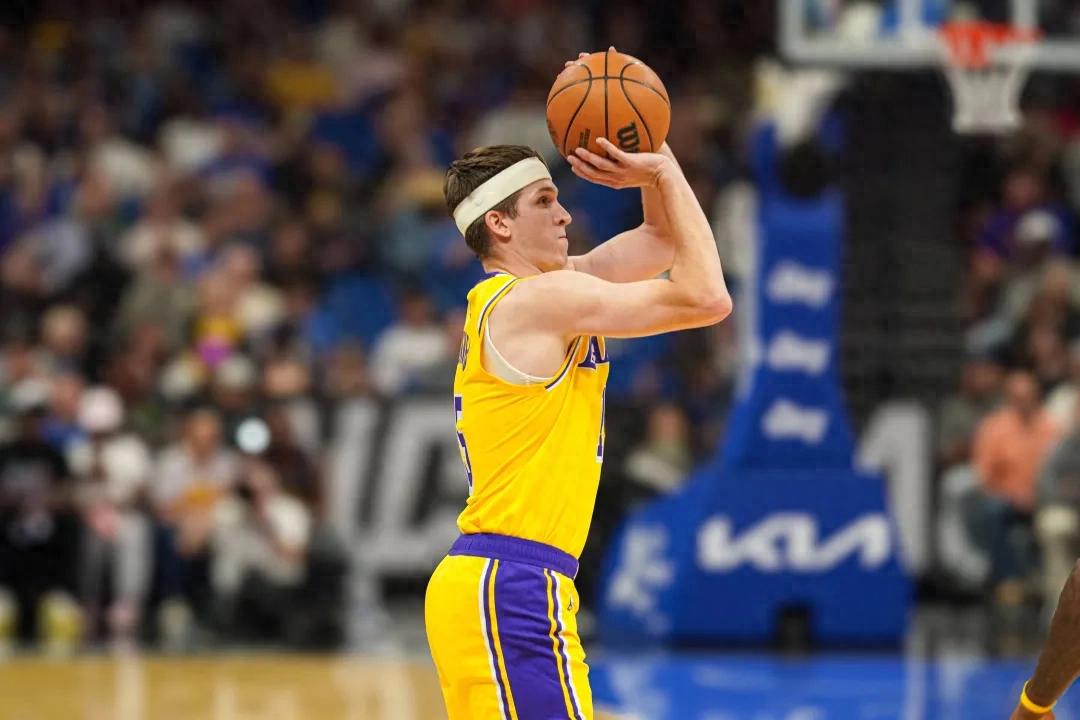
I know many people immediately called it an overpay when they saw the news, but for the Lakers, it's not a question of value. The real issue is whether they could afford to lose Reeves. If Reeves was a must-keep, then you can't expect to retain him at a salary that perfectly matches his market value—because in free agency, some team would inevitably offer him an inflated contract.
Take the Pistons, for example, who have been searching for a secondary playmaker in the backcourt. Shams reported that Reeves was expected to receive multiple free-agent offers, including from Detroit, potentially at max money. After missing out on Reeves, the Pistons cleared Stuart's salary and turned their attention to Powell. Meanwhile, before acquiring Randle, the Nets were also frequently linked to Reeves.
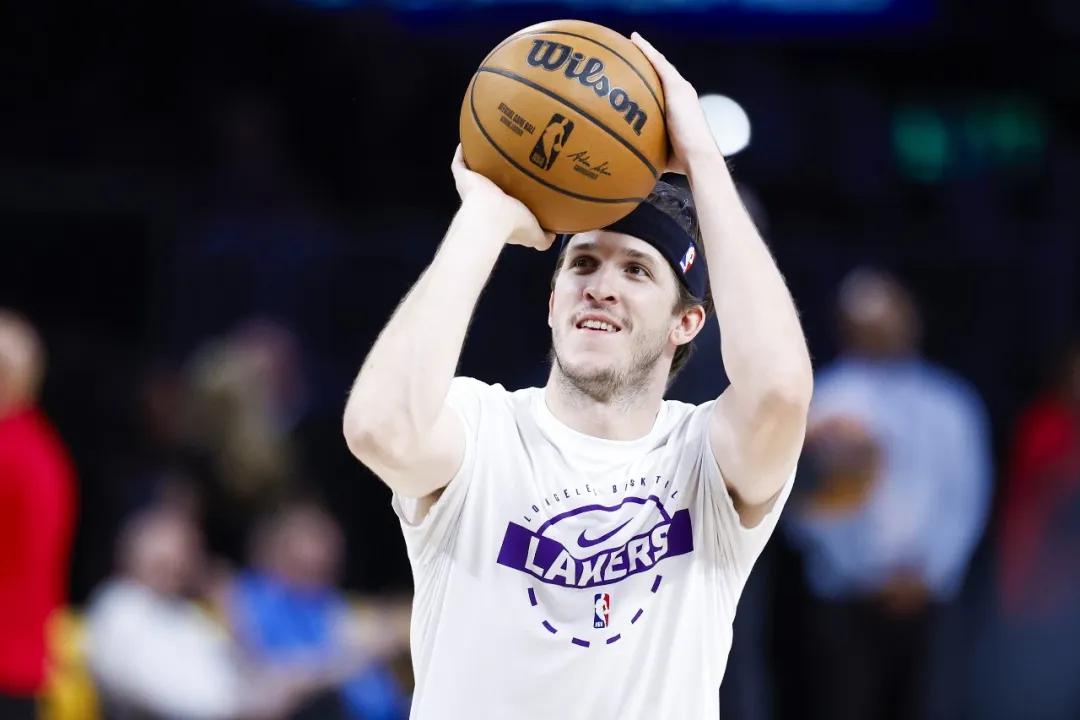
If Reeves had entered free agency, other teams could have offered him up to $179 million over four years. So essentially, the Lakers matched what other teams would have given him, paying a few million extra—a negligible amount when spread across the four-year deal.
Keep in mind that Reeves could have signed a five-year, $240 million supermax with the Lakers. Settling for a four-year max isn't a complete failure for the front office; in fact, they might be quite satisfied with this contract and are already popping champagne.
Reeves' $185 million over four years also shatters the previous record for the largest contract ever signed by an undrafted player, which was Fred VanVleet's three-year, $128 million deal. It's safe to say this record will stand for a long time.
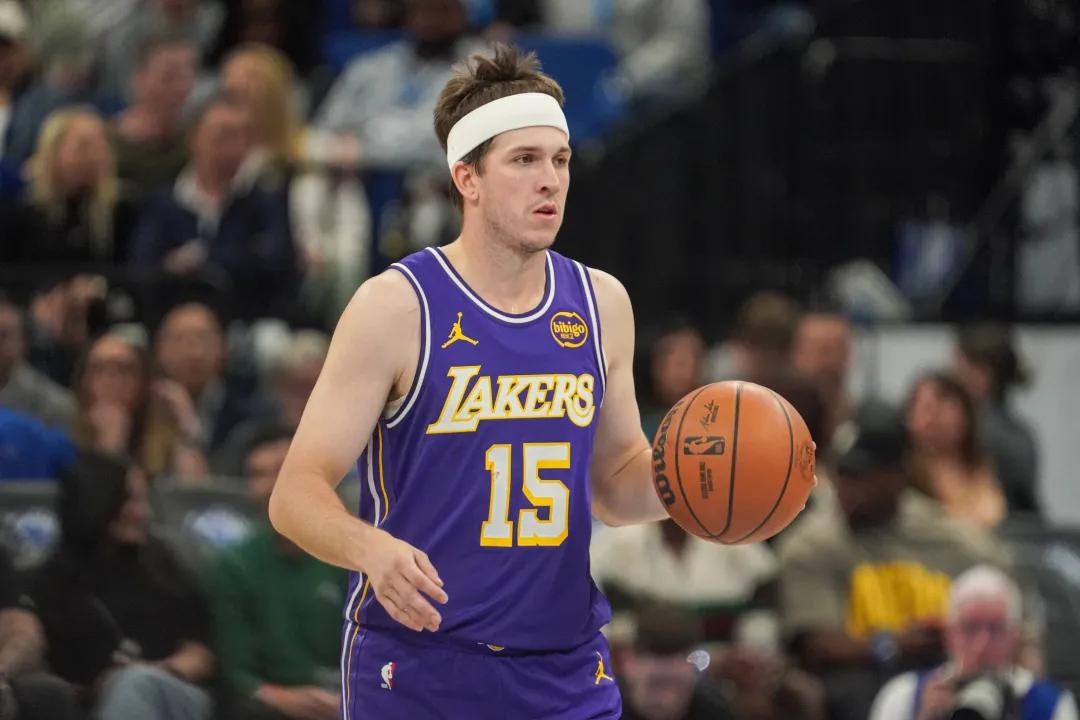
The size of Reeves' contract doesn't significantly impact the Lakers' moves this summer, since his cap hold was only $20.9 million. No matter how big the final deal, it only counts that much against the cap. The real impact will be felt in the Lakers' salary structure in subsequent years, but that's a story for another day.
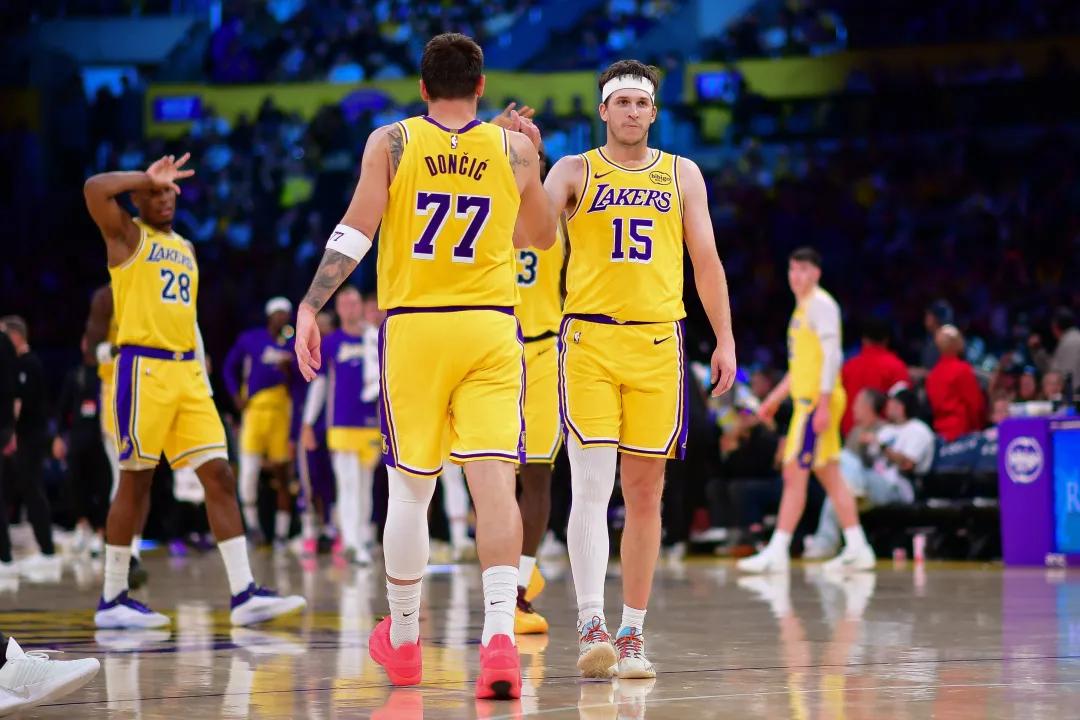
The Lakers' goal for the next few years is to build around Luka Dončić, and Dončić has always had a great relationship with Reeves—Reeves is arguably Dončić's favorite teammate on the Lakers. Even setting aside Reeves' on-court production, the Lakers need to keep him to provide Dončić with emotional support.
Last season was undoubtedly a breakout year for Reeves. He averaged 23.3 points, 4.7 rebounds, 5.5 assists, and 1.1 steals per game in the regular season, shooting 49% from the field, 36% from three, and 87% from the free-throw line. He took on a heavy workload and proved his ability to carry scoring volume, essentially becoming the Lakers' second option.
In the playoffs, Reeves rushed back from an injury, which is quite admirable. If he were thinking about his contract, he could have simply skipped the first-round series against the Thunder and avoided the embarrassing situation of being exploited by their guards.
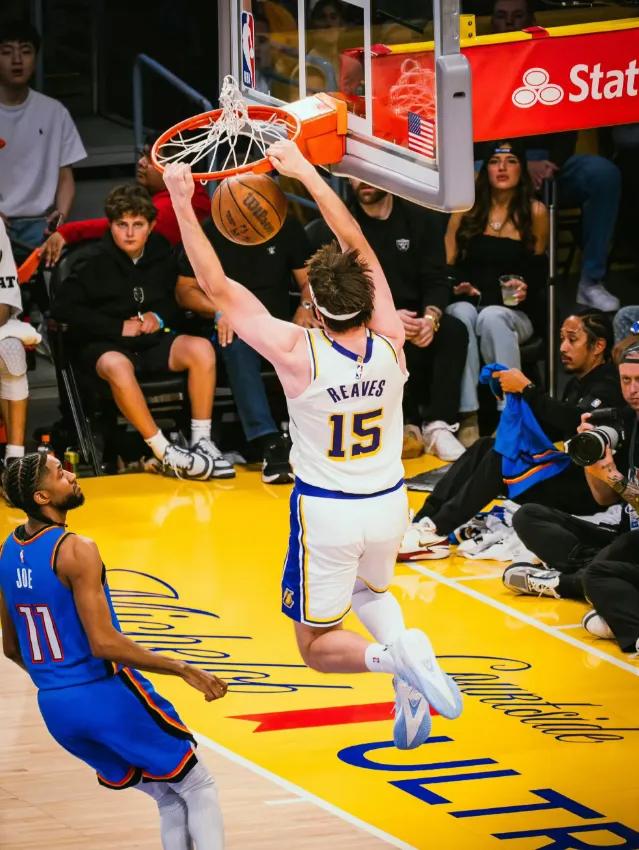
Even so, aside from Game 1 against Oklahoma City, Reeves fulfilled his offensive responsibilities and put up respectable numbers. Over the final three games, he scored 31, 17, and 27 points respectively. To be honest, achieving those totals against the Thunder's defensive pressure is a solid testament to Reeves' scoring ability.
Of course, everyone knows that the defensive pairing of Reeves and Dončić in the backcourt is weak. Since the team has committed to this building approach, they'll have to compensate for these defensive liabilities through other means.
The Lakers still have plenty of work to do this offseason: extending Rui Hachimura, deciding whether to pick up the options on Marcus Smart and Deandre Ayton, and determining how much to offer Luke Kennard. Most importantly, of course, is the question of LeBron James' future.
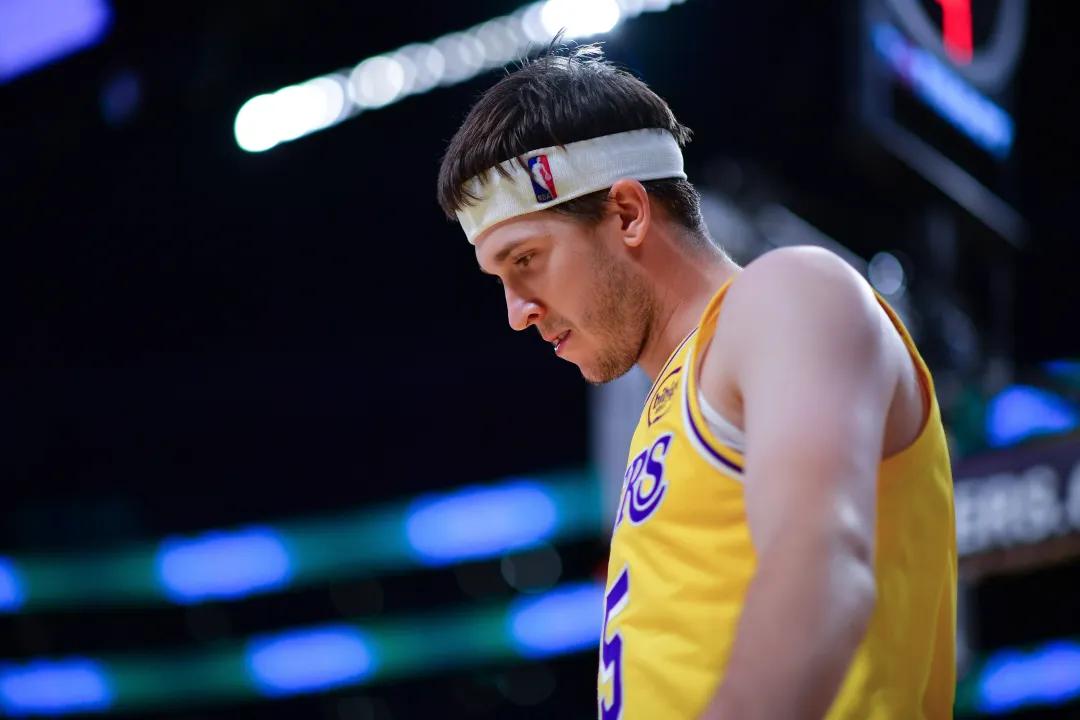
From a farm in Arkansas to signing the second-largest contract in Lakers history under the bright lights of Los Angeles, Reeves' story as an undrafted player is truly legendary. When he decided on draft night to go undrafted and start his career with the Lakers, the gears of fate had already begun to turn.


Wonderfulshortvideo
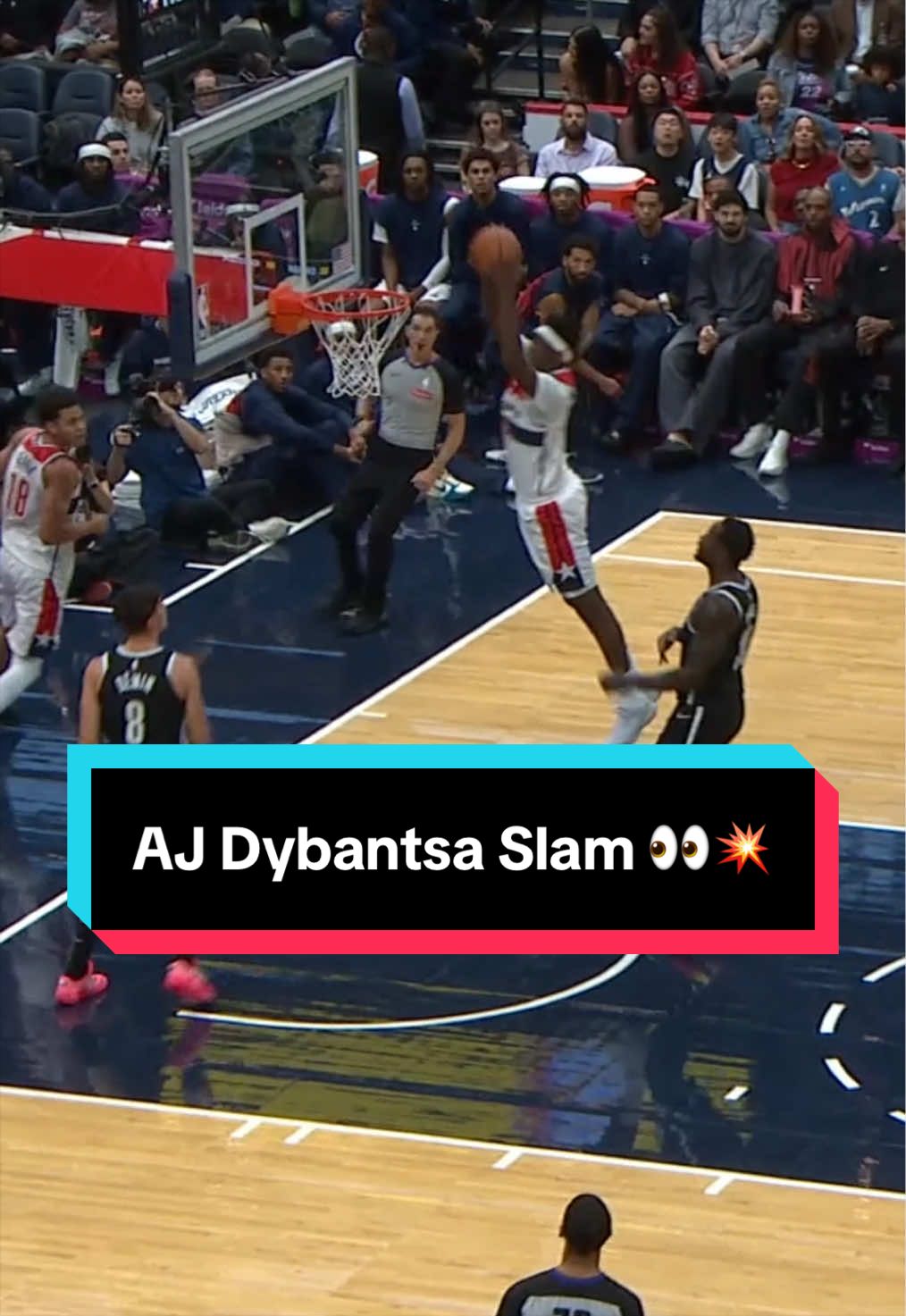
AJ got air on that one 🔥


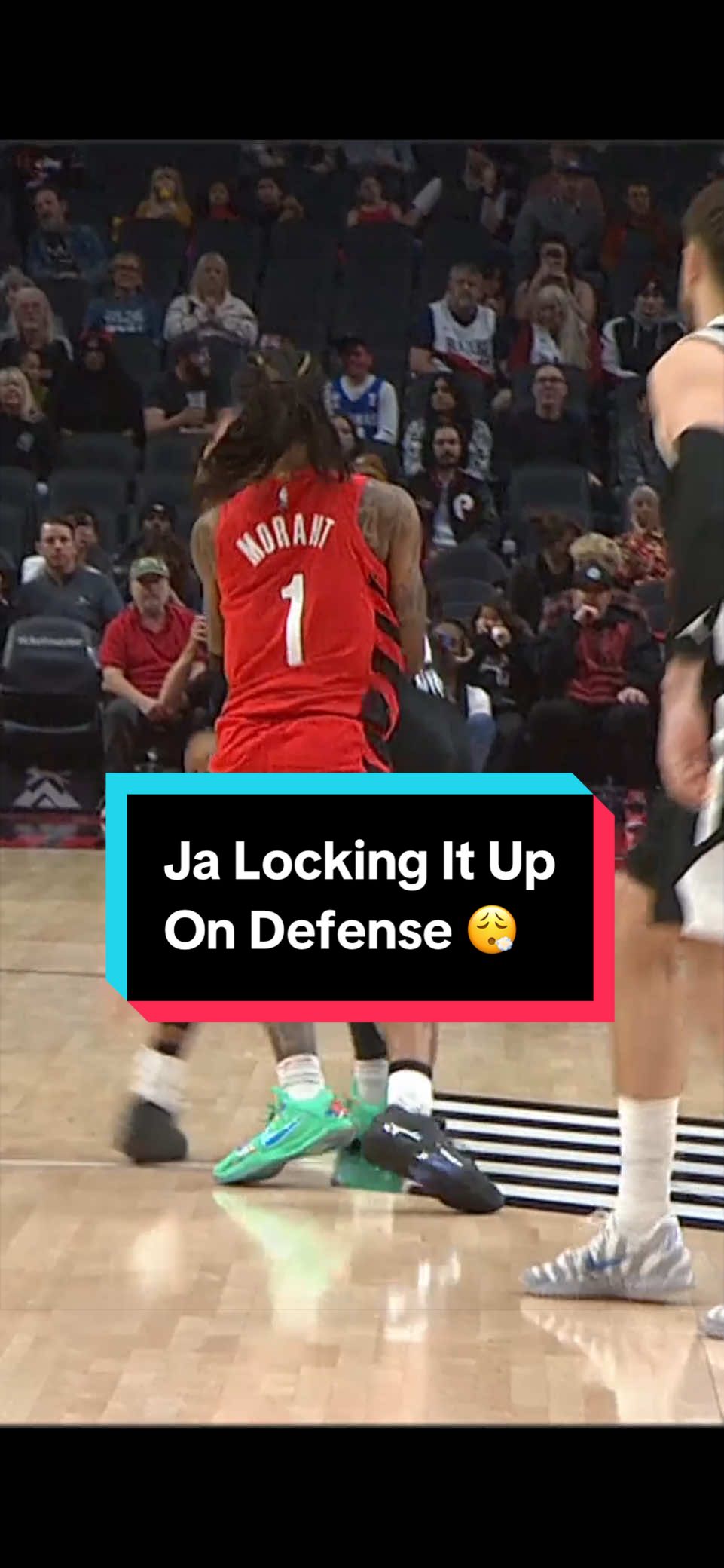
Ja was giving it his all 👏
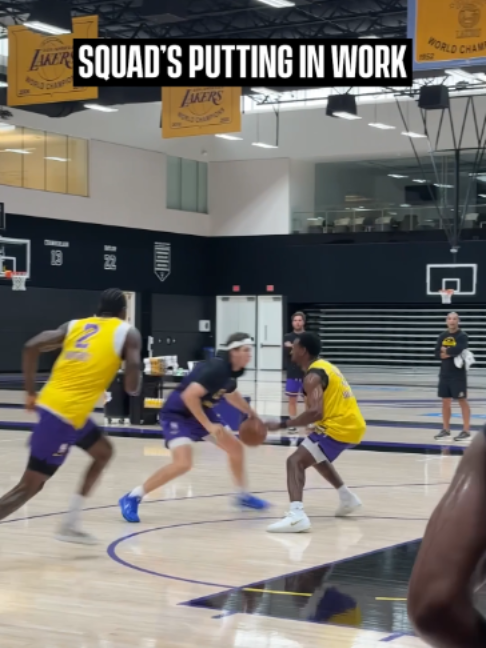
Stacking good days
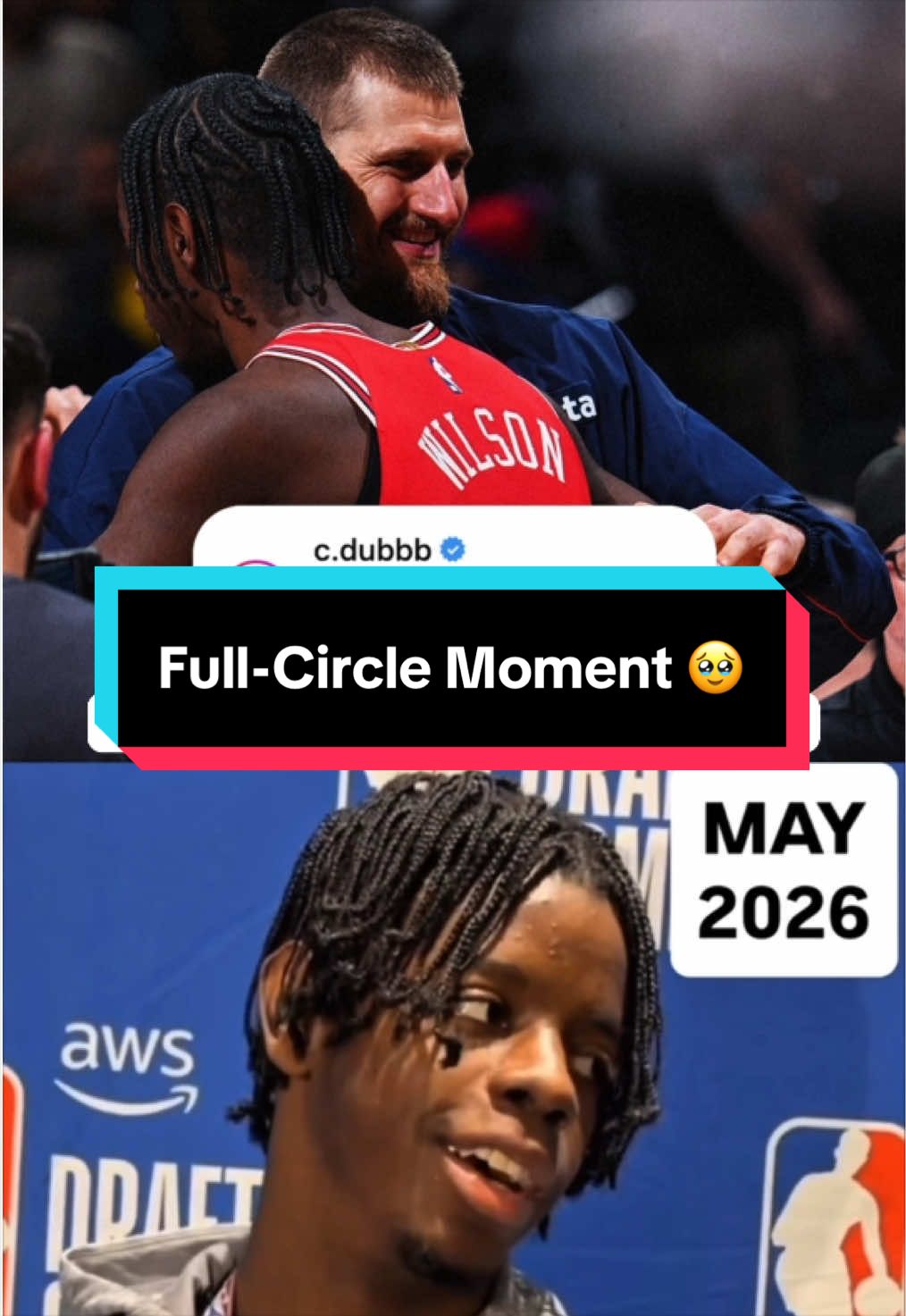
Caleb shared a special moment with Jokić after Bulls/Nuggets preseason matchup! (📸: @DNVR_Nuggets/X)
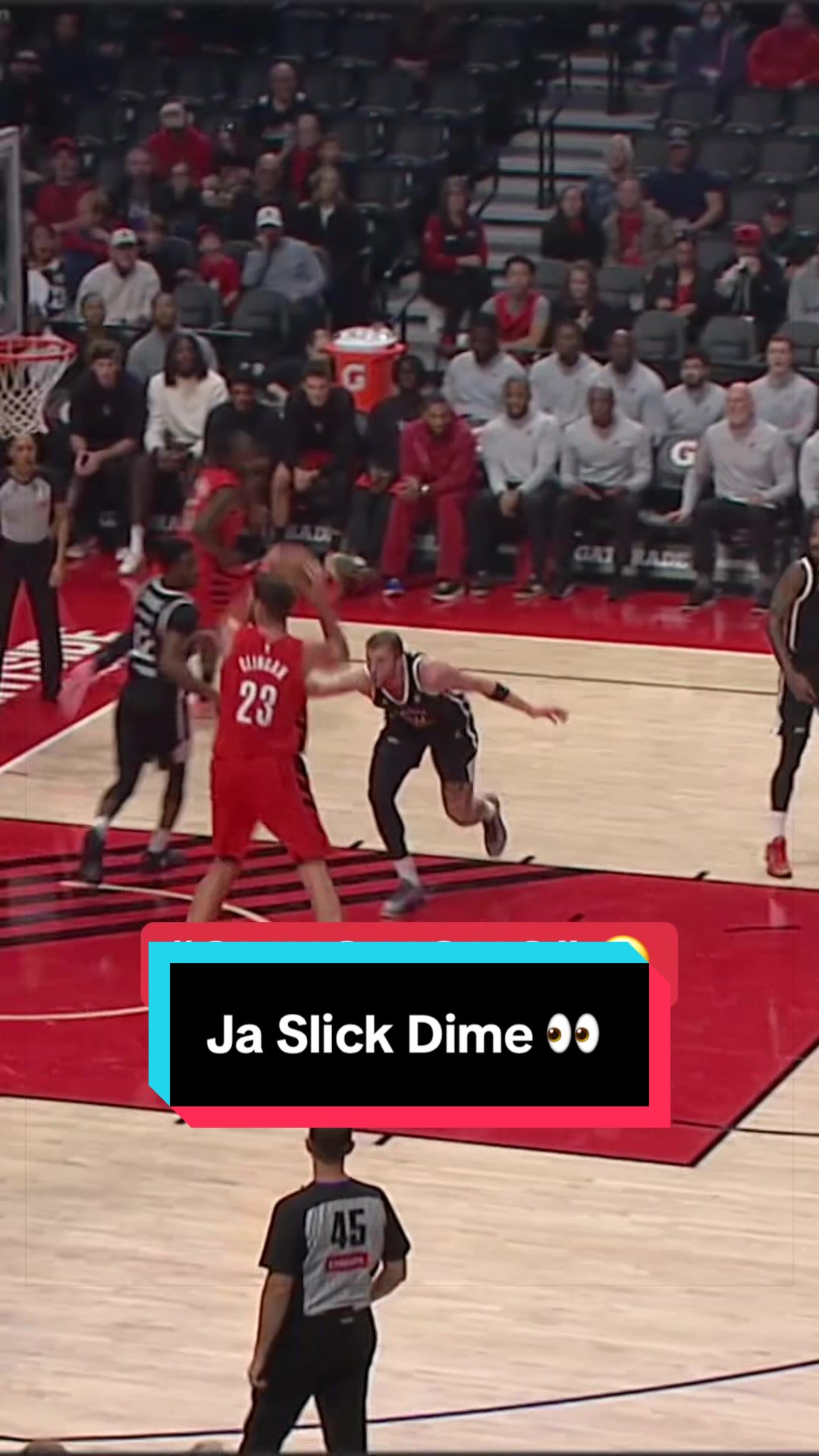
Good looks 🤝
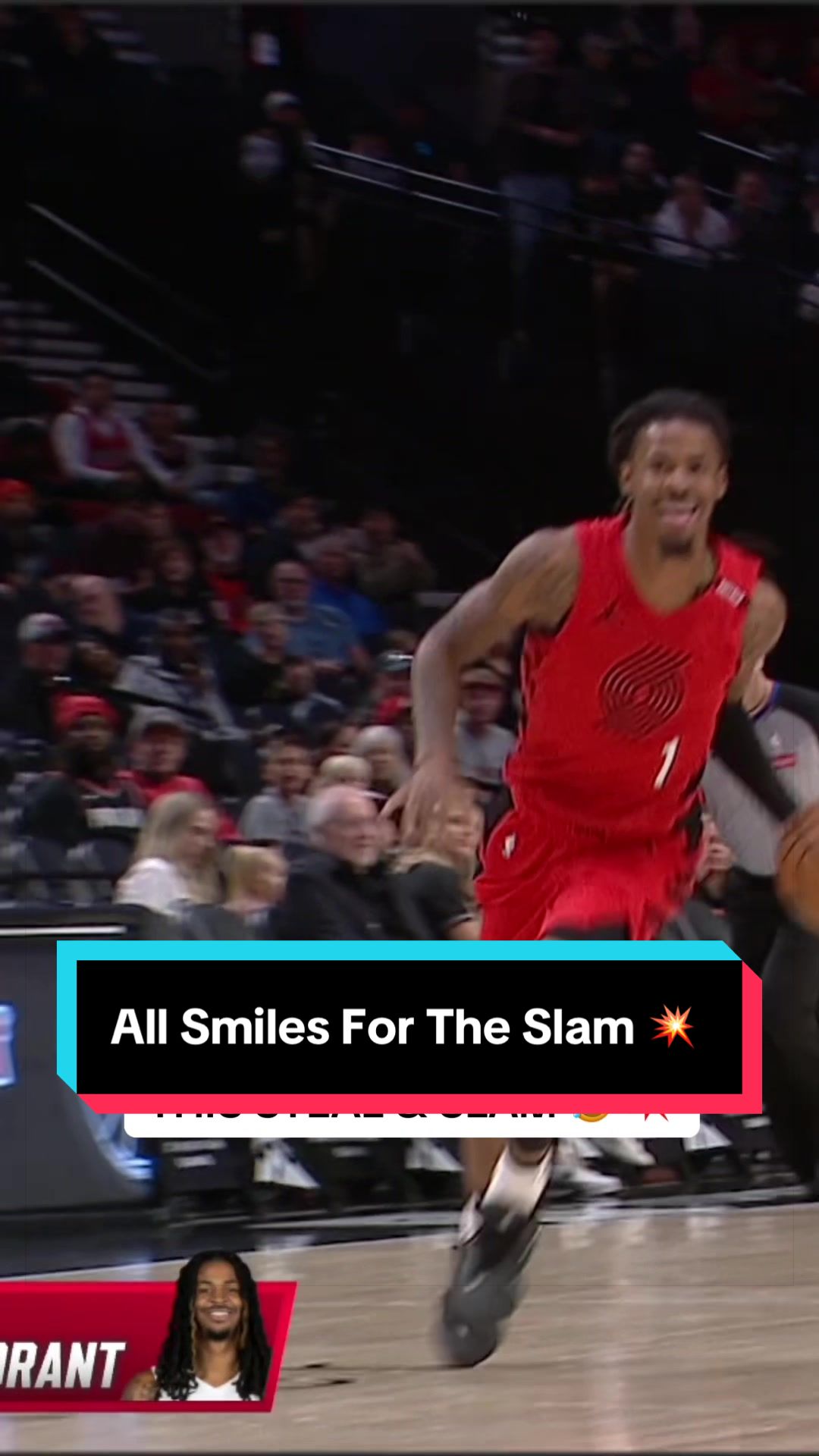
Ja goes the distance for the slam 🏃
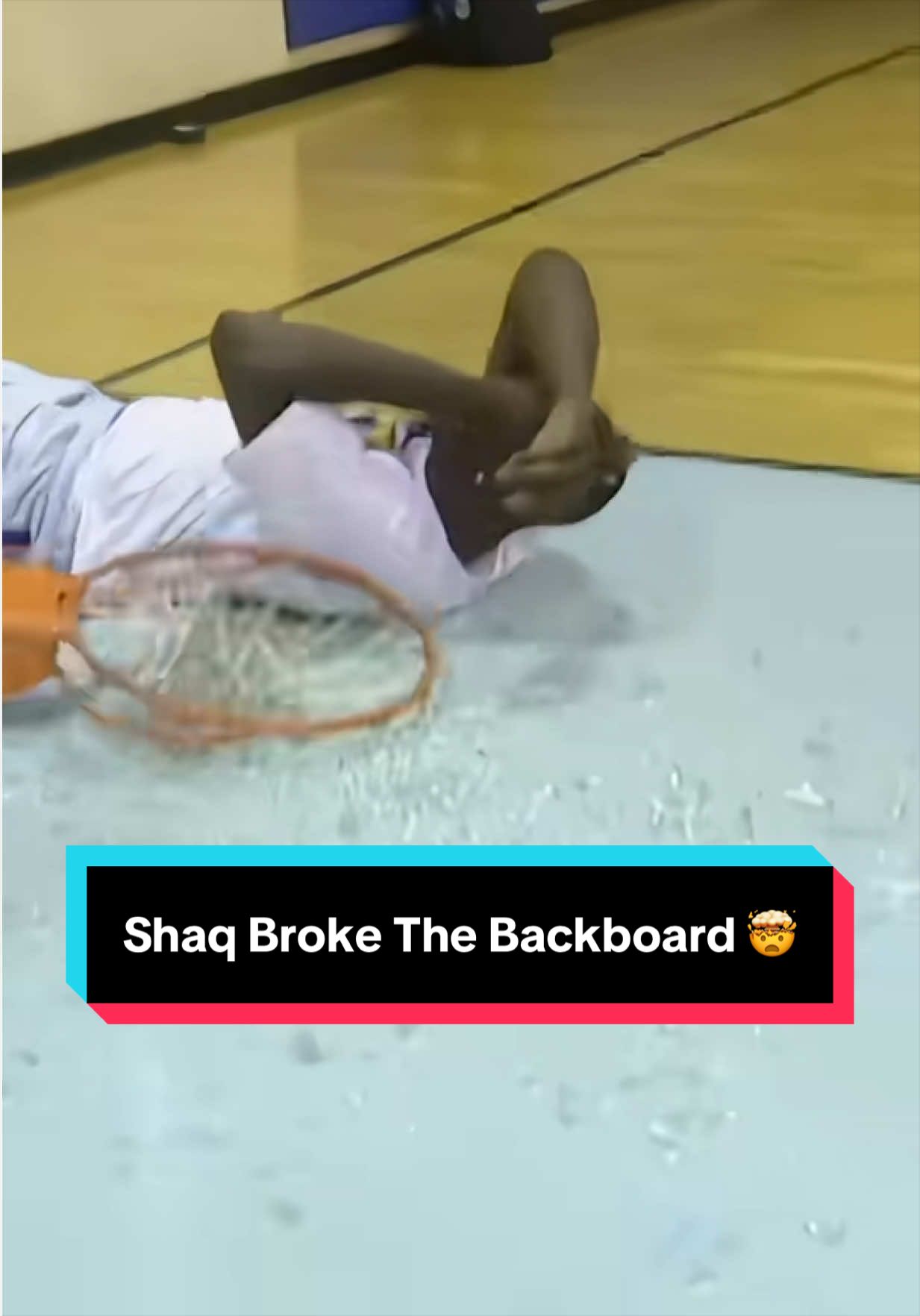
This moment when Shaq broke the backboard never gets old 😭
 Links
Links
 Contact
 App
App


