



How far did Pelinka's eyes truly see?



The Suns' season was dealt a major blow before it even began. Their starting center, Mark Williams, strained his left shoulder in training and had surgery to fix a torn labrum in his left shoulder, meaning he will miss an extended time. Williams is expected to be out for about six months, and the earliest he could return is near the end of the season.
With Williams injured, the topic of him being returned by the Lakers has naturally resurfaced. After he played a relatively healthy 60 games last season, some fans thought the Lakers had overreacted. Now it seems Pelinka's decisive refusal was like "disaster always staying one step behind me."
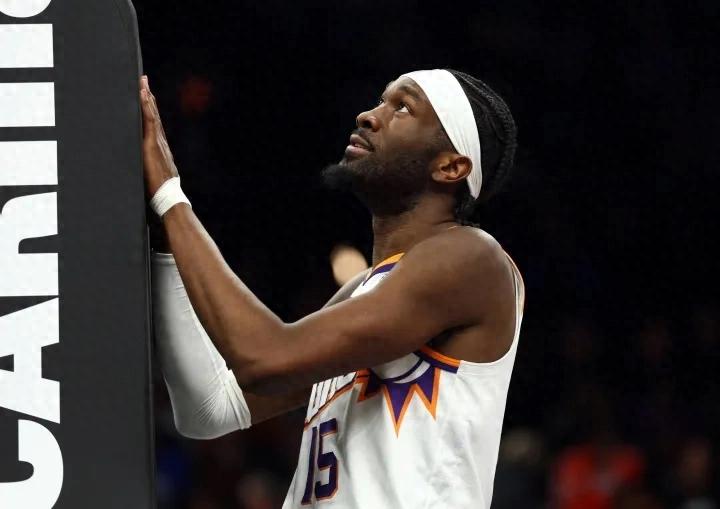
On the 2025 trade deadline, the Lakers and Hornets made a deal: the Lakers sent Knecht + Reddish + an unprotected 2031 first-round pick + a 2030 first-round pick swap to the Hornets for Williams. The trade had already reached the announcement stage, and Williams was in Los Angeles, but two days later the Lakers unilaterally called it off.
The Lakers' medical staff discovered serious health issues in Williams: Grade 2 cartilage wear in his left knee and an unhealed stress fracture in his right ankle. Both legs were severely damaged, and it was clear the Hornets had hidden Williams' injury condition during the trade. The Hornets did not accept the trade's cancellation and filed a complaint with the league, but ultimately the deal fell through.
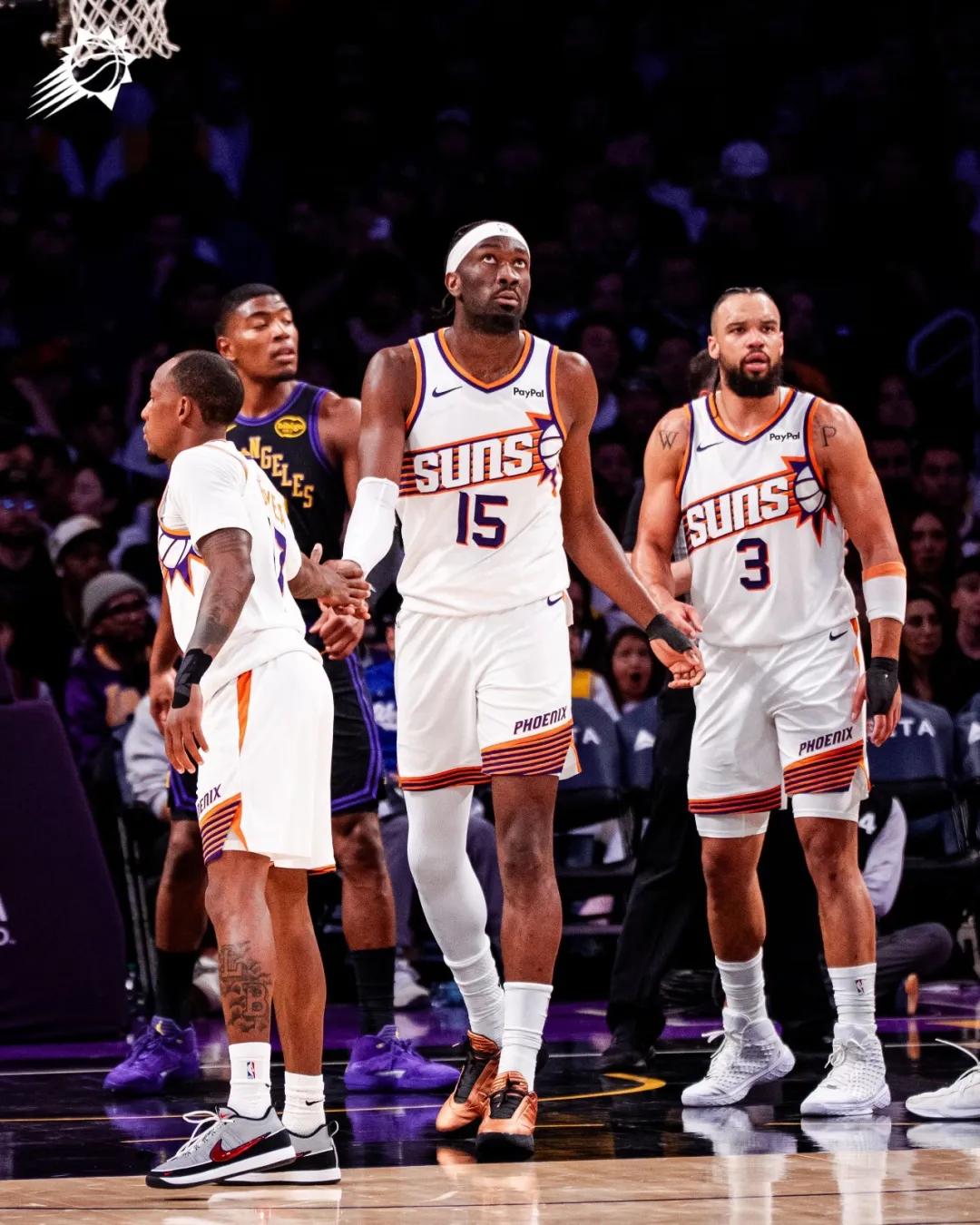
At that time, the Lakers' medical team predicted he might miss 40% of games over the next five years. Based on that figure, Williams would have needed to play 98 games in the last two seasons. This surgery clearly keeps him from reaching that number.
The Lakers' medical report did not affect Williams' market value. In the 2025 offseason, the Suns sent two first-round picks to the Hornets for Williams. Williams passed the Suns' physical and played 60 games in the 2025-26 season. However, it's worth noting that the Suns were very cautious in protecting Williams, never allowing him to play back-to-back games, and he averaged only 23.6 minutes per game.
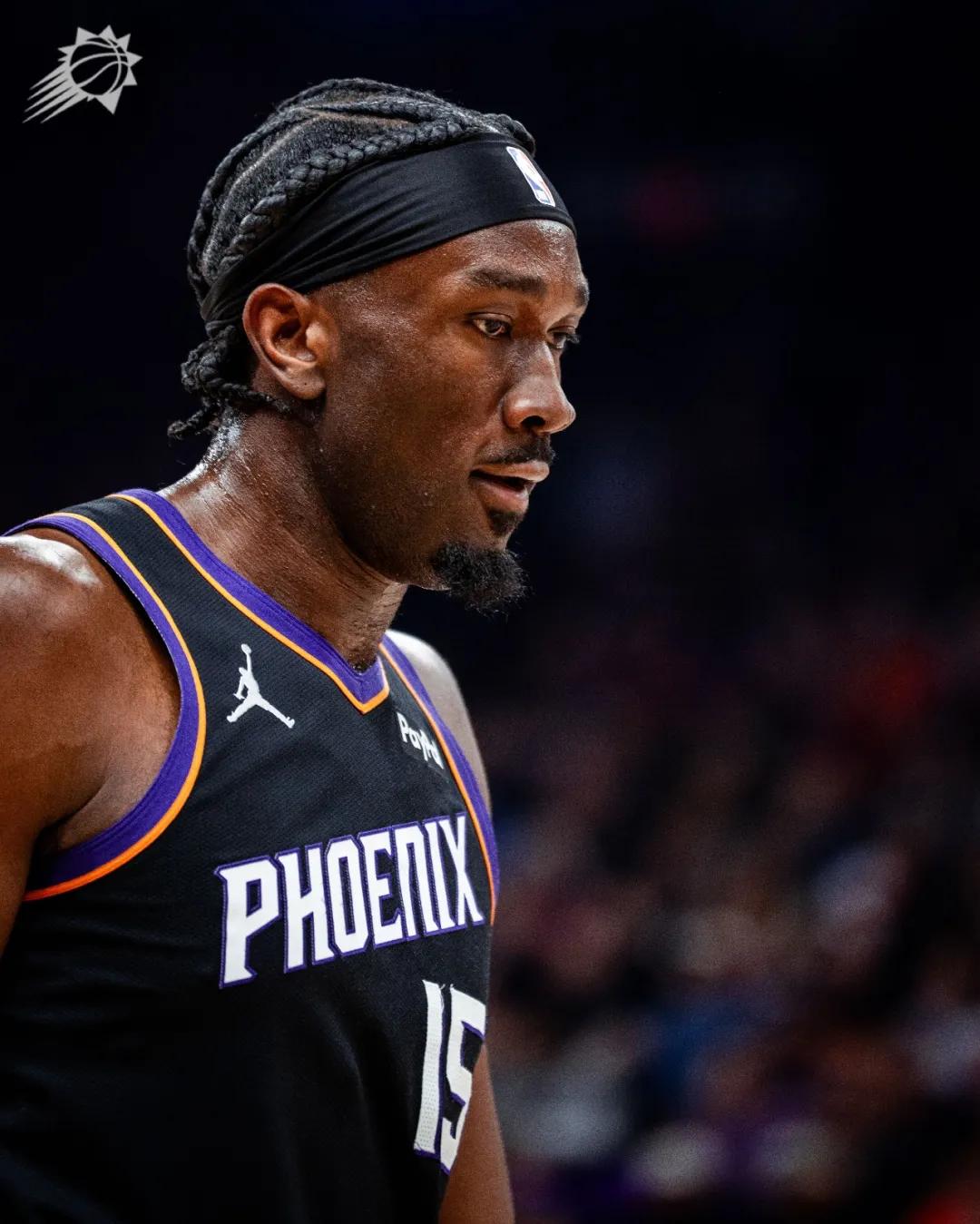
Williams' performance was worthy of a starting-level center: he averaged 11.7 points and 8 rebounds, with a 64.4% field goal percentage, setting a Suns single-season record for highest shooting percentage. He recorded 14 double-doubles in a season and had 8 games with 20+ points.
Those performances also earned Williams a 3-year, $38 million fully guaranteed contract this offseason. But right after signing the big deal, he got injured. This shoulder issue adds to his already extensive injury history: ankle sprains, right thumb dislocation and ligament damage, and recurring back problems.
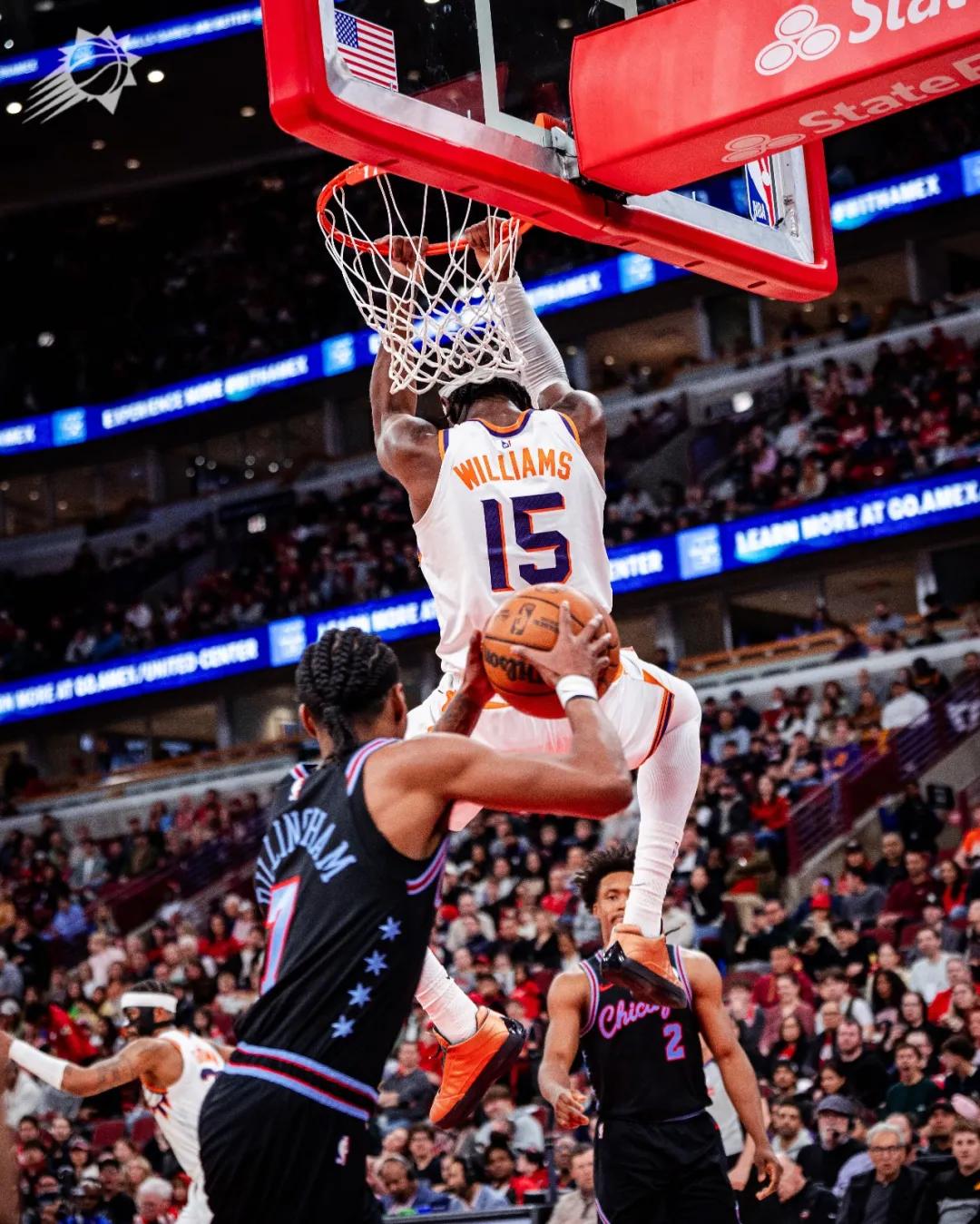
Williams' absence is a huge loss for the Suns, but fortunately they are not without a backup plan. Next season they were already planning to give Maluach some playing time, and now Maluach will step directly into the starting role.
According to statistics, when Maluach played as the Suns' primary defensive big man last season, the team's defensive efficiency was 103.5. His defensive fundamentals are solid, especially his rim protection, which he already performed well in his rookie year. Maluach's physical talent is clear, and his ceiling as a defensive center is high enough.
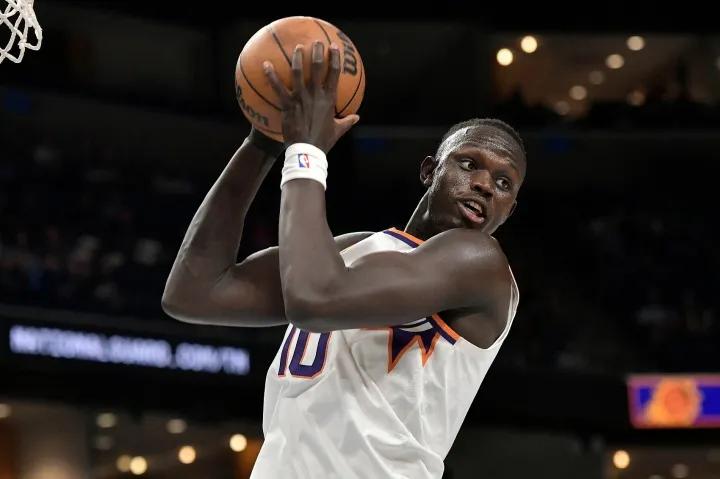
In this year's Summer League, Maluach averaged 19.5 points, 12.8 rebounds, and 2 blocks per game, leading the league in rebounds. His three-point shooting also seems to be developing, as he shot 40% from beyond the arc in Summer League – though it's only Summer League.
If Maluach eventually becomes the starter, it will be because he earned it with his play. You can imagine that if Clingan were out for a long time, Williams would start, and Yang Hanshen would have to compete with Carlson for the backup spot. Maluach currently has the edge over his teammate Ighodaro due to talent and the progress he has shown.
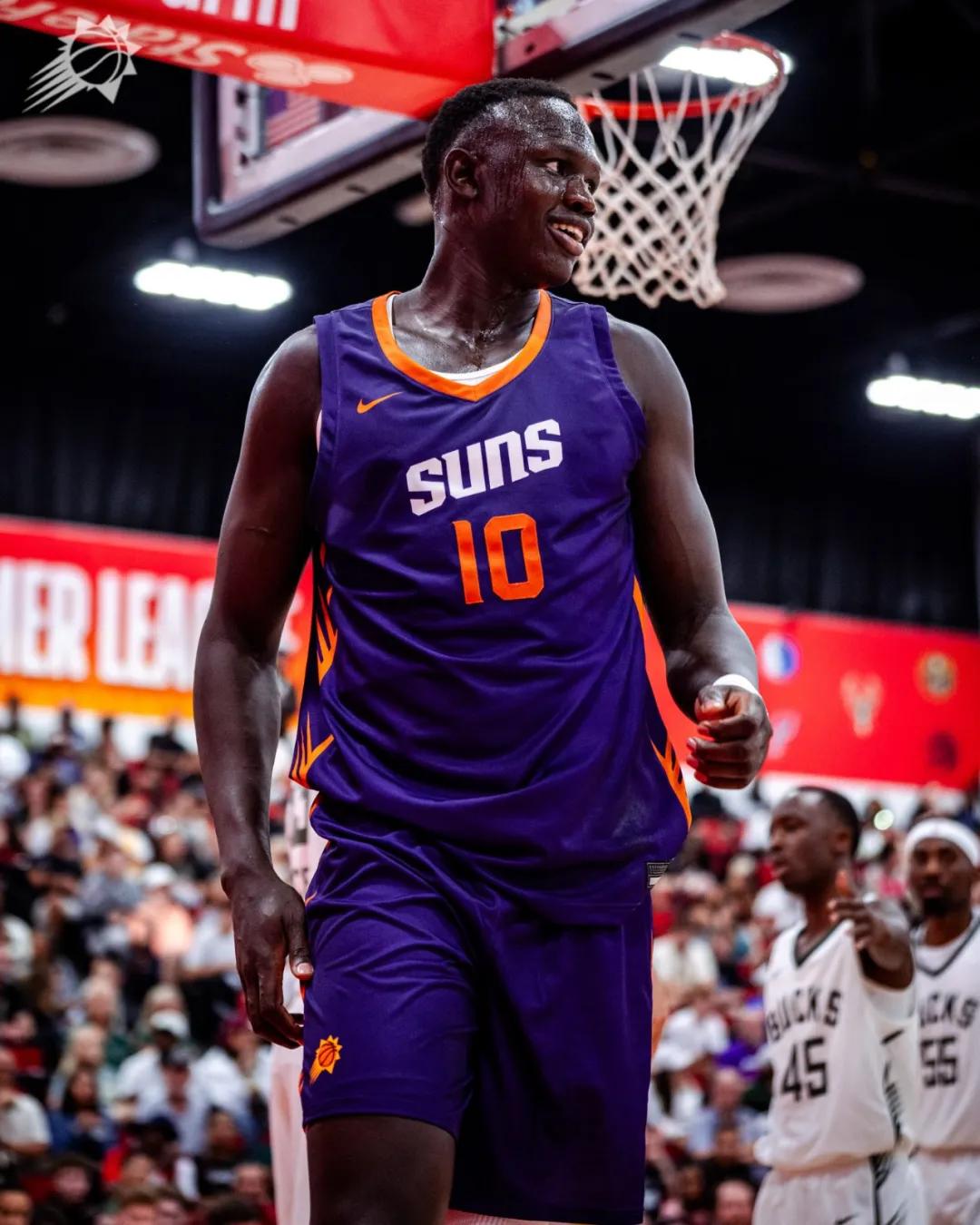
So next season, we will surely see Yang Hanshen's good friend take a big leap forward. Hopefully this "good luck" will also come to Yang Hanshen, so the two can face each other at their peak next season.


Wonderfulshortvideo
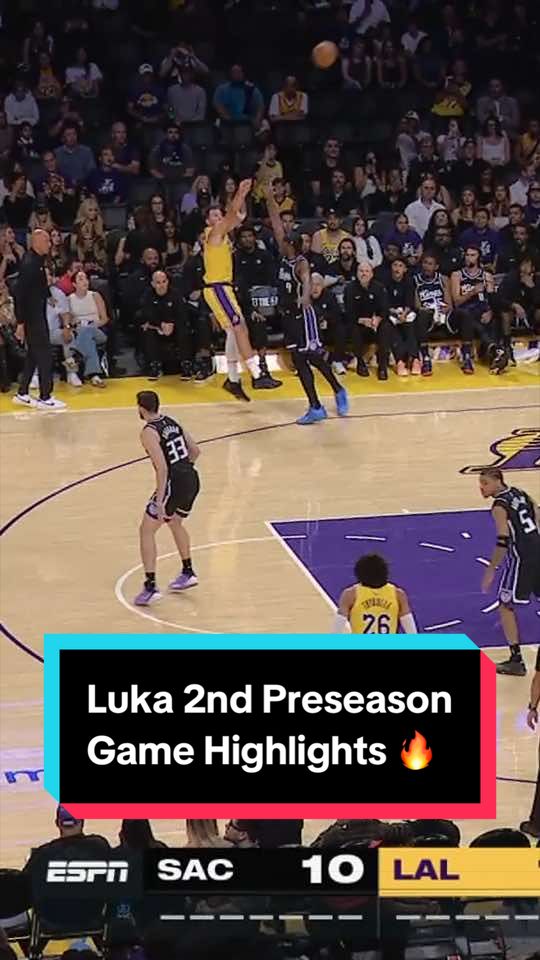
Luka contributing on all ends 🤩


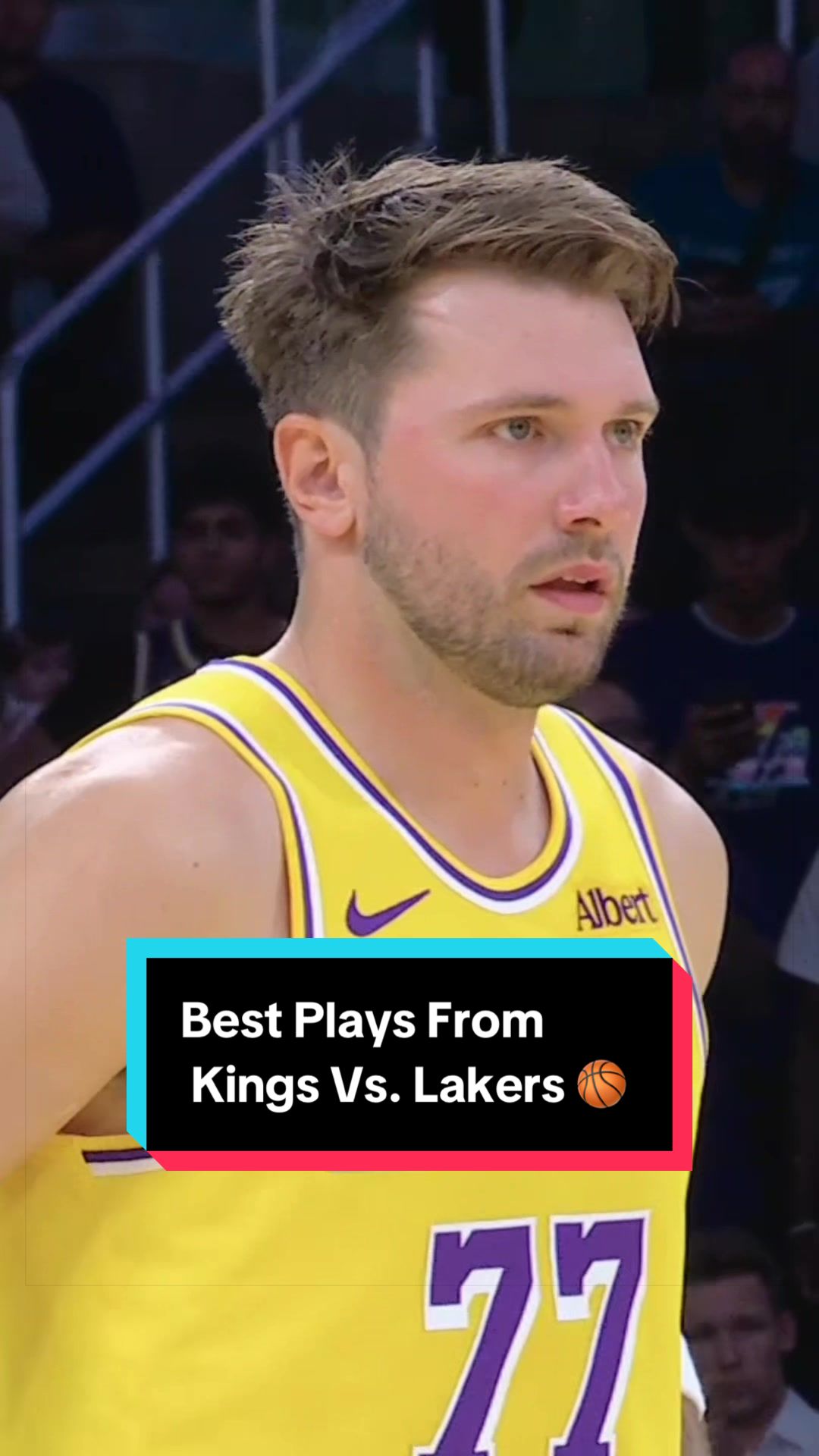
Quick rewind, full recap. Here’s everything from tonight’s @Sacramento Kings vs. @Lakers matchup ⏪ 🏀
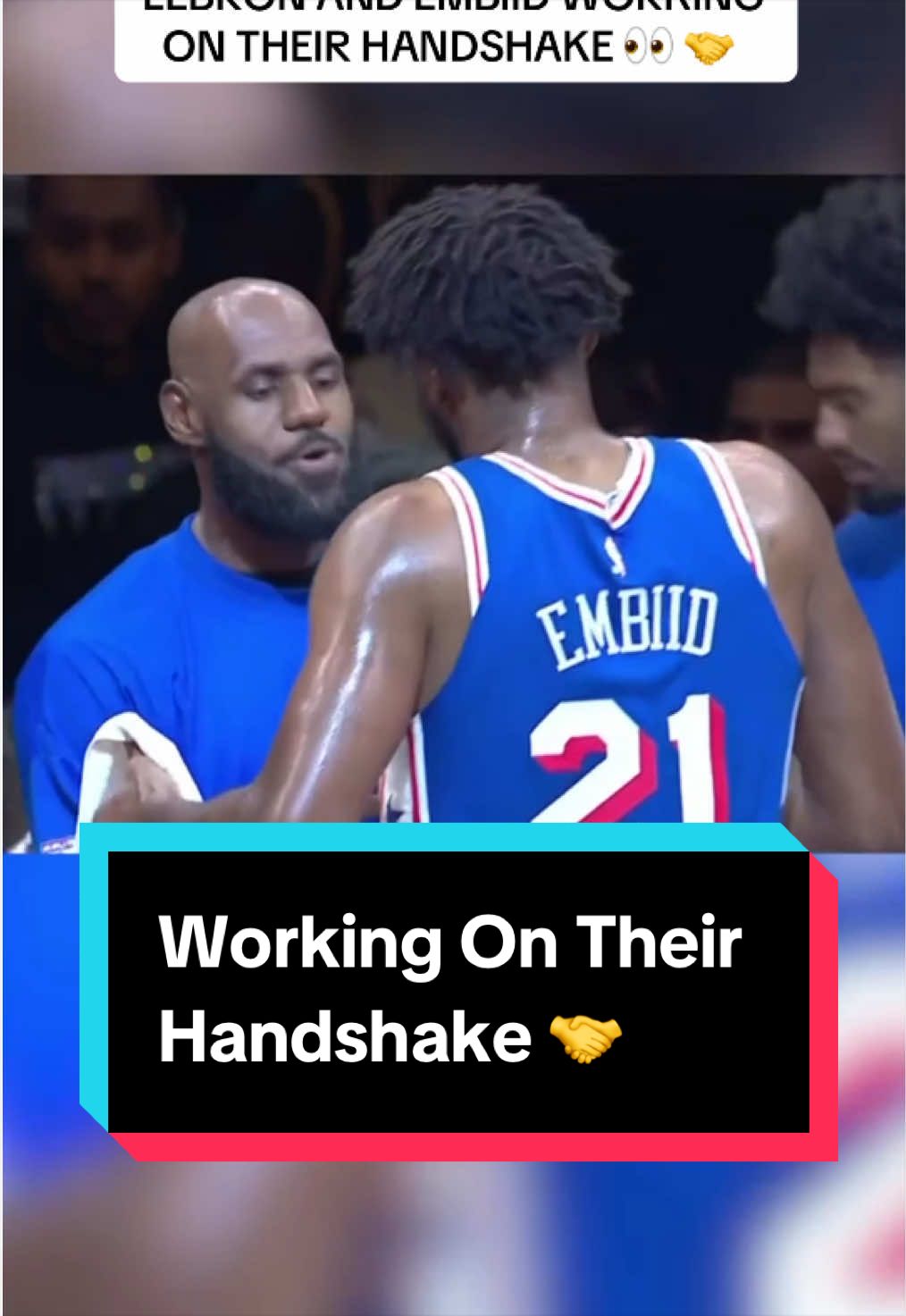
How do you think their handshake will look like⁉️🤝👀
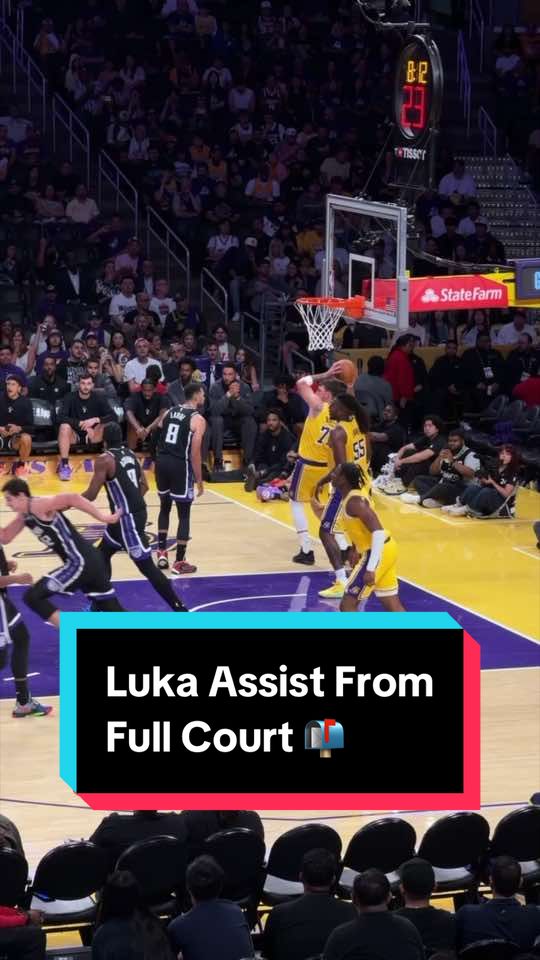
An assist from the OTHER baseline 👏
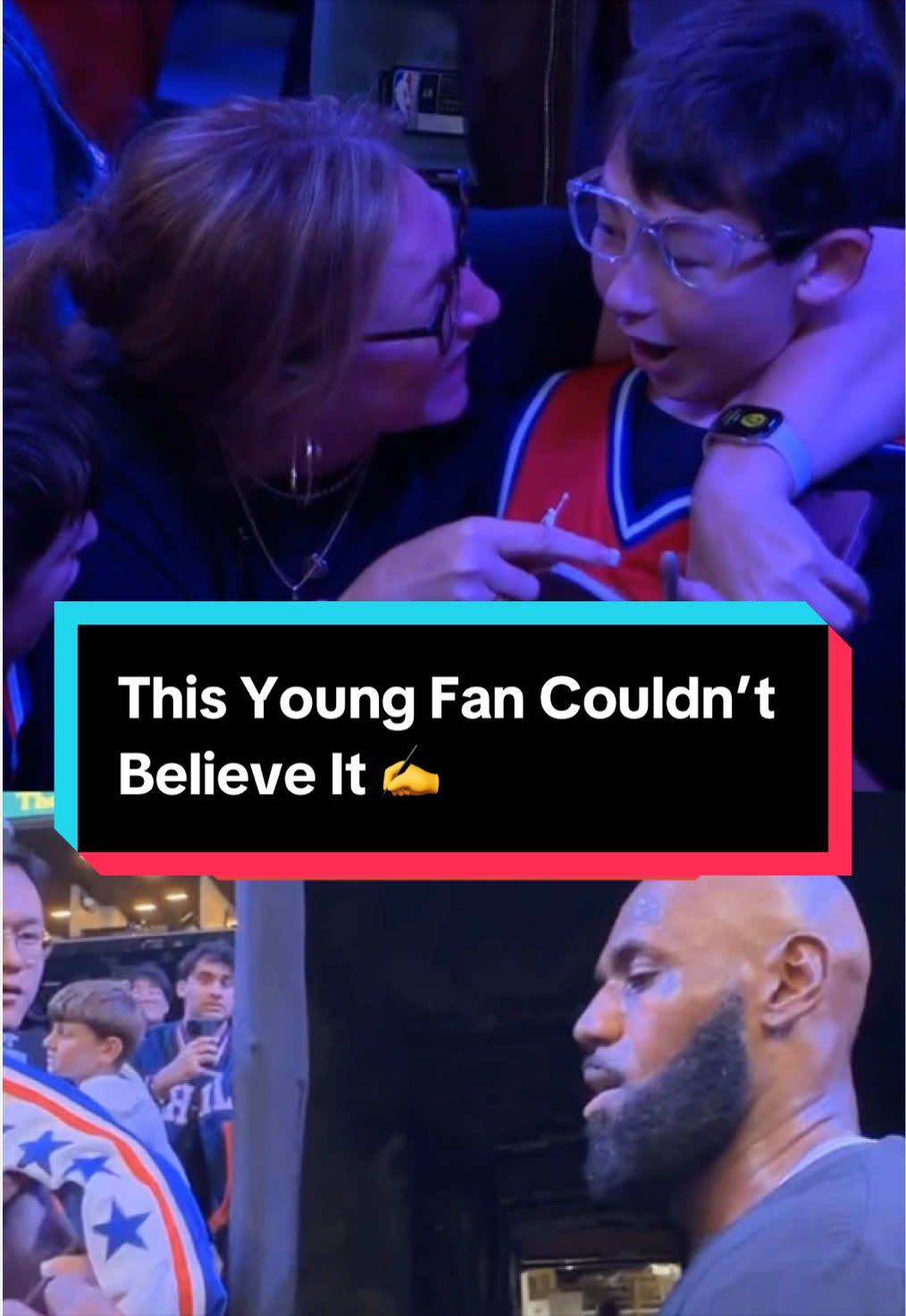
“That’s what it’s all about right there.” 🫂👑
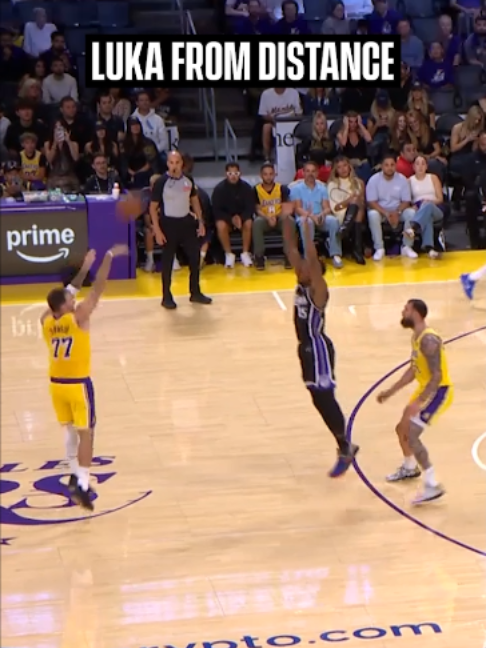
Luka Dončić is DIALED
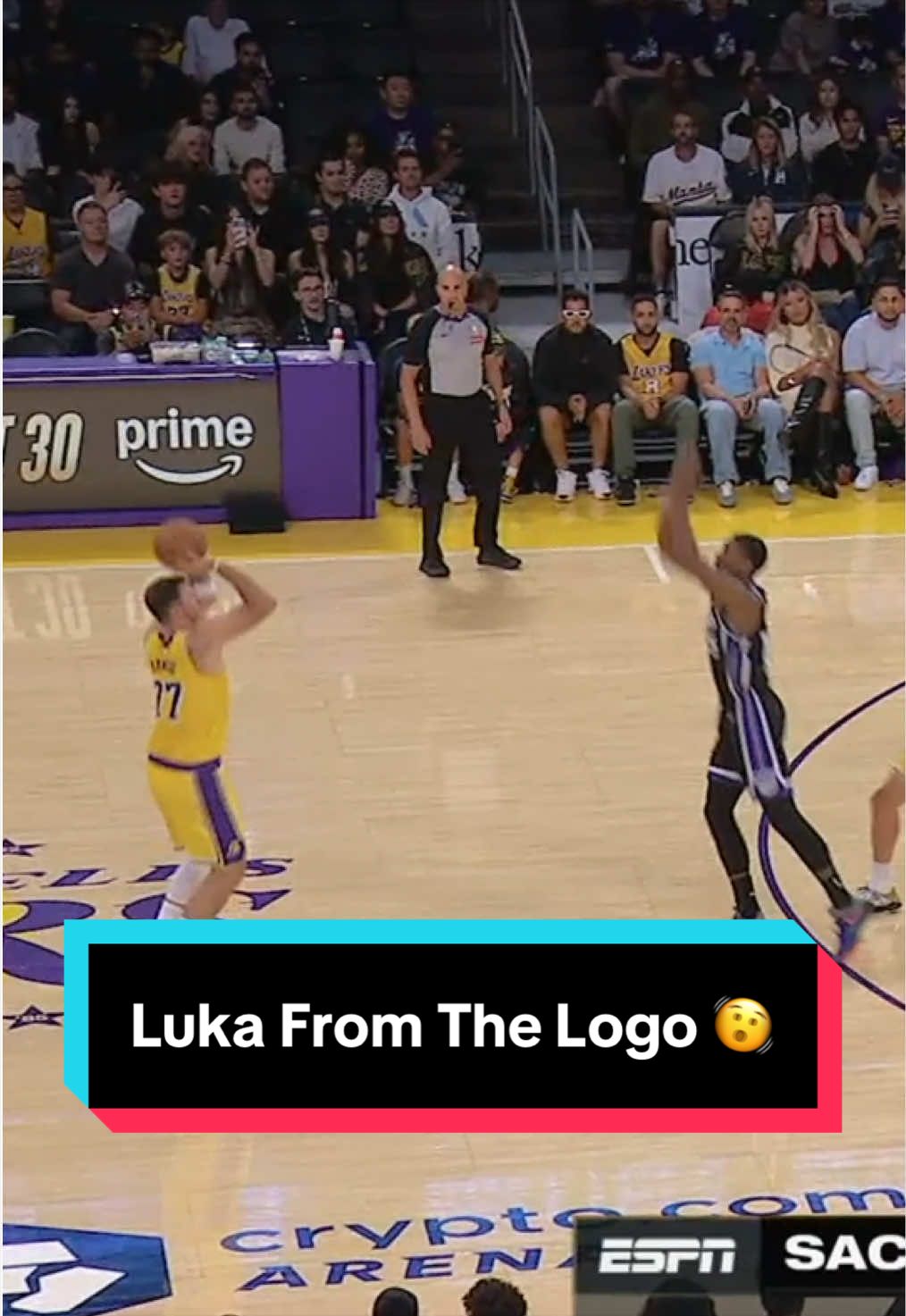
Unlimited range for Luka Dončić 📈
 Links
Links
 Contact
 App
App


