



When internet cafe players step onto Shanghai's Qiantan: The first Haidou Tournament is a story of being "seen"



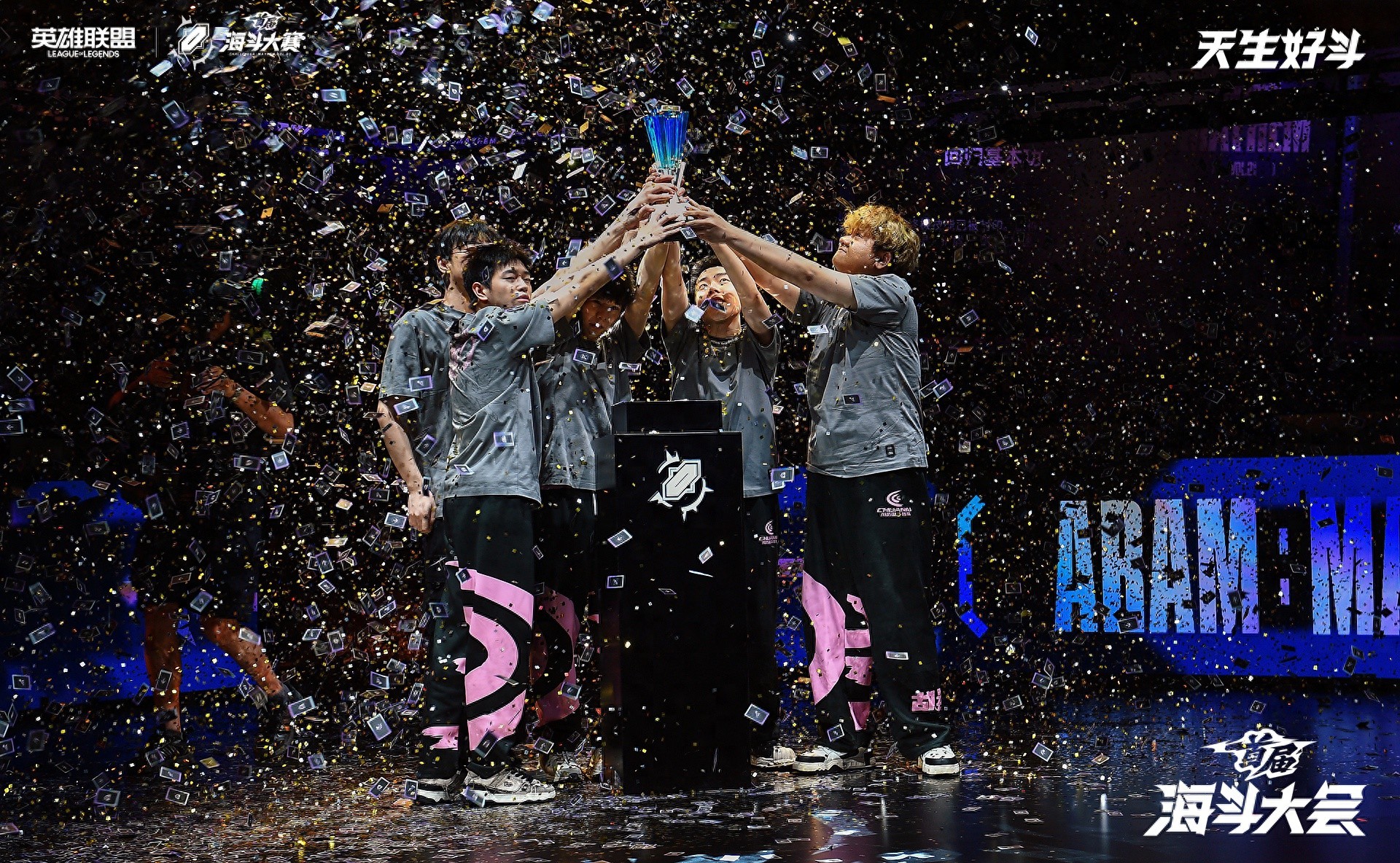
If the story of the first Haidou Tournament were made into a movie, then September 6, when CYLD won the championship at Shanghai's Qiantan in the inaugural Haidou Tournament, would naturally be the final scene.
And the beginning of the movie would probably start with a scene in an internet cafe—a group of ordinary young people sitting in front of computers. Just like countless League of Legends players, they enter "Haidou" and start playing. From one match to a full track; from internet cafes to the whole country; from hundreds of thousands of participants to just 12 teams; and finally, the scene shifts to the Shanghai Qiantan 31 Performing Arts Center.
The spotlight turns on.
The first "King of Haidou" is born.
The internet cafe is where the story begins
The eventual champion was a team from the internet cafe track.
This fact alone makes their championship story somewhat different from traditional esports narratives. Professional players usually grow up within a clear system. But ordinary players don't have that. They might just enjoy gaming, enjoy playing with friends, or perhaps simply signed up for a competition by chance.
And the first Haidou Tournament precisely brought such players into the tournament system.
With five tracks—public, university, platform, internet cafe, and partner—players from different backgrounds and scenarios had a path to participate. After nearly two months of nationwide selection, 12 teams were chosen from over a million players to come to Shanghai.
They are still players. But at the same time, they became competitors on stage.
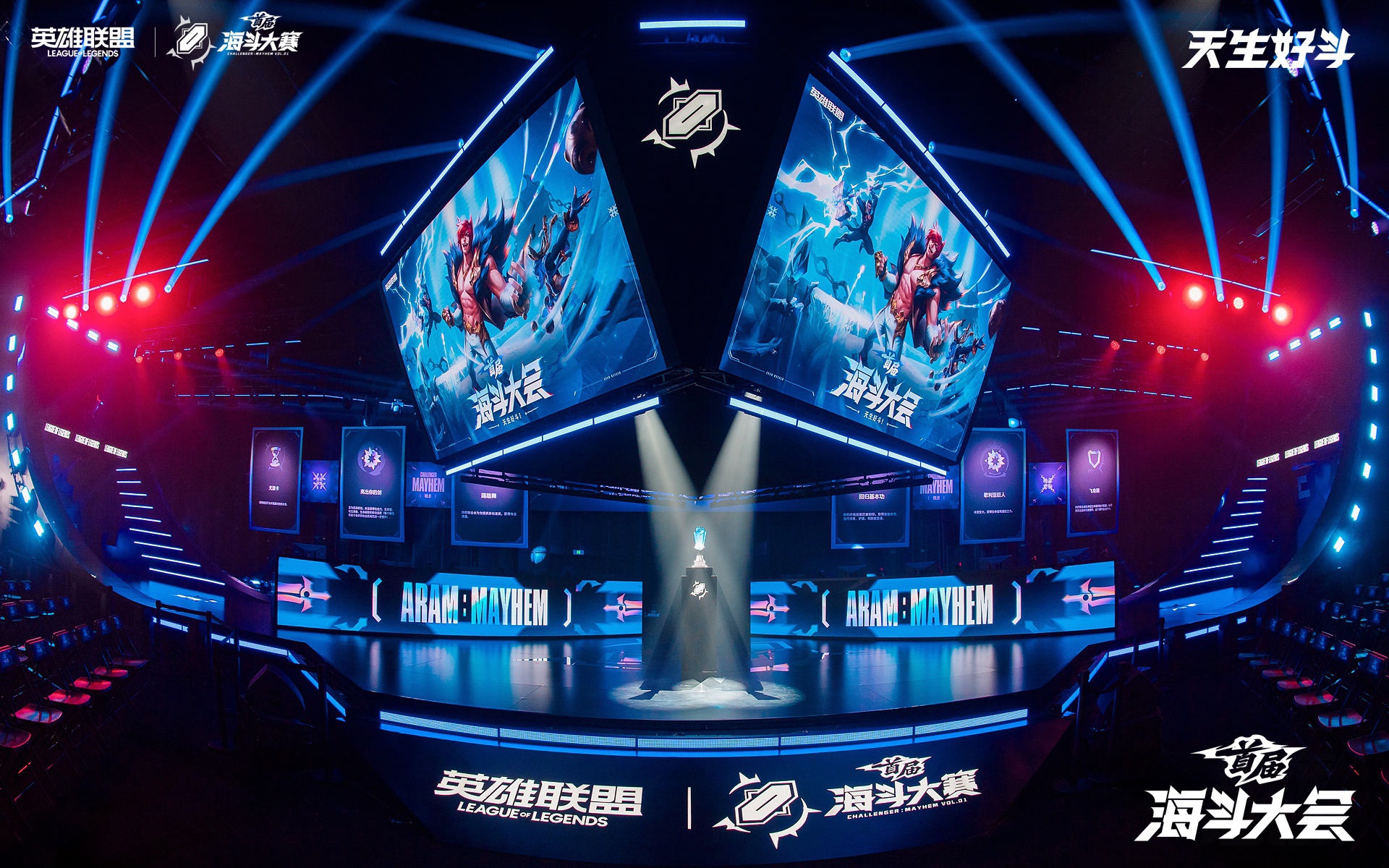
From offline internet cafes to the offline finals
One of the most fascinating aspects of esports is that it can turn an otherwise ordinary game into a tournament cheered by an audience.
Sitting in front of a computer playing "Hextech Mayhem" might be many people's daily routine. But when the game enters the arena, the stage, and the spotlight, its meaning inevitably changes.
The champion team's experience is especially telling. They started from the internet cafe track, moved forward step by step, and finally arrived in Shanghai. The Shanghai Qiantan 31 Performing Arts Center became a very important stop in their story. It was no longer just a place to play games. There was a stage, lights, an audience, and a championship trophy.
In the end, they made it. Facing their opponents in the finals, CYLD won the series with a strong 3:0 score, becoming the first "King of Haidou" and claiming a 500,000 RMB championship prize.
From an internet cafe to Shanghai Qiantan—that road sounds like just a few words.
But only those who have truly walked it know how many matches lie in between.
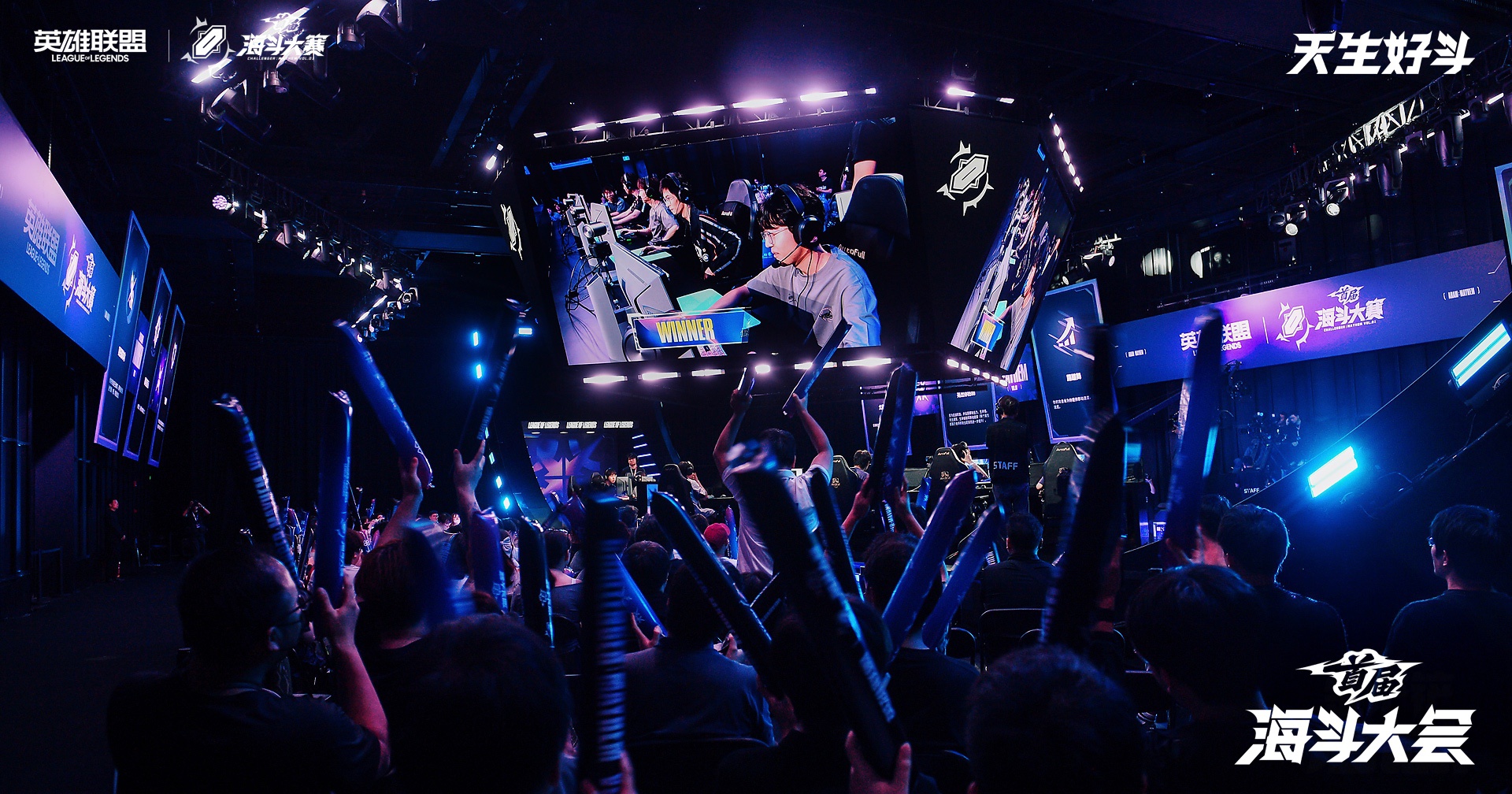
The deciding game: the one who suddenly changed direction
And at the very end of this road, CYLD left the audience with a truly memorable moment. In the final stages of the deciding game, when both sides' attention was focused on the team fight area, just as the match seemed about to enter the last direct confrontation, Viktor suddenly made a different choice.
He left the main battle, rushed toward the enemy base, and then a sudden "backdoor" ended the game immediately.
After the match, the champion player recalled his thoughts at that moment:
"Halfway through the fight (I decided to go backdoor), because they went for the crystal, I just went straight in to finish it and held them off."
So when the championship trophy was lifted, that Viktor who suddenly changed direction became one of the most rewatchable moments of the tournament.
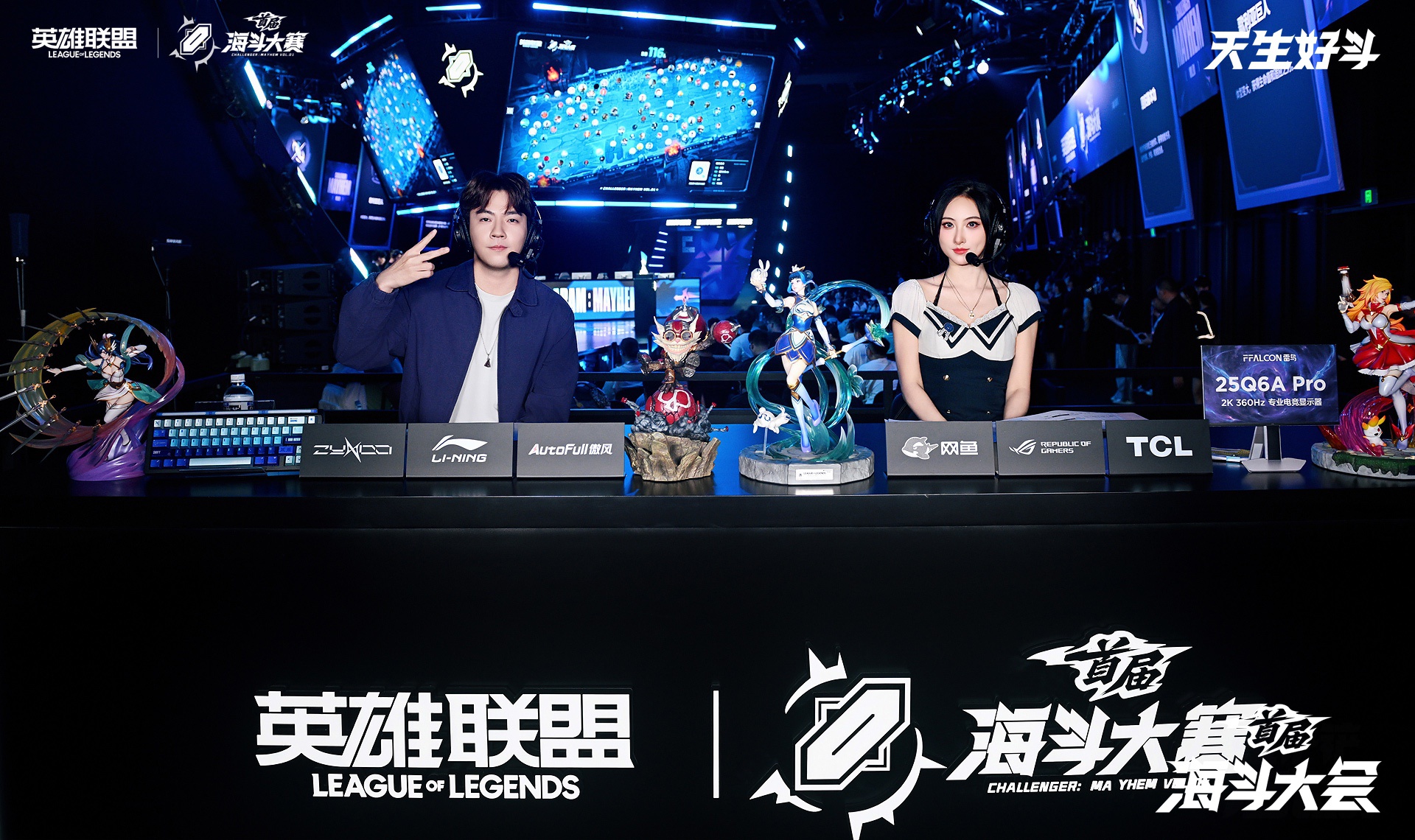
"This is an experience I've never had before"
But if the decisive game decision was the highlight of the match, then the champion player's words after the game were the most down-to-earth scene of this championship story.
"After winning, I received hundreds of WeChat messages. Everyone knew I became champion. This is an experience I've never had before."
In fact, this sentence easily brings to mind the original look of esports. A game ID, a computer, a few friends, a match. For most players, winning or losing in the game only belongs to the moment. But when an ordinary player truly stands on the tournament stage, what they gain is no longer just victory or defeat. It could be congratulatory messages from friends, it could be family members finally knowing what competition you participated in, it could be strangers starting to recognize your ID, or it could be years later when you look back at this experience and realize that you once stood on a big stage.
That perhaps is the most special part of being champion.
They didn't just win a match.
They also, for the first time, were truly seen by more people.
Esports dreams go beyond being a professional
That is precisely the significance of the first Haidou Tournament.
The information pack summarizes the tournament's value very clearly: through five paths—public, university, platform, internet cafe, and partner—players with different identities and in different scenarios have their own entry points, further enriching League of Legends' grassroots esports ecosystem.
In the past, when people talked about esports dreams, they often thought of professional arenas.
But for the vast majority of players, becoming a professional player is not the only answer.
They may not have joined a professional club, may not train systematically every day, or may never even have considered turning gaming into a career.
But that doesn't mean they can't take a match seriously.
Nor does it mean they don't deserve to enjoy the stage.
The story of the first Haidou Tournament champion team is a concrete example: they started from the internet cafe track and ultimately became the first "King of Haidou." And after the first Haidou Tournament concluded, the Haidou tournament players also had the opportunity to participate in the 15th-anniversary exhibition match, continuing to have a stage to showcase themselves.
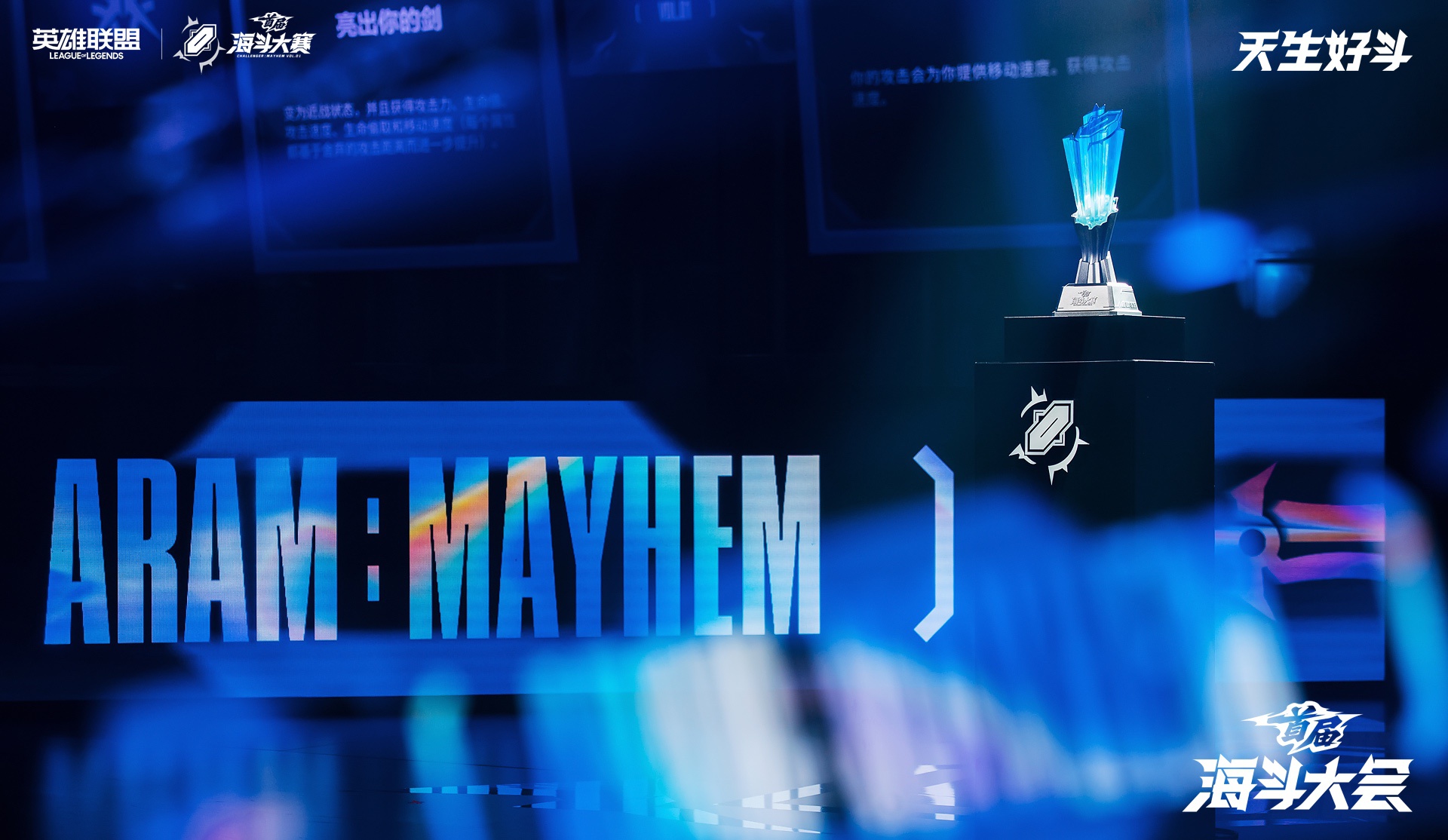
So, the meaning of this championship trophy is not just "who won."
It also tells more players:
If you are willing to step onto the arena, the esports stage might really have a place for you.

 Links
Links
 Contact
 App
App


