



Shanghai Derby's "Leg Concussion" Substitution Sparks Reflection on Rule Improvement and Supervision in Chinese Football



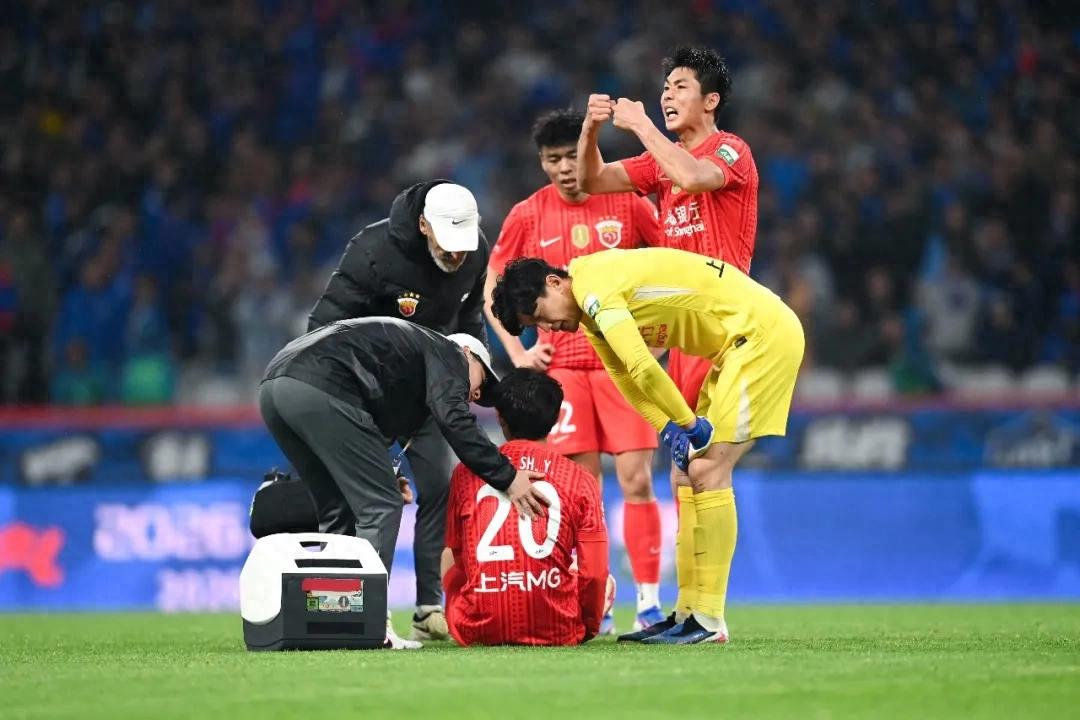
Written by Cheng Shan On April 11, Shanghai Shenhua defeated Shanghai Port 1-0 in the first round of this year's Shanghai Derby. However, the match result was entirely overshadowed by a highly controversial substitution. The dramatic shift by Shanghai Port player Yang Shiyuan from a leg injury to a concussion instantly sparked nationwide debate, making it the most controversial topic of the new Chinese Super League season.
This was not a simple injury substitution. It transformed FIFA's well-intentioned rule designed to protect players into a tactical tool for desperate survival, triggering intense debates on competitive fairness and sports ethics. It also presents a new challenge for league administrators, highlighting the need for enhanced supporting measures in rule enforcement and supervision to prevent loopholes affecting league fairness.

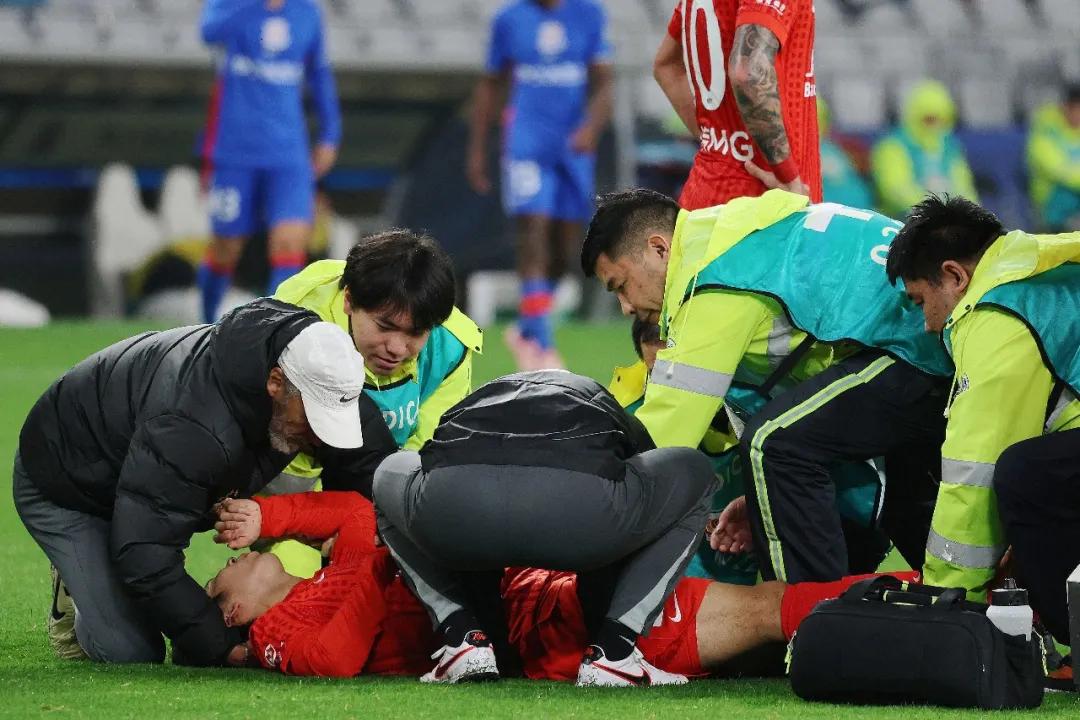
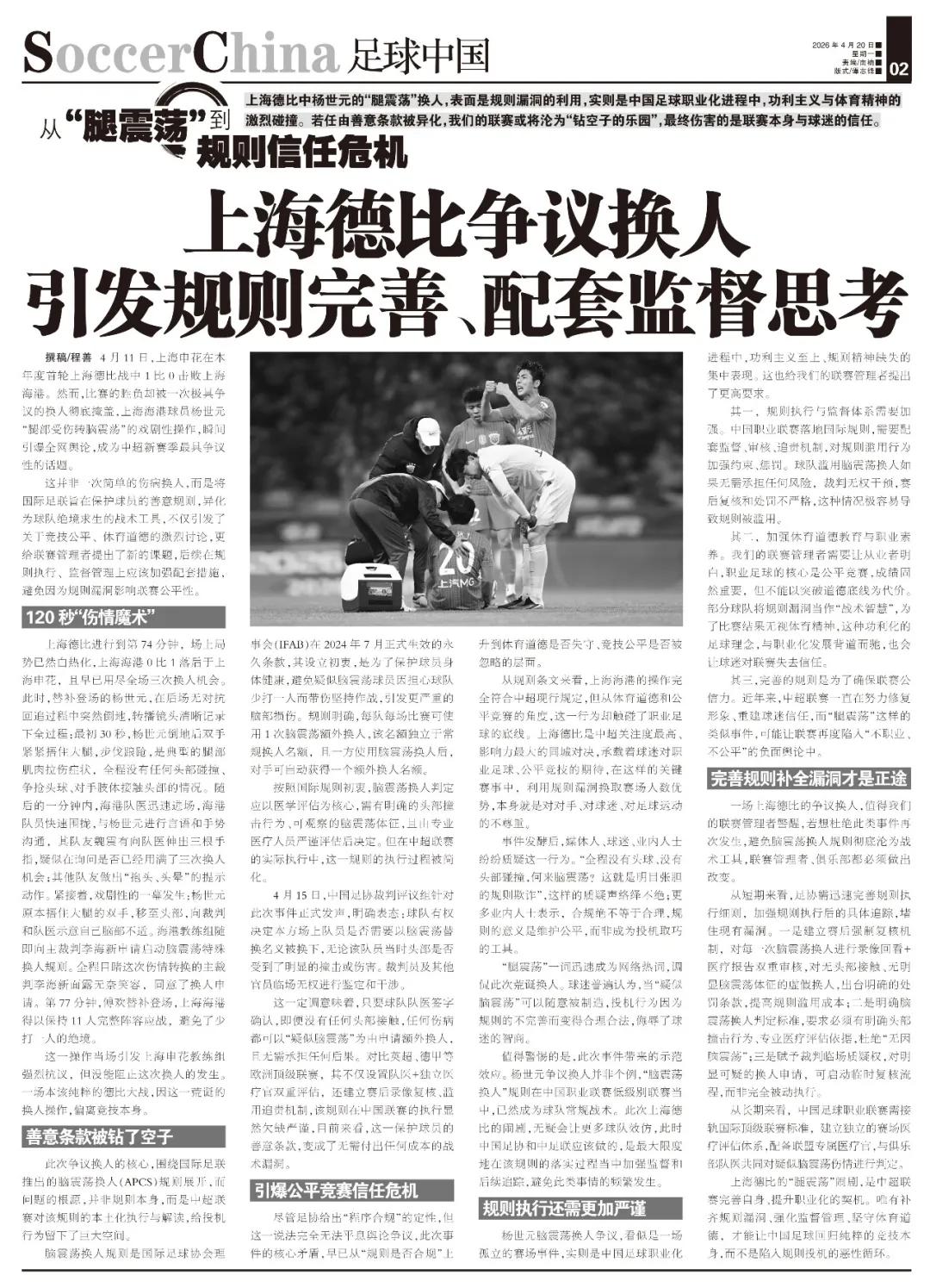
During the 74th minute of the Shanghai Derby, the situation on the field was already intense. Shanghai Port trailed Shanghai Shenhua 0-1 and had already used all three regular substitution opportunities. At this moment, substitute Yang Shiyuan suddenly fell while chasing back in the defensive half without any confrontation. Broadcast footage clearly recorded the entire process: For the first 30 seconds, Yang lay on the ground clutching his thigh tightly, stumbling—typical symptoms of a leg muscle strain. There was no head collision, aerial challenge, or opponent contact with his head throughout.
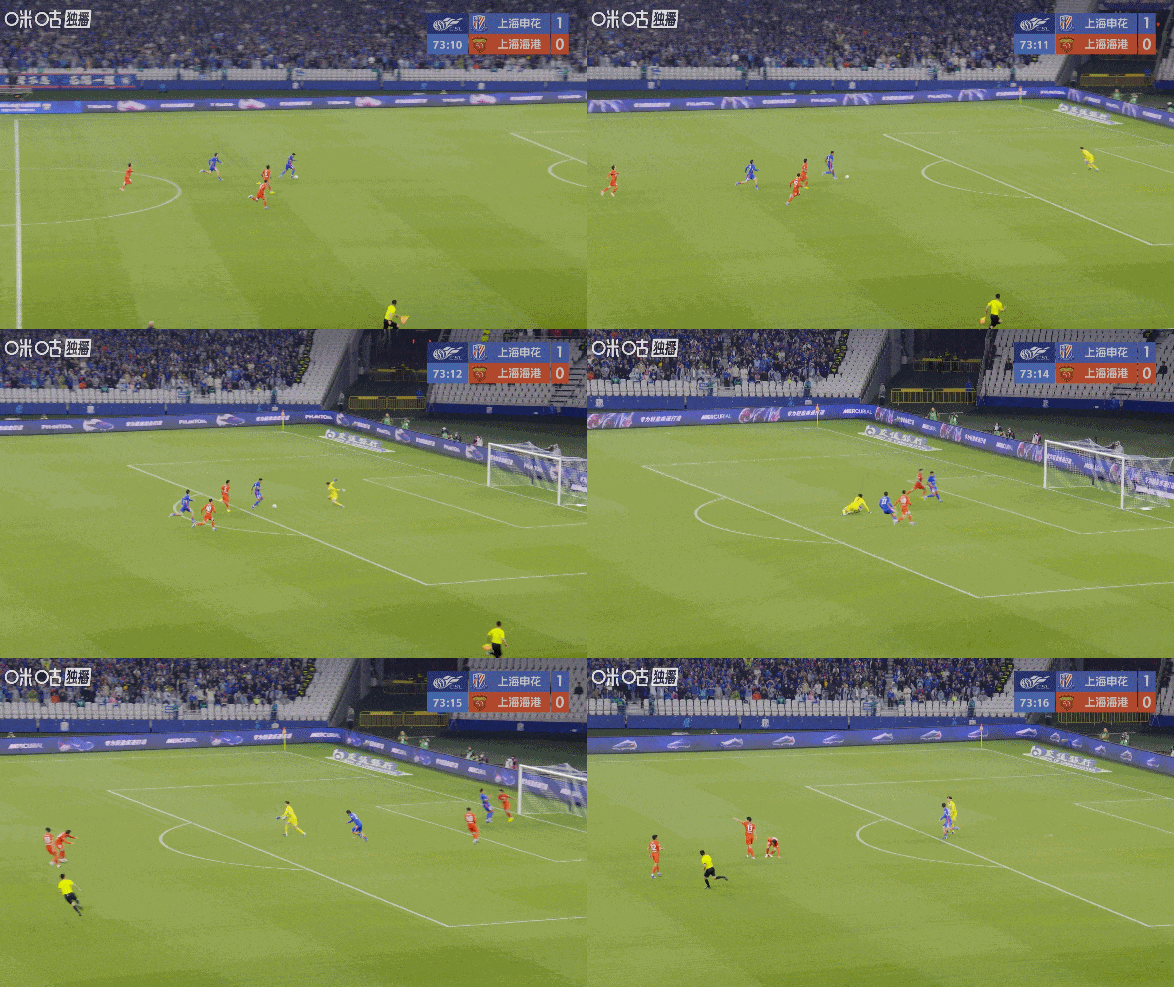
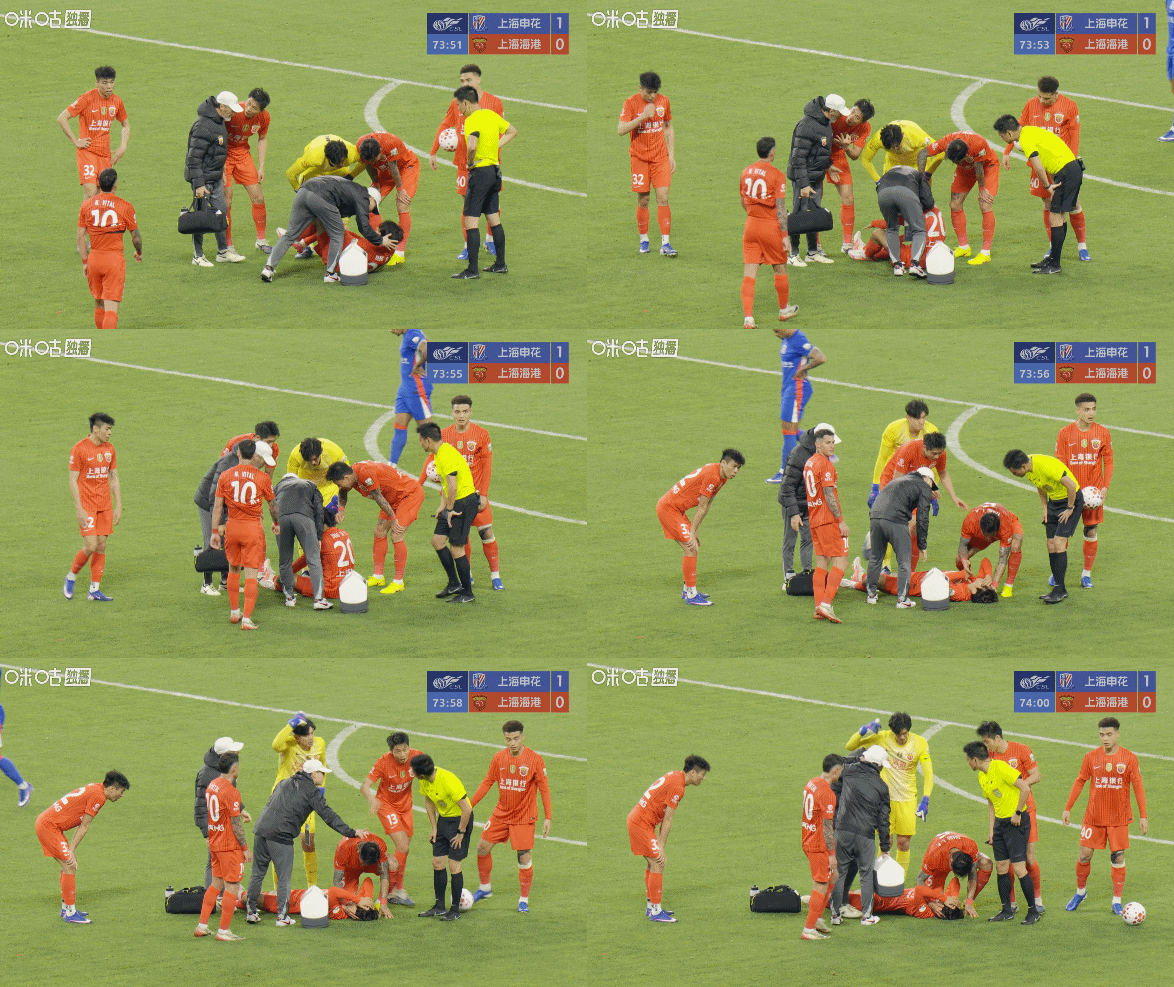
Within the next minute, Port's medical staff quickly entered the field, players gathered around, communicating with Yang through words and gestures. His teammate Wei Zhen extended three fingers to the medical staff, seemingly asking if the three substitutions had been used; other teammates made gestures indicating "holding head, dizziness." Then, a dramatic scene unfolded: Yang's hands, originally clutching his thigh, moved to his head, signaling to the referee and medical staff that he felt discomfort in his head.
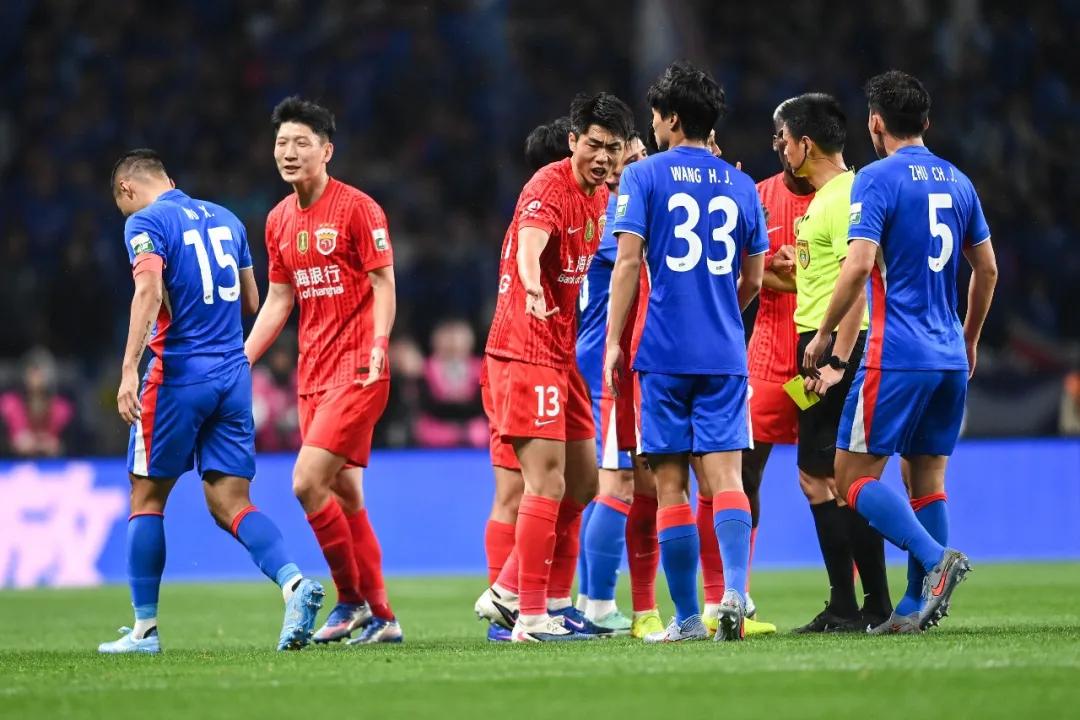
The Port coaching staff immediately requested the referee Li Haixin to activate the special concussion substitution rule. Referee Li Haixin, who witnessed the entire injury transformation, smiled helplessly and approved the substitution. In the 77th minute, Fu Huan entered as a substitute, allowing Shanghai Port to maintain a full 11-player lineup and avoid the dire situation of playing with fewer players.
This move immediately provoked strong protests from the Shenhua coaching staff but failed to stop the substitution. A Derby match that should have been purely about competition deviated from its essence due to this absurd substitution maneuver.

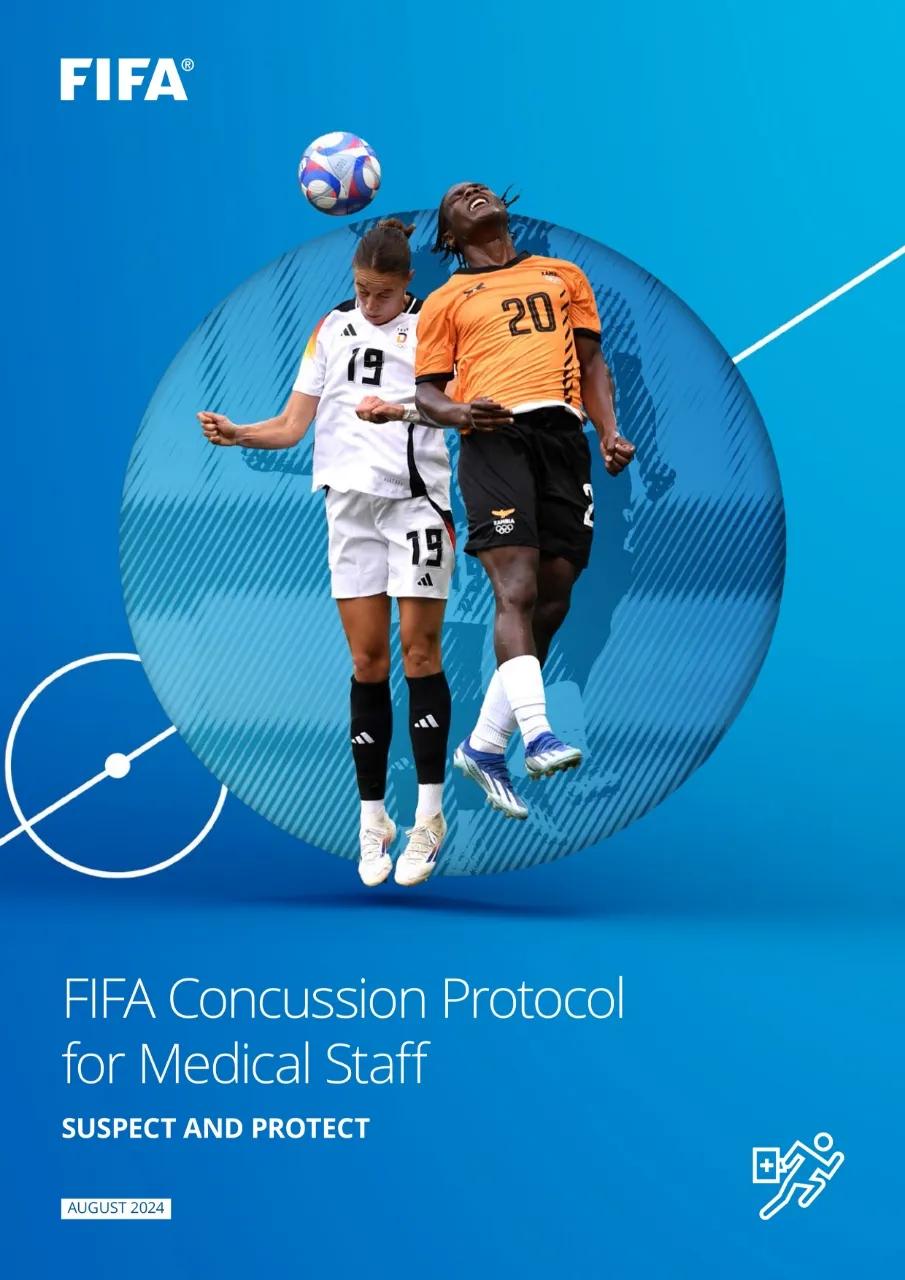
The core of this controversial substitution revolves around FIFA's Concussion Substitute (APCS) rule. The root of the problem lies not in the rule itself, but in the localized implementation and interpretation of the rule in the CSL, which created significant room for opportunistic behavior.
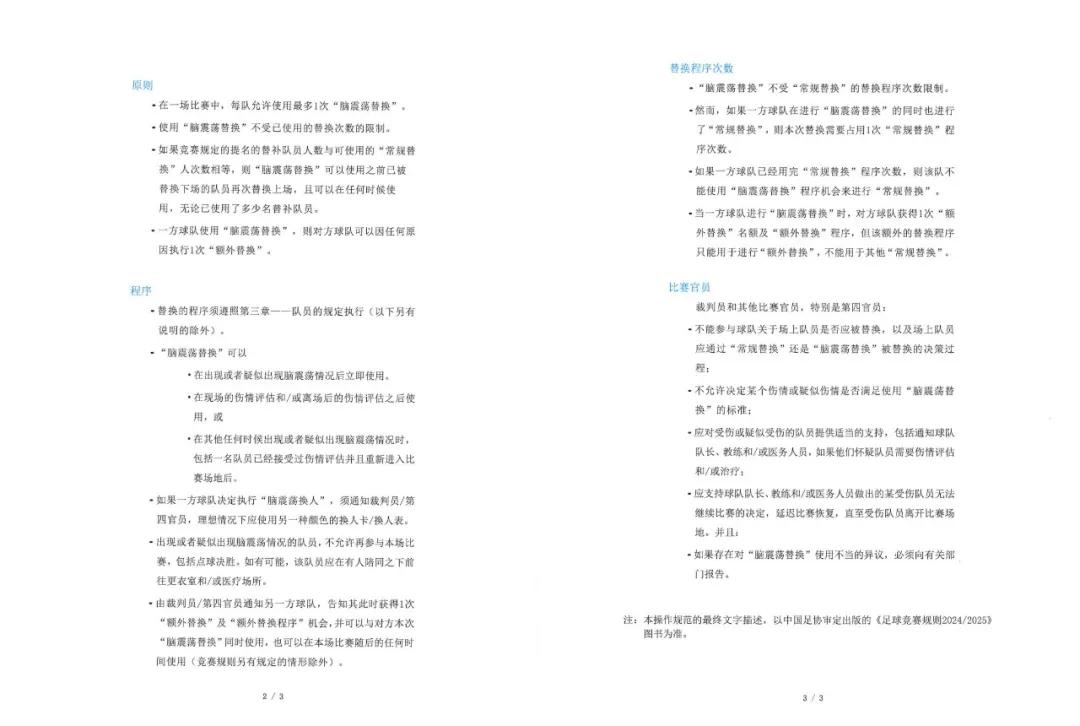
The Concussion Substitute rule is a permanent clause officially enacted by IFAB in July 2024. Its original purpose is to protect players' health, preventing potentially concussed players from continuing to play due to fear of leaving their team short-handed, which could lead to more severe brain injuries. The rule clearly states each team can use one additional concussion substitution per match, independent of regular substitution slots. If one side uses a concussion substitution, the opponent automatically gains an additional substitution slot.
According to the international rule's intent, concussion substitution assessment should center on medical evaluation, requiring clear head impact behavior, observable concussion signs, and a decision made after rigorous assessment by professional medical personnel. However, in the CSL's actual implementation, this process is simplified. On April 15, the CFA Referee Evaluation Panel officially addressed the incident, stating clearly: Teams have the right to decide whether their on-field player needs to be substituted under the concussion substitution rule, regardless of whether the player received a clear head impact or injury. Referees and other officials on-site have no authority to assess or interfere.
This stance means that as long as the team's medical staff signs off, any injury can be applied for an additional substitution on grounds of "potential concussion," even without any head contact, and without bearing any consequences. Compared to top European leagues like the Premier League and Bundesliga, which implement dual assessment by team doctors and independent medical officers, along with post-match video review and abuse accountability mechanisms, the rule's execution in the Chinese league is clearly lacking rigor. Currently, this well-intentioned clause for player protection has become a tactical loophole with no cost.
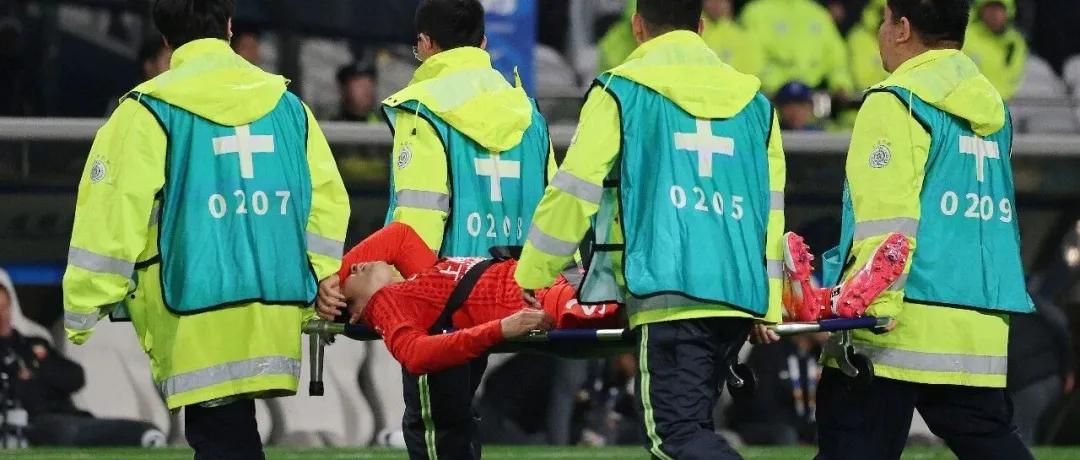
CFA explains the Shanghai Derby "concussion substitution" controversy: According to the rules, referees have no authority to assess

Although the CFA gave a "procedurally compliant" assessment, this statement completely failed to quell public controversy. The core conflict of this incident has already escalated from "whether the rules were complied with" to whether sports ethics were compromised and competitive fairness was ignored.
From the perspective of rule条文, Shanghai Port's operation fully complies with current CSL regulations. However, from the standpoint of sports ethics and fair play, this action touches the底线 of professional football. The Shanghai Derby is the most watched and influential同城 clash in the CSL,承载着 fans' expectations for professional football and fair competition. In such a key match, exploiting a rule loophole to gain a numerical advantage on the field本身就是 disrespectful to opponents, fans, and the sport of football.
After the incident发酵, media personnel, fans, and industry insiders纷纷质疑 this behavior. "There was no aerial challenge, no head collision throughout—how could there be a concussion? This is blatant rule fraud," such质疑声络绎不绝; more业内人士表示, compliance does not equal合理性. The purpose of rules is to维护公平, not to become a tool for投机取巧. The term "leg concussion" quickly became a网络热词,调侃 this absurd substitution. Fans普遍认为 that when "potential concussion" can be随意制造, opportunistic behavior becomes合理合法 due to imperfect rules, insulting fans' intelligence.
What warrants警惕 is the示范效应 of this incident. Yang Shiyuan's controversial substitution is not an isolated case. The "concussion substitution" rule has already become a常规战术 for teams in lower-tier Chinese professional leagues. The Shanghai Derby闹剧 will undoubtedly encourage more teams to效仿. What the CFA and Chinese Football League should do now is maximize监督 and后续追踪 in the implementation of this rule to prevent frequent occurrences of such incidents.

The Yang Shiyuan concussion substitution controversy appears to be an isolated on-field incident, but实际上 it is a集中表现 of utilitarianism prevailing and rule spirit缺失 in the process of Chinese football's professionalization. This also presents higher要求 for our league administrators.
First, rule enforcement and supervision systems need strengthening. Implementing international rules in Chinese professional leagues requires配套监督,审核,追责 mechanisms to约束,惩罚 rule abuse. If teams滥用 concussion substitutions without any risk, referees cannot intervene, and post-match review and penalties are not strict, this极易导致 rules being abused.
Second, sports ethics education and professional素养 need enhancement. Our league administrators need to make从业者明白 that the core of professional football is fair competition. Results are important, but cannot come at the cost of突破道德底线. Some teams treat rule loopholes as "tactical wisdom," ignoring sports spirit for match outcomes. This功利化的 football理念 runs counter to professional development and也会让 fans lose trust in the league.
Third,完善 rules are meant to ensure league公信力. In recent years, the CSL has been努力修复形象,重建球迷信任. Incidents like "leg concussion" could plunge the league back into negative舆论 of "unprofessional, unfair."

A controversial substitution in a Shanghai Derby should警醒 our league administrators. To prevent such incidents from recurring and avoid the concussion substitution rule彻底沦为 a tactical tool, league administrators and clubs must make changes.
Short-term, the CFA needs to swiftly完善 rule enforcement细则, strengthen具体追踪 after rule implementation, and堵住 existing loopholes. First, establish a mandatory post-match review mechanism, conducting dual审核 of video replay + medical report for each concussion substitution, and introduce clear penalty条款 for虚假 substitutions without head contact or clear concussion signs to提高 rule abuse成本. Second, clarify concussion substitution判定标准, requiring clear head impact behavior and professional medical evaluation basis,杜绝 "no-cause concussion." Third, grant referees on-site质疑权, allowing them to initiate临时复核流程 for明显可疑 substitution requests, rather than完全被动执行.
Long-term, Chinese professional football leagues need to接轨 international top league standards, establishing an independent on-field medical evaluation system with league专属医疗官 working alongside club medical staff to assess potential concussion injuries.
The Shanghai Derby "leg concussion"闹剧 is an契机 for the CSL to完善自身 and提升职业化. Only by补齐 rule漏洞,强化监督管理, and坚守 sports ethics can Chinese football回归纯粹的竞技本身, avoiding恶性循环 of rule投机.


Wonderfulshortvideo

My @CLUB needs more fans!


The touch and the pass 😮💨

doku goal today haaland goal today cherki goal today man city 3-0 liverpool premier league news man city news

cherki goal today rayan cherki edit cherki vs liverpool

User esportapi has posted a video.

User esportapi has posted a video.

Just so cool 😎
 Links
Links
 Contact
 App
App


