



Japanese football continues to dominate in the Asian arena.


Two representatives participating in the AFC Champions League Elite semifinals, Japanese football makes a strong impression by asserting its internal strength against Asia's expensive stars.
Japanese football is creating a major impact at the AFC Champions League Elite arena, with two out of four representatives reaching the semifinals. This achievement not only surprises but also demonstrates the sustainable strength derived from the internal development foundation of football in the Land of the Rising Sun.
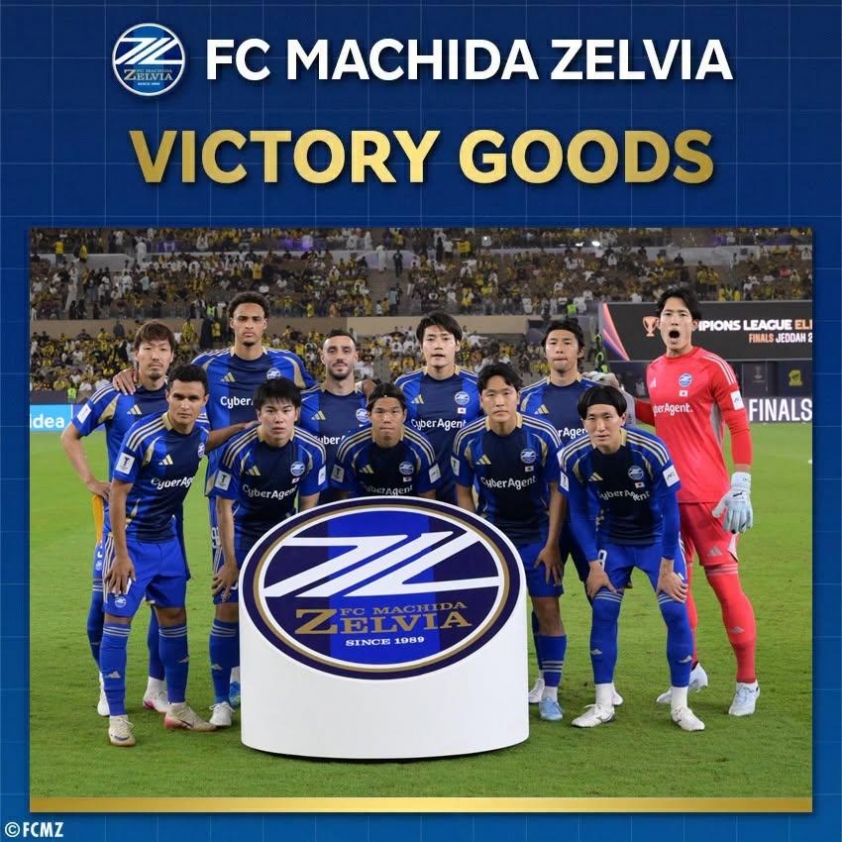
The focus of attention is on Machida Zelvia – the team regarded as the "phenomenon" of this year's tournament. Their journey is likened to a fairy tale as they successively overcome formidable opponents. In the quarter-finals, Machida caused a shock by defeating Al Ittihad 1-0, despite the opponent possessing a lineup of prominent stars and having a significantly higher team value.
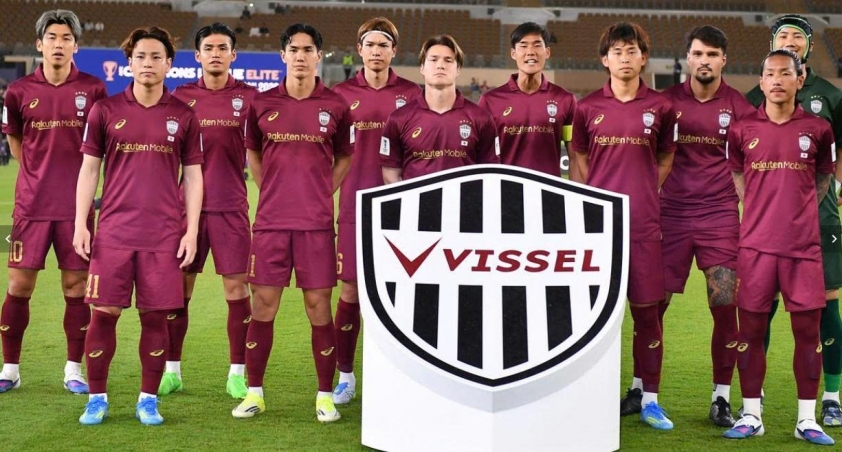
Not falling behind, Vissel Kobe also made its way into the top 4 after defeating Al Sadd. Notably, the Japanese representative possesses a team with much lower value than its opponent, yet still knows how to make a difference through disciplined and effective play. The fact that two clubs with modest total team values have progressed deeply has forced experts to reconsider the true strength of Japanese football.
The prominent common point of Japanese football teams is the priority of using domestic players. While many Asian clubs heavily rely on foreign players, J-League representatives build their gameplay around local talent. In the match against Al Ittihad, Machida used mostly Japanese players in its main lineup, creating cohesion and high organization.
This difference becomes even more evident when compared with other teams in the region. Many strong clubs like Johor Darul Ta'zim or Buriram United significantly depend on foreign players, even having domestic players countable on fingers in some matches. This makes the team's identity blurred and heavily reliant on individual quality.
In the context of the AFC Champions League Elite increasingly elevating its level, the success of Japanese clubs is clear evidence of a sustainable development model. Without needing blockbuster contracts, they still create an impact through solid internal strength, thereby causing Asia to reconsider the position of Japanese football on the regional map.
Malaysian football is about to receive an unprecedented 'privilege' from the AFC.
CAHN faces a major opportunity due to an important decision from the AFC.


Wonderfulshortvideo

My @CLUB needs more fans!



The touch and the pass 😮💨

doku goal today haaland goal today cherki goal today man city 3-0 liverpool premier league news man city news

cherki goal today rayan cherki edit cherki vs liverpool

User esportapi has posted a video.

User esportapi has posted a video.

Just so cool 😎
 Links
Links
 Contact
 App
App


