



MU was very wise in selling Garnacho



The match at Stamford Bridge should have been an opportunity for Alejandro Garnacho to prove his worth against his former club. However, what the Argentine player displayed went in the opposite direction.
1. In the first half, Garnacho did not attempt any shots, created no chances, and had no successful dribbles. He lost possession multiple times and almost had no significant impact on the game.
This was not an isolated performance. Since the latter stages at Old Trafford, Garnacho has shown limitations in his ball-handling thinking and tactical adaptability. He has speed and aggression, but often falls into inefficient handling, easily predictable when opponents organize tight defenses.
Another issue lies in personal development. After being given opportunities in the first team, Garnacho has not shown clear progress in decision-making ability, a crucial factor for an attacking winger. His individual plays are often more instinctive than calculated, leading to missed reasonable coordination options.
Besides professional factors, the controversies during his final period at MU, including conflicts with the coaching staff and controversial statements, also significantly affected Garnacho's standing in the team. When a young player hasn't reached professional maturity but has attitude issues, the club considering a change is understandable.
2. On the other hand, Matheus Cunha presents the image of a more complete player in both skill and football thinking. In the match at Stamford Bridge, Cunha didn't have many opportunities, but he knew how to utilize decisive moments.
The only goal of the match came from a combination with Bruno Fernandes. When receiving the ball in a favorable position, Cunha finished with a clean one-touch shot, not giving goalkeeper Robert Sanchez a chance to save. That situation best illustrates the qualities MU needs in an attacking player: precision and decisiveness.
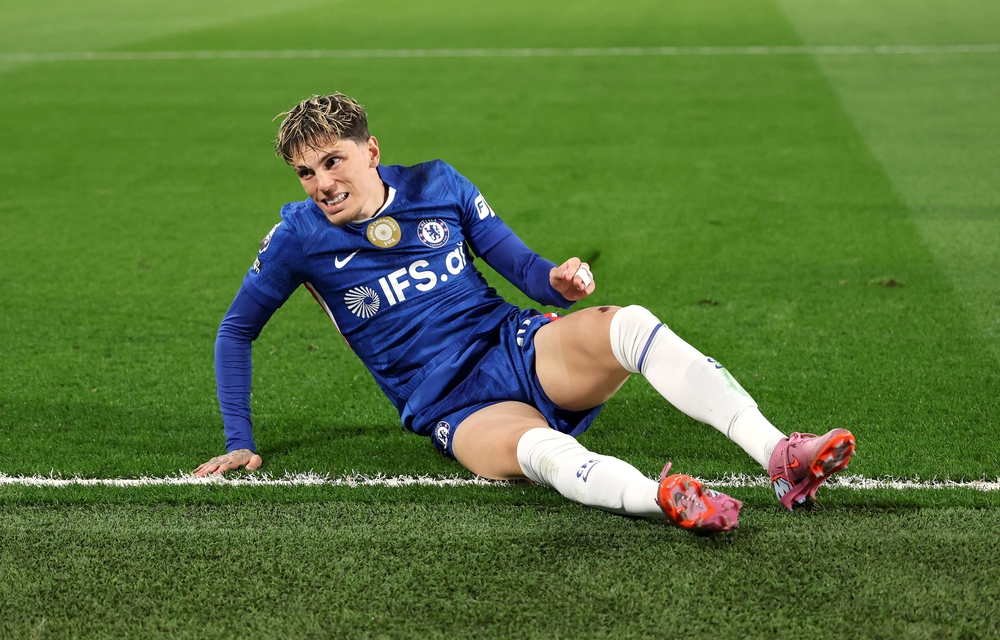
Garnacho became a laughingstock when facing his former club
A notable point is that earlier, Cunha missed a similar opportunity due to slow handling. However, just minutes later, he adjusted his approach and executed the finish immediately when space appeared. This quick adaptation within the same match shows Cunha's learning and adjustment ability.
Not only contributing in scoring, Cunha also actively participated in the overall tactical system. He moved flexibly, supported pressing, and maintained proper team spacing. These factors helped MU maintain balance between attack and defense, especially in crucial matches.
From a professional perspective, the difference between Cunha and Garnacho lies not only in individual skills but also in system integration ability. Cunha meets tactical requirements well, while Garnacho often plays instinctively, difficult to control in a structure demanding high discipline.
3. From the on-field developments, it can be seen that MU's transfer decision is not simply replacing one player with another. This is an adjustment aligned with the club's development direction.
Selling Garnacho brings significant financial resources while helping MU minimize risks related to an unstable player. Meanwhile, recruiting Cunha - a player with Premier League experience and at career maturity - brings immediate effectiveness.
The league standings also partly reflect the difference in direction. MU is nearing the goal of securing a Champions League spot, while Chelsea is facing difficulties.
Though not all responsibility can be attributed to one individual, transfers that aren't truly suitable, including Garnacho, are raising questions about the London club's transfer strategy.
Garnacho once believed leaving MU was a "step forward" in his career. However, reality shows a new environment doesn't always equate to development, especially when a player hasn't perfected core skills.


Wonderfulshortvideo

My @CLUB needs more fans!


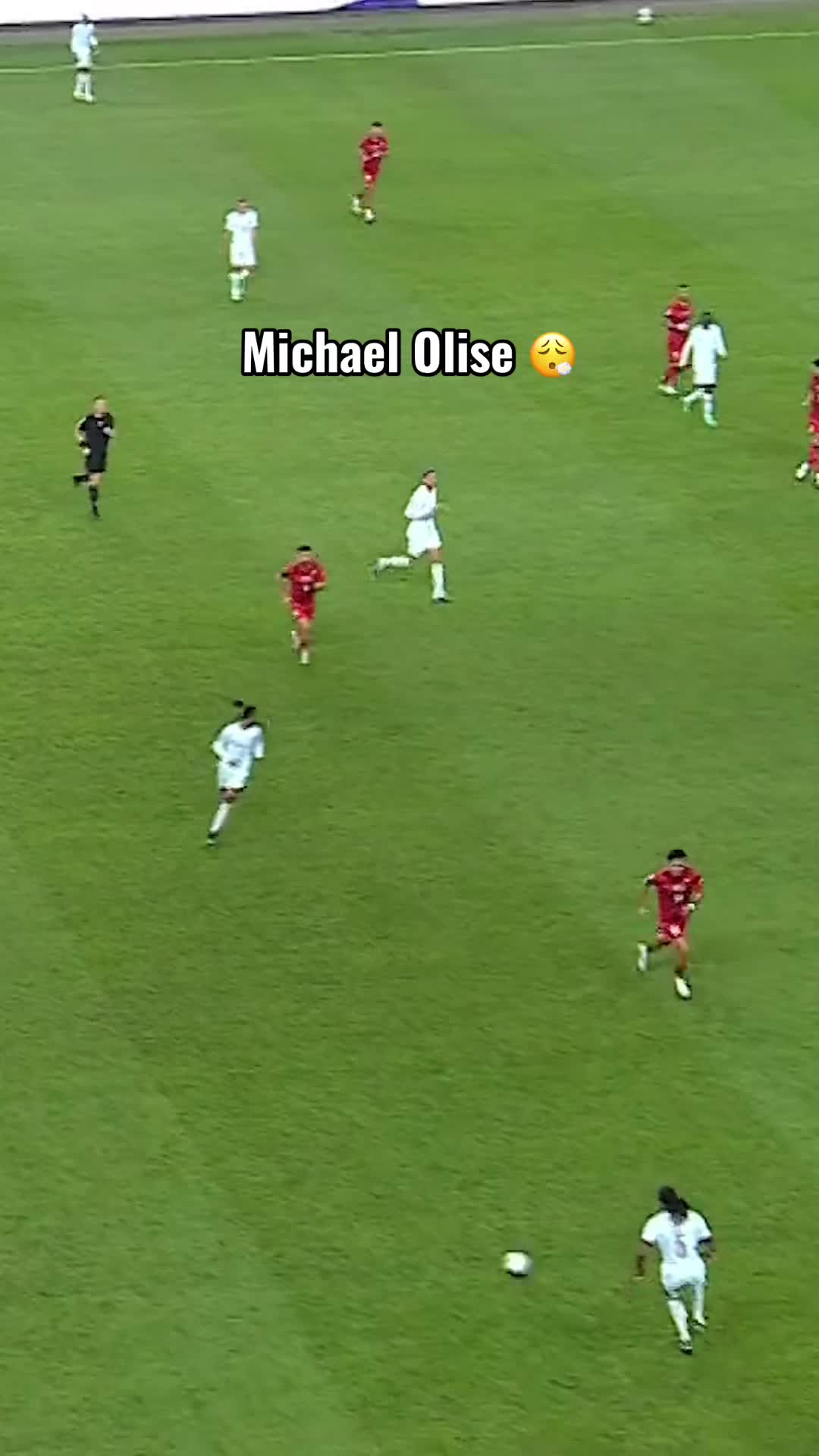
The touch and the pass 😮💨
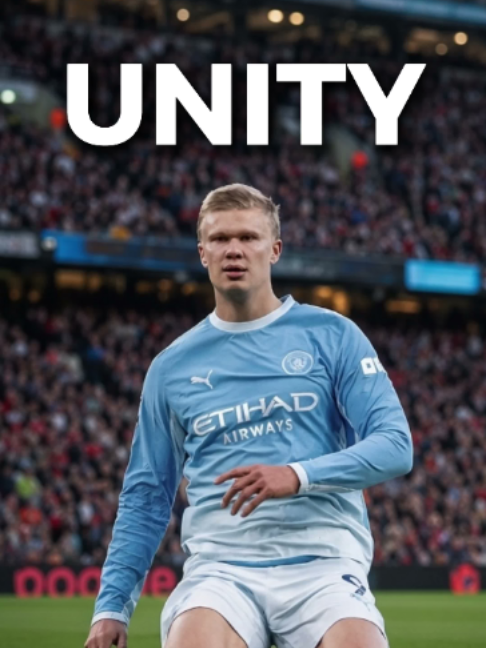
doku goal today haaland goal today cherki goal today man city 3-0 liverpool premier league news man city news
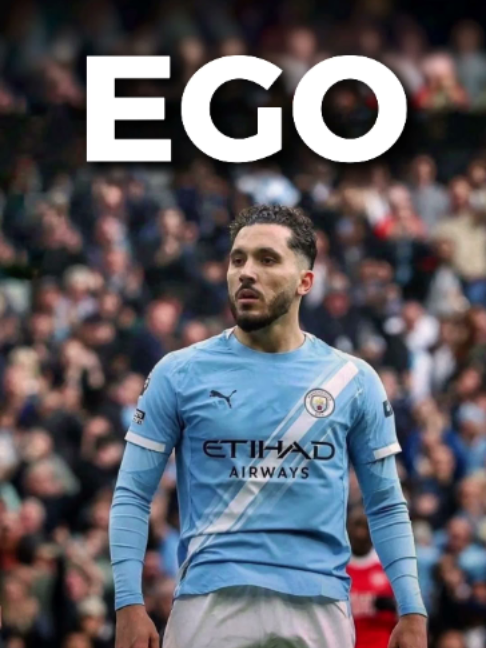
cherki goal today rayan cherki edit cherki vs liverpool

User esportapi has posted a video.

User esportapi has posted a video.
Just so cool 😎
 Links
Links
 Contact
 App
App


