



Why is Vietnamese football still struggling with Japanese coaches?



From Miura to Ikeuchi, Vietnamese football has often pinned expectations on Japanese managers, but the outcomes have been lackluster, prompting doubts about their suitability.
The failure of Vietnam U19 at the 2026 Southeast Asia U19 Championship has once again brought up the story of Vietnamese football and Japanese coaches. Under the guidance of coach Yutaka Ikeuchi, Vietnam U19 started quite smoothly, but a 1-2 loss to hosts Indonesia in the final match cost them control of their fate, and they were subsequently eliminated in the group stage. This result further intensified the feeling of "struggling with Japanese coaches" in the eyes of fans.
Before the tournament, Coach Ikeuchi once showed very great determination. He stated: “Vietnam U19 will give their best and play every match like a final”. When talking about the match against Indonesia, the Japanese coach also emphasized: “Vietnam U19 will fight with all their might in every match. The match against Indonesia is no different”. During the training camp in Japan before the tournament, he said the coaching staff would analyze each player after every friendly match to improve weaknesses, while also assessing the team's tactical adaptability.
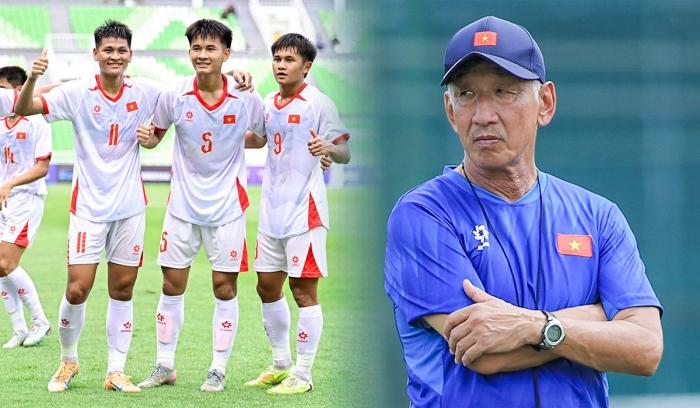
But the reality on the pitch is always harsher than plans on paper. Vietnam U19 entered the tournament without an optimal squad because many players were tied up with domestic schedules. Facing an Indonesia side with home advantage, pressure from the stands, the pitch, and the decisive nature of the match, the young players could not maintain the necessary stability. This is not just an issue for coach Ikeuchi alone, but also reflects a familiar shortcoming of Vietnamese youth football: a lack of composure at crucial moments.
Looking more broadly, Japanese coaches have left their mark in Vietnam multiple times, but rarely had a complete ending in the "hot seat" role. Toshiya Miura once led Vietnam Olympic to the quarterfinals of the 2014 Asian Games, helped the Vietnam national team reach the semifinals of the 2014 AFF Cup, and guided the U23 team to qualify for the 2016 AFC U23 Championship. However, he also faced much criticism for his physically oriented playing style, which was considered rigid and not suited to the technical qualities of Vietnamese players.

The issue lies in that Japanese philosophy often emphasizes discipline, organization, intensity, and compliance. These elements are very valuable in long-term training, but when placed in the Vietnamese football environment, which is under pressure for quick results, high expectations, and unstable squads, foreign coaches find it difficult to create immediate changes. This explains why Japanese experts can do well in training, technical director roles, or youth football, but often face difficulties when directly leading a team.
Therefore, saying that Vietnamese football is "incompatible" with Japanese coaches is not enough. More precisely, Vietnamese football has yet to find an effective way to leverage the systematic approach of the Japanese within a system that is sufficiently patient and synchronized. When the training foundation, match schedules, squad depth, and performance goals are not aligned, any coach from Japan will find it difficult to turn discipline into immediate success.


Wonderfulshortvideo

olise nike contract olise news today football news today olise hypervenom


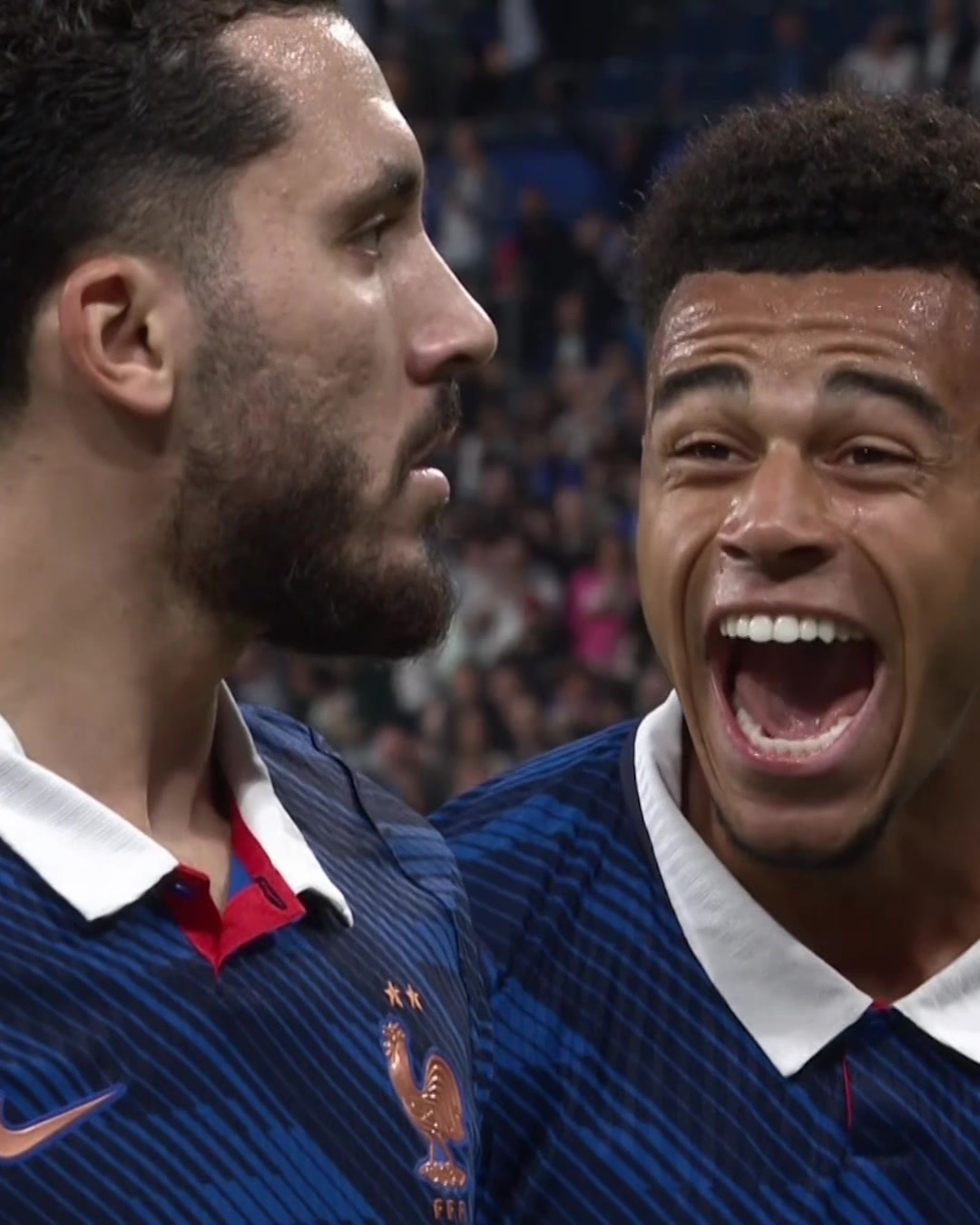
Désiré Doué’s face 😆😆

User ChampionChatter has posted a video.

Would lowkey love to see HH play up front soon 😅
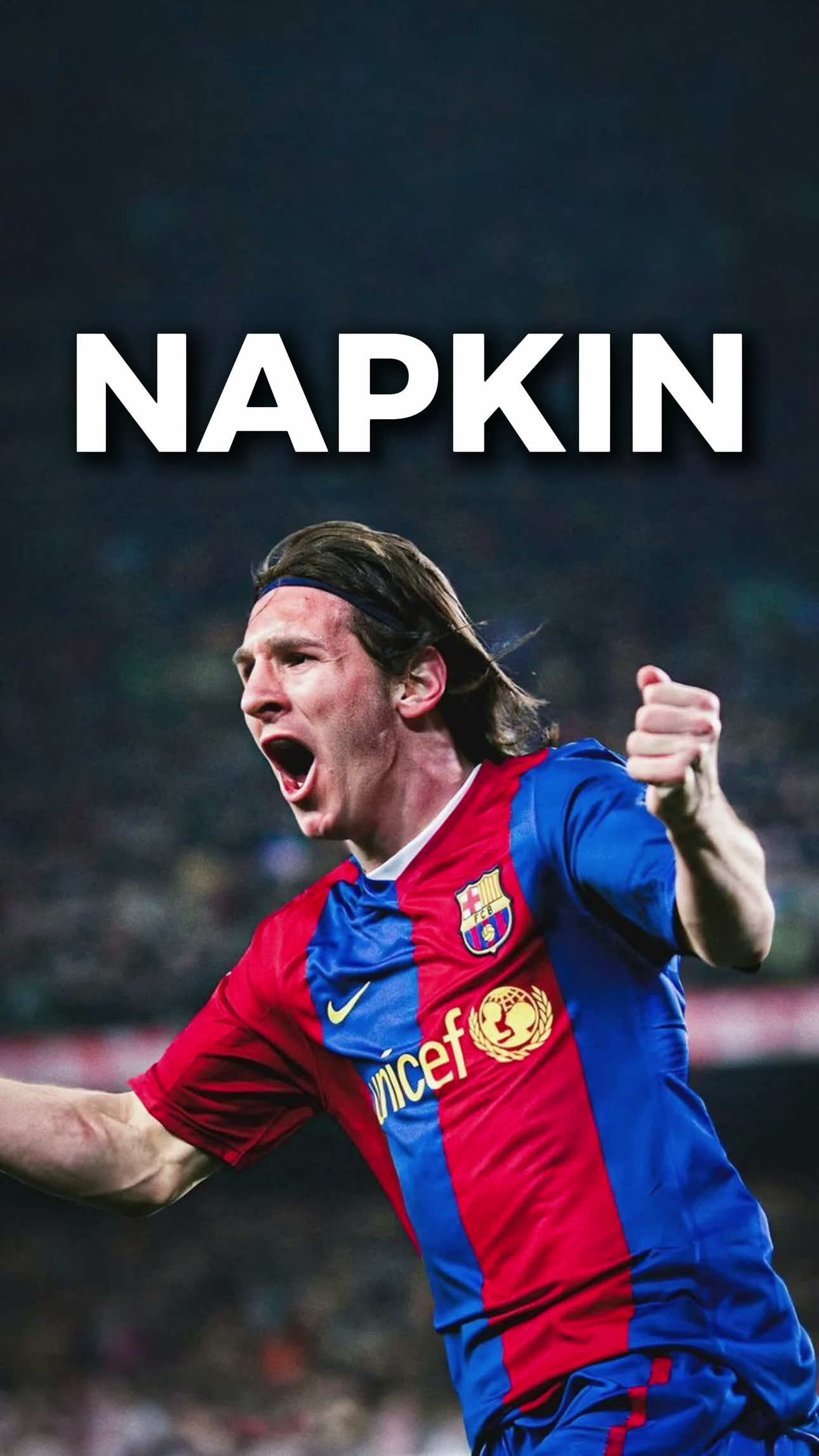
messi story young messi edit messi barcelona news today

ronaldo news today ronaldo jorge jesus drama ronaldo edit football news today
User esportapi has posted a video.
 Links
Links
 Contact
 App
App


