



As the World Cup is about to begin, will the noise off the pitch simply vanish?



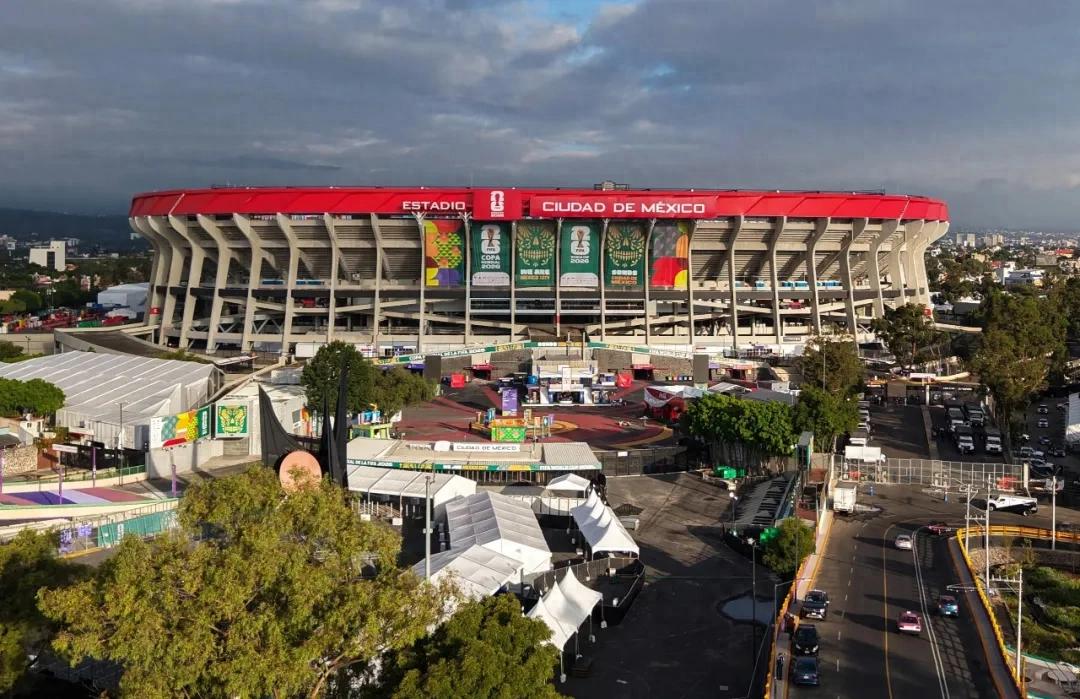
Written by Han Bing At 3:00 AM Beijing time on June 12, Mexico, one of the host nations, will open the 2026 World Cup against South Africa. Football finally steps onto the pitch, and global fans are ready to enter "World Cup mode." However, will the noise, disputes, and chaos fade away with the matches?

The 2026 World Cup is the first to be jointly hosted by three countries, with opening ceremonies in Mexico, the United States, and Canada. Barry Balich serves as creative director, having previously led creative work for multiple Olympic opening ceremonies, including the 2026 Winter Olympics. The three ceremonies each have distinct styles but share a common theme: football transcends borders, uniting people worldwide.
At 1:30 AM Beijing time on June 12, the first opening ceremony takes place at the Azteca Stadium in Mexico City. The artistic performance features Mexican paper-cut art (Papel Picado) as a visual centerpiece, paying tribute to Mexican culture, indigenous traditions, and folk art. Shakira and Nigerian singer Burna Boy will headline the show, performing the official World Cup theme song "Dai Dai" live for the first time. This marks Shakira's return to the World Cup stage after 16 years. She will also lead the halftime show at the World Cup final on July 19.

In addition, several other renowned artists will perform, including five Mexican acts. South African singer Tyla will perform as a representative of the visiting team for the opening match. During the national anthem segment before the opening game, the anthems of Mexico and South Africa will be sung respectively by Mexican artist Alejandro Fernández and Tyla, both of whom are part of the opening ceremony lineup.
At 1:30 AM Beijing time on June 13, the second opening ceremony takes place at Toronto's BMO Field in Canada. A mosaic-style World Cup trophy serves as the visual emblem, symbolizing Canada's ethnic and cultural diversity. Most of the nine performing artists are from Canada, including Bangladeshi-Canadian DJ Sanjoy and Moroccan-Canadian dancer Nora Fatehi.
At 7:30 AM Beijing time on June 13, the third opening ceremony is held at SoFi Stadium in Los Angeles, USA. The show is headlined by California native Katy Perry. South African singer Tyla will also travel from Mexico to take part in her second opening ceremony performance.
Most of the songs performed across the three opening ceremonies come from the 2026 World Cup official album (18 tracks), spanning genres such as cumbia, Mexican folk music, reggae, and Latin pop. For FIFA President Gianni Infantino, he hopes this World Cup will at least be remembered for its three star-studded, grand, and dazzling opening ceremonies.
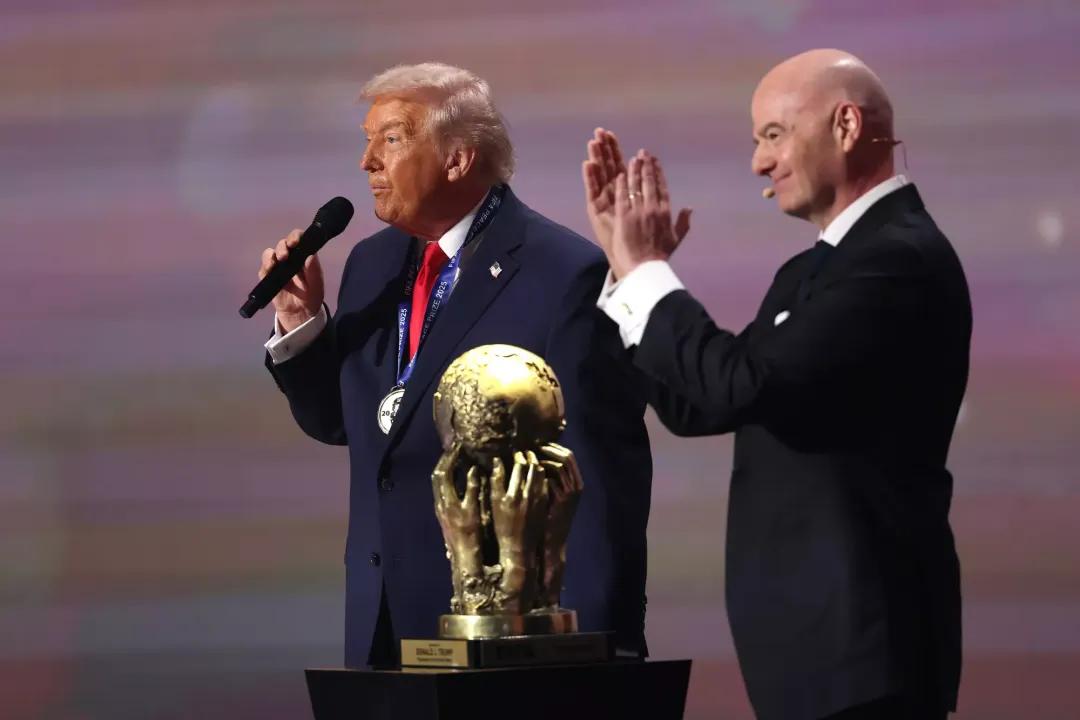

ESPN believes that every World Cup has controversies before it starts, but once the matches begin, off-field disputes are usually completely overshadowed by football talk. However, this time, a host of messy issues keep popping up.
Mexico's opening ceremony and inaugural match have embarrassed FIFA, as protesters clogged the entry passages. The demonstrators include teacher unions, farmers and transport workers, families of missing persons, and aviation employees, all demanding higher wages, lower costs, and better public safety.
Protesters have vowed to block major roads in Mexico City with heavy vehicles on the opening day of the World Cup and disrupt air traffic through strikes. Mexican authorities have had to deploy thousands of police around the Azteca Stadium and mobilize over 100,000 personnel to strengthen ground crowd control and airspace management. On opening day, schools nationwide were closed, and most people were allowed to work from home.
The opening ceremony and first match face not only outside protests but also potential extreme weather. Mexico's meteorological department has issued a warning: during the opening ceremony and match, Mexico City may experience heavy rain, lightning, hail, and winds exceeding 60 km/h.
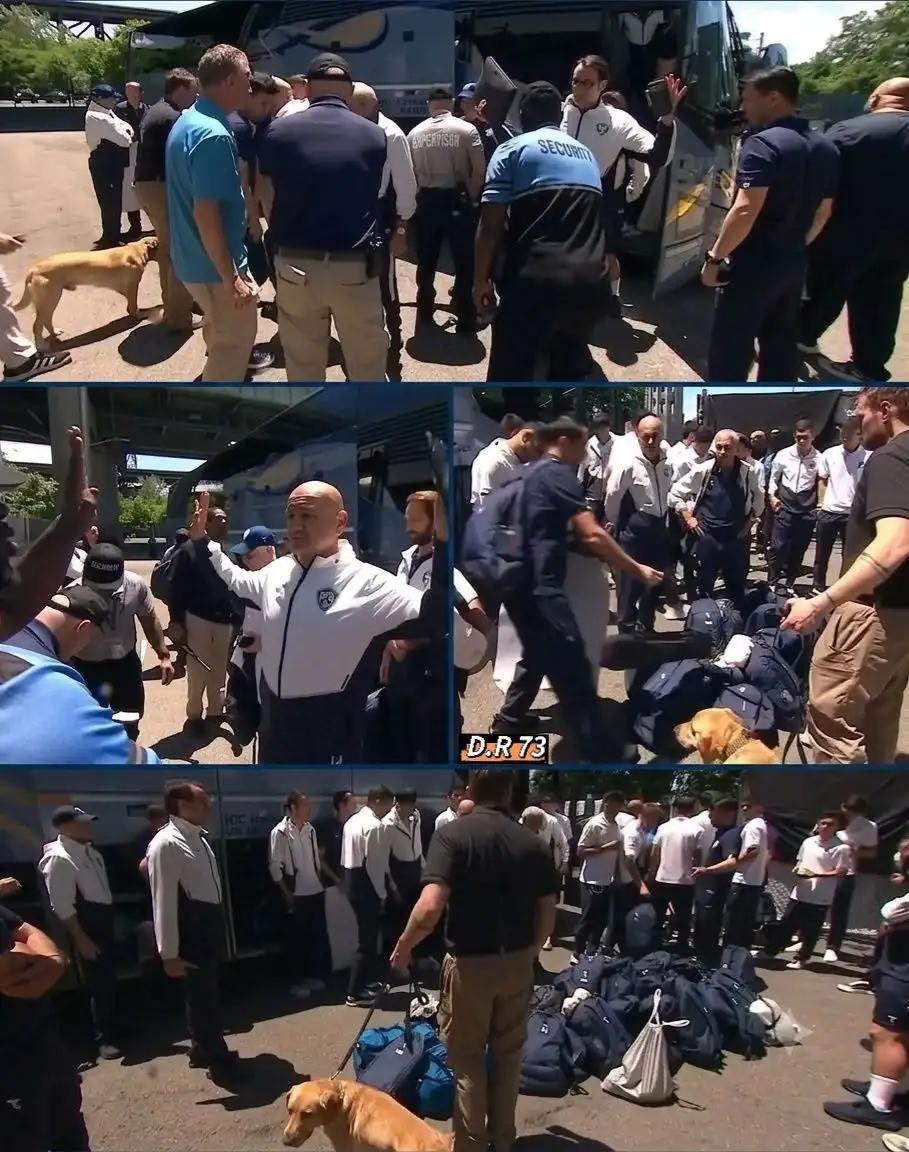
While Mexico is overwhelmed by protests and weather, the United States has sparked even greater controversy. Apart from a Somali World Cup referee with proper credentials, multiple referees from Iran, Iraq, and African journalists were denied visas, and faced "double standards" during entry checks. Uzbekistan's team, coached by Cannavaro, underwent a one-hour search involving police dogs, while the Dutch team passed through without any obstacles, directly arriving at their base.
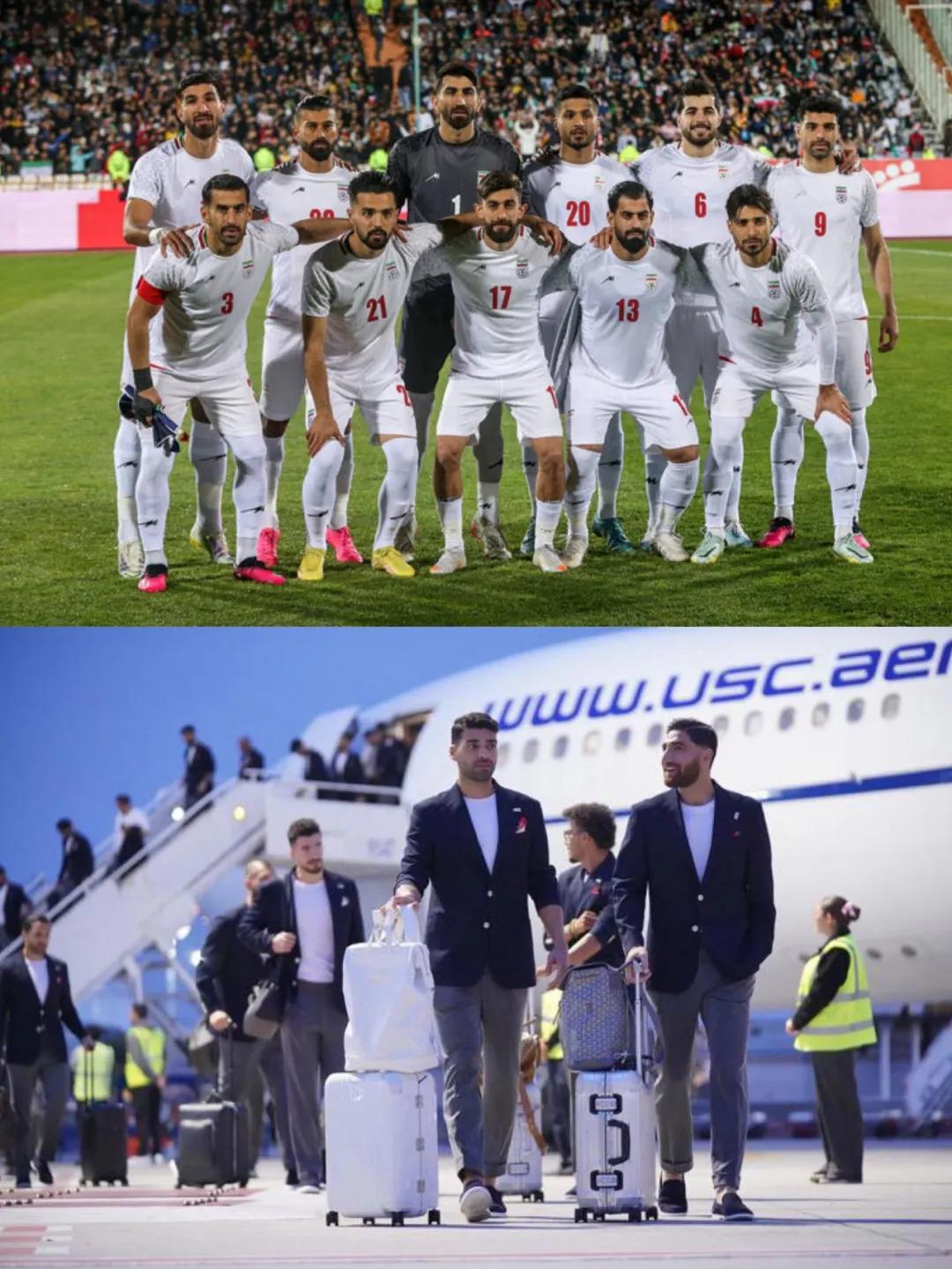
Although Iran was allowed entry, more than ten delegation members including the football association president, assistant coaches, and analysts were denied visas. The entire Iranian team was only granted single-day visas. This forced the team to set up their base in Tijuana, on the US-Mexico border, and they cannot depart for the stadium until 5 AM on match day. They are unable to conduct pre-match training on the pitch like other teams, and must leave the country immediately after the match. If the game is postponed due to thunderstorms and their visas expire, it could lead to the unprecedented farce of an entire team being detained and deported for visa overstays in World Cup history.
With the World Cup underway, football may become the most talked-about topic. However, off-field controversies will not simply cease; they might even intensify.
Perhaps that is the very theme of this US-Mexico-Canada World Cup: football and off-pitch disputes will run side by side, and are destined to influence each other.


Wonderfulshortvideo

olise nike contract olise news today football news today olise hypervenom


Désiré Doué’s face 😆😆

User ChampionChatter has posted a video.

Would lowkey love to see HH play up front soon 😅

messi story young messi edit messi barcelona news today
ronaldo news today ronaldo jorge jesus drama ronaldo edit football news today
User esportapi has posted a video.
 Links
Links
 Contact
 App
App


