



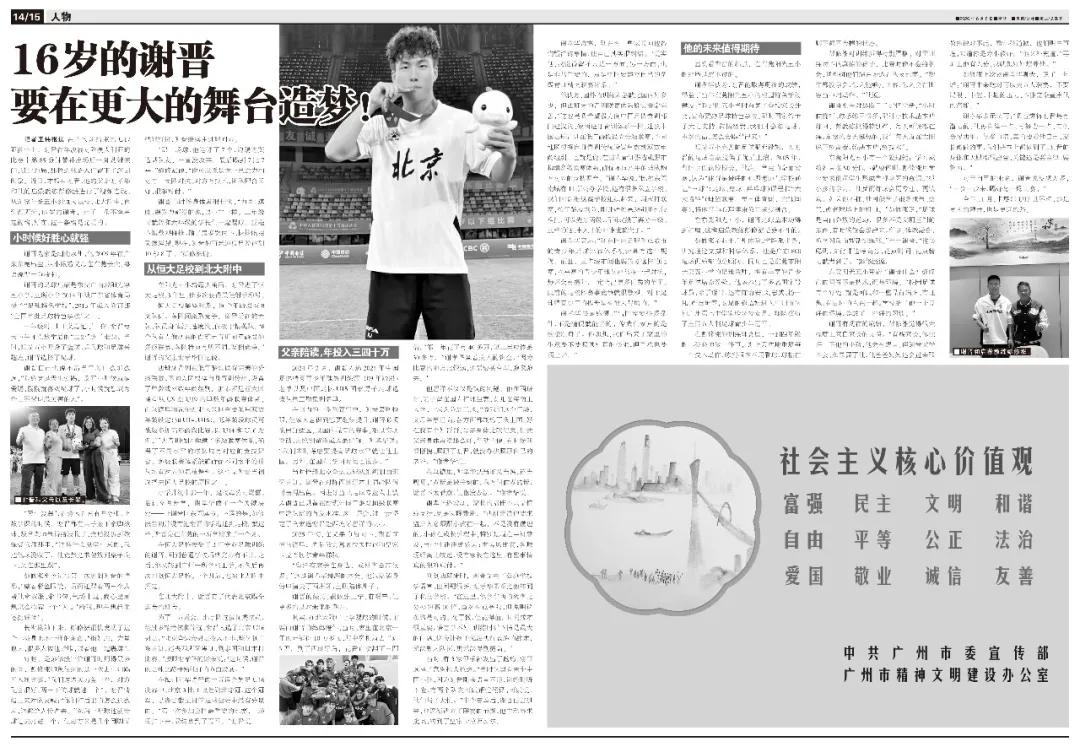
At 16, Xie Jin is dreaming of a bigger stage to shine!


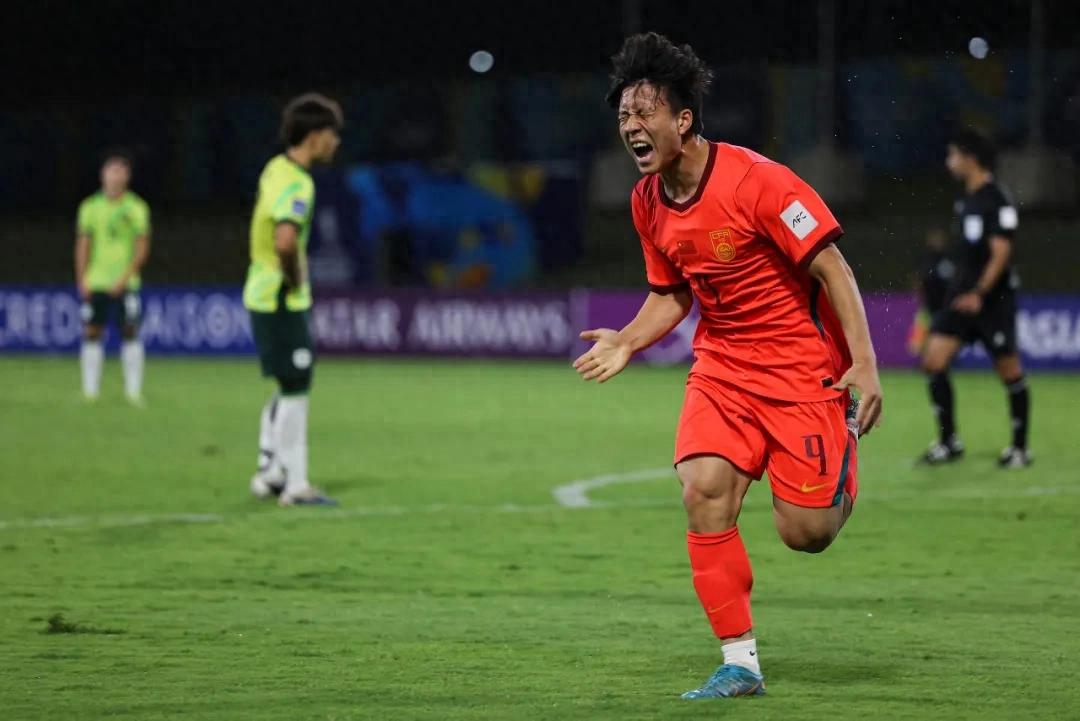
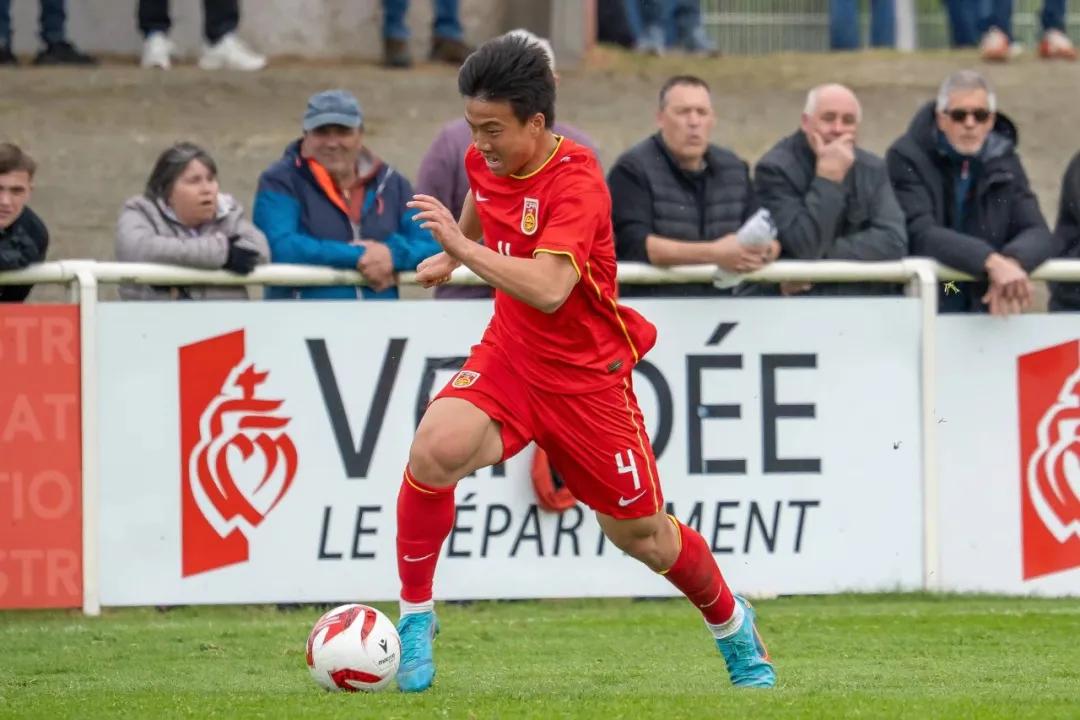
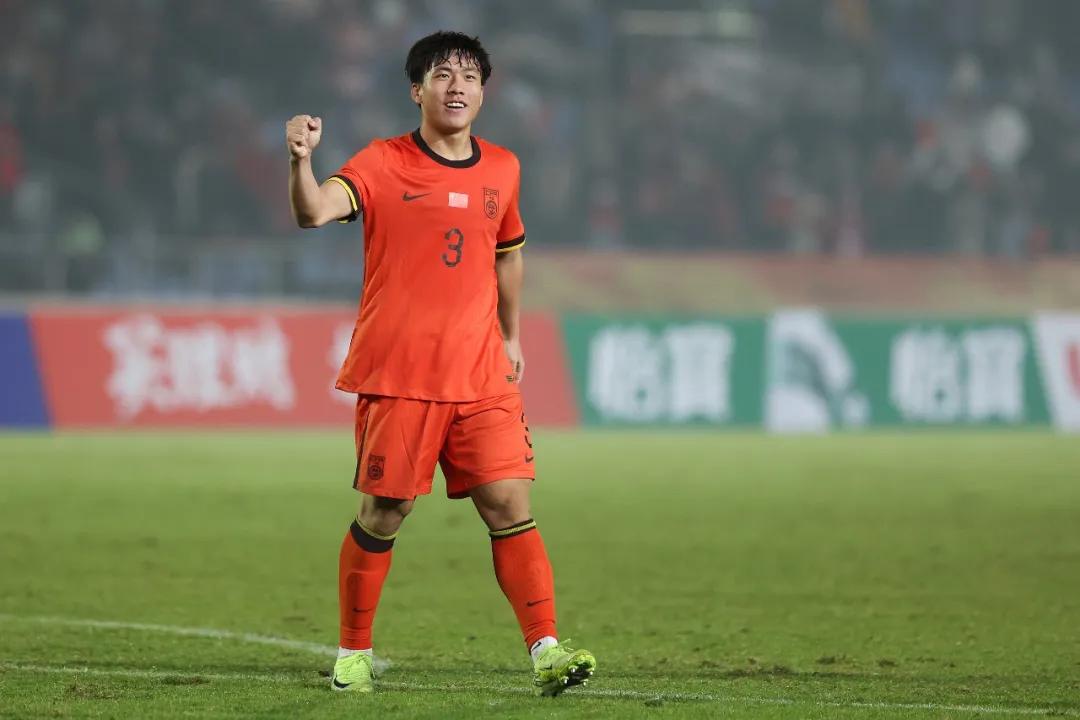
Reporters Wang Wei and intern Li Xin report In the recently concluded U17 Asian Cup, Xie Jin came off the bench in the 85th minute of the semifinal against Australia and scored a powerful shot to secure the win, making a lasting impression. Recently, our newspaper conducted a video interview with Xie Jin, his father Xie Xiaohua, and his first coach Peng Xiuzhang. From Dongguan Sunshine No.5 Primary School to Evergrande Football School, to Peking University Affiliated High School, and then to Spain, 16-year-old Xie Jin has walked a difficult but bright path.

Xie Jin's hometown is Yongzhou, Hunan, but he was born in 2009 in Dongguan, Guangdong, and grew up there with his parents, speaking fluent Cantonese.
Xie Jin's football initiation began at Dongguan Nancheng Sunshine No.5 Primary School. The school was awarded "Football Characteristic School" by the Guangdong Provincial Sports Bureau in 2014, and became one of the first "National Football Characteristic Schools" by the Ministry of Education in 2015.
In first grade, since his parents were busy with work, where to send Xie Jin after school at 4 p.m. became a problem. At the time, Sunshine No.5 offered basketball, table tennis, and football interest classes. Xie Jin chose football. He himself couldn't explain why he made that choice. "I feel like I was born to play. Anyway, I loved playing since I was little, and gradually I fell in love with football. When I was a kid, I wanted to be the best footballer in the world."
"Born to play" might sound exaggerated to others. During math class, Xie Jin would dribble the ball under the desk with his feet. The math teacher got angry, confiscated the ball, and complained to coach Peng Xiuzhang, "What kind of weird student is this? I took his ball away, and he put his backpack under the desk and kept kicking it."
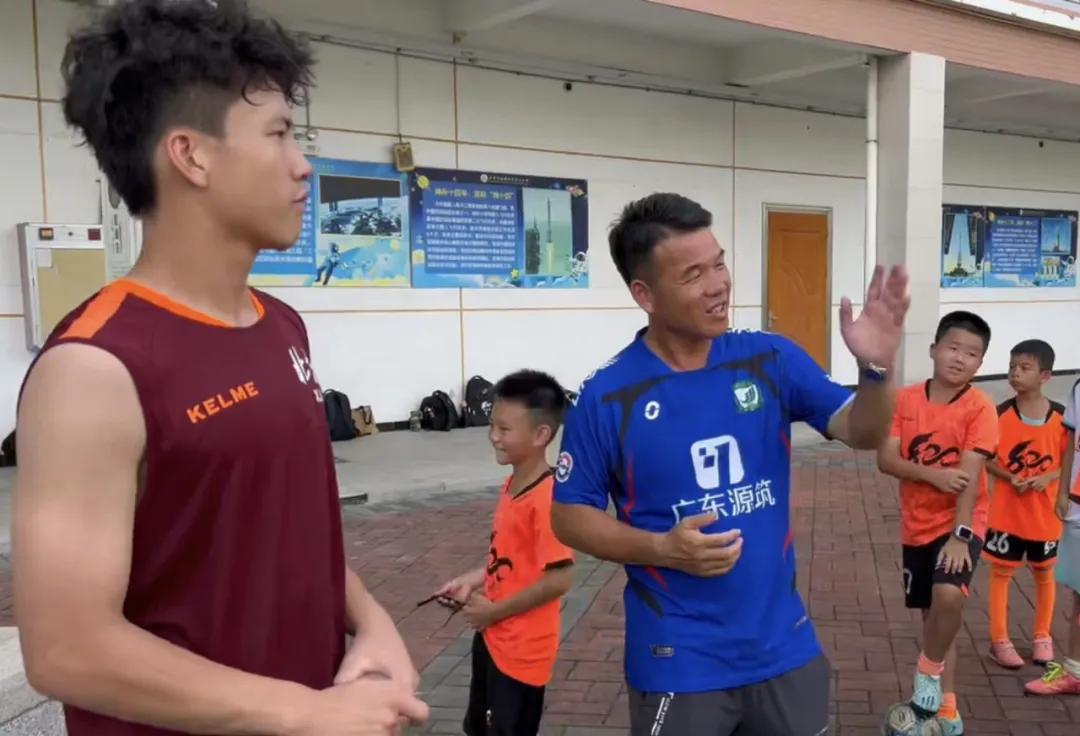
▲ Xie Jin and his first coach Peng Xiuzhang
Peng Xiuzhang still remembers the first time he saw Xie Jin. "He was wearing colorful sunglasses, followed by two or three people carrying his clothes and backpack. He had such an imposing presence. I thought to myself, 'Who recommended this 'big boss' to me?' Now looking back, it's pretty funny."
After getting to know him over time, Peng Xiuzhang quickly noticed something special about this child. "He's very competitive and strong. Many people were impressed by him and followed him to play football."
Competitiveness is the word Peng Xiuzhang uses most often to describe Xie Jin. Peng vividly remembers a five-a-side match in Guangzhou. "Our team was weaker; the opponent had good teamwork and scored with just a few passes." Xie Jin got emotional and shouted at his teammates, "How can you defenders be so bad? They just passed it right in!" Then, right after the kickoff, he dribbled forward and scored. But the opponent quickly scored again with a few more passes, and Xie Jin responded with another goal.
"In that game, he scored seven consecutive goals, crying and yelling at his teammates while playing, never giving up. The match ended 7-7," Peng said. "He essentially fought an entire team on his own. The opponent had skill and good teamwork, making them tough to beat."
Xie Jin was sturdy even as a kid. "Strength, speed, and explosive power were all outstanding—he was like a little bull. In second grade, he dared to play against sixth graders, completely unafraid of intense physical play. When he lost, he would cry for a bit, then wipe his tears and keep playing. Now, he can run 100 meters in 10.8 seconds," Peng said.
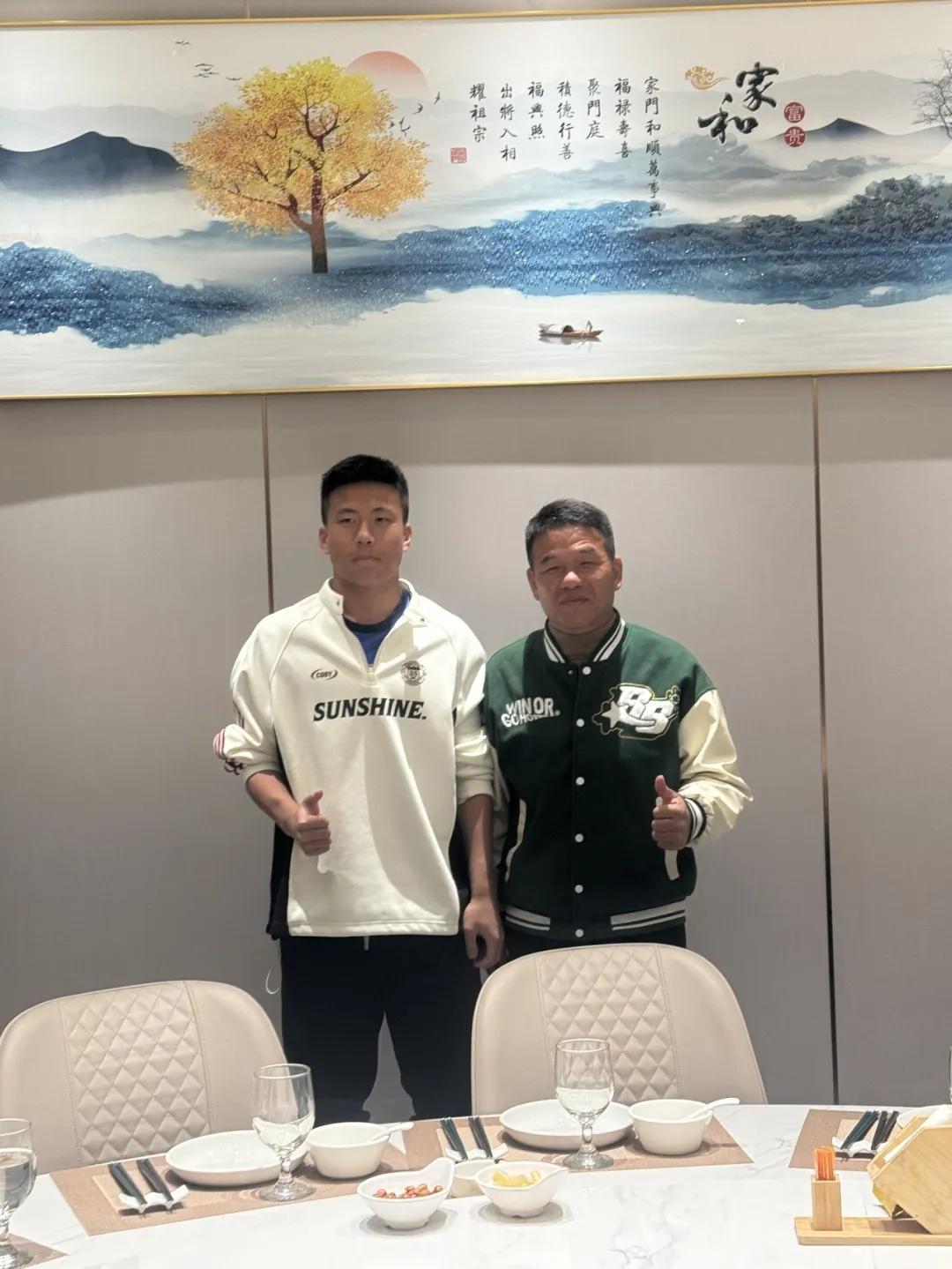

After making a name for himself at Sunshine No.5, Xie Jin entered Evergrande Football School, where over three years he won the top scorer award multiple times.
During the peak of Evergrande Football School, there were eight teams in the same age group, all competing fiercely. Xie Jin's team, Team Six, had good physique and speed, second only to the elite team. "The eight teams were a bit like Spain's multi-tier youth leagues for the same age group, each with different characteristics competing against each other," recalled Xie Jin's father, Xie Xiaohua.
Spanish youth training has well-established tiered leagues for younger age groups. Different regions set up odd or even age groups based on their own traditions. Catalonia has a league system from U9 to U19 with odd-age groups, while Madrid and Valencia mainly use even-age groups (e.g., U14, U16). Younger players can play up in older age groups. Taking U14 and U16 as examples, the three major youth training regions have built multi-tier league systems to ensure teams of different levels have a suitable competitive platform. This was one of the reasons Xie Jin chose Evergrande Football School back then.
In the year he was about to move from primary to middle school, Evergrande's parent company had a crisis. Just before school started in September, Xie Xiaohua made a crucial decision—let Xie Jin return to Dongguan to study. Fortunately, Peng Xiuzhang had not transferred Xie Jin's student registration to the football school. So Xie Jin studied for a month in a school in Dongguan first.

After three years of professional football training at Evergrande, Xie Jin couldn't settle for a regular school. Later, he transferred to a school in Guangzhou, but soon returned to Evergrande. A month later, he was recruited by Peking University Affiliated High School.
At Peking University Affiliated High School, Xie Jin got the chance to represent Beijing in the National Games.
For the 15th National Games, the Beijing team selected outstanding players. After rounds of assessment and screening, Xie Jin was chosen for the Beijing U16 men's football team. "Beijing invested heavily in the National Games team. The team went to Guangdong for winter training, as well as to Spain for a training camp, and played matches in Thailand and Japan." According to Xie Xiaohua, "At this point, Xie Jin's football career started to take a turn for the better."
In the U16 final of the 15th National Games held in Wuhua, Meizhou, Beijing beat Hubei 3-1 to win the championship. This title is the most significant of Xie Jin's career so far. "It was my first time participating in the most important national competition. We fought hard game by game and finally won the championship," Xie Jin said.
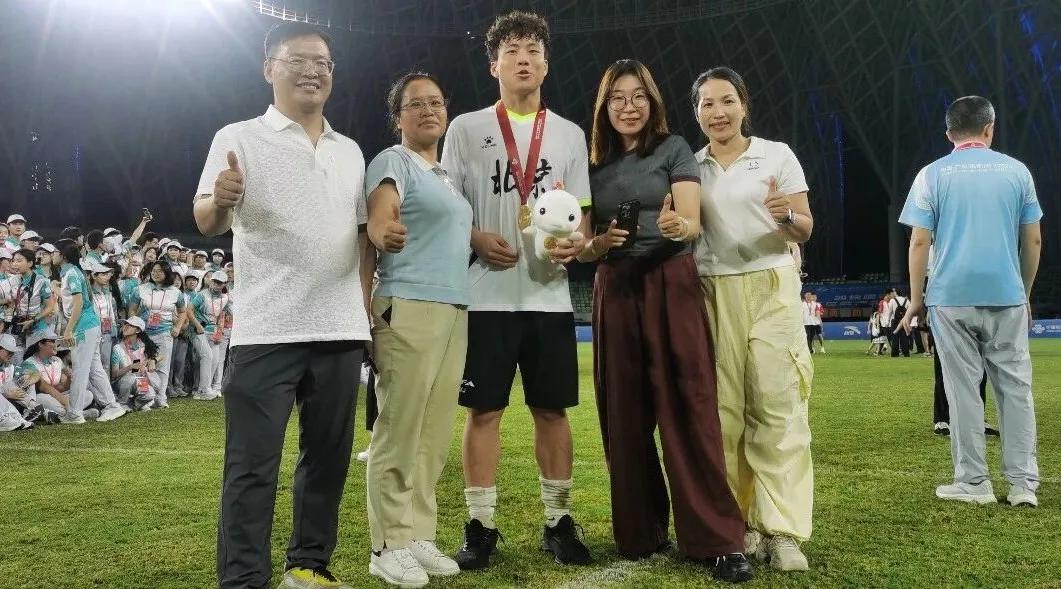
▲ Xie Jin celebrating his National Games gold medal with his family

In March 2024, Xie Jin was selected for the 2024 CFA Elite Youth Player Training Camp (2009 age group) and the third training camp of the CFA U15 National Men's Football Selection Team.
Xie Jin performed impressively in domestic competitions. But his family realized that to continue improving, he had to step out of his comfort zone. The existing domestic tournaments couldn't help him break through, so going abroad to Europe became the best option. Xie Xiaohua said, "We thought that to improve his football level, we should send him abroad. Also, at home, he had very little time for studying."
Around that time, the Beijing National Games football team organized a winter training trip to Spain, where Xie Jin performed well against local Spanish teams of the same age. Spanish football professionals believed that Xie Jin had the level to start for a mid-tier team in Spain's top youth league for his age group. This assessment further strengthened the family's determination to send him to Spain.
In early 2025, accompanied by his father, Xie Jin went to Madrid and played for the youth teams of Fuenlabrada and later Rayo Carabanchel.
"Having a parent abroad with the child greatly increases the success rate of studying abroad," was Xie Xiaohua's deepest insight. He applied to go to Spain as a companion to his son, taking care of him full-time.
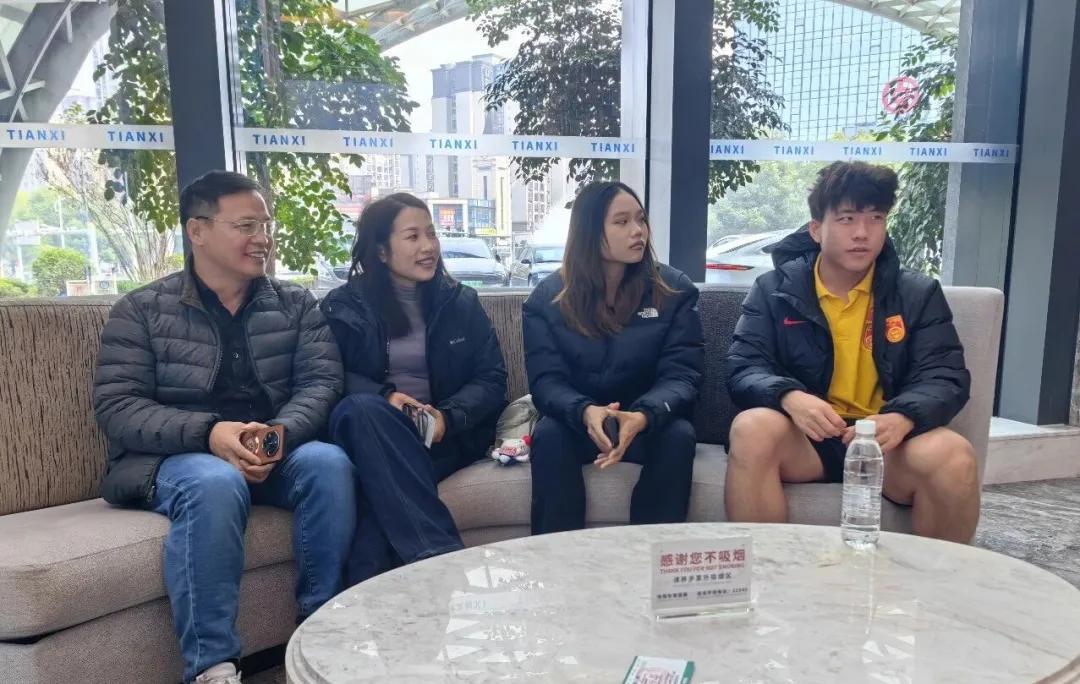
▲ Xie Jin and his family in an interview
Xie Jin's experience is reminiscent of Zhang Yuning's—full of hardships but even more so of hope for the future.
Actually, when he was studying and playing football at Peking University Affiliated High School, his mother mostly accompanied him. The family's annual expenses in Beijing were over 100,000 yuan, with rent taking up nearly 50,000 yuan. In Spain, costs tripled or quadrupled. "We spent over 400,000 in the first year, and about 300,000 in the second," Xie Xiaohua calculated. "Since the matches are far away, we also needed to buy a car to drive around."
But studying abroad wasn't just about money. He was in Spain, his wife stayed in China to run their business, and his daughter was at university in Hainan—the family lived in three separate places. "At our age, our parents are old, and many factors restrict me from going abroad. Fortunately, I have a good older brother. My mother is relatively healthy, but my father isn't; he has trouble moving around. Sometimes I feel very guilty—taking care of Xie Jin means I can't take care of my own dad," Xie Xiaohua said.
In Madrid, Xie Xiaohua acted as both father and mother, as well as cook. "Cooking is the most important thing. Sometimes Xie Jin isn't satisfied with what I cook, but there's no other way," he said.
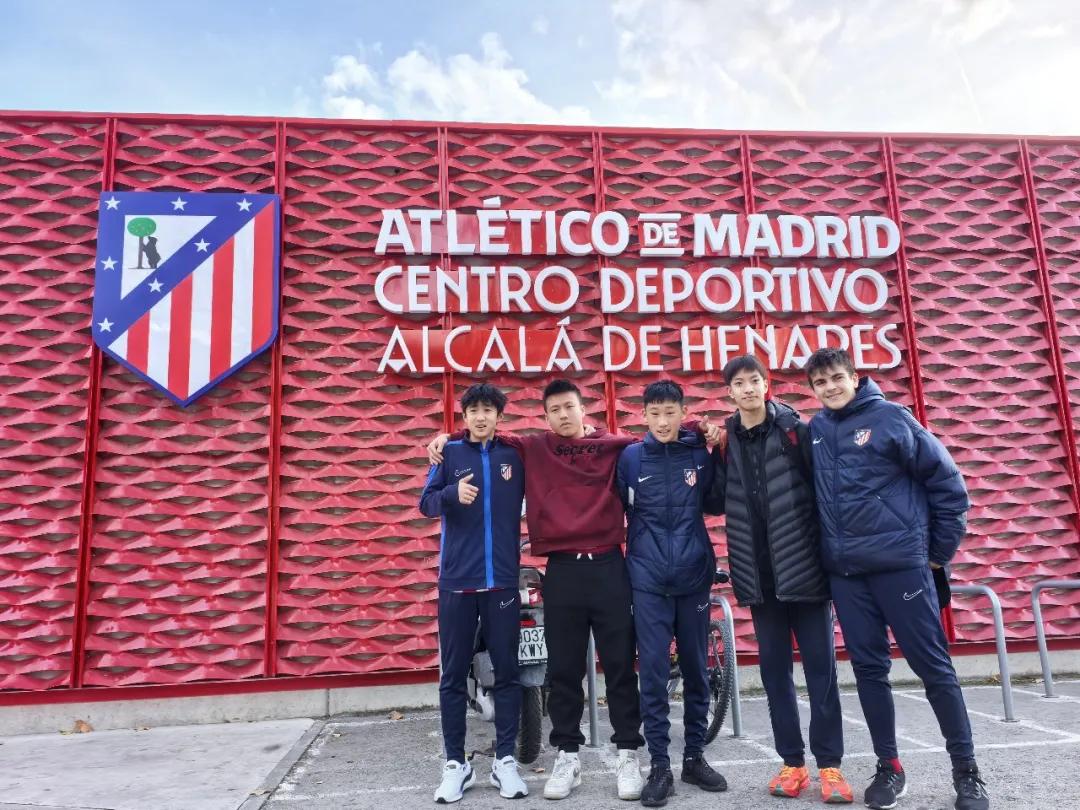
▲ Xie Jin in Madrid
Xie Xiaohua also found that parental companionship is not just emotional support but also practical help. "Spain requires guardians to stay with their children, and that's not without reason. During growth, especially with today's smartphones, kids often lack self-discipline. Home and away matches are far apart—without a parent here, some things are really hard to handle."
When he first arrived in Spain, Xie Jin attended a public school to learn the language, but there were many problems. Xie Xiaohua decisively transferred him to a private school. "Here, he learns ten times more efficiently than in public school—that might be an exaggeration, but it shows this was the right path. It costs money, but it's worth it. Time is valuable. If he can't understand the language, he can't follow the coach's tactics during training, which is the biggest problem. It prevents him from integrating into the team and improving."
Three clubs made offers. Xie Jin chose Fuenlabrada. "At that time, there were two Chinese kids in the team. Since Xie Jin didn't speak the language well and couldn't understand training instructions, these two teammates helped translate. They were a big help." Half a season later, Xie Jin overcame the language barrier and adapted to the league's pace. He actively sought new challenges and transferred to Rayo Carabanchel.
Xie Xiaohua revealed that some parents are now consulting him about studying abroad, but he himself is conflicted. "Honestly, I think studying abroad is just one aspect. Another very important thing is that China needs to build its own multi-tier elite youth league system."
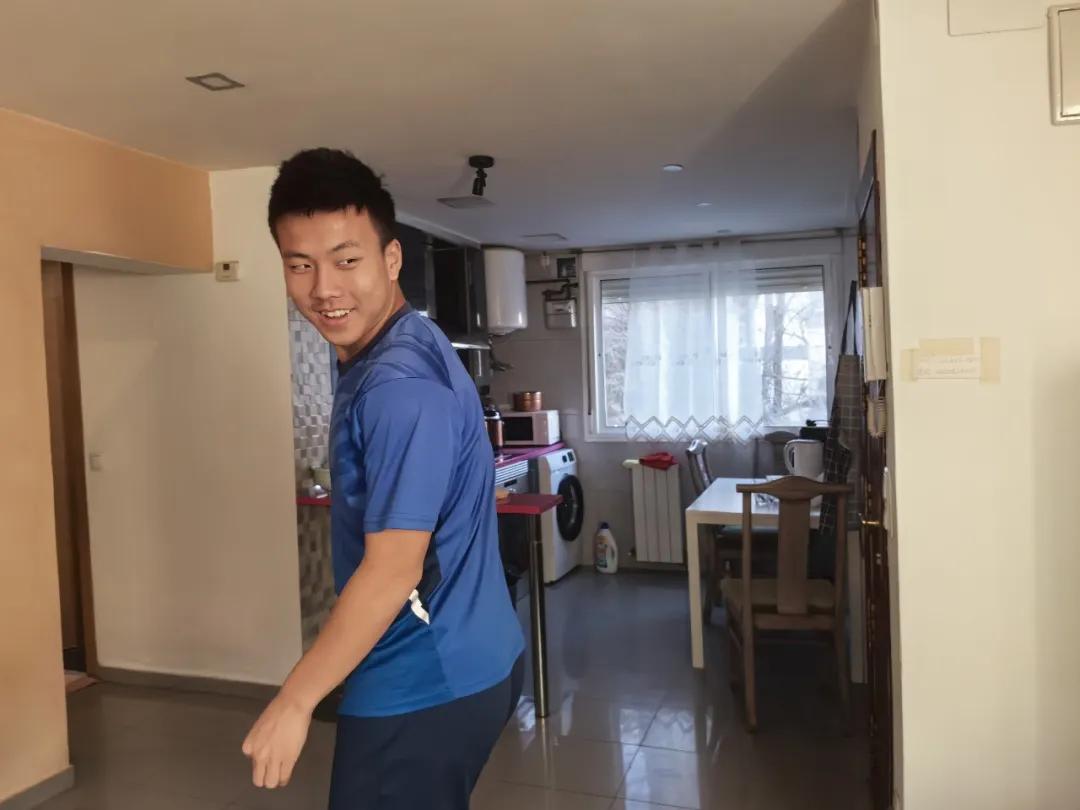
He believes that training abroad isn't necessarily much better than in China, but Spain's youth league system is indeed very comprehensive. "That's what I really want to suggest to the Chinese Football Association's youth training department. Like the Spanish system, China should set up tiered leagues for younger age groups, with odd or even age groups based on regional traditions. That is, build multi-tier league systems in strong youth football provinces or cities to ensure teams of different levels have a suitable competitive platform."
"For example," Xie Xiaohua said, "Dongguan Nancheng has 11 public schools and many private schools. We could organize them to play weekend leagues by age group. If it's too complicated to have many tiers at first, we can start with two tiers, then expand to three later. That way, the chances of producing talent would be much higher."
Xie Xiaohua added, "Currently, youth football tournament systems in China's key football cities are beginning to take shape, and we also need to plan such matches between key cities. Frequently bringing high-level youth teams together to compete will naturally improve them and produce more outstanding talents. The old 'Football School Cup' competitions were very competitive and greatly helped elite young players improve."
Xie Xiaohua said with emotion: "Going abroad requires many conditions—it's not something you can just do. Our family really burned our bridges. Think about it: when we left, who would take care of the family business? It's really hard, but no matter how hard it is, we have to push through."
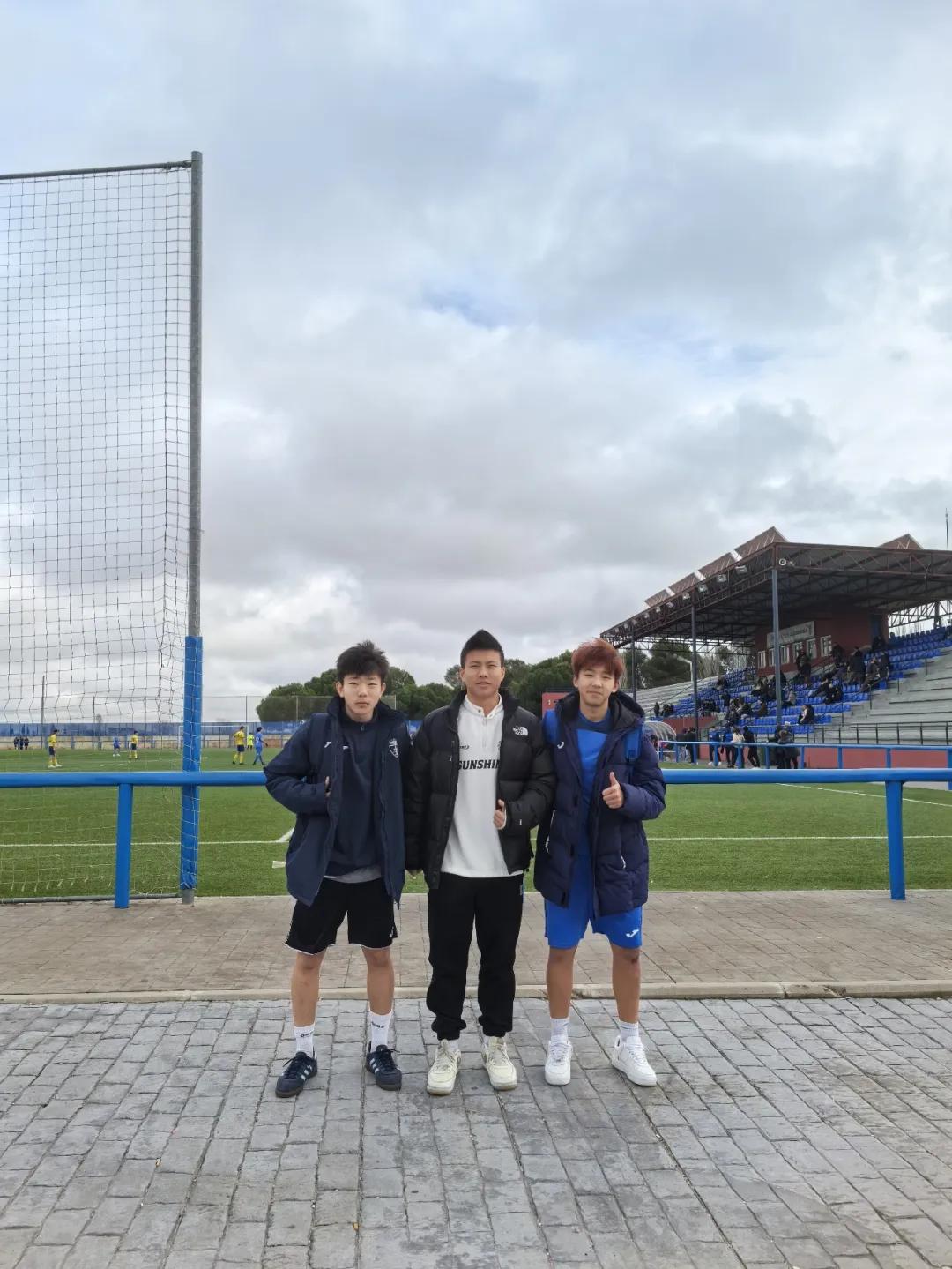

Looking back at Xie Jin's starting point, his experience at Dongguan Sunshine No.5 Primary School is an essential part of the story.
Xie Xiaohua believes that Xie Jin's current achievements are thanks to the school's characteristic football program. "I remember Sunshine No.5 held a meeting for all parents to announce they would build a football-featured school. At that time, the country gave strong support, including funding, so we could train in football. Otherwise, how could he have made it?"
Sunshine No.5's excellent football facilities provided fertile ground for Xie Jin's football initiation. In 2005, Cao Yangming became the principal, emphasizing holistic development, believing that "sports is the best psychological teacher." The school integrated sports with mental health education through its "three-ball" (football, basketball, table tennis) curriculum and "six major paths" (class league matches, daily PE classes, recess activities, etc.).
At Dongguan Sunshine No.5, Xie Jin's fundamental football skills were honed, thanks to his first coach Peng Xiuzhang.
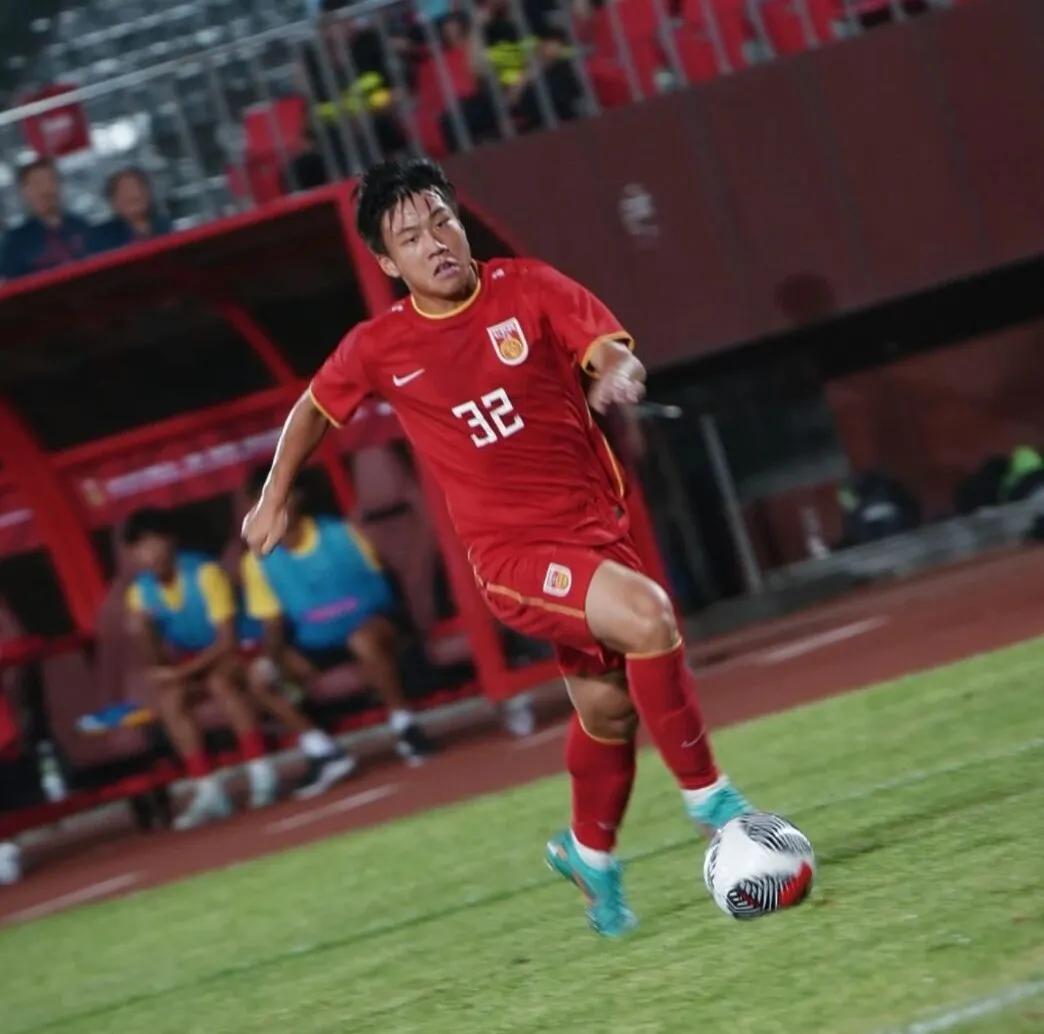
Peng Xiuzhang graduated from Guangzhou Institute of Physical Education, a professional with a focus on theoretical support and scientific systems. He is the general advisor of Guangdong 800 Football Club and also a football teacher at Sunshine No.5 Primary School, with extensive youth training experience. He has nurtured several national team players: besides Xie Jin, there are Chen Yu'an, Liu Zhiwei, Yang Yifan, Yan Guoshen, etc. In women's football, Peng Yuyan joined the Guangzhou City team and the girls' team of Guangzhou No.7 Middle School Experimental School, winning the national five-a-side youth championship.
In Peng Xiuzhang's training philosophy, children in grades one to four must repeat each technical movement tens of thousands of times, until they can do it without even looking at the ball—so that the ball sticks to their feet and never drops.
Peng Xiuzhang is very strict about training. If a child doesn't practice seriously, he won't give them a chance in matches and may even make them stand on the sidelines watching their teammates play. "If you haven't learned the moves, how can you play a match? How can you use the moves in a game?" he says.
Xie Jin still remembers those days vividly. "When I was young, we did a lot of cone drills and ball-control exercises. Coach Peng was especially strict about basic technique—we probably practiced every day. Summers in Dongguan are pretty hot, and we would practice dribbling, basics, and technique in the sun every day."
Dongguan Sunshine No.5 has a strict rule: if a student's academic score falls below 90, they are suspended from training. Peng uses academic requirements to push students to value their studies. "When you push kids to study, they actually focus more and train harder. If you don't, they might pick up bad habits or foul language on the field," Peng said. "Football is a free-spirited sport, and sometimes uncivilized behaviors can burst out. So integrating sports and education—emphasizing academics—actually helps with training." As for Xie Jin, "He's very smart and can get high scores in exams. He just needs to spend a little time and effort," Peng added.
What did Dongguan Sunshine No.5 give Xie Jin? Peng's answer is not technique, but environment. "Campus football has the advantage of letting kids be with people who have good character, ideals, and goals. The school provided him with a good environment and helped him develop good habits."
Peng believes Xie Jin's current success is largely due to parental support. "Some parents complain if you criticize their child. But Xie Jin's parents never do. If he was punished, his mom and dad would come to me and apologize on his behalf. They understand the situation and know you're doing it for the child's good." He added, "Plus, he has talent, so I really wanted to develop him well."
The last time Peng Xiuzhang talked to Xie Xiaohua, he said: "Xie Jin will definitely make it to one of the top five European leagues in the future—don't limit him to the Chinese Super League. The pressure in the CSL can't fully unlock his potential."
Xie Xiaohua agreed: "I also think Xie Jin has potential. If he becomes more disciplined and works harder, he has a chance to play in La Liga. A lot depends on himself; as parents, we've basically done everything we can. Xie Jin has excellent physique and talent, but the key is self-discipline and hard work."
As for his future, Xie Jin says he doesn't think too much about it. "Take it step by step, play every game well."
In November this year, the Qatar U17 World Cup awaits—an even bigger stage and a longer road ahead.


Wonderfulshortvideo

olise nike contract olise news today football news today olise hypervenom


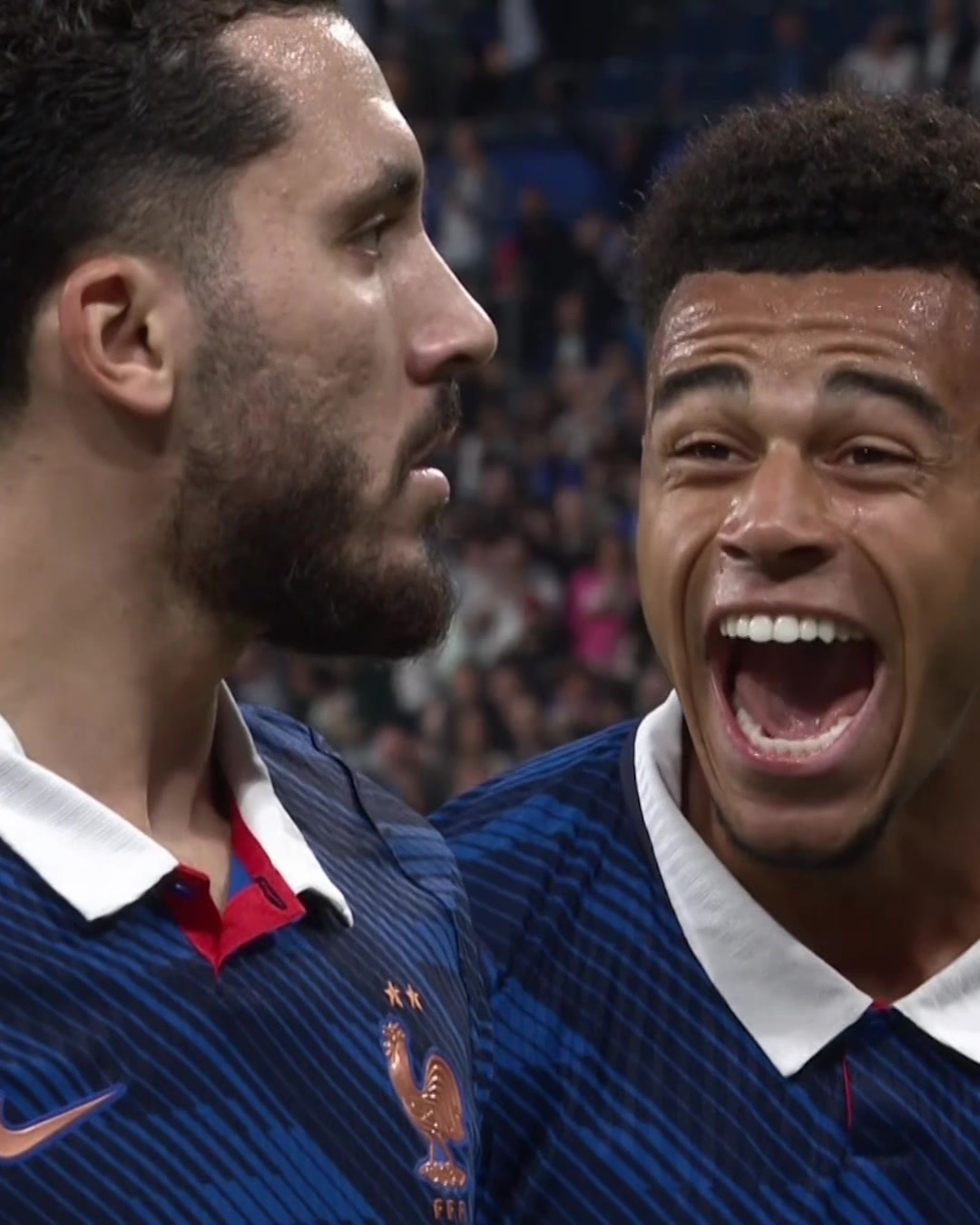
Désiré Doué’s face 😆😆

User ChampionChatter has posted a video.
Would lowkey love to see HH play up front soon 😅

messi story young messi edit messi barcelona news today

ronaldo news today ronaldo jorge jesus drama ronaldo edit football news today
User esportapi has posted a video.
 Links
Links
 Contact
 App
App


