



World Cup 2026: The Mission to Defend the Throne



In Group J, which includes Algeria, Austria, and Jordan, Lionel Scaloni's team is considered far superior in class, but the journey to hold onto the crown has never been an easy task.
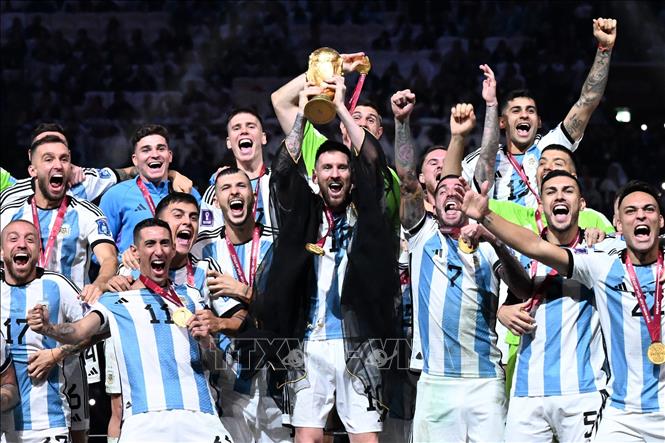
Four years after the legendary night in Lusail (Qatar), the core that built the 2022 World Cup-winning squad remains present in the blue-and-white striped jersey. Lionel Messi, at 39, is likely to appear in his sixth World Cup—a milestone unprecedented in men's football history. Around him are still familiar faces like Emiliano Martinez, Cristian Romero, Lisandro Martinez, Rodrigo De Paul, Alexis Mac Allister, Enzo Fernandez, Lautaro Martinez, and Julian Alvarez.
Stability is Argentina's biggest strength. Coach Lionel Scaloni has built a highly organized, tactically flexible team that is especially composed in big matches. The South American side has also shown absolute dominance in the regional qualifiers, leaving the rest of the continent far behind, thereby cementing its status as a top contender for the title.
However, Argentina's biggest challenge may not be in the group stage but in the battle against time. Many key players who triumphed in Qatar are now past their prime. Messi, Otamendi, Tagliafico, and De Paul are no longer at their peak physical condition. This makes this World Cup a test for the transition between the golden generation and the next wave of players.
If Argentina is the focal point of the group, Austria is seen as the strongest candidate for the remaining spot. Under coach Ralf Rangnick, the Central European team has transformed into an energetic, high-pressing, and disciplined unit. The return of David Alaba and the experience of Marko Arnautovic provide crucial support, while names like Marcel Sabitzer, Konrad Laimer, and Carney Chukwuemeka promise to make Austria a tough opponent for any team.
Algeria also carries the ambition to recreate the image that caught the world's attention at the 2014 World Cup, when they pushed Germany—then a heavy favorite for the title—into extra time in the round of 16. After 12 years of absence, the African representative returns with a generation blending the experience of Riyad Mahrez and the youth of emerging talents like Ibrahim Maza. Their fast and technical style of play gives Algeria the ability to cause upsets, especially under the new format that expands opportunities for third-placed teams to advance.
Meanwhile, Jordan is a notable fairy tale in Group J. After nine missed attempts, the West Asian team has qualified for the world's biggest football festival for the first time. Despite being considered the weakest in the group, Jordan has shown in recent years that they are no longer a pushover. Their run to the 2024 Asian Cup final and a convincing performance in World Cup qualifiers demonstrate that coach Jamal Sellami's team possesses commendable fighting spirit and a frustrating defensive ability.
Overall, Group J is not considered a group of death. Argentina almost certainly holds the top spot if they play to their potential. The more exciting competition lies in the race for knockout-stage berths among Austria, Algeria, and Jordan. With the new format allowing many third-placed teams to advance, opportunities remain open for everyone. But above all, all eyes will still be on Argentina. Since Brazil's Pele in 1962, no team has successfully defended the World Cup title. If Messi and his teammates achieve that on North American soil this summer, they will not only retain the throne but also write another special chapter in world football history.


Wonderfulshortvideo

olise nike contract olise news today football news today olise hypervenom


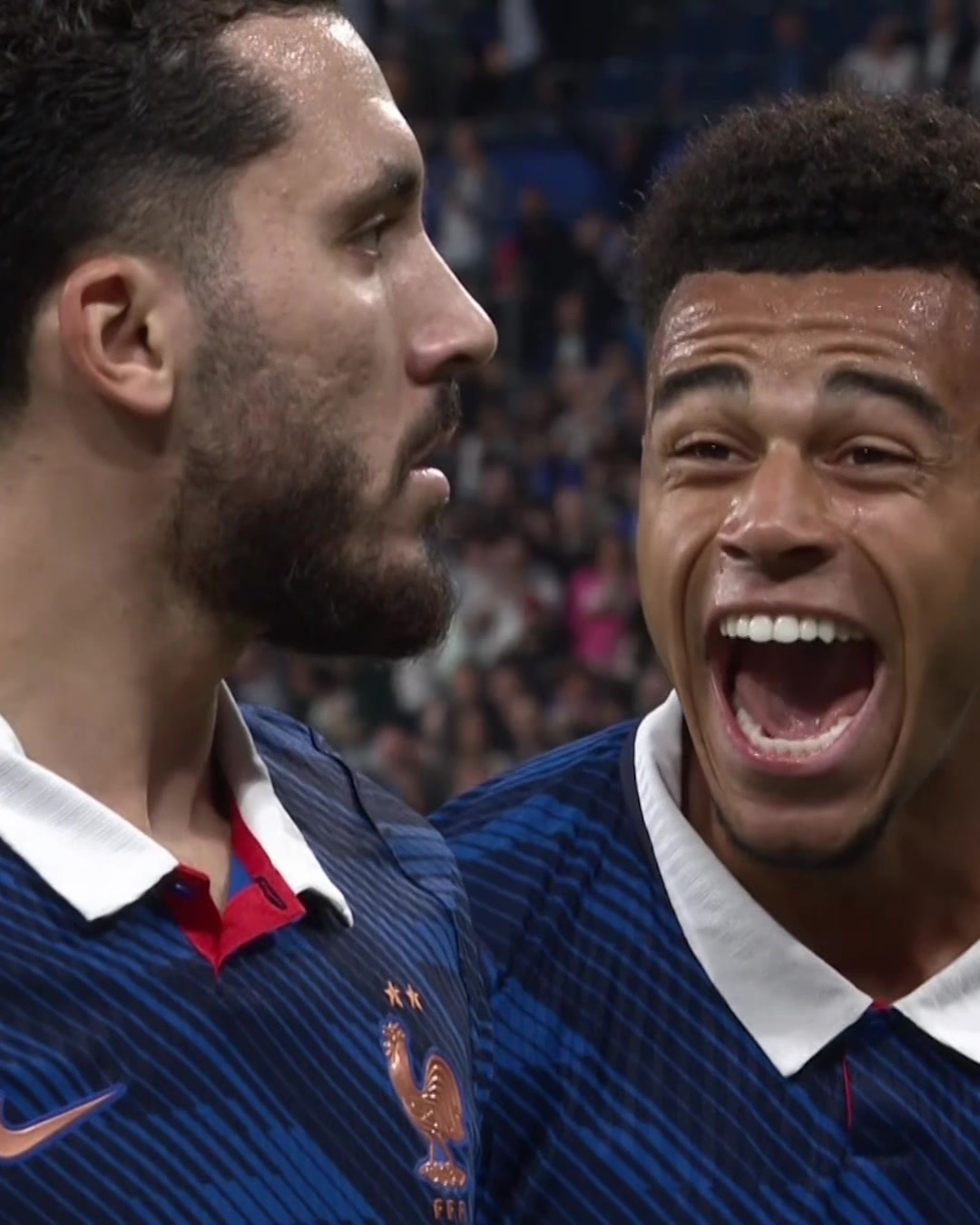
Désiré Doué’s face 😆😆

User ChampionChatter has posted a video.

Would lowkey love to see HH play up front soon 😅

messi story young messi edit messi barcelona news today

ronaldo news today ronaldo jorge jesus drama ronaldo edit football news today

User esportapi has posted a video.
 Links
Links
 Contact
 App
App


