



World Cup 2026: Mexico City Capital Thrills Ahead of Opening Ceremony



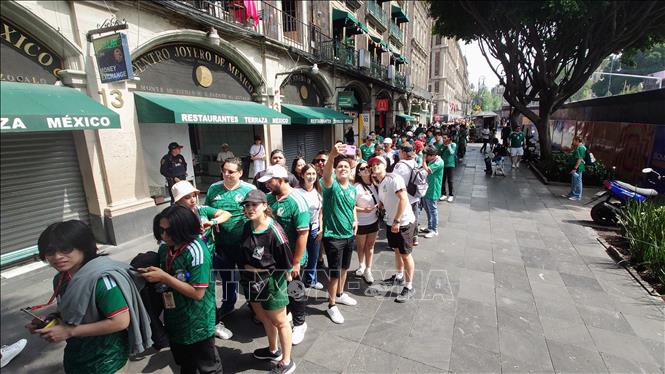
The area around the Azteca Stadium—a venue that has witnessed immortal moments of legends Pelé and Diego Maradona—has become more vibrant than ever. Since early morning, the southern streets of the capital have been filled with the colors of flags, jerseys, and groups of supporters from various countries. Music, drums, and cheering chants blend together in an eager atmosphere as the World Cup ball is about to roll on the pitch.
According to the organizers' schedule, the opening ceremony will take place about 90 minutes before kick-off, featuring a grand scale that combines music, performance art, and modern technological effects to showcase Mexico's rich cultural identity while also highlighting its dynamic and integrated nature. Hundreds of artists, dancers, and performers will take part in the nearly one-hour show, witnessed by tens of thousands in the stadium and billions watching worldwide on television.
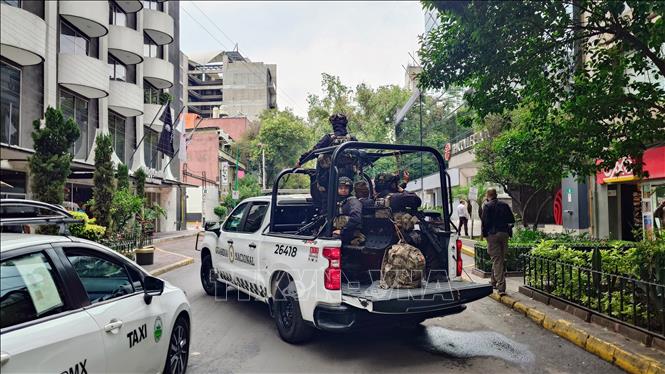
The most anticipated highlight is the performance by Colombian singer Shakira, a figure closely associated with multiple World Cups over the past decade. On the Azteca stage, Shakira will join Nigerian artist Burna Boy for the first live performance of the official 2026 World Cup song, "Dai Dai". The appearance of the singer, who once created a global phenomenon with the song "Waka Waka" at the 2010 World Cup, is expected to ignite the emotions of fans at the moment of celebration.
Alongside Shakira, the opening ceremony will also feature top Latin American music stars such as J Balvin, Maná, Belinda, Lila Downs, Los Ángeles Azules, and Alejandro Fernández. The artistic program is designed as a narrative journey through Mexico's history, identity, and cultural diversity—from ancient indigenous civilizations to a modern nation playing an increasingly important role in Latin America. Renowned singer Alejandro Fernández will take charge of performing the Mexican national anthem before the opening match begins.
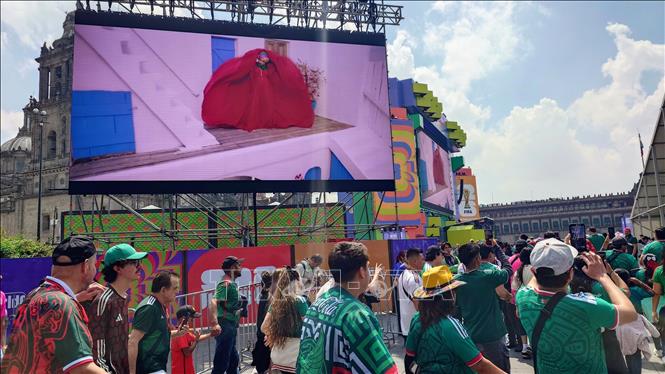
Meanwhile, at the Zócalo Square—the historic heart of Mexico City—thousands of locals and international tourists have gathered early to participate in the FIFA Fan Festival. Giant screens installed in the square will broadcast the opening ceremony and the first match live, along with various cultural, artistic, and entertainment programs running throughout the World Cup period.
Amid the ancient atmosphere of the historic center, colorful flags flutter to the sounds of mariachi music and the cheers of fans. The streets around Zócalo are packed with visitors, while restaurants, cafes, and commercial areas operate at full capacity to serve the ever-growing crowds. The festive mood spreads from the central square to every corner, reflecting the pride of Mexicans as they once again stand at the center of the world's biggest sporting event.
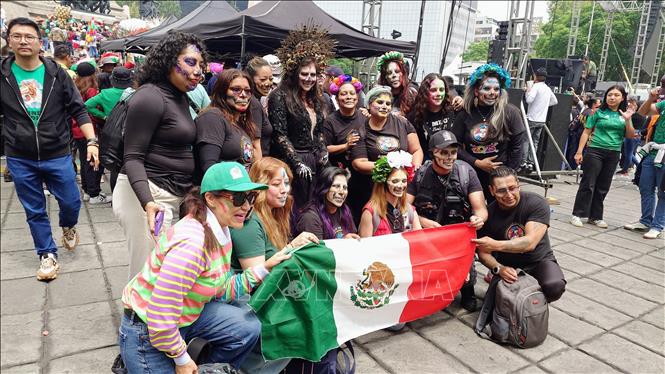
For Mexico, the 2026 World Cup is not just a football tournament. It is also an opportunity to promote the country's image, boost tourism, culture, and the economy. The fact that the Azteca Stadium becomes the first venue in history to host the World Cup opening match three times further highlights Mexico's special status in world football history.
As the afternoon sunlight gradually falls upon the legendary stands of Azteca, all of Mexico City is focused on the moment of celebration. From the Azteca Stadium to the Zócalo Square, the pulse of the World Cup is felt in every street, heralding the start of a tournament expected to be the biggest, most diverse, and most emotional in the history of world football.


Wonderfulshortvideo

User ChampionChatter has posted a video.


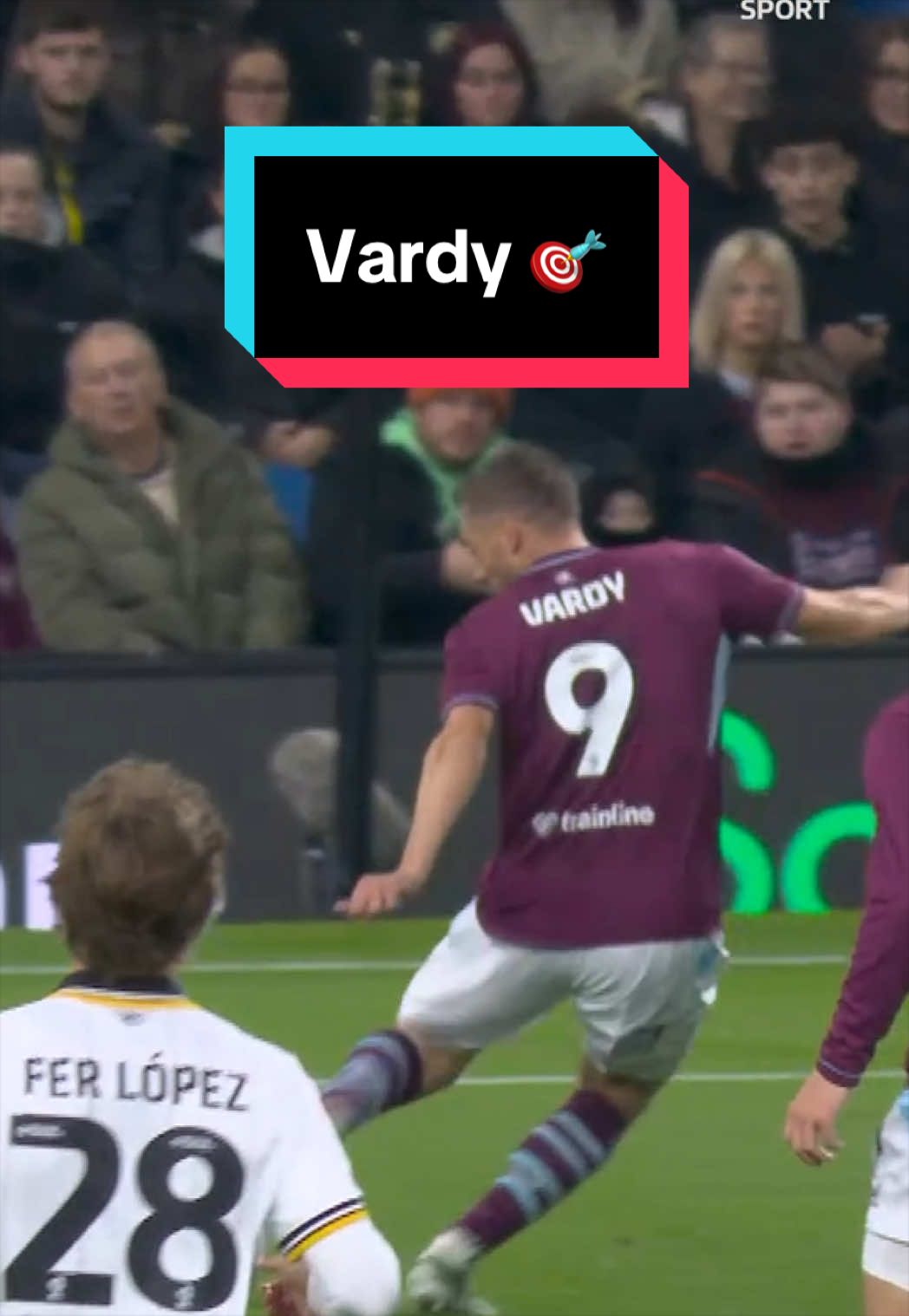
Jamie Vardy doing Jamie Vardy things ⚽️

olise nike contract olise news today football news today olise hypervenom
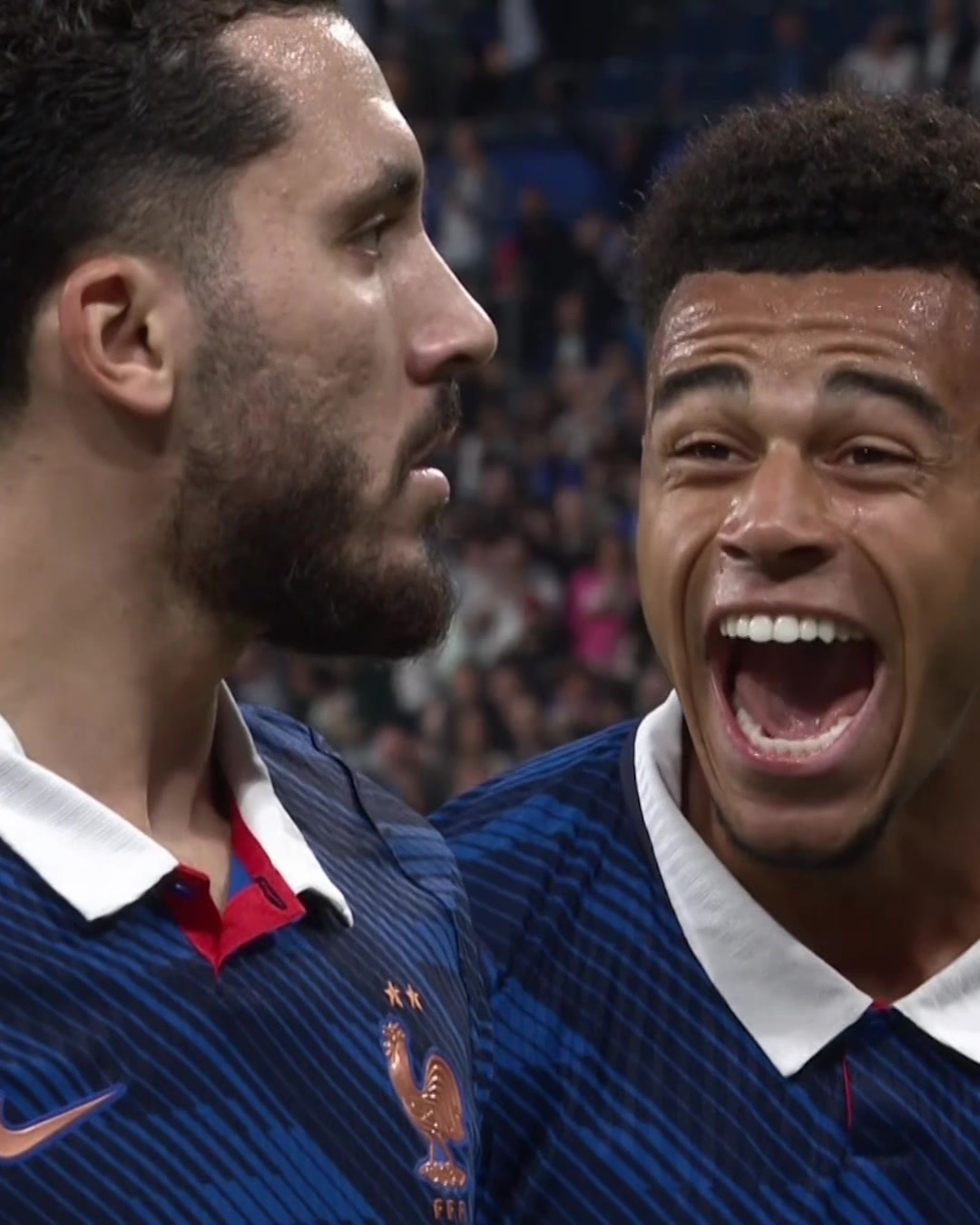
Désiré Doué’s face 😆😆
User ChampionChatter has posted a video.

Would lowkey love to see HH play up front soon 😅
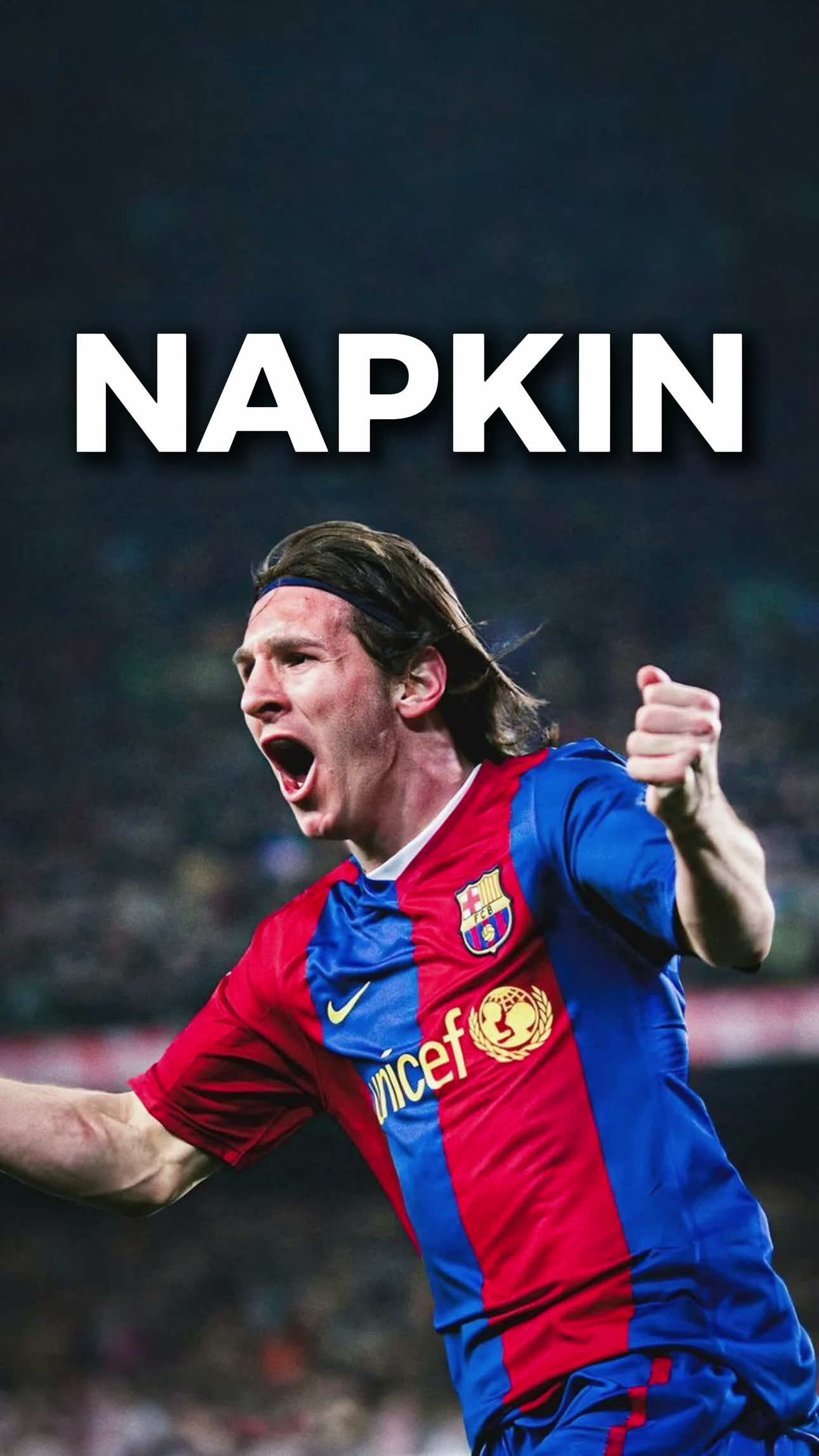
messi story young messi edit messi barcelona news today
 Links
Links
 Contact
 App
App


