



The World Cup debut of a football powerhouse lacked its usual flair! Ancelotti's adjustments failed to secure a full victory, and Brazilian media criticized his lineup choices.


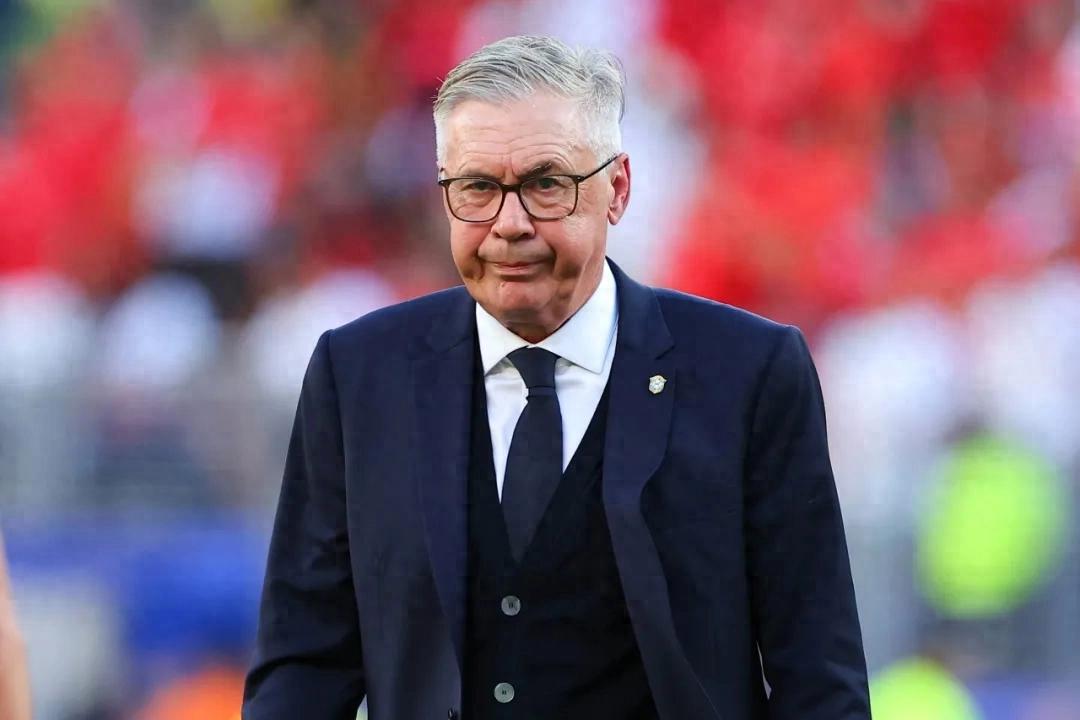
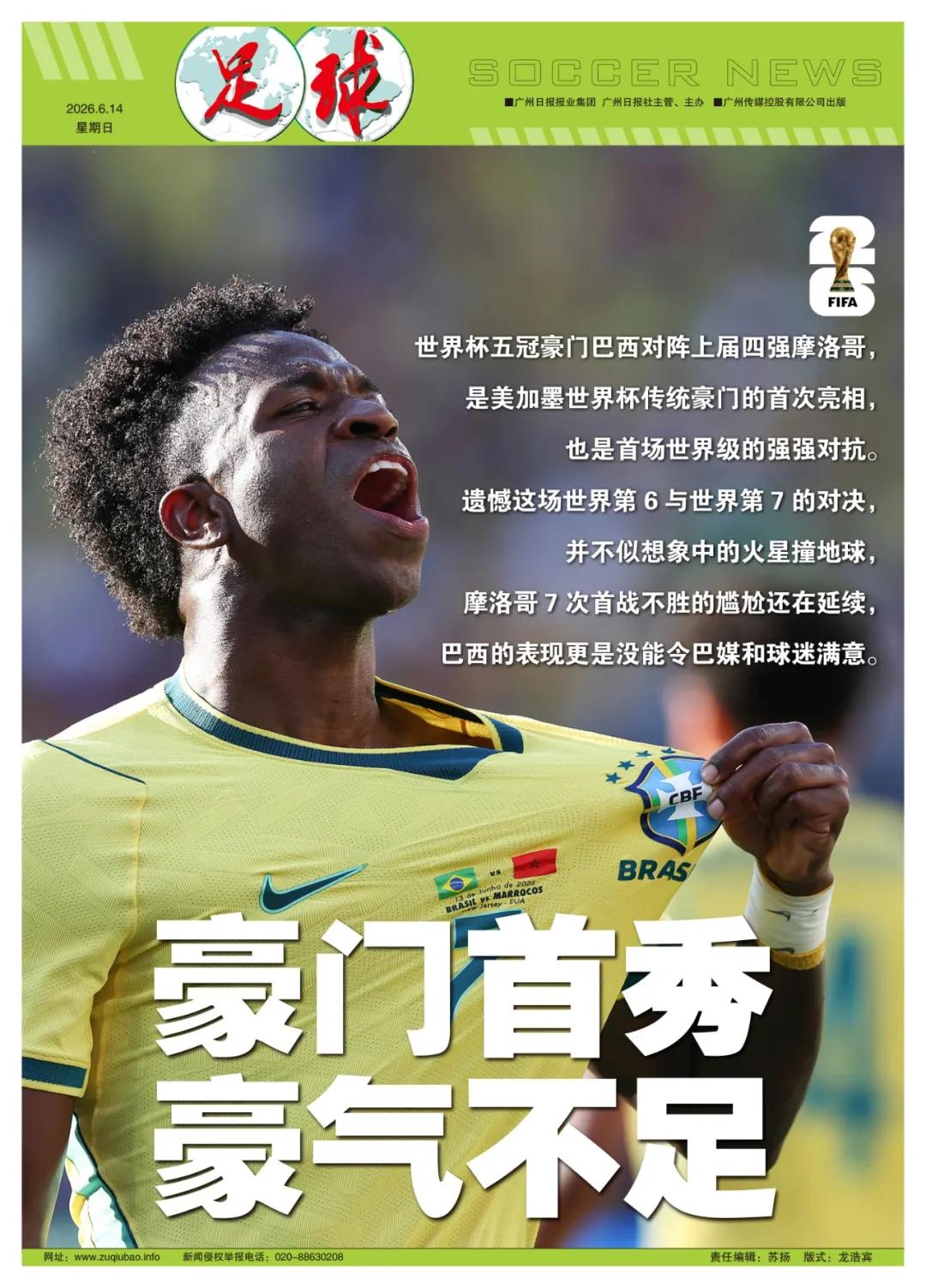
Written by Han Bing The clash between five-time World Cup champions Brazil and last tournament's semifinalists Morocco marked the debut of traditional powerhouses in the CONCACAF World Cup, and it was the first high-stakes showdown. Unfortunately, this battle between the world's sixth and seventh-ranked teams did not live up to its hype as a clash of titans. Morocco's winless opening streak stretched to seven games, while Brazil failed to meet the expectations of their media and fans. After the match, coach Ancelotti admitted the team needed improvement, and Brazilian media questioned his lineup and substitutions, urging the Samba squad to learn from their mistakes and find their attacking rhythm.

Over 80,000 spectators packed the New Jersey stadium for Brazil's debut, with legends like Ronaldo, Carlos, Kaká, Marcelo, Zidane, and Pogba watching from the stands. Ancelotti's starting lineup sparked controversy: Ibañez, who plays for Al-Ahli in defense, was deployed as right-back, while Endrick was benched in favor of Thiago, a Premier League player from Brentford. Both Ibañez and Thiago only entered Ancelotti's radar in March this year, raising questions about their starting roles against the strongest group opponent, Morocco, in Brazil's World Cup opener.
Brazil's first half was riddled with errors on both ends, with right-back Ibañez, defensive midfielder Casemiro, winger Raphinha, and striker Thiago particularly poor. The defense struggled against Morocco's sharp through balls, while Guimarães and Raphinha offered little in attack. Casemiro's passing mistakes stemmed from a lack of options, and Brazil's off-the-ball movement was disappointing. Ancelotti's high defensive line, hindered by poor player form, created opportunities for Morocco. In the 21st minute, Morocco scored with just three touches: Mazraoui cleared the ball to Brahim, who threaded a through ball through Brazil's defense, and Sebari, a target for Bayern, slotted home with a one-on-one chip.
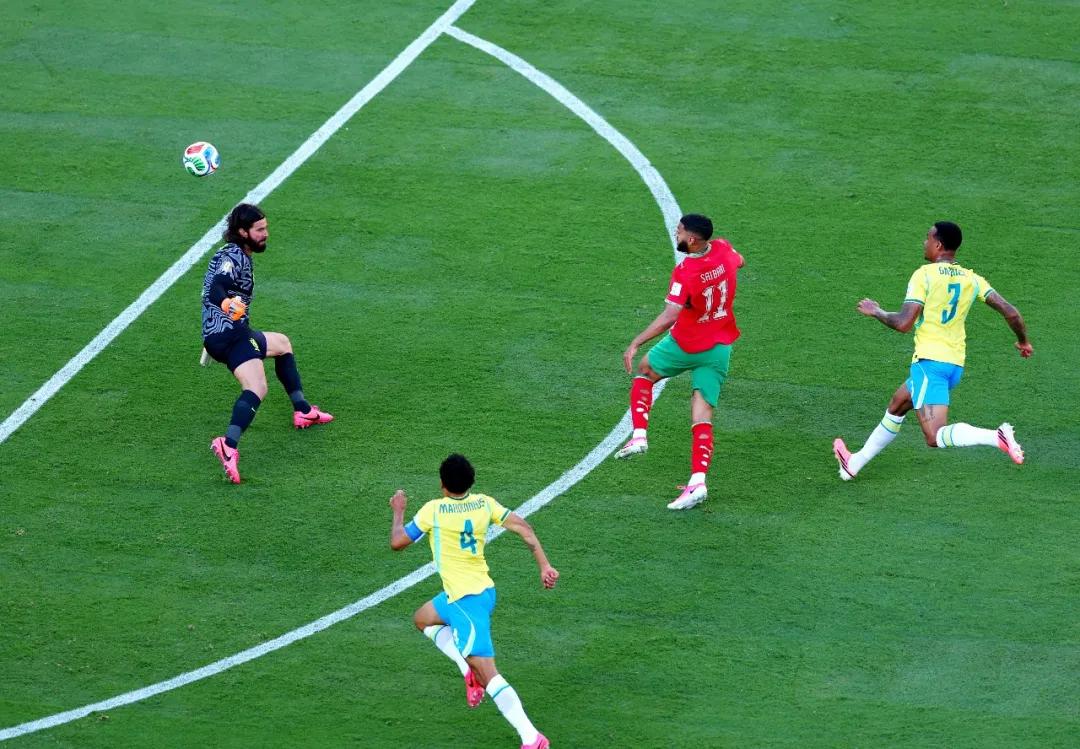
Not until the halftime water break did Ancelotti begin to adjust, with Vinícius leveling the score in the 32nd minute through individual brilliance. At the start of the second half, Ancelotti substituted Ibañez and Casemiro, further revoking his initial lineup. Danilo and Fabinho strengthened the midfield defense, giving Brazil more possession. Unfortunately, aside from feeding the ball to Vinícius, Brazil lacked alternative attacking options. Had Alisson not saved a dangerous curler from Enavi in the ninth minute of added time, Brazil would have ended their 20-tournament streak of unbeaten World Cup openers.
Brazilian media, led by *Globo Esporte*, gave poor ratings to the team and Ancelotti. Among the 16 players who appeared, only Vinícius, Cunha, Danilo, and Fabinho scored above six out of ten, with Vinícius being the only starter. Ancelotti received a five, criticized for his poor starting lineup and for substituting defender Danilo for Guimarães in the second half instead of replacing the ineffective Raphinha with Endrick, a move seen as overly conservative and aimed merely at securing a draw.
Former Brazil defensive midfielder Melo harshly criticized Ancelotti's choices, arguing that Ibañez should have started in his natural center-back role rather than at right-back. The midfield's defensive contribution was negligible, especially evident when Brahim delivered the through ball. Scolari believed Endrick should have started against Haiti, and Brazil's problem lies in a lack of attacking organization and creativity. When asked about Endrick after the match, Ancelotti dodged the question, appearing unprepared for the unprecedented media pressure.
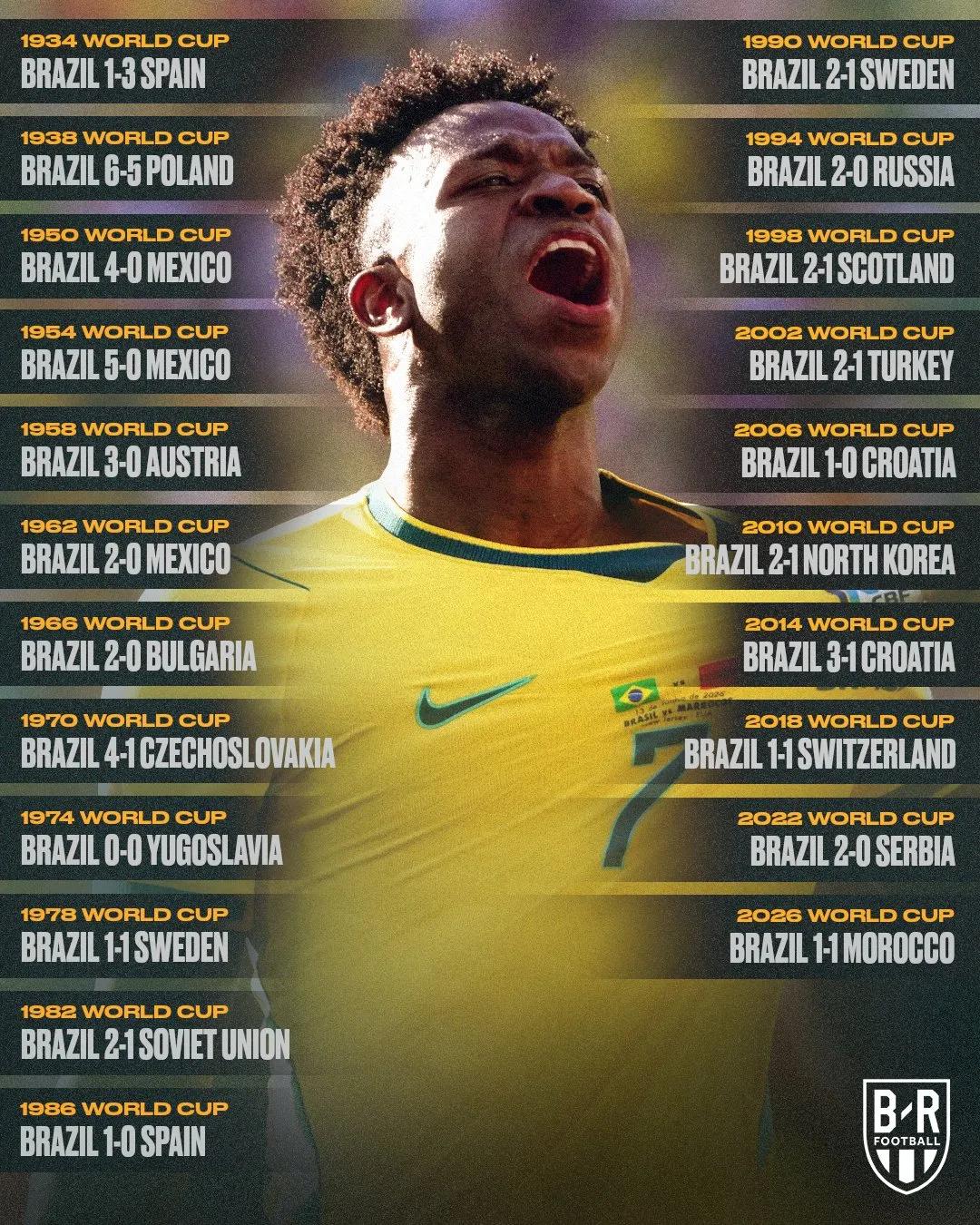

In World Cup history, Brazil has only drawn their opening match four times. The previous three instances were in 1974 (0–0 vs. Yugoslavia), 1978 (1–1 vs. Sweden), and 2018 (1–1 vs. Switzerland). In all three cases, Brazil failed to reach the final, and in 2018, they were eliminated in the quarterfinals. Spanish and Portuguese media reports on this match directly stated that this Brazil team does not look like a title contender. If Ancelotti cannot quickly improve the team's performance, Brazil may struggle to fulfill their dreams, just as in those three previous opening draws.
In contrast, Morocco's toughness and sharpness left a strong impression. Although their streak of seven winless opening matches (four draws and three losses) ties Bulgaria's record for the most without a win in World Cup openers, no one forgets that four years ago, they quietly built momentum in a 0–0 draw against Croatia before emerging as the tournament's biggest surprise.
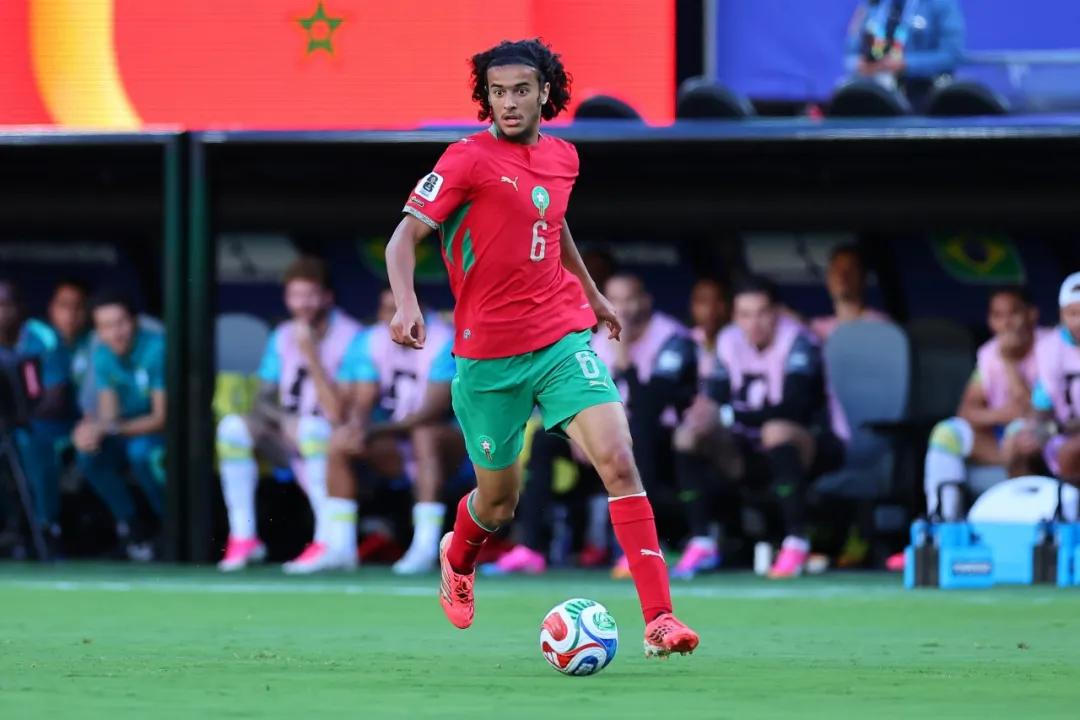
Eighteen-year-old midfielder Bouadi, who completed his naturalization in mid-May, displayed exceptional technique and vision, playing a key role in Morocco's midfield dominance over Brazil. Born in France, Bouadi had represented France from U16 to U21 levels and even captained the French U21 team. In the just-concluded Ligue 1 season, he performed well for Lille. The Moroccan federation's persistent efforts allowed Bouadi to be naturalized just in time. His presence has clearly strengthened Morocco's midfield. Additionally, Sebari, a target for Bayern, impressed by putting constant pressure on Brazil's defense.
Moreover, Morocco's mixed-race center-back Diop (of Senegalese descent) was a regular for France's lower national youth teams and won the 2016 U19 European Championship before being naturalized in March this year. Among Morocco's starting 11, 10 were born abroad, and four of the five substitutes were also foreign-born. The performance of this nearly all-naturalized squad has raised expectations for their prospects in the upcoming World Cup.




 網站地圖
網站地圖
 聯絡方式
聯絡方式
 App
App


