



Reviewing the national football team's warm-up matches and benchmarking against the World Cup: how should Chinese football plan for the future?



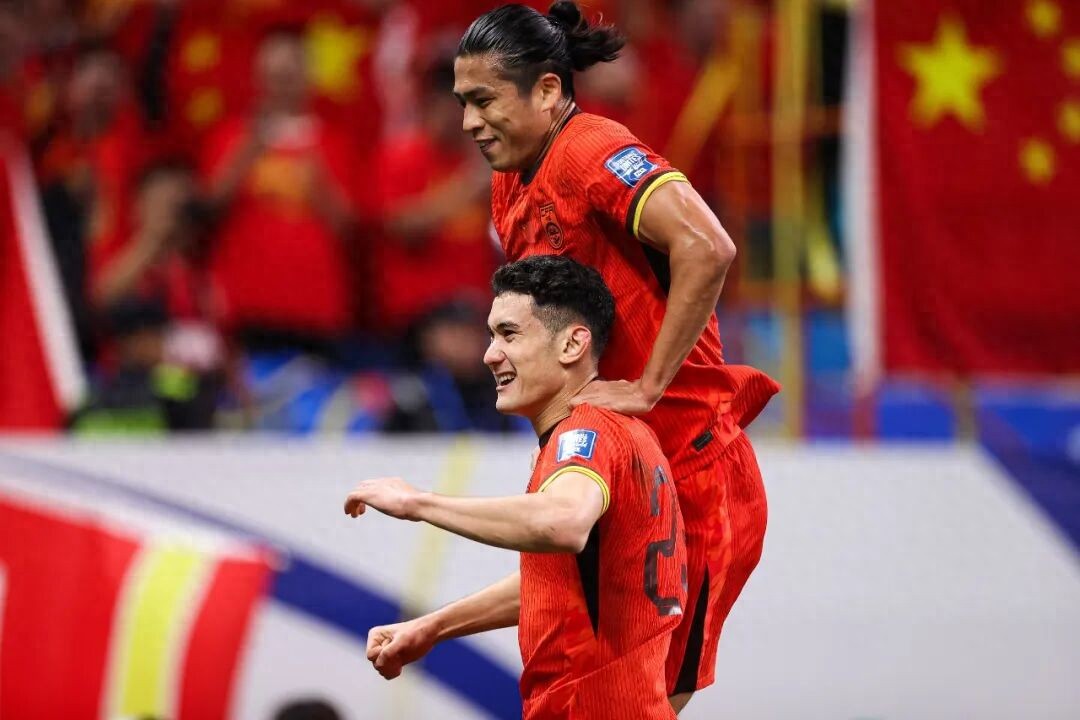
Reported by Chen Yong During the June international match window, the national team recorded one win and one draw. The performance against Thailand was promising in terms of process, but the 0-0 scoreline carried some disappointment and sparked considerable thought. Yet, as the World Cup draws near, the national team was swiftly pushed aside. The World Cup itself has turned into a celebration for Chinese merchants, media, and supporters, with the Football Association, clubs, coaches, and players appearing detached from it all.
For Chinese football, however, the period following the national team's matches and during the World Cup is precisely the right time to conduct an in-depth analysis and reorganization of the entire youth football training system. Every match we play requires thorough review and reflection; every major international tournament demands deep benchmarking and analysis, leading to structured planning and orderly progress. This is the only path to growth and improvement.
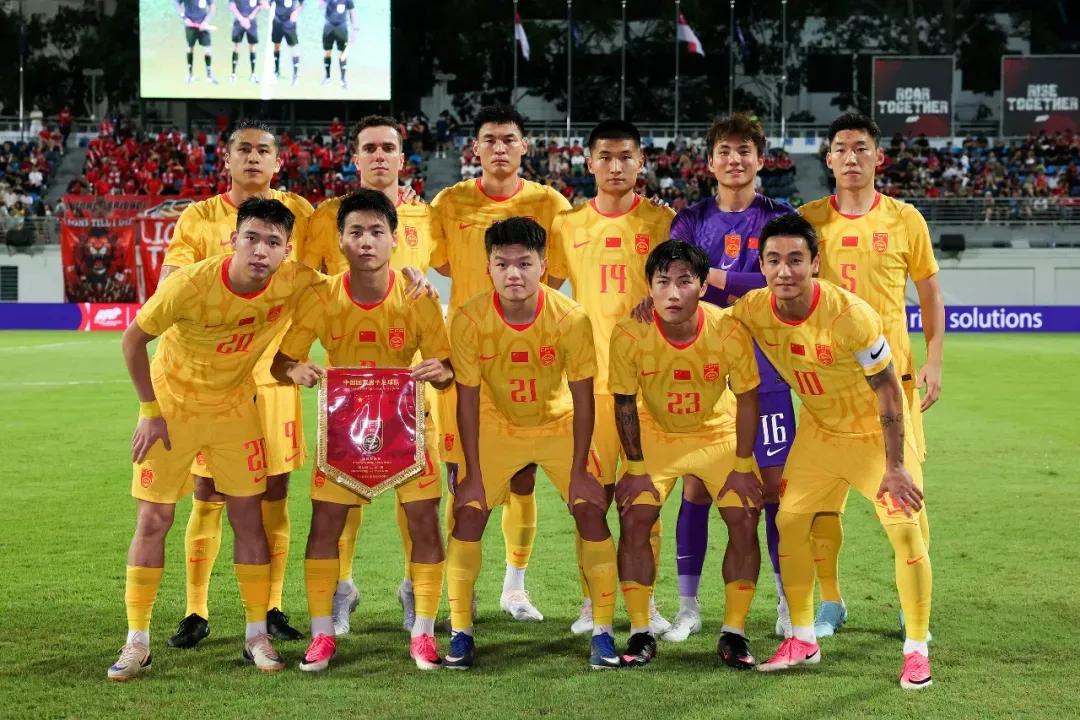

The national team won 2-1 away against Singapore and drew 0-0 at home with Thailand. Looking solely at the results, they are somewhat unsatisfying. However, the process against Thailand was actually quite good: the team's fighting spirit, their intensity in pressing and counter-pressing, a 66% possession rate, and a shot ratio of 24 to 3 all demonstrated that the players gave 100% effort in that match.
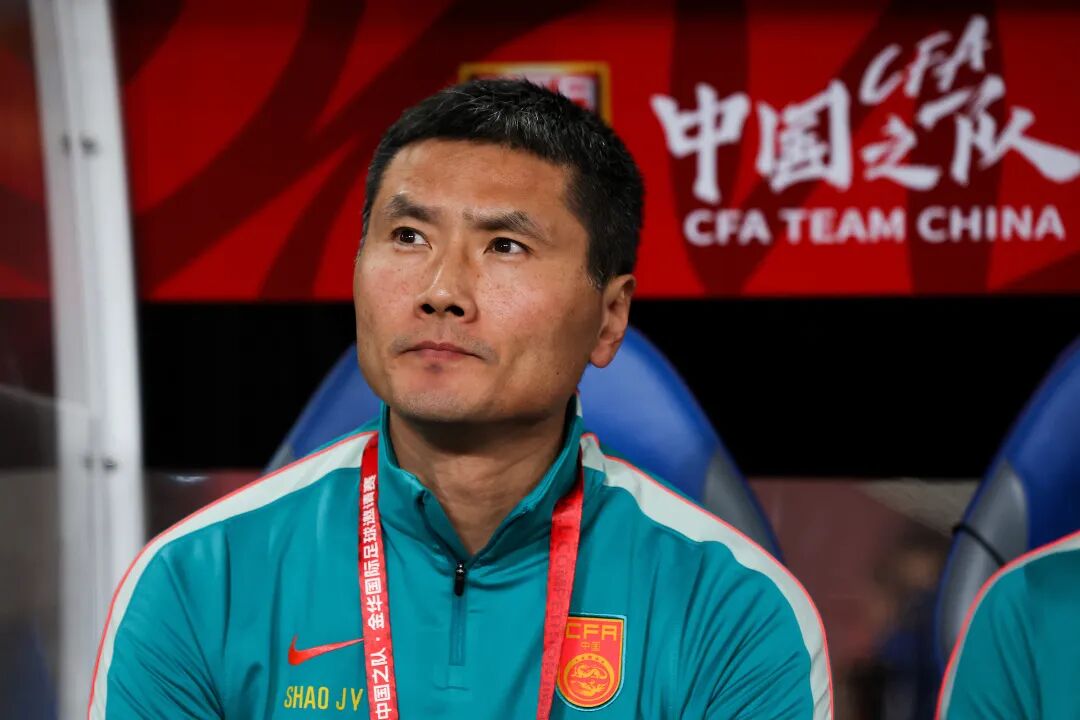
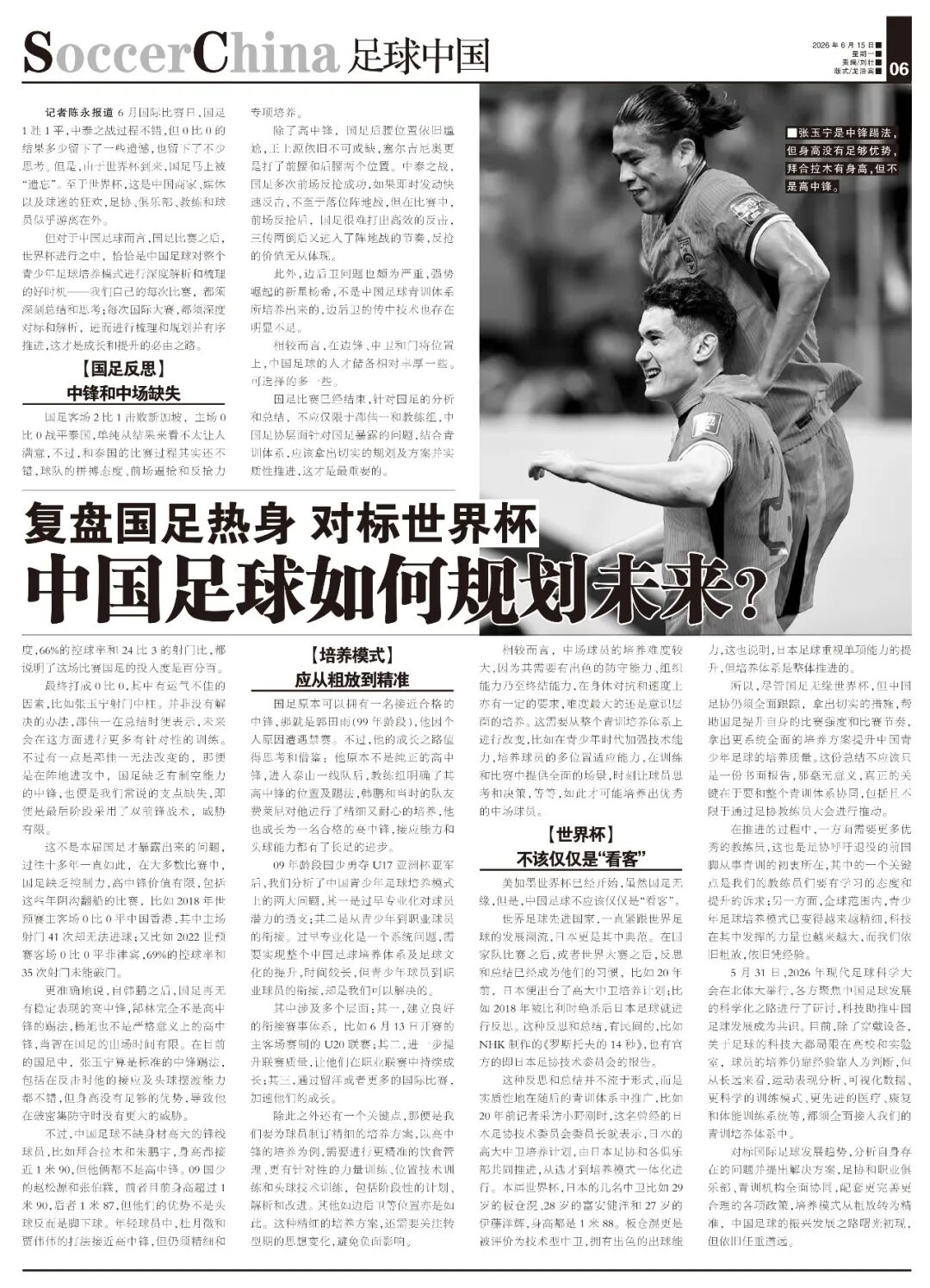
The final 0-0 draw involved some bad luck, such as Zhang Yuning hitting the post. Solutions do exist. Shao Jiayi noted in his summary that future training will include more targeted drills in this regard. However, one factor Shao Jiayi cannot change is the team's lack of a dominant center-forward with aerial ability in positional attacks—commonly referred to as the missing focal point. Even when two strikers were deployed late in the game, the threat remained limited.
This issue did not emerge only with the current national team; it has persisted for over a decade. In most matches, the team lacks control, and the value of a tall center-forward is minimal. This has contributed to unexpected slip-ups, such as the 2018 World Cup qualifiers where they drew 0-0 home and away against Hong Kong, China (41 shots at home without scoring), and the 2022 World Cup qualifiers where they drew 0-0 away against the Philippines (69% possession and 35 shots without a goal).
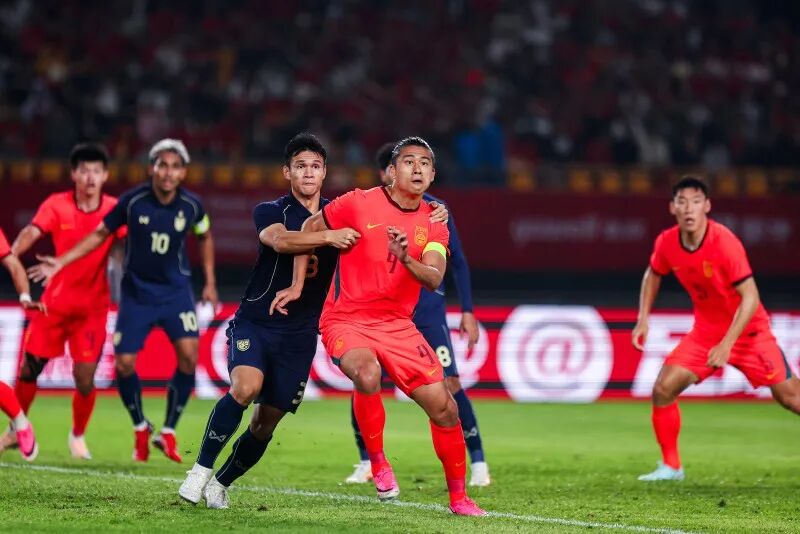
More precisely, since Han Peng, the national team has not had a consistently reliable tall center-forward. Gao Lin never played like a classic target man, Yang Xu was not a true center-forward, and Xiao Zhi had limited playing time. In the current squad, Zhang Yuning plays as a standard center-forward, with decent ability in holding up the ball and heading during counterattacks, but he lacks the height to pose a significant threat against deep defenses.
China does have tall attacking players, such as Baihelamu and Zhu Pengyu, both close to 1.90 meters, but neither is a traditional target man. In the U09 national youth team, Zhao Songyuan (over 1.90m) and Zhang Bofan (1.87m) excel in footwork rather than heading. Among younger players, Du Yuezheng and Jia Weiwei play in a style closer to center-forwards, but they still require refined and specialized training.
Aside from the center-forward issue, the defensive midfield position remains problematic. Wang Shangyuan is still indispensable, while Serginho has played both attacking midfield and defensive midfield. In the match against Thailand, the team successfully regained possession high up the pitch multiple times but failed to launch quick counterattacks, often settling into positional play after a few passes. This diminished the value of their pressing efforts.
Furthermore, the full-back position is also a serious concern. The rising star Yang Xi was not developed through China's youth football system, and the crossing technique of full-backs is notably insufficient.
In contrast, Chinese football has relatively more depth in the positions of wingers, center-backs, and goalkeepers, offering a wider selection.
based on context. I will treat it as

The national team could have had a nearly qualified center-forward in Guo Tianyu (born 1999), who was suspended due to personal reasons. However, his development journey offers valuable lessons: he was not originally a pure target man. After joining the Taishan first team, the coaching staff defined his role as a center-forward. With meticulous and patient guidance from Han Peng and former teammate Fellaini, he grew into a competent target man, making significant progress in hold-up play and heading ability.
After the U17 national youth team (born 2009) won the Asian Cup runner-up, we analyzed two major issues in China's youth football training model: first, the over-specialization at an early age, which drains players' potential; second, the transition from youth to professional players. Early specialization is a systemic problem that requires an overall upgrade of China's training system and football culture, which takes a long time. However, the transition from youth to professional players is something we can address.
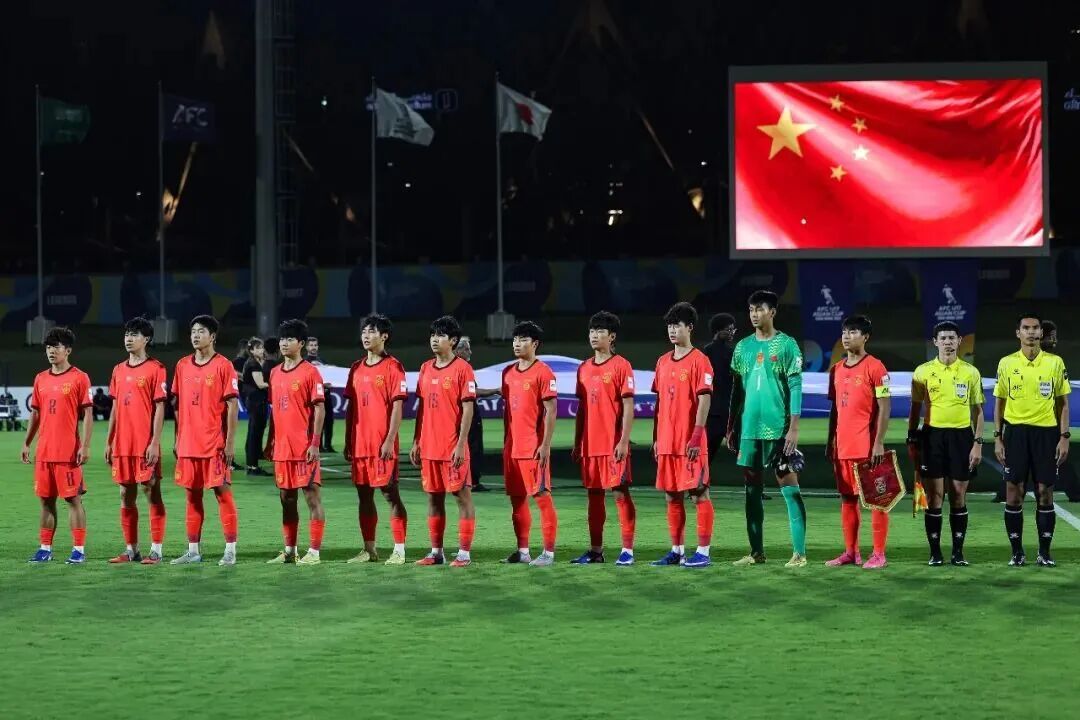
This involves several aspects: first, establishing a well-structured competition system for transitions, such as the home-and-away format U20 league starting on June 13; second, further improving the quality of professional leagues so that young players can continue to grow within them; third, accelerating their development through overseas stints or more international competitions.
Beyond these, a key point is to develop refined training plans for players. Taking the cultivation of target men as an example, this requires more precise dietary management, targeted strength training, positional technique drills, and heading practice, along with phased plans, analysis, and improvements. The same applies to other positions like full-backs. Such detailed training plans must also address psychological changes during the transition period to avoid negative influences.
In comparison, training midfielders is more challenging, as they need excellent defensive ability, organizational skills, and even finishing ability, along with physical strength and speed. The most difficult aspect is developing their tactical awareness. This requires changes throughout the entire youth training system—for instance, enhancing technical skills at a young age, cultivating multi-position adaptability, providing comprehensive scenarios in training and matches, and constantly encouraging players to think and make decisions. Only then can outstanding midfielders be produced.
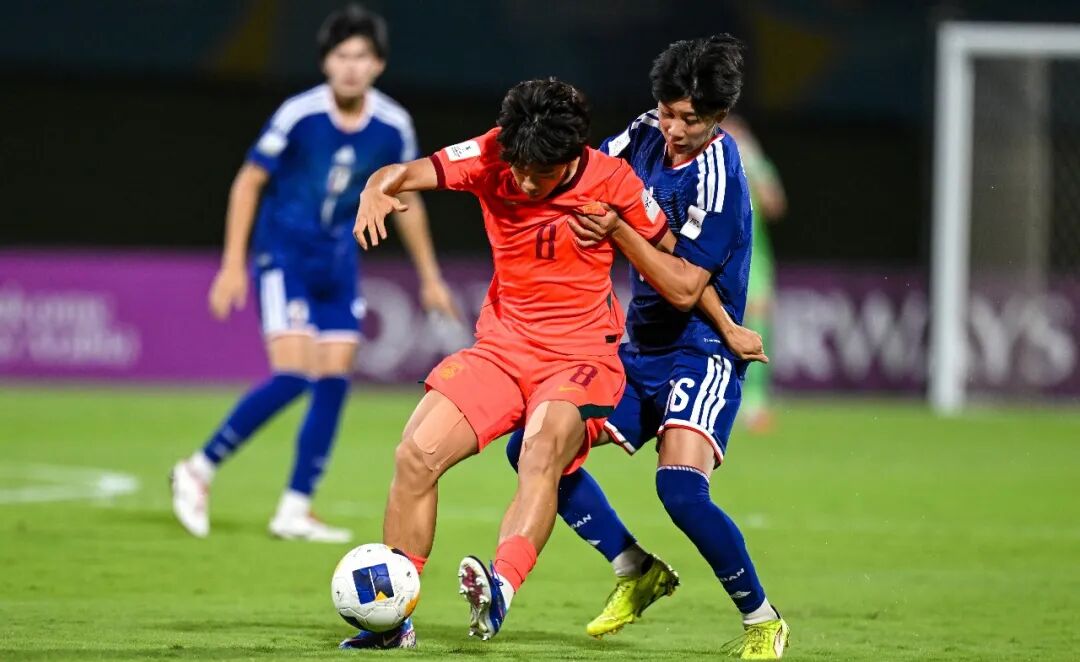

The USA-Canada-Mexico World Cup has already begun. Although the national team did not qualify, Chinese football should not merely be a spectator.
Advanced football nations around the world always keep pace with the evolution of the game, with Japan being a prime example. After national team matches or major tournaments, reflection and summarization have become a habit. For instance, 20 years ago, Japan launched a plan to develop tall center-backs; after being eliminated by Belgium in 2018 following a last-minute goal, Japanese football engaged in deep reflection. Such reflection takes place both at the grassroots level—like NHK's documentary "The 14 Seconds of Rostov"—and officially, through reports from the Japan Football Association's Technical Committee.
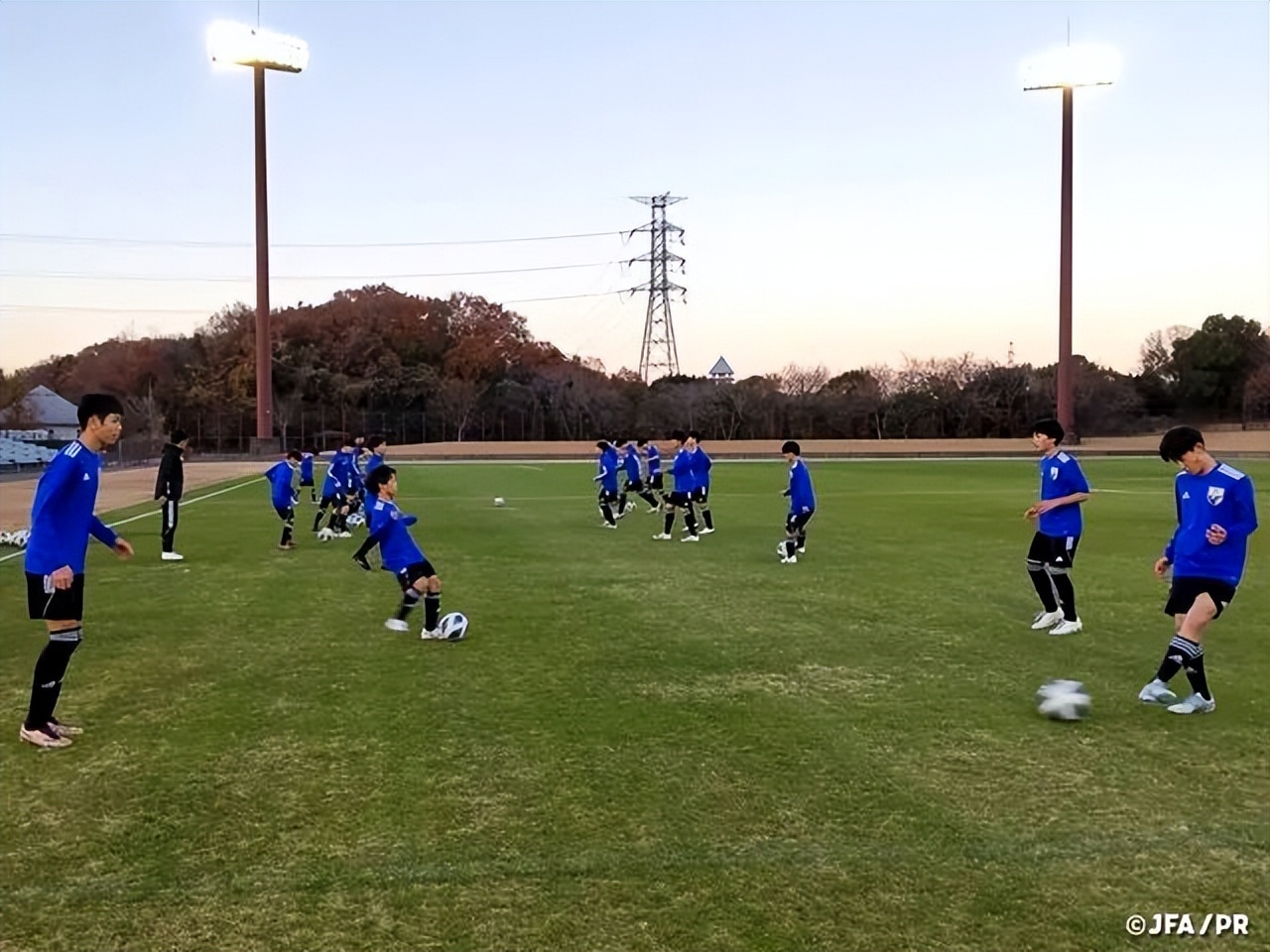
This reflection and summarization are not merely formalities; they are substantively promoted within subsequent youth training systems. For example, 20 years ago, when interviewed, former JFA Technical Committee chairman Ogino Tsuyoshi stated that Japan's tall center-back development plan was jointly advanced by the JFA and clubs, integrating selection and training into a unified system. In the current World Cup, Japan's center-backs—such as 29-year-old Ko Itakura, 28-year-old Takehiro Tomiyasu, and 27-year-old Hiroki Ito—are all 1.88 meters tall. Itakura is even described as a technical center-back with excellent ball distribution, demonstrating that Japan prioritizes individual skill improvement while advancing the entire training system holistically.
Therefore, even though the national team missed the World Cup, the Chinese Football Association must comprehensively track the tournament and take concrete measures to help the national team improve its match intensity and tempo, and develop more systematic and comprehensive training plans to enhance the quality of youth football development in China. This summary should not be just a written report, which would be meaningless. The real key lies in aligning it with the entire youth training system, including but not limited to promoting it through FA coaching conferences.
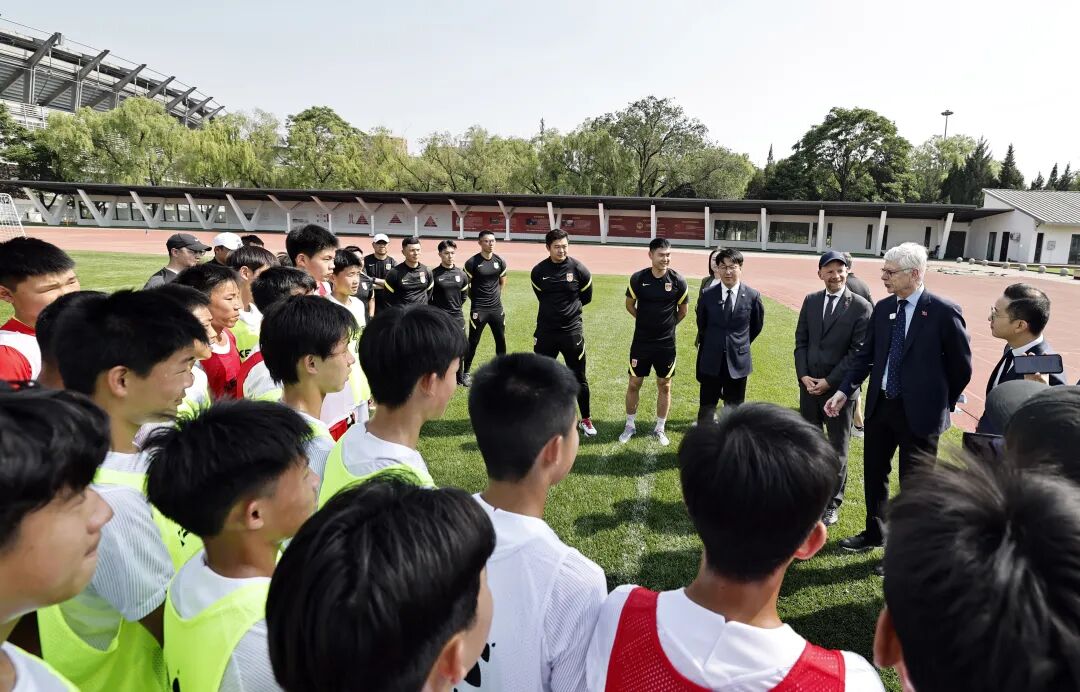
In the process of implementation, more excellent coaches are needed on one hand—which is why the FA has called on former national team players to engage in youth coaching. A critical point here is that our coaches must have a learning attitude and a desire for improvement. On the other hand, globally, youth football training models are becoming increasingly refined, with technology playing a growing role, while our approach remains rough and experience-based.
On May 31, the 2026 Modern Football Science Conference was held at Beijing Sport University, where discussions focused on the scientific path for Chinese football development. The consensus was that technology should boost Chinese football. Currently, apart from wearable devices, most football-related technology remains confined to universities and laboratories, and player development still relies on experience and subjective judgment. However, in the long run, areas such as performance analysis, visual data, more scientific training methods, and advanced medical, rehabilitation, and fitness systems must be fully integrated into our youth training system.
By benchmarking against international football trends, analyzing our own problems, and proposing solutions, with the FA, professional clubs, and youth training institutions working in full coordination, supported by more complete and rational policies, and shifting from a rough to a precise training model, the path to revitalizing and advancing Chinese football is beginning to emerge, though the journey remains long and arduous.


Wonderfulshortvideo

real madrid news today barcelona news today la liga news today lamine yamal goal today lamine yamal assist



WHAT A WEEKEND for Godolphin
It’s like watching the Mona Lisa being painted 🤯

Valid crash out‼️
haaland goal today haaland edit haaland injury news haaland vs ipswich man city 3-2 ipswich town

The walk in question 😮💨
🔉How to travel a horse to the races!
 Links
Links
 Contact
 App
App


