



The Expensive Lesson of PVF CAND Club



The loss of PVF CAND to Bac Ninh in the playoff match has cost them their place in the top tier and sounded an alarm for the Vietnamese U23 cohort. As raw vigor cannot trump seasoned know-how, Kim Sang Sik now has a more defined view of how promising youngsters may evolve within the demanding landscape of elite football.
The showdown between PVF CAND andBac Ninhwas a classic contest of two extremes: one side represented the young, potential-filled U23 Vietnamese players, while the other was a battle-hardened unit rich in experience and composure. As the game unfolded, football's familiar law reasserted itself—experience spoke the loudest.

Veteran Samson could not help PVF CAND's young squad secure victory in the playoff. Photo: VPF
Bac Ninh's 5-4 penalty shootout triumph was no stroke of luck. They knew how to survive critical moments, how to control the tempo, and more importantly, how to avoid being swept up in their opponents' impatience.
In contrast,PVF CANDdespite fielding several players who had worn the U23 Vietnam shirt, failed to make a difference when the match entered its decisive phase.
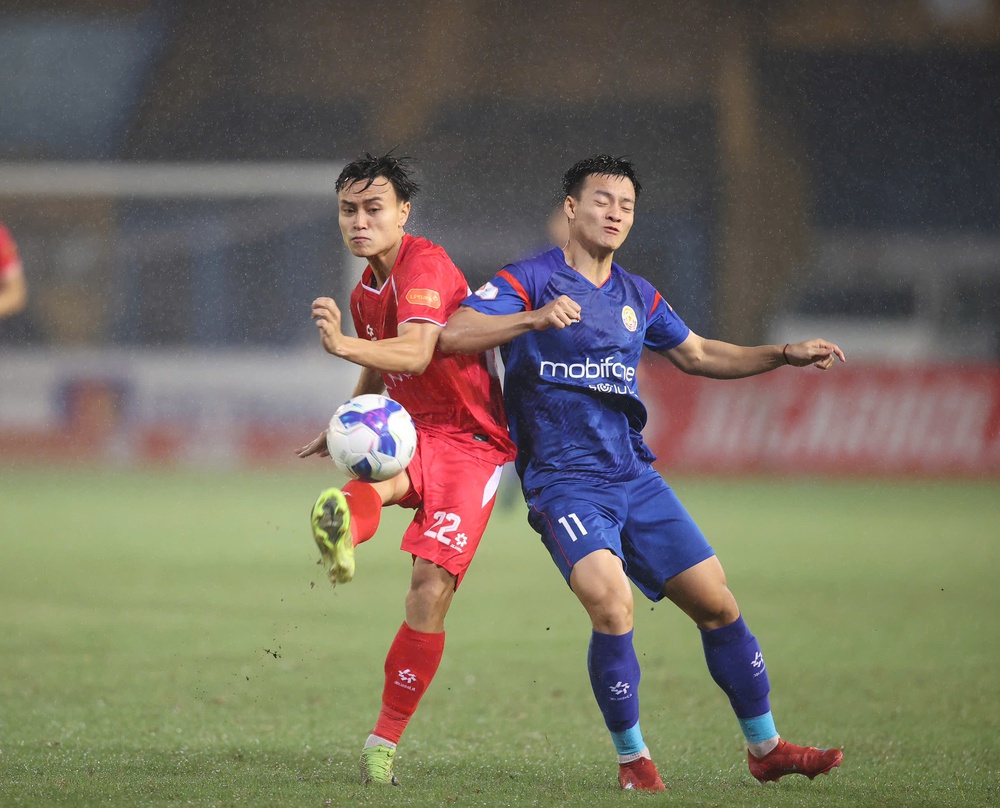
Thanh Nhan missed his chance to mature on the nation's highest stage. Photo: VPF
Names like Ly Duc, Xuan Bac, Thanh Nhan, Anh Quan, and Ba Dat were once highly regarded at the youth level. Some of them even featured for the national team under coach Kim Sang Sik. However, when placed in a truly harsh competitive environment, their consistency and mental fortitude remain big question marks.
In reality, this defeat was hardly surprising when looking at PVF CAND's entire season. The team only truly shone in matches where there was little pressure, against opponents who had already achieved their goals. But when facing a determined collective like Bac Ninh, the gap in composure became glaringly obvious.
More thought-provoking is the story of an entire U23 Vietnam generation. These players, once hailed as the "new wave" of Vietnamese football and having achieved good results in youth tournaments, now have to play in the First Division after PVF CAND failed to survive the relegation battle.
Against this backdrop, the question arises: Is the current competitive environment sufficient to help them develop in the right direction? PVF CAND is one of the few clubs that give young players regular playing time, even offering them opportunities in the V-League. But professional football is not just about minutes on the pitch; it is also about the quality of competition in every match.
In the First Division, there are fewer matches, a slower pace, and, most importantly, a significant disparity in quality among teams. This makes it easy for young players to settle into a state of "playing steadily in a comfortable environment" rather than being pushed into real challenges that foster growth.
Coach Kim Sang Sik will surely see this clearly. He does not select players based solely on their reputation at the youth level, but on their ability to adapt to pressure and meet tactical demands at the national team level. Therefore, playing many games in the First Division is not necessarily an advantage if the quality of opposition is not high enough.
However, the issue does not lie entirely with the young players. Football is an ecosystem. When there is a lack of a sufficiently competitive, demanding, and professional environment, development stagnates.PVF CANDis a textbook example: it has a good training system and a pool of quality players, yet it still cannot cross the line between potential and success.
This becomes even more worrying as many players will turn 23–24 next season. This is a pivotal stage in their careers, where they need to be tested at the highest level instead of continuing "extended training" in a less pressurized environment.


Wonderfulshortvideo

real madrid news today barcelona news today la liga news today lamine yamal goal today lamine yamal assist



WHAT A WEEKEND for Godolphin
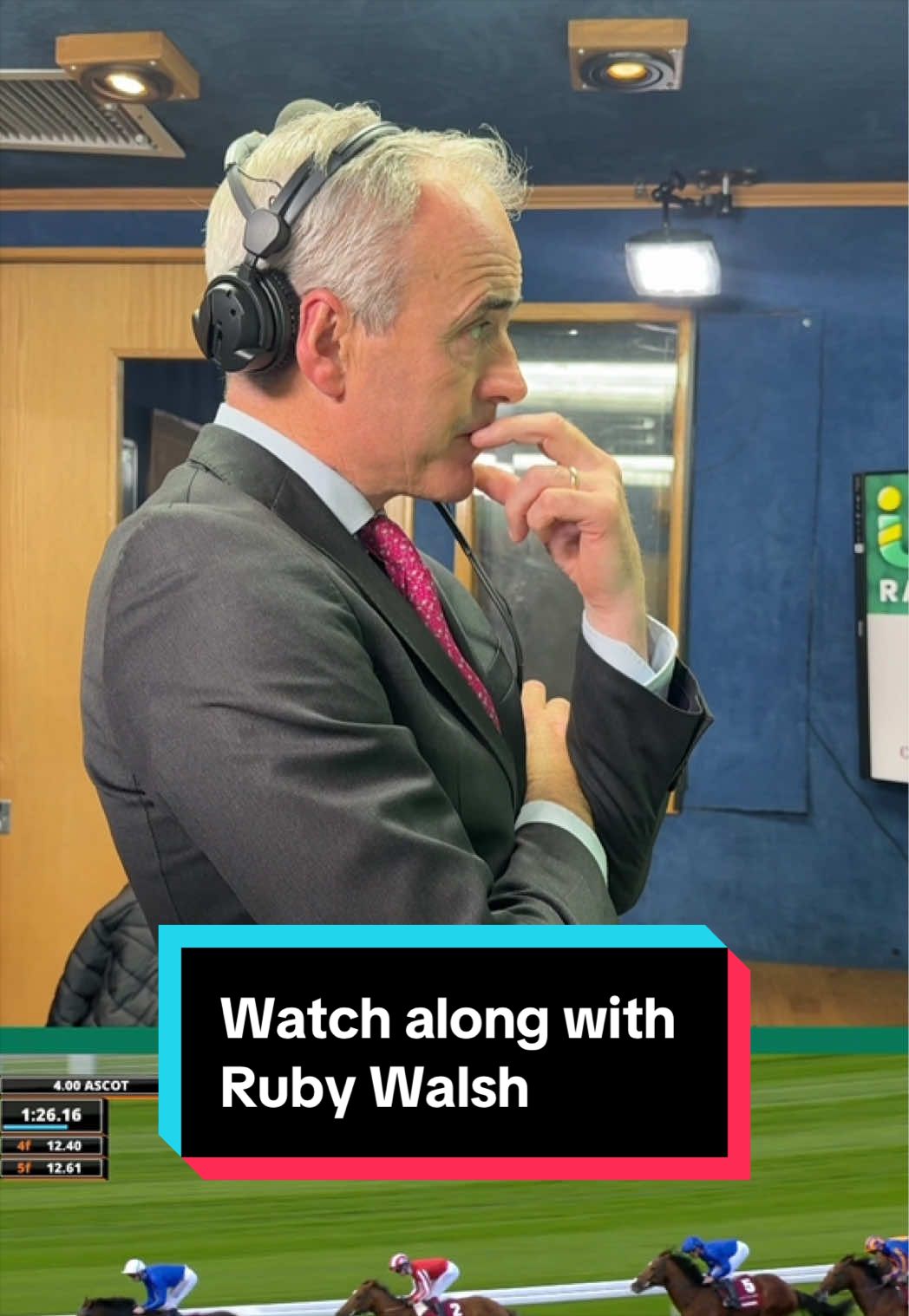
It’s like watching the Mona Lisa being painted 🤯

Valid crash out‼️
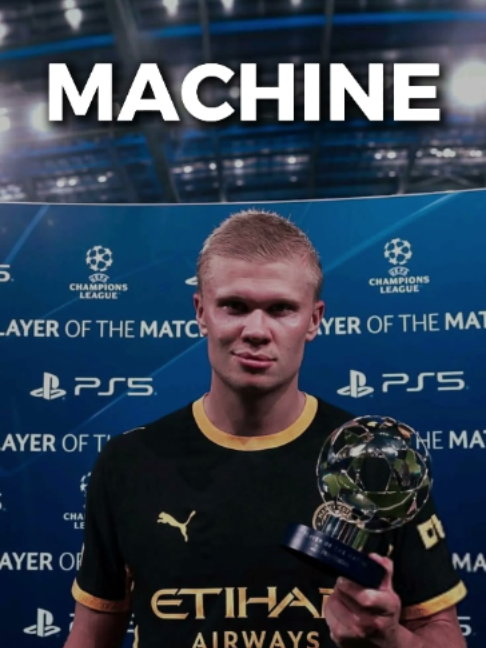
haaland goal today haaland edit haaland injury news haaland vs ipswich man city 3-2 ipswich town

The walk in question 😮💨
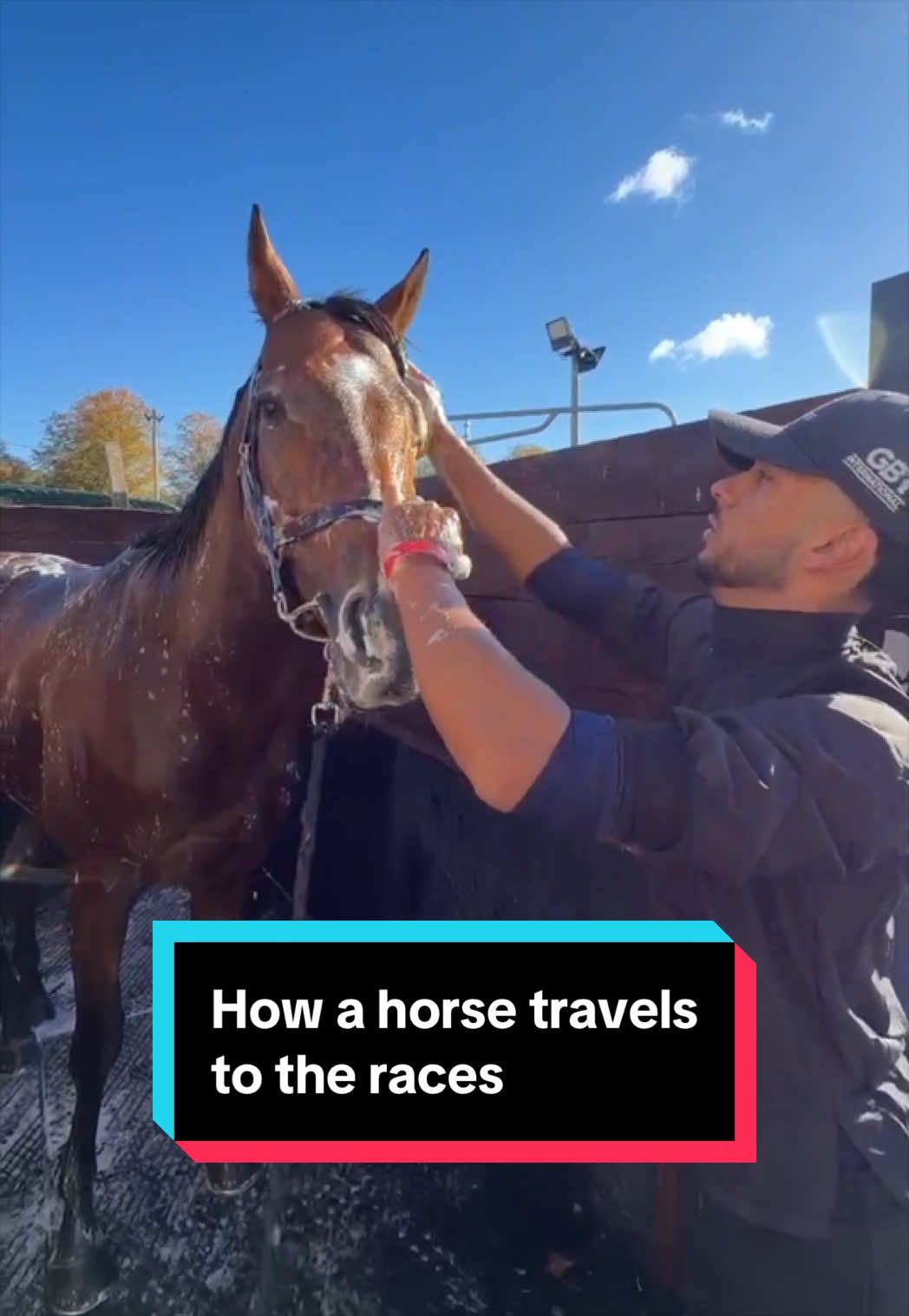
🔉How to travel a horse to the races!
 Links
Links
 Contact
 App
App


