



China's youth training blooms in Brazil! Three players from Luneng's Brazilian youth academy appear at the World Cup



Written by Han Bing This World Cup includes not only the only active foreign player from the Chinese Super League, Park Jin-sub, and three Chinese referees led by Ma Ning, but also other "Chinese elements." On June 14, Brazil drew 1-1 with Morocco. Although Brazilian international defenders Bremer and Edson Silva, products of Luneng's Brazilian youth training system, did not play, they still attracted attention from Chinese fans. Together with Mauricio, who scored a goal for Paraguay, talents cultivated at the Brazilian Sports Center acquired by Luneng in Brazil have resulted in three players participating in this World Cup.
Although no Chinese players trained by domestic youth academies are competing in the World Cup in the United States, Canada, and Mexico, Luneng's youth training base in Brazil has achieved remarkable results. The three current World Cup internationals are the fruits of Luneng's 12 years of intensive youth training by Luneng in Brazil, charting an international path for Chinese youth development. The Chinese youth training model should be diversified, placing training bases overseas and fully integrating into local football culture and atmosphere, potentially offering different development routes for Chinese youth training.


In 2014, the Luneng Group fully acquired Desportivo Brasil in São Paulo, Brazil, as its overseas youth training base. Located in the city of Felis Porto in northwestern São Paulo state, the Desportivo Brasil covers an area of 160,000 square meters, featuring seven standard football fields and two five-a-side football fields. This marks the first overseas youth training base is the first fully operated by a Chinese club, serving as a training ground for both Chinese players in Brazil and local South American youth talents.

Brazilian international center-back Bremer, who participated in this World Cup, is a product of Desportivo Brasil's youth academy. In early 2016, he was loaned to the youth team of São Paulo, and in 2017, he was sold to the youth team of Atlético Mineiro for 28,000 Brazilian reals (about $90,000). On July 21, 2018, the 21-year-old Bremer joined Torino in Serie A, and in 2022, he transferred to Juventus for a base fee of 41 million euros plus 9 million euros in variable clauses, marking the highest transfer fee recorded for a youth talent trained by Desportivo Brasil. Bremer also made his debut for the Brazilian national team after joining Juventus, first catching the attention of Brazil head coach Carlo Ancelotti in March of this year. He played a full match and scored a goal against France, subsequently earning his spot on Brazil's World Cup roster.

Edson Silva also came through the ranks of Desportivo Brasil, joining the club's first team in early 2017. In the summer of 2019, he was transferred to Cruzeiro for 28,000 Brazilian reals (about $75,000). In early 2022, he also moved to Serie A, joining Salernitana, and this summer he is expected to join Manchester United for a transfer fee of 45 million euros. was not initially scheduled to participate in the World Cup, but on June 7, after Wesley was injured and withdrew, he was called up by Ancelotti to join the Brazilian team.
Mauricio from Paraguay also player from Brazil. In 2019, he moved from Luneng's Desportivo Brasil to Cruzeiro to Cruzeiro for 80,000 Brazilian reals (about $200,000). Only this year, due to his grandmother's Paraguayan heritage, was he naturalized by the Paraguayan Football Federation. In the World Cup opener against the host United States, he scored a consolation goal for Paraguay in the second half. Barring unexpected events, Bremer and Edson Silva may still have opportunities to play in the World Cup group stage, making their World Cup debuts in the tournament.


Besides these three World Cup internationals, Luneng's Desportivo Brasil has also produced João Pedro, an Italian naturalized international, and Kevin, a Brazilian winger who joined Premier League club Fulham last year for a high fee of 40 million euros, as well as Madruga, an foreign player who returned to Shandong Taishan for "self-use.
The appearance of these three South American internationals in the World Cup has once again brought Luneng's overseas youth training base in Brazil into the spotlight of Chinese football.
In addition to the three South American World Cup internationals, Luneng's overseas base in Brazil has also cultivated some domestic youth talents. Chen Pu, Fang Hao, Zhang Yuanshu, and Wu Xingyu have all undergone overseas youth training at the Desportivo Brasil. Among them, Chen Pu and Fang Hao have already become Chinese internationals. However, their influence is not as significant World Cup internationals, which has helped raise awareness among more Chinese people about Luneng's 12-year-deep youth training base in Brazil. Luneng's Desportivo Brasil was originally a proactive attempt in Chinese football youth training, breaking away from traditional domestic closed training methods and short-term overseas training camps, establishing a wholly-owned club and training base in Brazil while concurrently youth talent from both China and Brazil.
Luneng's Desportivo Brasil is fundamentally centered on youth training. The club operates by transferring players to Brazilian giants or European clubs to generate transfer fees and training compensation, thereby forming a relatively stable income stream to maintain daily operations. The emergence of these three World Cup internationals serves as successful case study of talent development for Luneng's Desportivo Brasil. Compared to talents entering Brazilian professional football or even participating in the World Cup, Luneng's overseas youth training base in Brazil's contribution to domestic youth training for domestic football remains to be evaluated. With the exposure from this World Cup, Desportivo Brasil may receive more attention in the future. Luneng's youth training base model might inspire more domestic capital to replicate similar models in other countries, enabling the overseas youth training base model to achieve a scale effect with multiple success stories.


Wonderfulshortvideo

The walk in question 😮💨


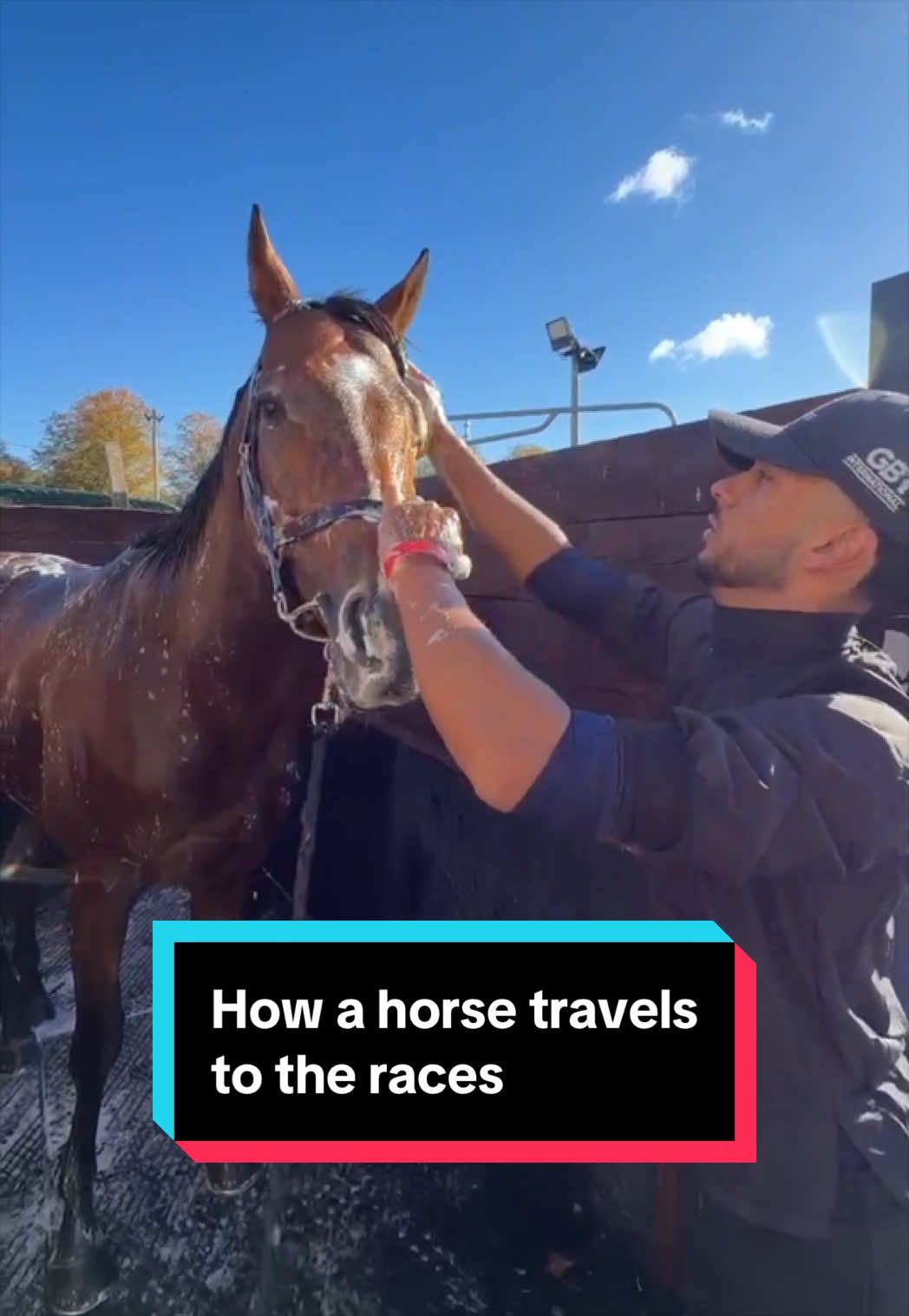
🔉How to travel a horse to the races!
User ChampionChatter has posted a video.
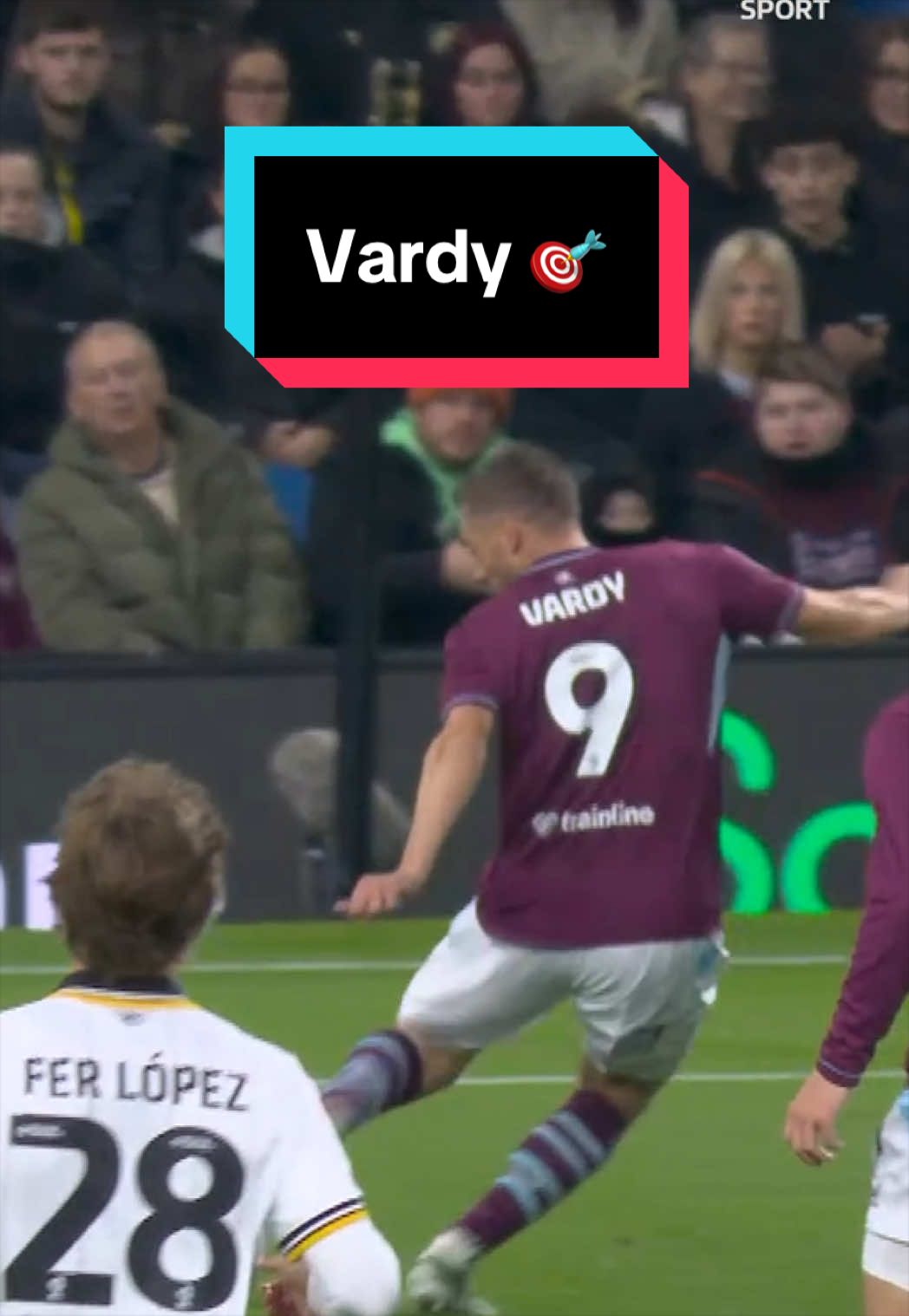
Jamie Vardy doing Jamie Vardy things ⚽️
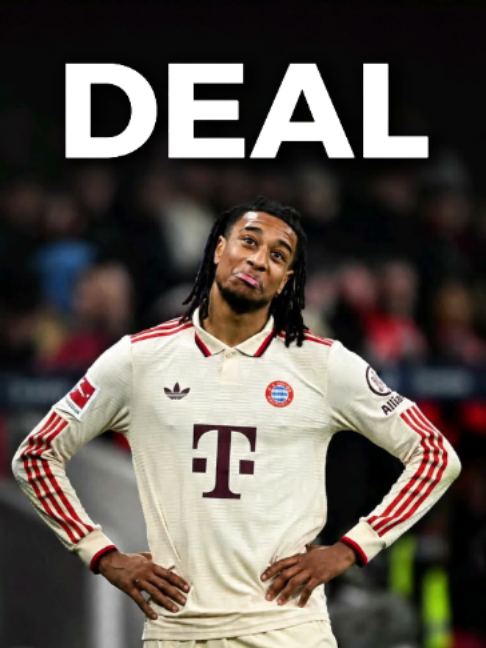
olise nike contract olise news today football news today olise hypervenom
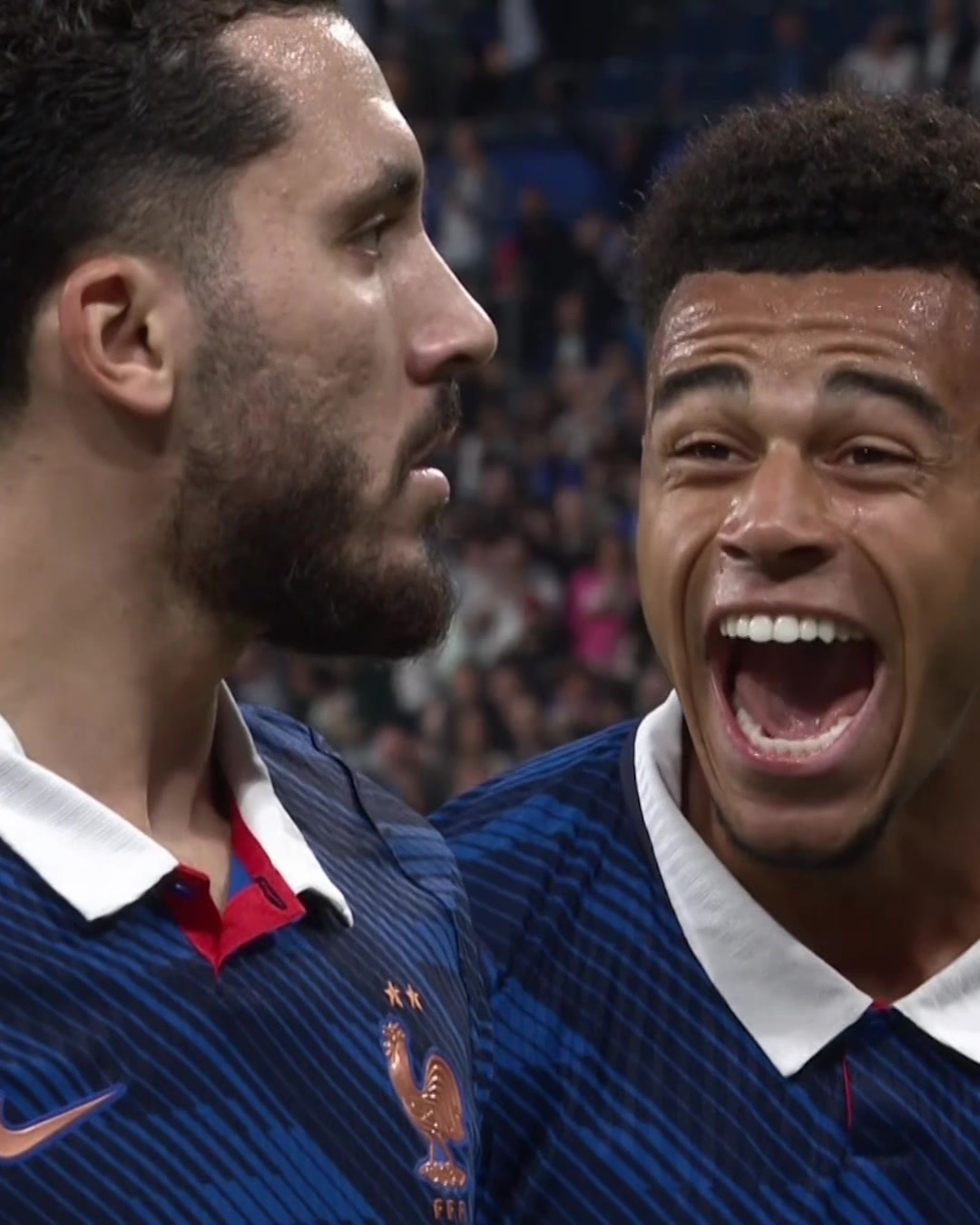
Désiré Doué’s face 😆😆
User ChampionChatter has posted a video.
 Links
Links
 Contact
 App
App


