



From the 2026 World Cup to Vietnam football's big dream



The opening round of group stage matches has only just kicked off, yet Asian football has already left a significant mark. Japan managed a 2-2 draw with the Netherlands after falling behind twice, South Korea staged a comeback to beat the Czech Republic, Australia triumphed 2-0 over Turkey, and Saudi Arabia, Iran, and Qatar all secured favorable outcomes against teams considered stronger.
At the conclusion of the first round of group stage matches, only three Asian teams suffered defeats in their opening games: Jordan (lost 1-3 to Austria), Iraq (lost 1-4 to Norway), and Uzbekistan (lost 1-3 to Colombia).
The predominantly non-losing results from Asian representatives show that this continent's football scene no longer approaches the World Cup with a learning mindset. Teams are competing on equal footing, showing confidence, and ready to challenge those once regarded as icons of world football. This also sends a hopeful signal for Vietnamese football.
Looking at the journeys of Japan, South Korea, and Australia, it's clear that success doesn't come from magic. It's the outcome of decades of continuous investment in youth training, developing domestic leagues, exporting players abroad, and building a distinct football identity.
Japan is the most prominent example. More than two decades ago, they were still seen as underdogs when facing European or South American teams. But now, Japan has become a notable force in world football.
What is happening at the 2026 World Cup shows that the gap between Asia and the rest of the world is narrowing significantly. And as FIFA expands the number of teams participating in the World Cup, opportunities for developing football nations like Vietnam are also widening considerably.
In fact, Vietnamese football once came very close to that dream when it reached the third round of qualifiers for the 2022 World Cup. That was a historic milestone proving that Vietnam is no longer too far from the continent's top level. Although the results were not as desired, the matches against Japan, Saudi Arabia, and Australia provided invaluable lessons.
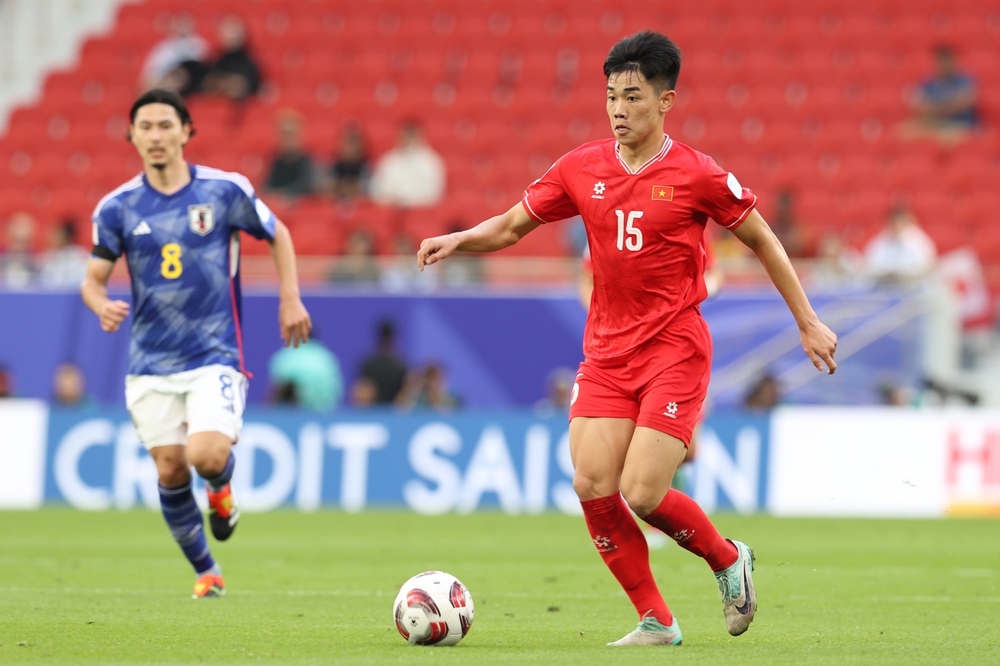
The Vietnam national team of the Dinh Bac generation, if they want to secure a World Cup spot, need to learn from Japan. Photo: Hoang Linh
What Vietnamese football needs right now is not haste, but patience. The success of Asian teams at the World Cup is a reminder that football development must start from the foundation.
To go further, the V-League needs to continue improving its professional quality, organizational standards, and competitiveness. Additionally, youth football must still be regarded as the core foundation. Over the years, Vietnam's youth teams have achieved many commendable results on the continental stage.
From the miracle of Changzhou 2018 to SEA Games medals and deep runs in the AFC U23 Asian Cup, youth football has always been a crucial source of players for the national team. The success of the Vietnam U23 team at the recent 2026 AFC U23 Asian Cup could be a continued hope for the national team to reach the third round of World Cup 2030 qualifiers, as the previous generation did.
Names like Dinh Bac, Van Khang, Trung Kien, Nhat Minh... are showing that the next generation of Vietnamese football still has great potential. If developed correctly, they will become the core force for future major campaigns. Alongside this, a sensible naturalization policy could also provide a significant boost.
World football is changing rapidly too. Teams that once dominated, like Italy, have been absent from consecutive World Cups. Germany, the Netherlands, Belgium, Spain, and Brazil no longer maintain their absolute superiority as before.
No peak lasts forever in football. The decline of old powers always opens opportunities for emerging football nations. Japan once trailed far behind big teams, but now can compete on equal terms with any opponent. That is the clearest proof that if you follow the right path, invest persistently, and build a solid foundation, any dream can become reality.
What Asia is showing at the 2026 World Cup indicates that the door to the biggest football festival on the planet is no longer out of reach. The important thing is that those in charge of Vietnamese football need to patiently upgrade the domestic league, have clubs work for the common good, invest in youth training, and build the national team based on a long-term strategy.


Wonderfulshortvideo

real madrid news today barcelona news today la liga news today lamine yamal goal today lamine yamal assist



WHAT A WEEKEND for Godolphin
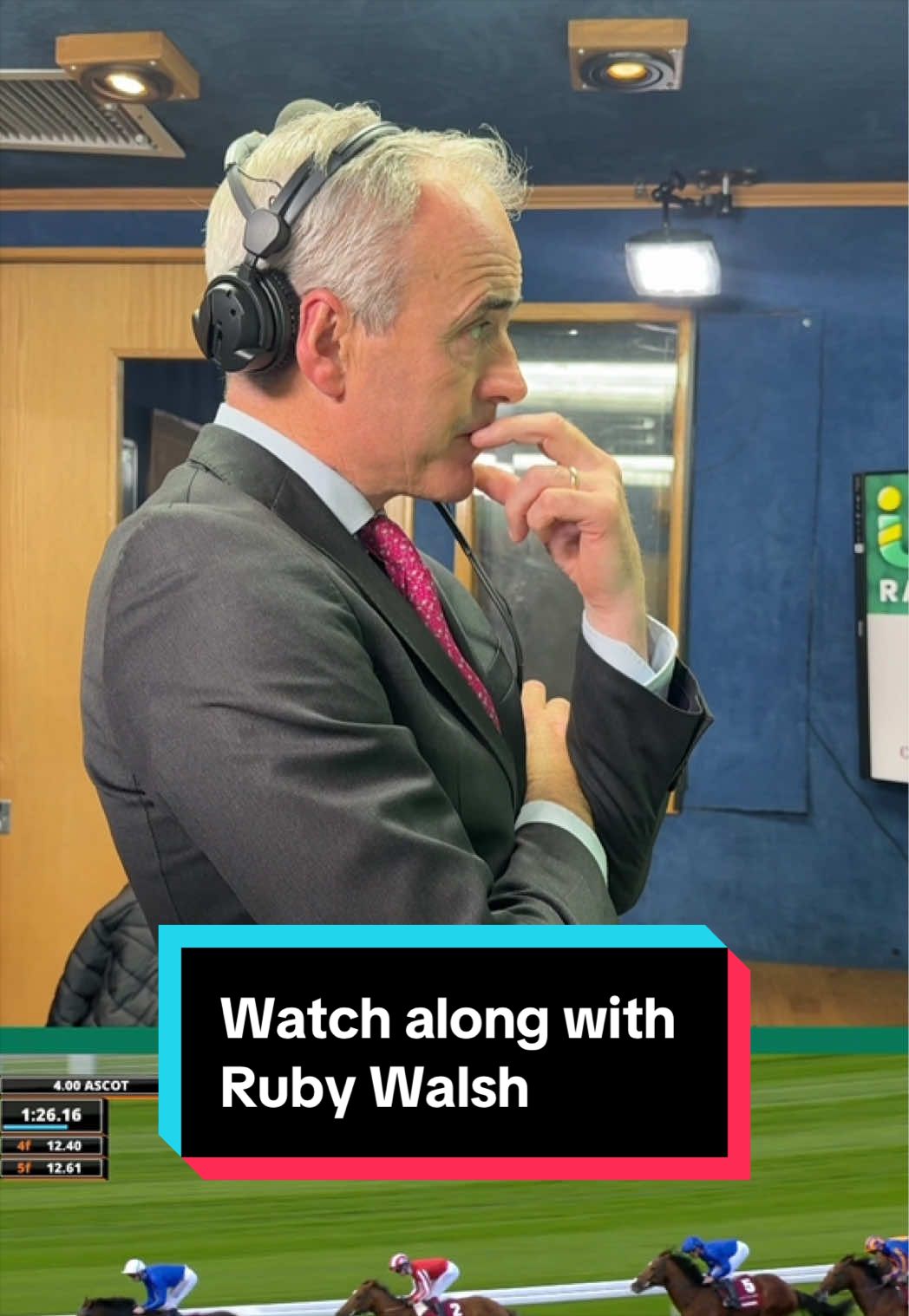
It’s like watching the Mona Lisa being painted 🤯

Valid crash out‼️

haaland goal today haaland edit haaland injury news haaland vs ipswich man city 3-2 ipswich town

The walk in question 😮💨
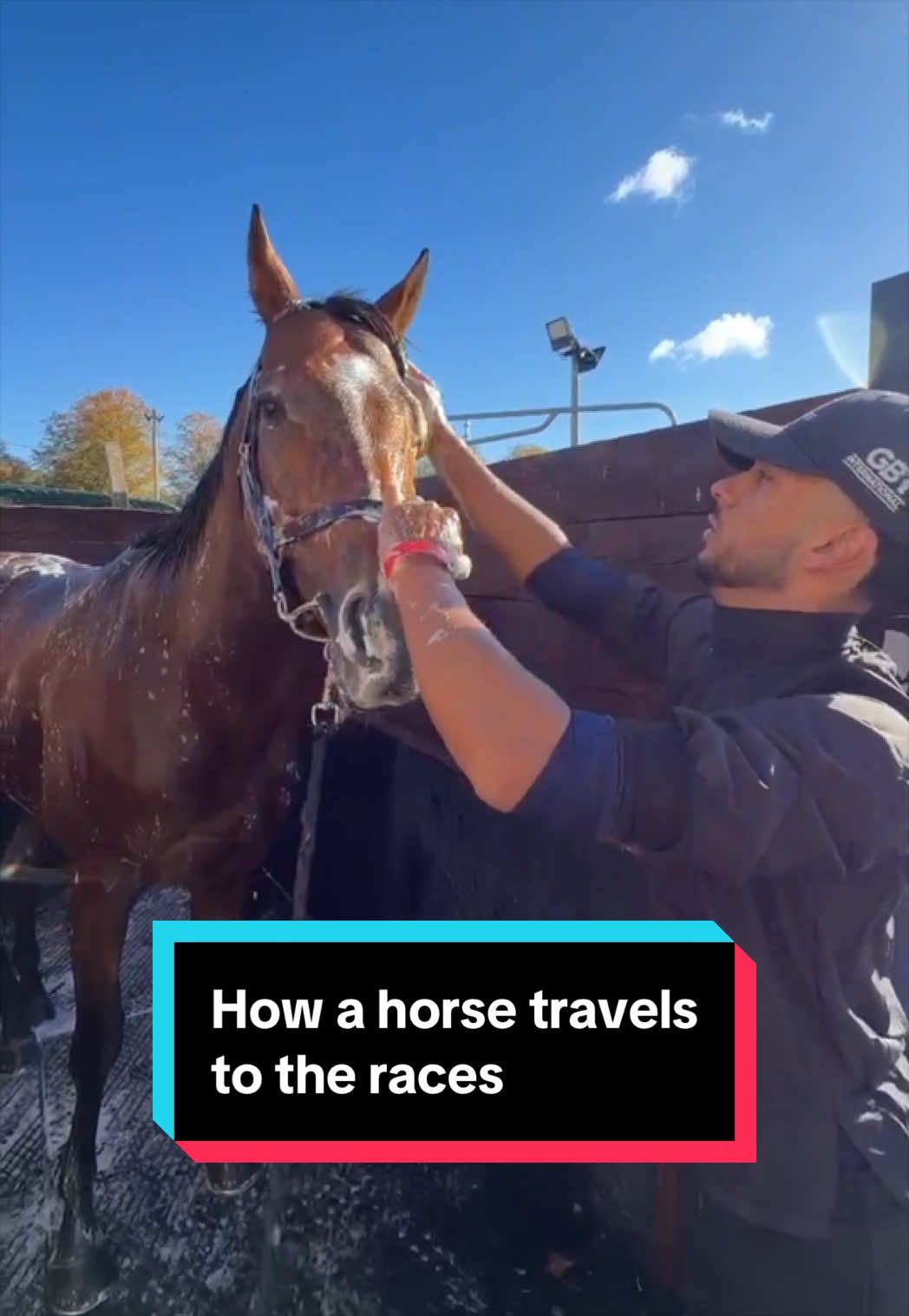
🔉How to travel a horse to the races!
 Links
Links
 Contact
 App
App


