



The Chinese Football Association's multiple departments are "tracking" the World Cup, with the core focus being how to implement and apply the findings.



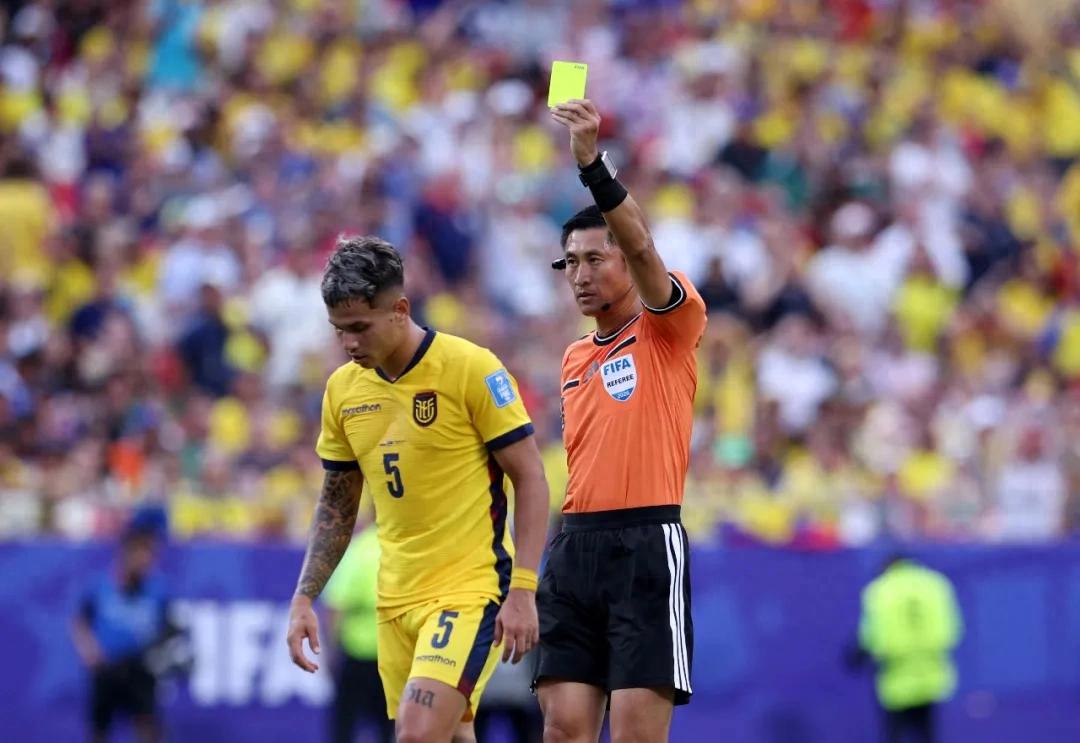
Reported by Chen Yong Reporter Chen Yong writes: On the morning of June 21, Ma Ning refereed the World Cup clash between Ecuador and Curaçao. In this tournament, China has shown strength in commercial sponsorship and fan engagement, yet inside the stadium, only referees stand as representatives of Chinese football, with the national team merely watching from the sidelines. However, when it comes to the World Cup, Chinese football should not be mere onlookers. Tracking the evolving tactics and techniques of the World Cup, monitoring the performances of Asian teams, and ultimately applying these insights to China's youth training system is the core mission of the Chinese Football Association.
According to information gathered by the reporter, multiple departments of the CFA—such as the Technical Department and the National Team Management Department—are tracking the World Cup. However, the real challenge lies in how to channel these observations back into youth development, which truly tests the CFA's coordination capabilities.

The Technical Department is leading the CFA's World Cup tracking efforts. Analyzing major tournaments and producing technical reports is one of its standard duties. For this World Cup, the CFA has tasked Technical Director Chris with spearheading this work. Chris returned to his role as CFA Technical Director in January 2026, focusing on designing China's football technical development roadmap, improving national team tactical standards, advancing the youth training system's top-level design, enhancing the coach development framework, handling international technical affairs, and fostering the overseas development of talented young players.
Although the Technical Department is the lead, the National Team Management Department is particularly interested in tracking the nine Asian teams participating in this World Cup. This includes, but is not limited to, collecting match footage and conducting tactical analysis. Among these nine teams, Japan, Australia, and Saudi Arabia are China's opponents in the current Asian third-round World Cup qualifiers; South Korea was China's opponent in the second-round Asian qualifiers; and Qatar was the opponent at the 2024 Asian Cup.
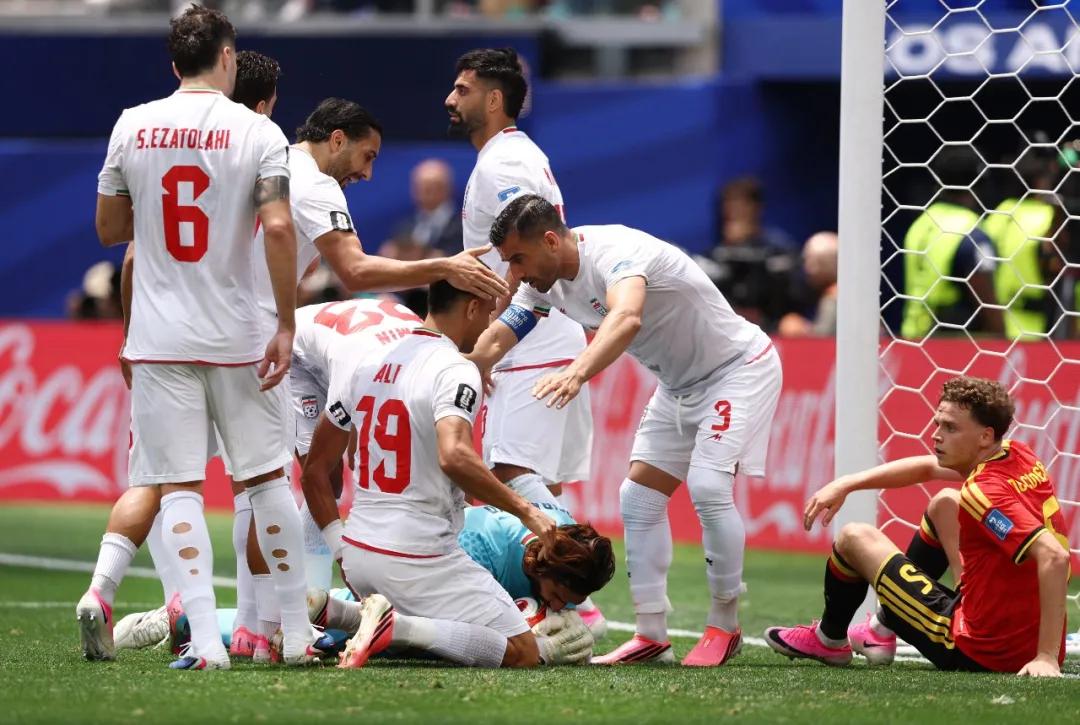
The remaining four teams have relatively fewer encounters with China: The last official match between China and Iran was the 2019 Asian Cup. China's last friendly against Uzbekistan was in 2023, while their previous official match was a 2016 World Cup qualifier—ten years ago. China's last friendly against Iraq was in 2018, and their last official match was a 2014 Asian Cup qualifier—twelve years earlier. China's last friendly with Jordan was in 2018, and their official meeting dates back even further to a 2012 World Cup qualifier—fourteen years ago.
Tracking these opponents is particularly meaningful, as they have performed admirably in the World Cup as well. For instance, while Jordan lost their opening match, their overall performance was quite impressive. It is worth noting that China's last official match against Jordan was fourteen years ago.
In the National Team Management Department's tracking efforts, the tactical approaches of elite national teams worldwide are also included. During discussions, national team head coaches have paid close attention to match intensity and tempo, the use of three-center-back/five-defender formations, set-piece tactics, and referee decision-making standards. For the Referee Department, the focus naturally falls on changes in World Cup officiating standards, especially Ma Ning's role in refereeing World Cup matches.


Tracking the World Cup is one of Chinese football's tasks, and producing a comprehensive technical report is to be expected. However, the true core lies not in tracking or generating reports, but in actually using this knowledge to benefit Chinese football—including both the competition system and the youth training system.
Take the referee standards as an example: In this World Cup, referees have adopted an extremely lenient approach toward physical duels, resulting in highly intense matches. Fans accustomed to watching the Chinese Super League would notice that many fouls called domestically are not penalized in the World Cup. Similarly, many seemingly robust challenges that would earn a yellow card in China rarely receive such punishment on the global stage.
The referee's tolerance is crucial for match intensity and tempo. Precisely because of the frequent whistles in domestic matches, physical confrontations are weakened and transitions are interrupted, further lowering the intensity and tempo that are already out of step with the world. For China's leagues—including youth leagues—the direction is clear: relax the threshold for physical contact while strictly punishing off-the-ball violations.
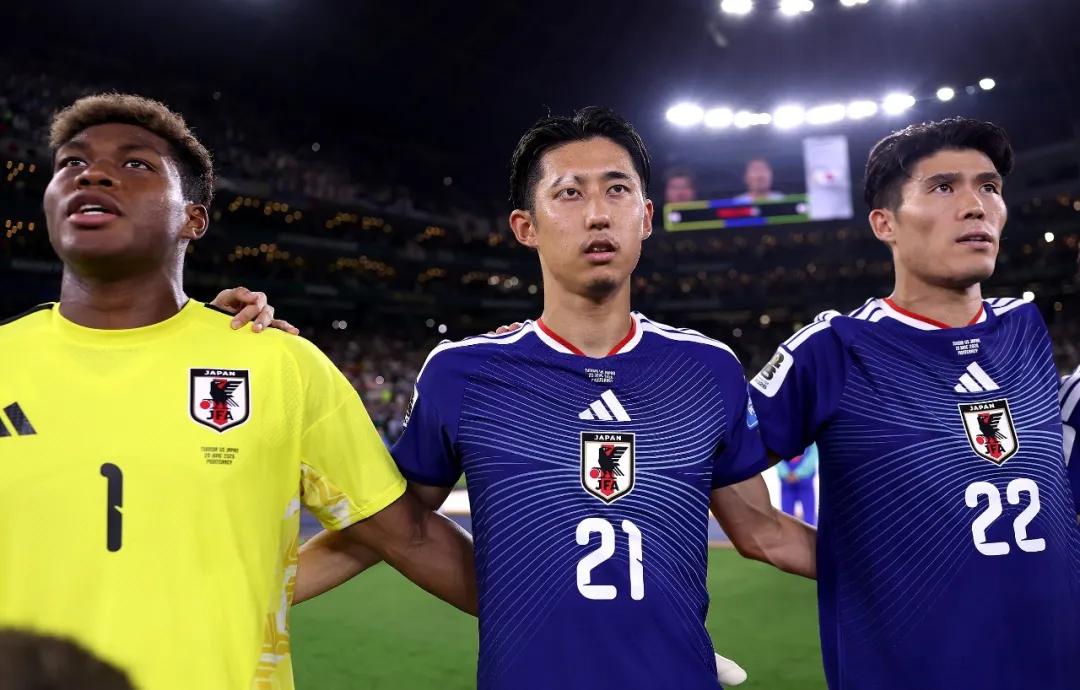
More importantly, the feedback to the youth training system is paramount. As we have repeatedly mentioned, Japan's approach to tracking major tournaments goes beyond mere observation—it constantly feeds insights back into their own youth development, covering criteria for player selection, training mechanisms, and more. For instance, Japanese players are becoming physically stronger and taller, a subtle yet profound effect of years of leveraging World Cup tracking.
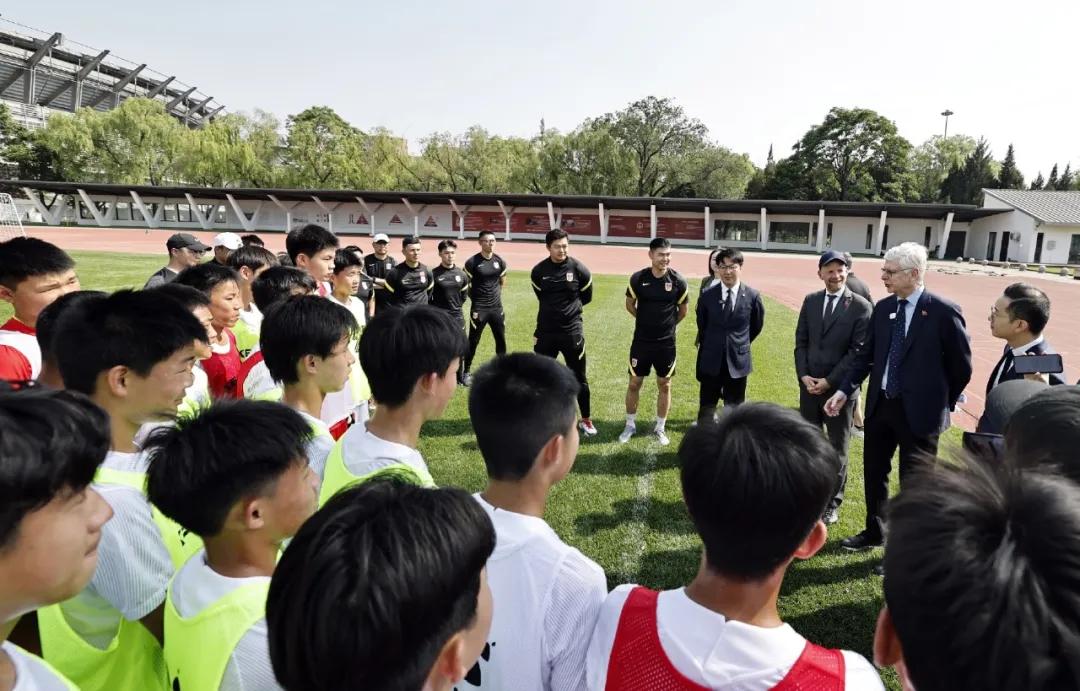
Taking this World Cup as an opportunity, the CFA should thoroughly review and refine its player selection criteria, training mechanisms, tactical systems, and referee standards. This can be achieved through the CFA's relevant structures (such as the five-tier youth training center initiative), meetings (like the CFA Coaches Conference), research efforts (where CFA leadership frequently studies youth training work and related competitions), and other means—fully feeding back and implementing these lessons into our youth training system. In other words, what we need is not just written reports, but genuine execution and action.


Wonderfulshortvideo

Valid crash out‼️


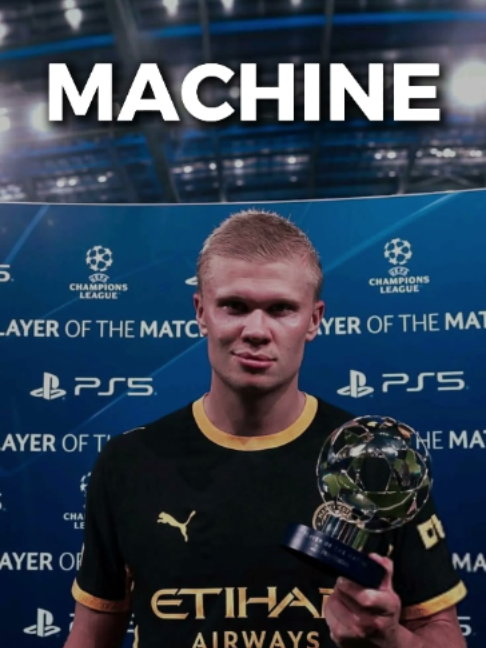
haaland goal today haaland edit haaland injury news haaland vs ipswich man city 3-2 ipswich town

The walk in question 😮💨
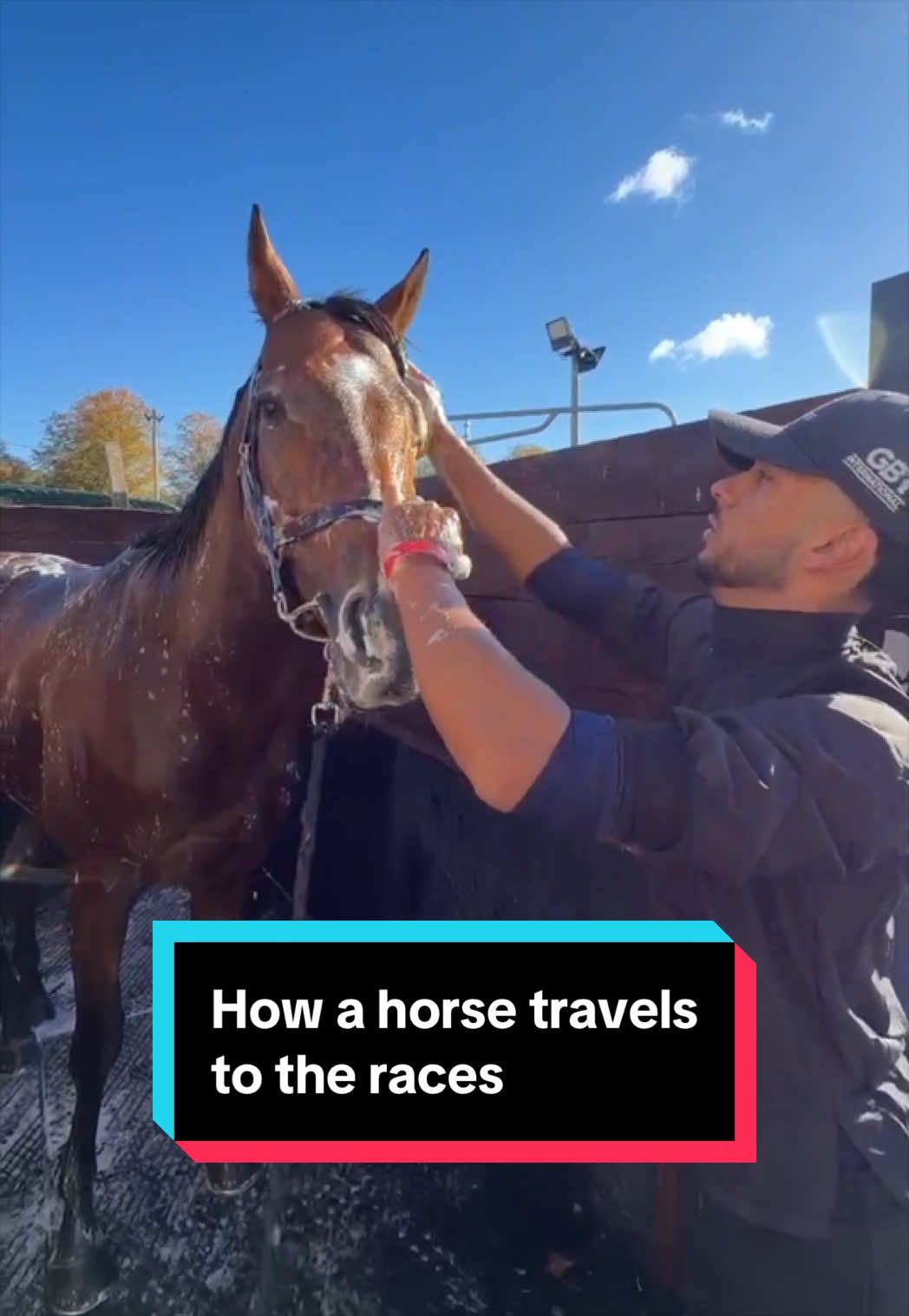
🔉How to travel a horse to the races!

User ChampionChatter has posted a video.

Jamie Vardy doing Jamie Vardy things ⚽️

olise nike contract olise news today football news today olise hypervenom
 Links
Links
 Contact
 App
App


