



A Revelation from World Cup Asian Teams: Chinese Youth Training Should Adapt to the Trend and Change in Three Directions


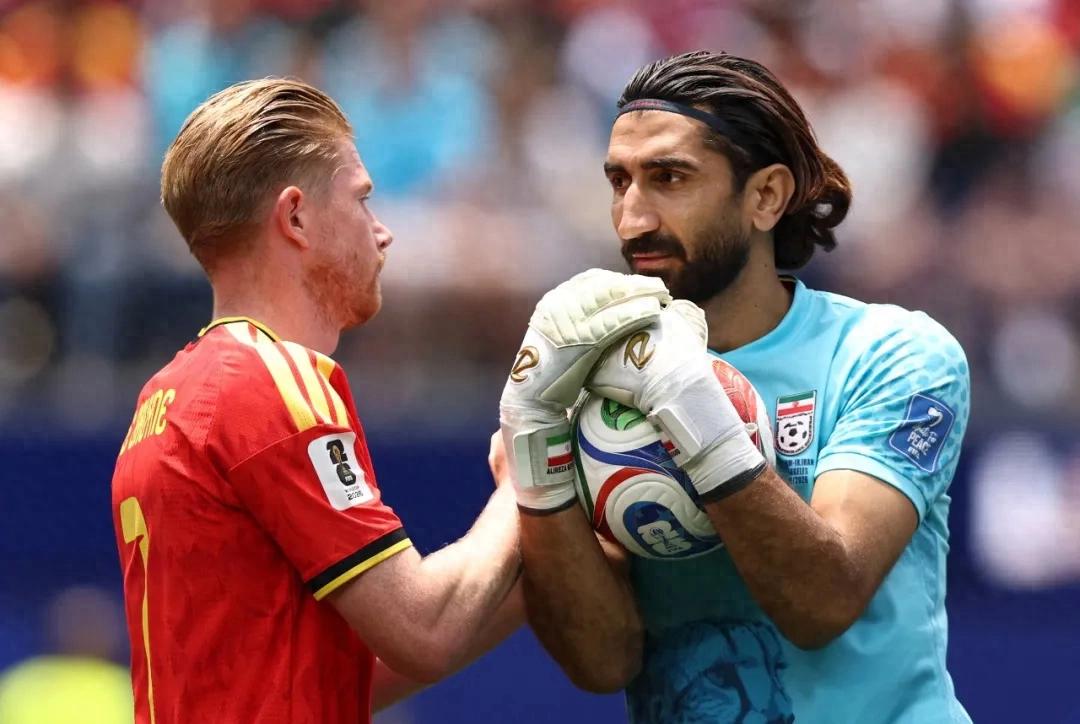
Reporter Chen Yong reports In the first round of the group stage at this World Cup, six Asian teams remained unbeaten: South Korea started with a 2-1 win over Czech Republic, Qatar drew 1-1 with Switzerland, Australia defeated Turkey 2-0, Japan tied the Netherlands 2-2, Saudi Arabia drew Uruguay 1-1, and Iran drew New Zealand 2-2. Apart from Iran's opponent New Zealand being relatively weak, the other five teams faced four European sides and one American side.
Although Asian teams' overall performance declined later, with Qatar and Saudi Arabia suffering heavy defeats, teams like Jordan and Iraq, despite losing, still showed commendable performances on the field. In South Korea's 0-1 loss to host Mexico, the match was evenly contested with South Korea dominating possession, and the goal conceded resulted from a miscommunication between the goalkeeper and a teammate. Amid the temporary slump of Asian teams, Japan's emphatic 4-0 victory over Tunisia and Iran's hard-fought 2-2 draw against Belgium (ranked 10th in the world) boosted the morale of Asian teams again.
The overall performance of Asian teams at this World Cup, along with the matches among top teams, has provided valuable insights for China's youth football training system, covering aspects such as selection criteria, development mechanisms, and tactical models.
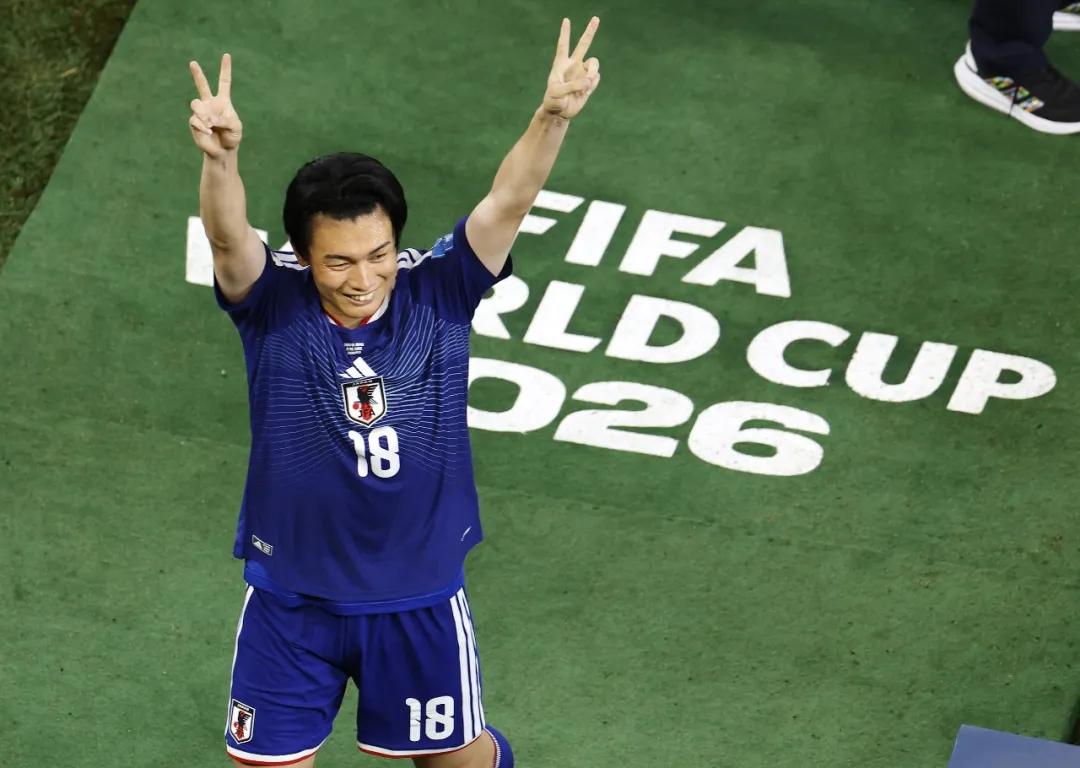

The Netherlands' performance at this World Cup was intriguing: In their first match against Japan, they played cautiously, frequently retreating into a low defensive block, leading to two leads being equalized. However, in their second match against Sweden, they played aggressively and won 5-1.
The Netherlands feared Japan's possession-based play, but the equalizing goal against them came from a Japanese header. Statistics from this World Cup show that Japan's average height exceeds 1.81 meters, not among the top, but their average height has been steadily increasing. At the 2019 Asian Cup, Japan's average height was under 1.80 meters, but at the U23 Asian Cup earlier this year, it reached 1.80 meters, ranking seventh. Notably, among the quarterfinalists of the U23 Asian Cup, seven of the top nine tallest teams advanced, with Vietnam being the only exception.
The current technical and tactical trend in world football is increasingly intense physicality. While height and physicality are not perfectly correlated, they generally show a positive relationship. More precisely, under the dominant trend of high-intensity, fast-paced play, players today exhibit greater height, faster speed, stronger physicality (power), and better flexibility—or at least two of these attributes. For example, Xie Wenneng may lack height, but his speed, power, and flexibility are significantly above average for his age group.
Chinese football initially emphasized height, speed, and strength, seen clearly in players born in the 1970s and 1980s. In the 1990s, selection criteria shifted toward agility, resulting in a wave of "short, fast, and agile" players who excelled in their youth but ultimately failed to meet fan expectations—some even faded quickly. In fact, when the national team dominated Thailand but failed to score, we began to miss tall strikers or even think of Jiang Shenglong, who, though not a striker, frequently scored.
This does not mean our future selection should blindly favor tall players, but rather prioritize physical attributes while strengthening technical training and game-reading abilities, achieving an effective combination: Japan, even without selecting tall players, dominates Asia, but in their comprehensive alignment with European football, they clearly emphasize physical development, using more tall central defenders and mixed-race players. As for France, over 80% of their players have African heritage. Cui Peng noted after leading a team training in France that the first friendly opponent, Auxerre B, had 8 black players, 2 mixed-race players, and only 1 white player. The common European standard is: first possessing excellent physical qualities, then better technical skills and tactical awareness.
In the national team's match against Cameroon, the only player who truly gained an advantage in physical duels was Baihelamu, highlighting the natural advantage of physique. If his football development had included better technical-tactical training, his threat would undoubtedly be greater. In the U19 national team's participation in the Toulon Tournament, the most outstanding player was the mixed-race Huang Shenghao.
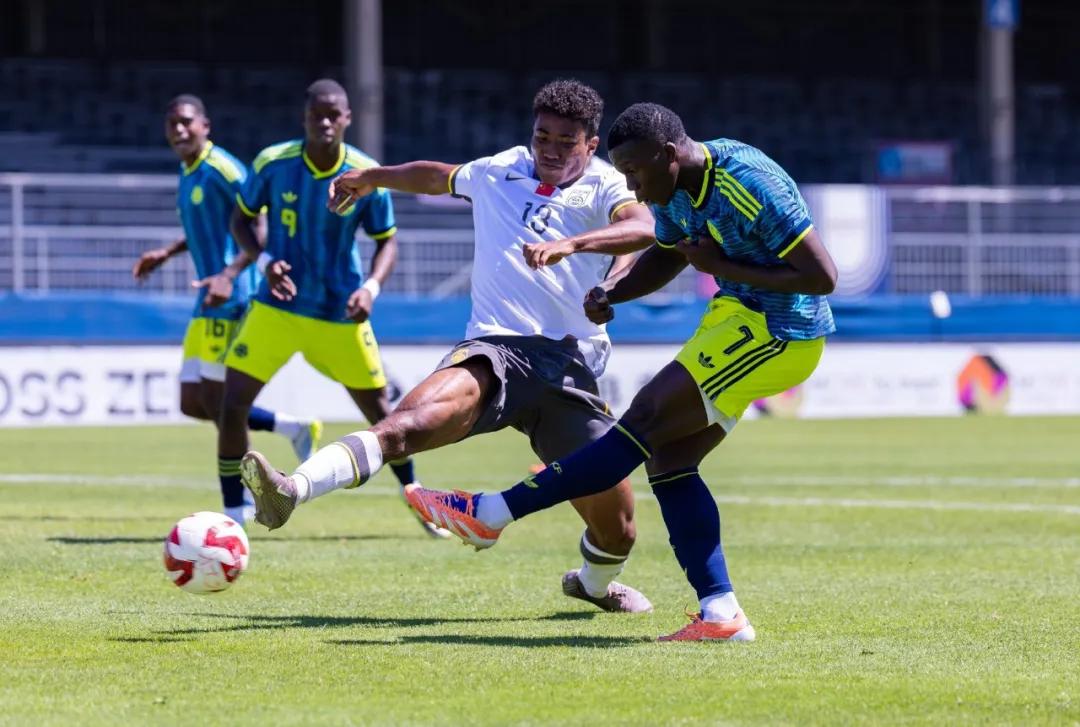

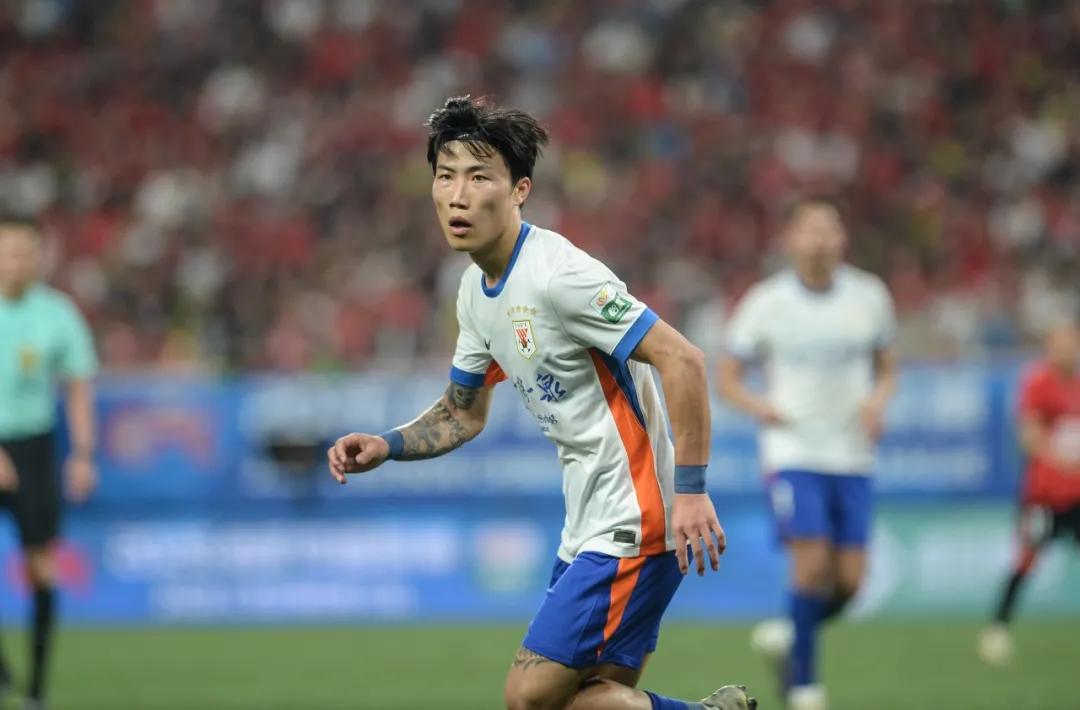
Mexico traditionally relies on technical play. In South Korea's match against Mexico, South Korea had 57% possession and a 2-0 corner kick advantage, partly due to pushing forward after falling behind, but the first half showed tactical parity. In Asia, South Korea and Japan are taking different paths toward the same goal: Japan strengthens physicality on a technical foundation, while South Korea enhances technical ability on a physical foundation, both aiming to adapt to the current high-intensity, fast-paced world game.
At a China-UK youth training exchange, British youth training experts highlighted a fundamental fact: players born in the first half of the year have a much higher success rate than those born in the second half—or more precisely, early-maturing players have a much higher success rate than late-maturing ones. From a youth training perspective, no player should be given up, but there are only so many match opportunities in development, so the initial advantage often becomes the final advantage. Of course, late-maturing players may have higher ceilings because they rely more on technique and intelligence. For example, Haaland was not favored at age 14 due to late development, making him smarter and harder-working, eventually combining late physical advantages to become a star. However, studies show that most players favored early also successfully became professionals.
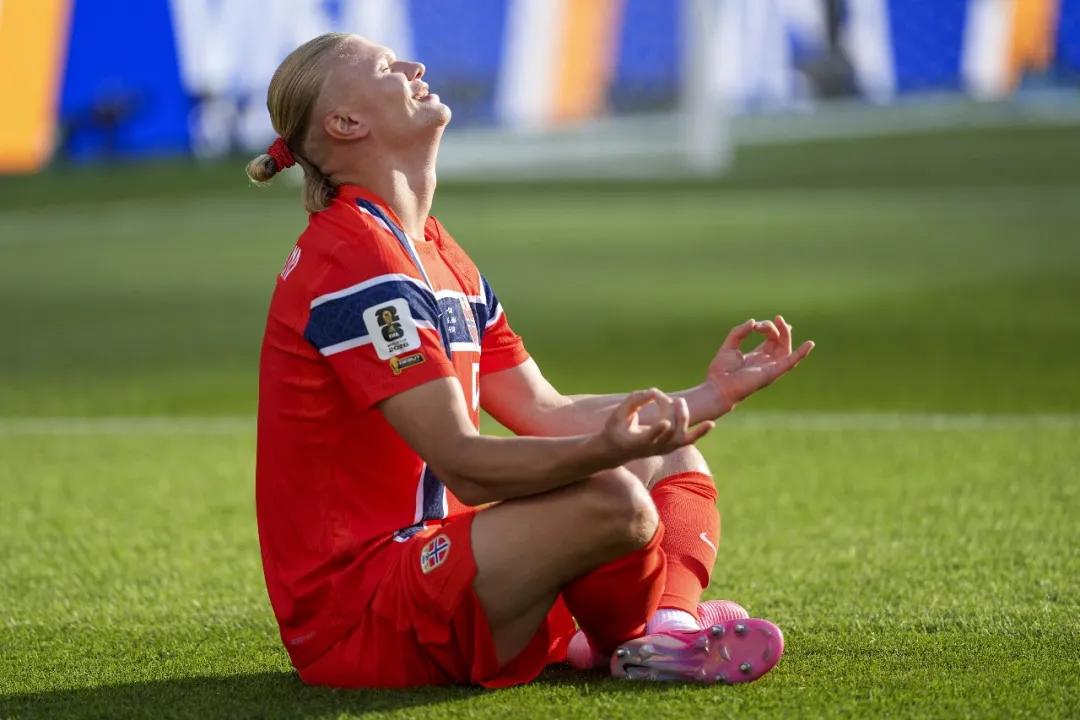
Based on selecting for physical attributes (or future physical potential), the training model must emphasize technical and tactical awareness development, ultimately producing players with excellent physiques, technique, and game-reading ability. Different positions have slightly different physical requirements—wingers do not need extreme height but still demand high overall physicality.
At this World Cup, physicality is intense, but goals that break deadlocks still require outstanding technical ability, including superior awareness and precise passing. Additionally, in the development mechanism, we must prioritize the cultivation of physical attributes; many players fail to reach their potential not due to inherent limits but because of training issues or insufficient effort.
Changing the training mechanism is more difficult than changing selection criteria. For instance, debates about Chinese youth training often revolve around the mechanism and corresponding tactical system. However, regardless, our youth training should provide players with more independent thinking space, more positional rotation, more precise technical improvement (both general and specialized), and more complex tactical environments to enhance their game-reading ability.

At this World Cup, whether Asian teams win or lose, we can't help but compare them to the Chinese national team, lamenting that China's level is indeed around 13th or 14th in Asia, far from World Cup standards. Yet everything we are doing now is precisely to bridge that gap.
In fact, we have gradually identified methods to close this gap, as shown by recent selections and match tactics of the national team:
First, as mentioned earlier, Baihelamu, despite limited technical ability due to his development path, has become an indispensable player for both the U23 and senior national teams. Another crucial player, Jiang Shenglong, also fits this description.
Second, in the match against Cameroon, the national team played timidly in the first half, avoiding physical contact and suffering as a result, nearly collapsing. In the second half, key adjustments were made: changing formations and demanding proactive physicality, while introducing more physical players. The result proved that when they dared to engage physically, they could hold their own against African teams.
Third, after Shao Jiayi took charge, he emphasized pressing and counter-pressing. The Thailand-China match is a textbook example: the national team suppressed Thailand with aggressive pressing and counter-pressing, the best high-pressure performance by China in recent years.
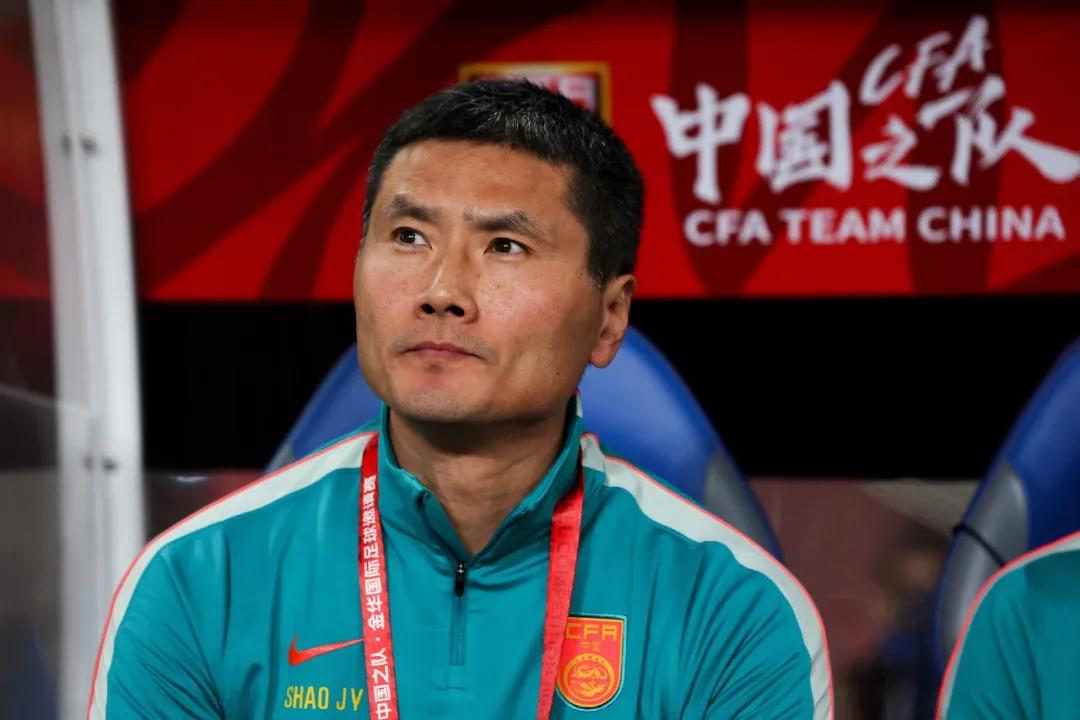
At the youth training level, Chinese football needs more coaches who prioritize physicality and transitions, aligning our youth training platforms with international standards. At the national team level, we must: first, always dare to play teams of different levels, including European and African sides far above us, truly adapting to international game tempo; second, treat every friendly as a real match, giving 100% effort—only by making hard work a habit can we avoid choking in big games; third, and most importantly, persist. Playing strong teams may lead to heavy defeats, and high pressing risks counterattacks, but if we avoid such pressure in friendlies, how can we ever succeed in official matches?
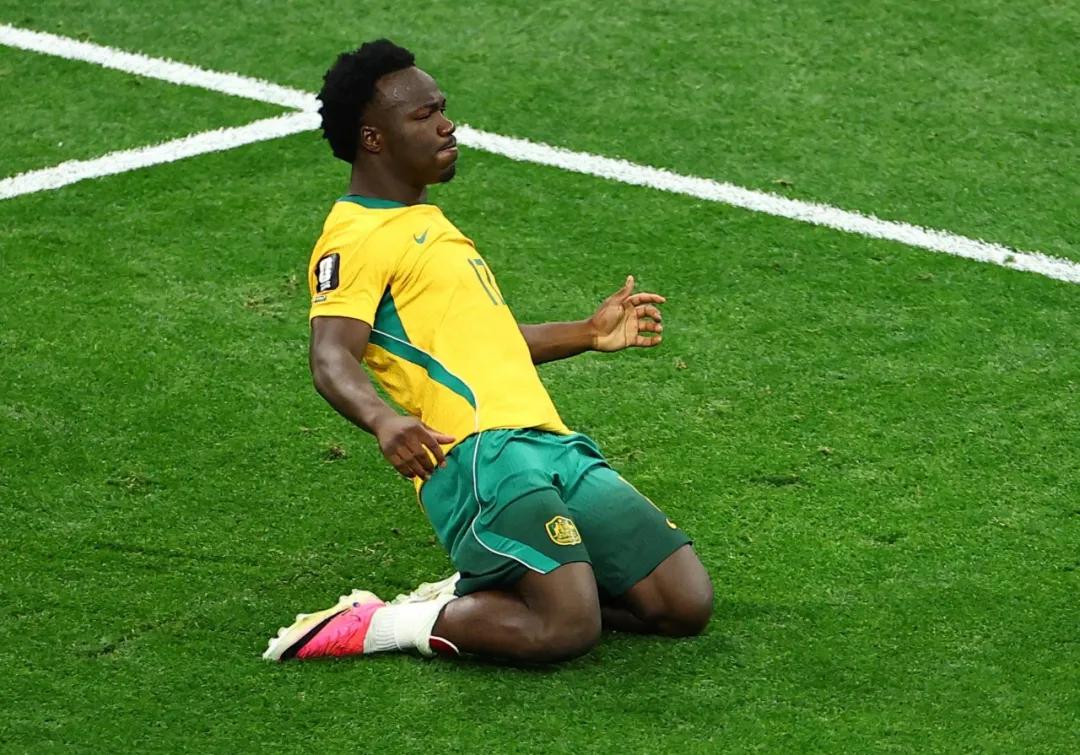
At this World Cup, matches have shown a conservative trend, especially with Asian teams commonly using three-center-back/five-defender formations, achieving good results. A key point to mention: Japan, South Korea, and Australia, all impressive, share the commonality that most of their players come from European leagues. For Australia, their 2006 U16 national team's gap with China was largely due to the physically dominant Irankunda. Over the past three years, we have beaten their youth teams multiple times, even 5-2, but while our young players stagnate domestically, theirs go to Europe—mostly lower leagues—but their adaptation to intensity and tempo is evident.


Wonderfulshortvideo

Valid crash out‼️



haaland goal today haaland edit haaland injury news haaland vs ipswich man city 3-2 ipswich town

The walk in question 😮💨
🔉How to travel a horse to the races!

User ChampionChatter has posted a video.

Jamie Vardy doing Jamie Vardy things ⚽️

olise nike contract olise news today football news today olise hypervenom
 Links
Links
 Contact
 App
App


