



World Cup 2026: German Football Accelerates Its Push into the U.S. Market



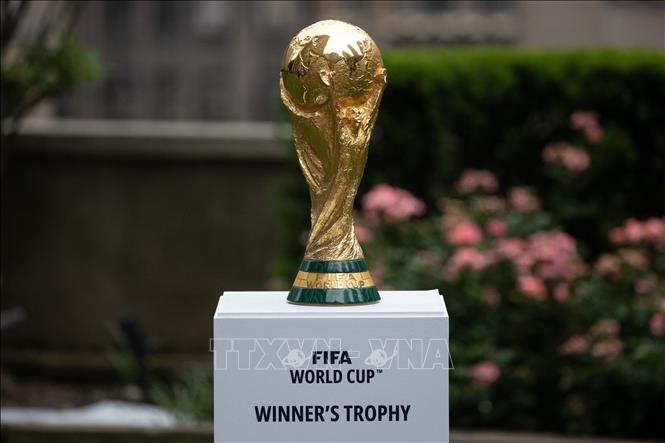
At the heart of this strategy is the “German House of Soccer,” a 2,000-square-meter venue in Manhattan, New York. There, the DFB organizes networking events, broadcasts all World Cup matches, operates a fan store, and promotes brand partners. In its first week, the venue attracted around 3,500 visitors.
DFB Secretary General Holger Blask stated that the project’s goal is not direct profit generation but rather strengthening the international standing of German football. He noted that the World Cup provides a favorable opportunity to bring German football closer to American fans.
Interest in football in the U.S. is growing rapidly. According to market research firm YouGov, the share of Americans who regularly follow football rose from 8% in mid-2022 to 12%, while among the 18–34 age group it increased from 13% to 22%. A survey by The Economist magazine showed that football has surpassed baseball to become the third most popular sport in the U.S.
The DFB is also making a notable commercial shift, as American corporation Nike will replace Adidas from 2027 as the kit supplier for the German national team. Nike is reportedly set to pay around €100 million annually—double the current sponsorship from Adidas—ending a partnership that had lasted more than 70 years.
However, German football still faces a recognition disadvantage in the U.S. Sports economist Victor Matheson of Holy Cross College noted that aside from Bayern Munich, very few Americans can name other German clubs, including Borussia Dortmund. Meanwhile, the English Premier League holds an edge thanks to language, cultural advantages, and the presence of famous clubs like Manchester United, Liverpool, Arsenal, and Chelsea.
To close the gap, Bayern Munich and Borussia Dortmund have opened offices in the U.S., the Bundesliga has a branch in New York, and the German Football League (DFL) is partnering with Relevent Sports to boost marketing activities in the Americas. Many German clubs also hold training camps and friendly matches in the U.S.
The DFB stated that the national team cannot play regularly in the U.S. due to commitments to European and international tournaments. The association also affirmed that it has no plans to move the DFB-Pokal final abroad, in order to preserve the traditional identity of German football.
In the coming days, former international Jürgen Klinsmann—winner of the 1990 World Cup and former U.S. national team coach—will appear at the German House of Soccer in New York, continuing his support for promoting German football to the American public.


Wonderfulshortvideo
Valid crash out‼️


haaland goal today haaland edit haaland injury news haaland vs ipswich man city 3-2 ipswich town
The walk in question 😮💨
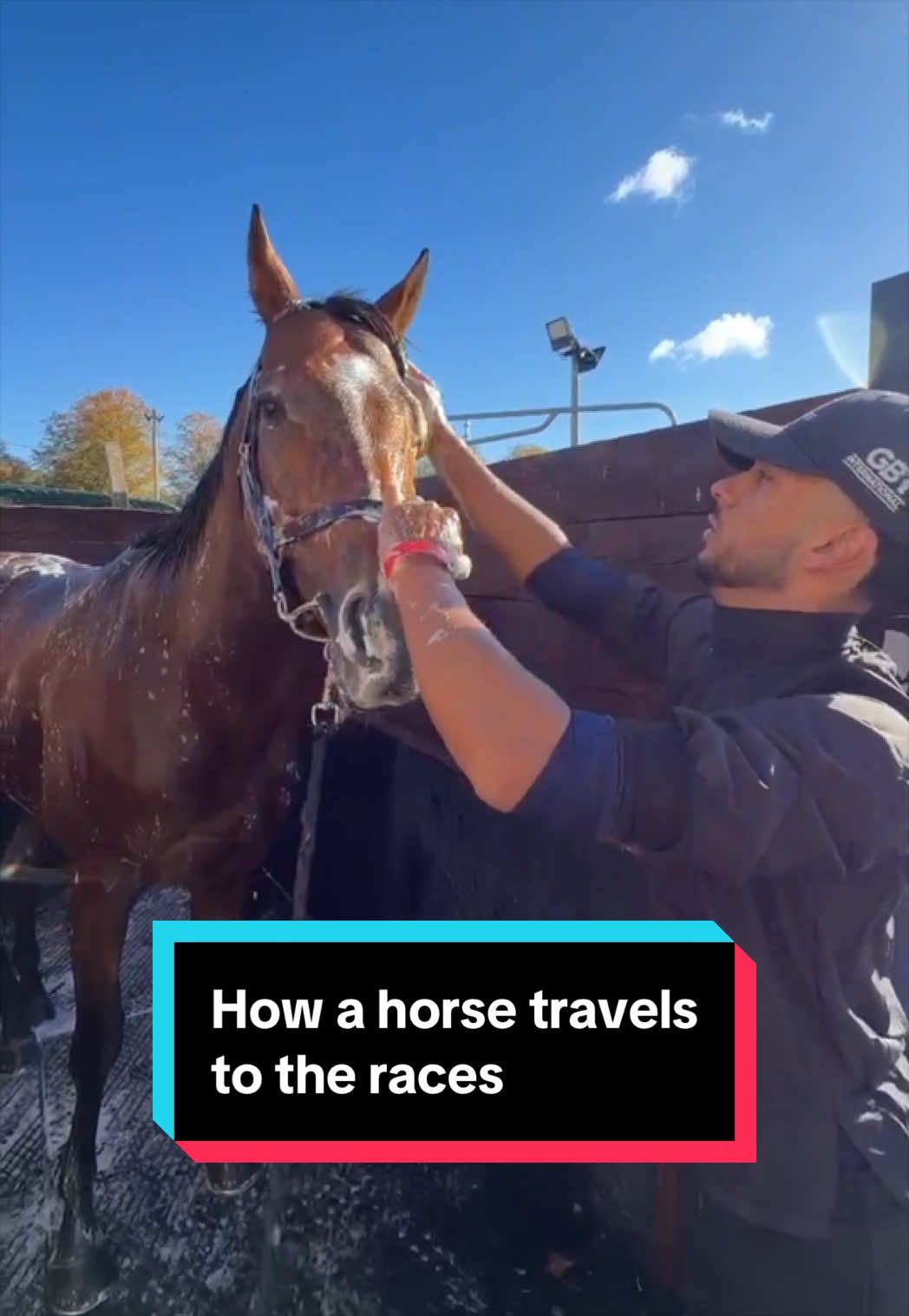
🔉How to travel a horse to the races!
User ChampionChatter has posted a video.
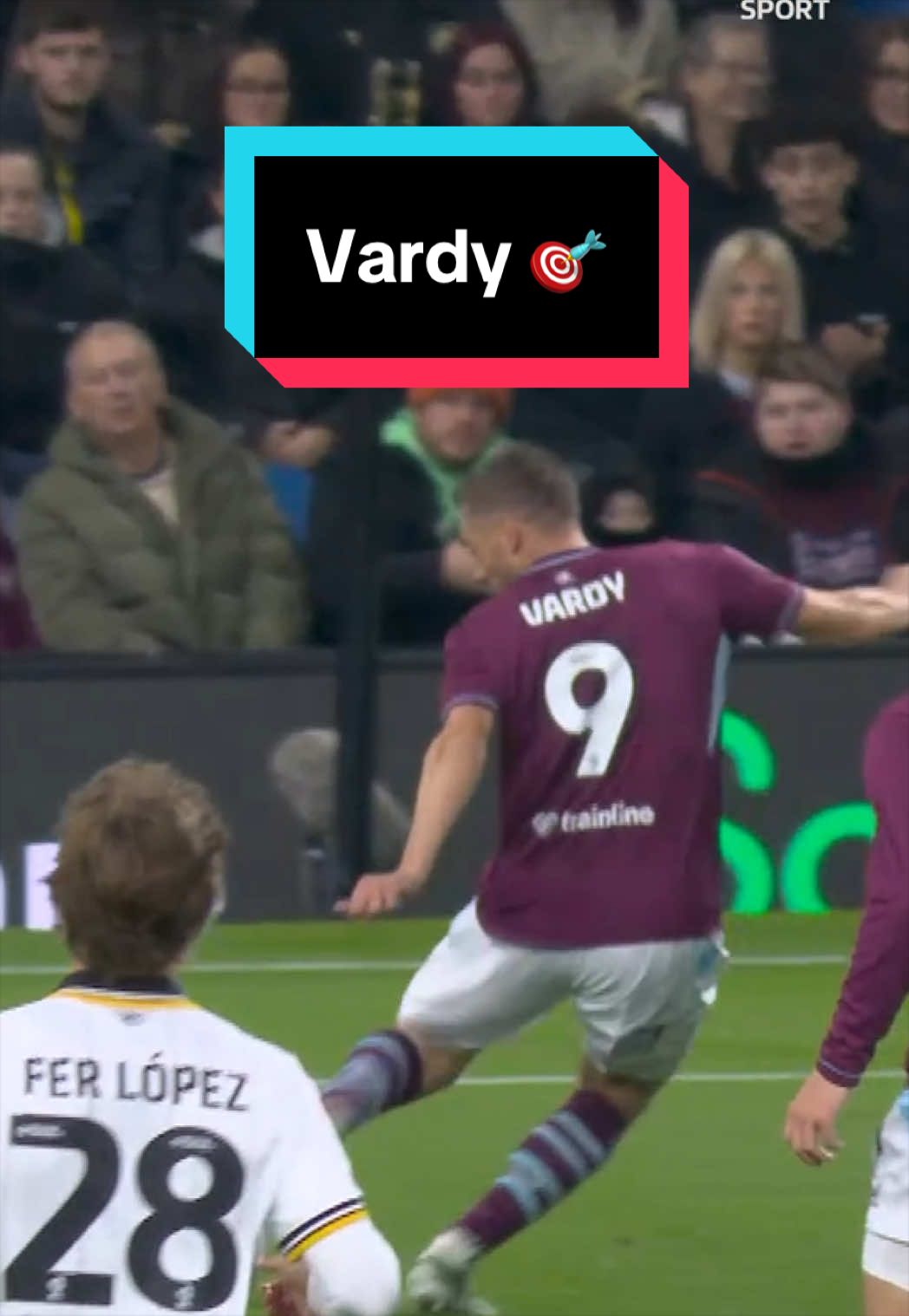
Jamie Vardy doing Jamie Vardy things ⚽️
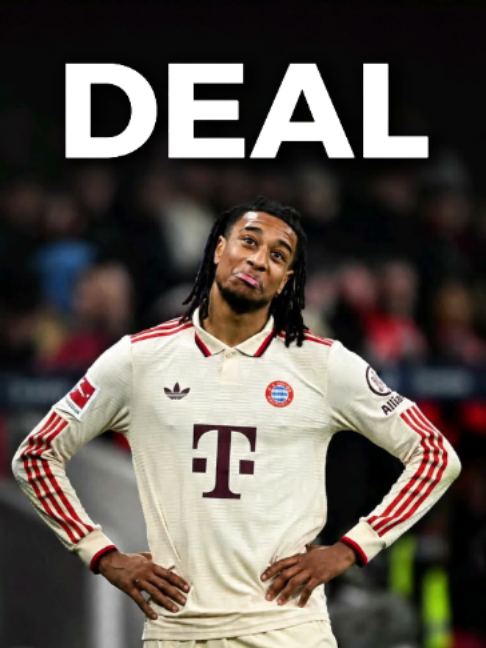
olise nike contract olise news today football news today olise hypervenom
 Links
Links
 Contact
 App
App


