



World Cup 2026: The Greatest Paradox of the French National Team



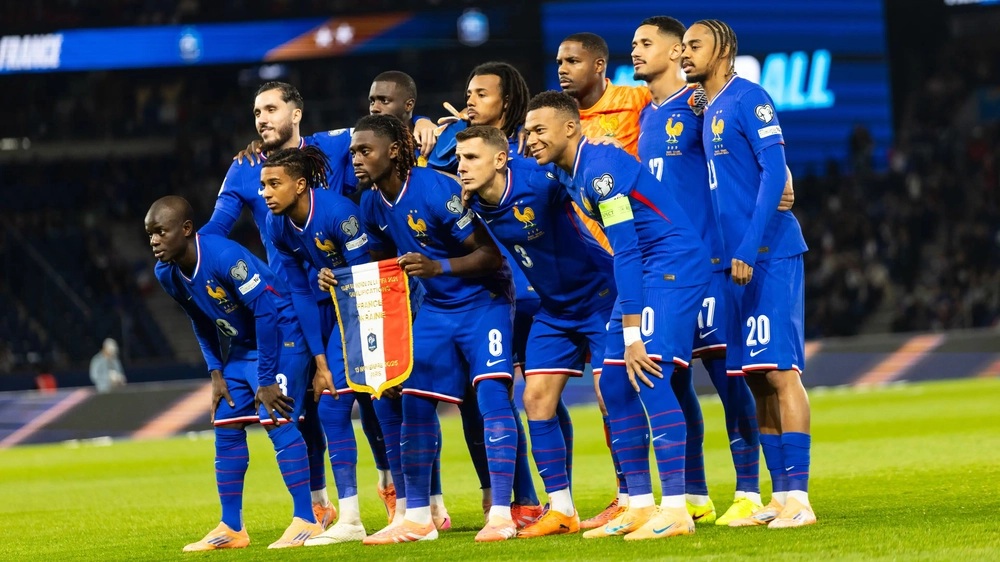
According to a Vietnam News Agency correspondent in Paris, Ousmane Dembélé enters the 2026 World Cup in a completely different position compared to previous major tournaments. After an explosive season with Paris Saint-Germain (PSG), the 1997-born star reached the pinnacle of his career by winning the 2025 Ballon d'Or. He became the driving force in PSG's attack, playing a key role in the club's domestic dominance and Champions League triumph. Yet the irony is that this brilliant form has not translated to the national team.
In almost ten years with the French national team, Dembélé has never truly left his mark on a major tournament. At the 2018 World Cup, he played a supporting role in "Les Bleus" championship run. By the 2022 World Cup, expectations were higher, but he disappointed in the final against Argentina, being substituted before halftime.
The numbers also reflect this reality. After 60 appearances for France, Dembélé has scored only 7 goals—a modest tally for an attacking player once regarded as one of the greatest talents in French football. Even Michael Olise, who only debuted for the team in 2024, has quickly matched his senior's goal tally.
Of course, it would be unfair to judge Dembélé solely by dry statistics. Over the years, recurring injuries have frequently interrupted his international career. Every time he regained top form, he would face another long layoff, preventing him from maintaining the necessary consistency at the national team level.
Coach Didier Deschamps still trusts his player. After the win over Senegal, the French manager stated that Dembélé is working hard to replicate his PSG performances and needs more time to reach his best form. However, Dembélé's biggest issue may not be form but tactical role. At PSG, he operates as a modern "false nine," often dropping deep to receive the ball, participating in build-up play, and moving freely across the forward line. This role allows Dembélé to maximize his creativity, speed, and technique.
At the national team, things are entirely different. The central position in the attacking system belongs almost exclusively to Kylian Mbappé. As captain and the top star of "Les Bleus," Mbappé is irreplaceable in Deschamps' setup. This forces Dembélé to operate in other areas, where he cannot fully leverage his best qualities.
That is also the biggest puzzle Deschamps must solve. In theory, France boasts one of the strongest attacks in the World Cup with Mbappé, Dembélé, Michael Olise, Désiré Doué, and Randal Kolo Muani. But the more stars there are, the harder it becomes to find the optimal formula.
French football has long been known as a high-pressure environment. Before Dembélé, Mbappé was the focal point of criticism whenever he failed to score. Before Mbappé, it was Antoine Griezmann, Karim Benzema, and many others. Big players must always live with enormous expectations from the media and fans. Therefore, Dembélé becoming a topic of debate is not surprising.
Nevertheless, the 2026 World Cup has only reached the second round of group stage matches. With his pace, ambidextrous dribbling, creative mindset, and top-level experience, Dembélé still possesses all the qualities to become a decisive factor in crucial games.
The biggest paradox for France right now is that the player who just won the Ballon d'Or has yet to show his best version in the national team jersey. If Coach Didier Deschamps finds a way to unleash Dembélé without diminishing Mbappé's role, "Les Bleus" could boast the most fearsome attack in the 2026 World Cup. But if this puzzle remains unsolved, the French team will continue with a puzzling contradiction: the brightest star of French football may not necessarily be the most important star of the French national team itself.


Wonderfulshortvideo
Valid crash out‼️


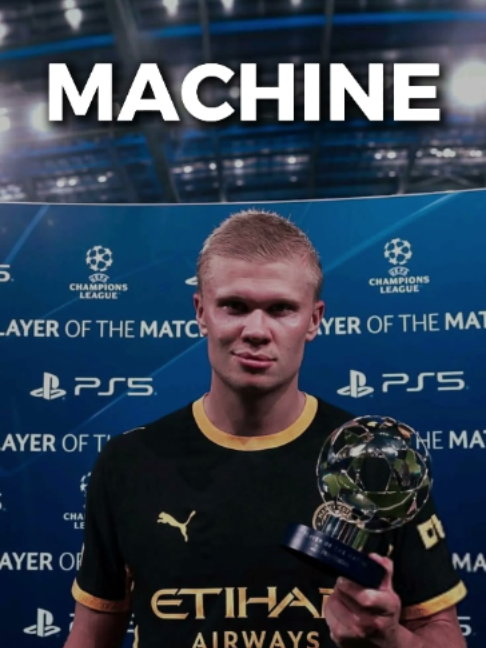
haaland goal today haaland edit haaland injury news haaland vs ipswich man city 3-2 ipswich town
The walk in question 😮💨
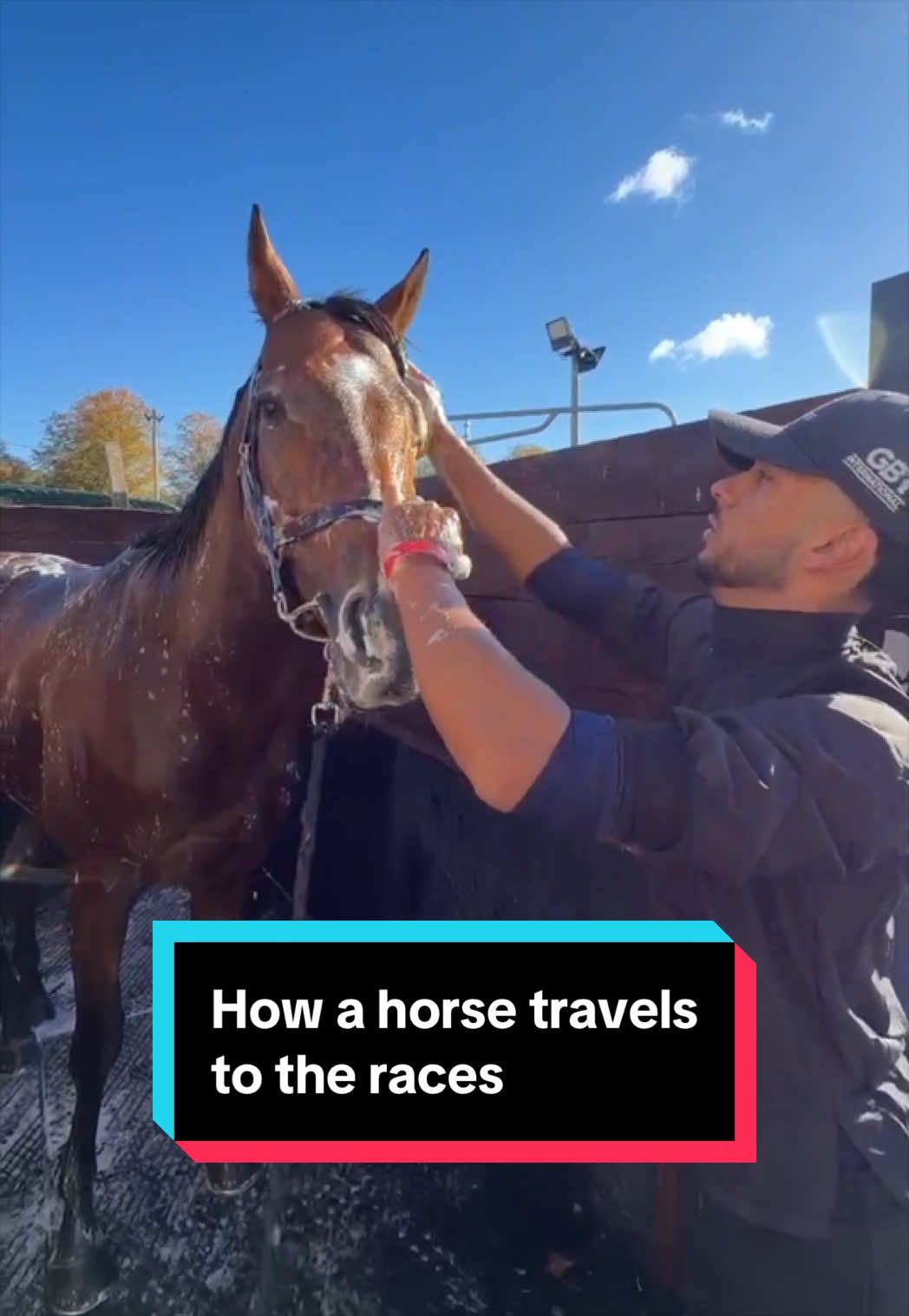
🔉How to travel a horse to the races!
User ChampionChatter has posted a video.
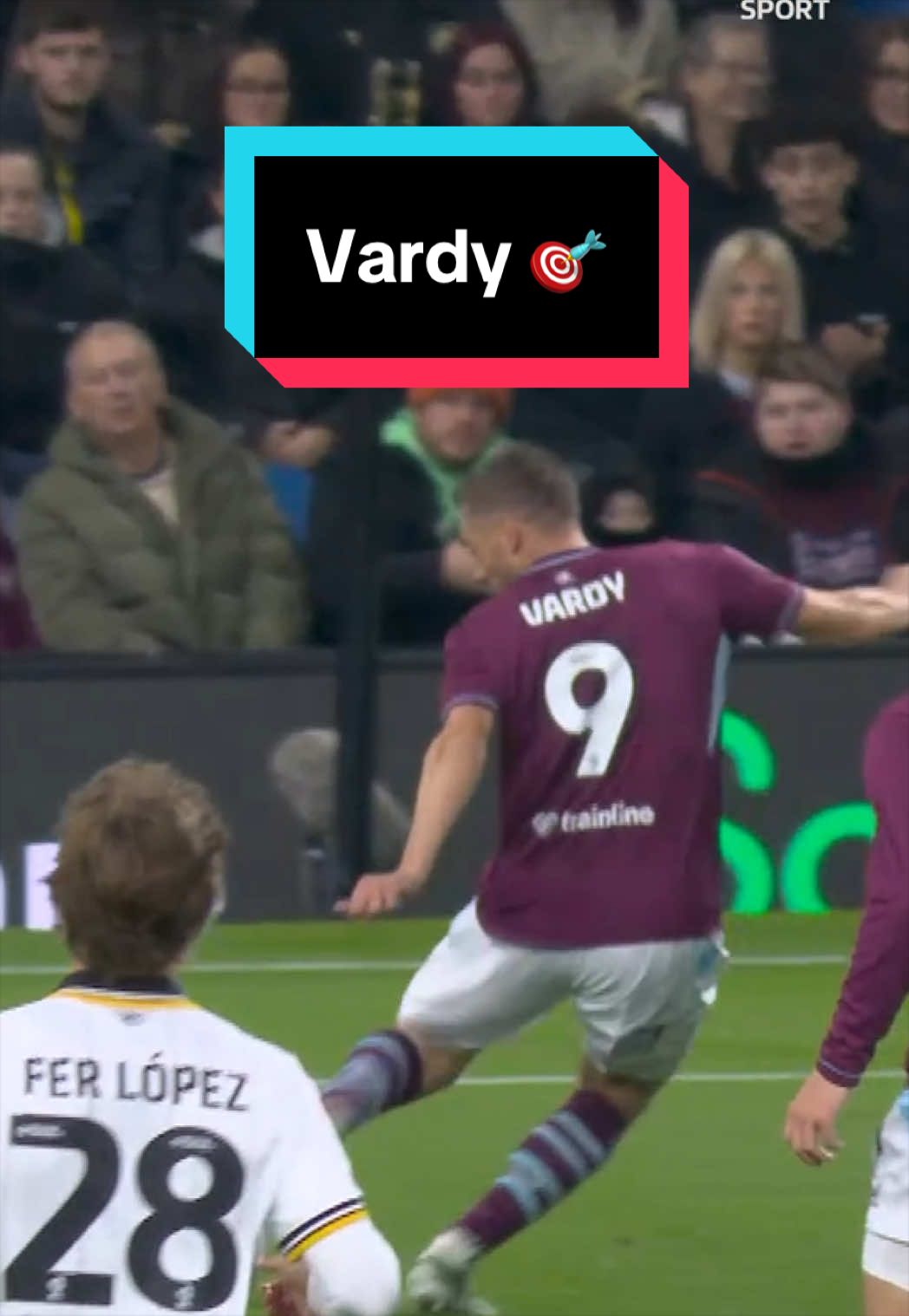
Jamie Vardy doing Jamie Vardy things ⚽️
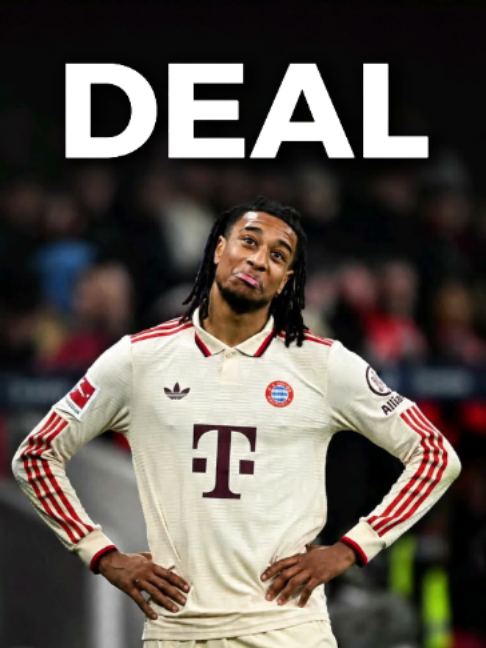
olise nike contract olise news today football news today olise hypervenom
 Links
Links
 Contact
 App
App


