



Indonesia should be wary, Vietnam's national team is 'transforming' under coach Kim Sang-sik



While Indonesia keeps turning heads with its naturalization drive, Vietnam under Kim Sang-sik is quietly transforming from the ground up. Better physical conditioning, stronger squad strength, and a new operational approach are poised to intensify the battle for Southeast Asian supremacy.
While Indonesia consistently makes headlines with quality naturalized players, Vietnam chooses a different direction. Under Kim Sang-sik, the "Golden Star Warriors" are evolving from the foundation, and early signals have already caught the attention of the entire Southeast Asian region.
According to South Korean media, the Vietnam Football Federation (VFF) has decided to adjust Coach Kim Sang-sik's role ahead of the 2026 Asian Games. The Korean tactician will not directly lead the U23 Vietnam team in the Asian Games; instead, he will focus all his resources on the senior national team.
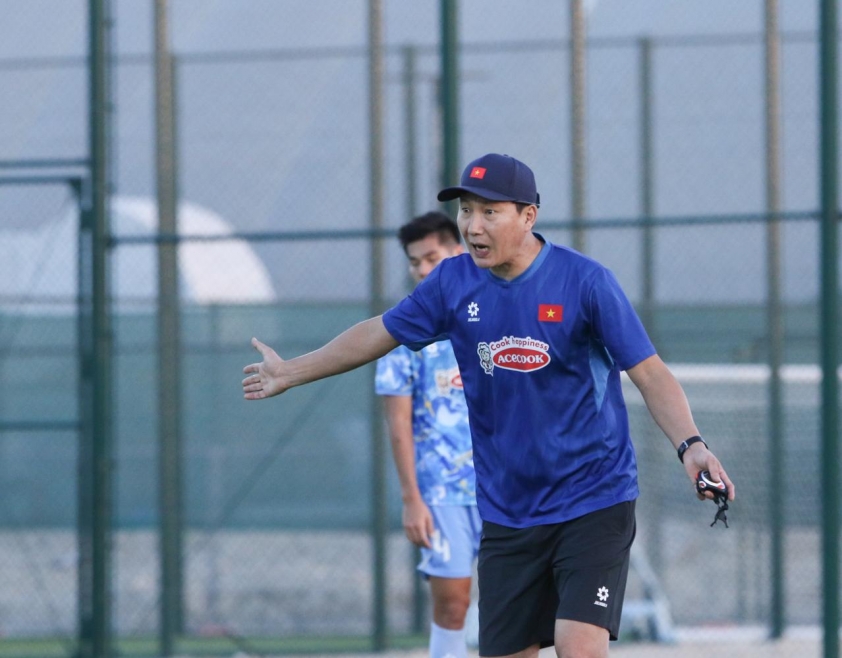
This is regarded as a strategic move by the VFF to serve two key objectives: the 2026 ASEAN Championship and the 2027 Asian Cup. At the same time, this decision reflects Vietnamese football's shift to a specialized operational model, where the national team and U23 team have separate preparations rather than depending on a single coach as before.
However, what catches the attention of regional experts is not only the changes on the coaching bench. The current Vietnam national team now boasts a very different appearance from just a few years ago.
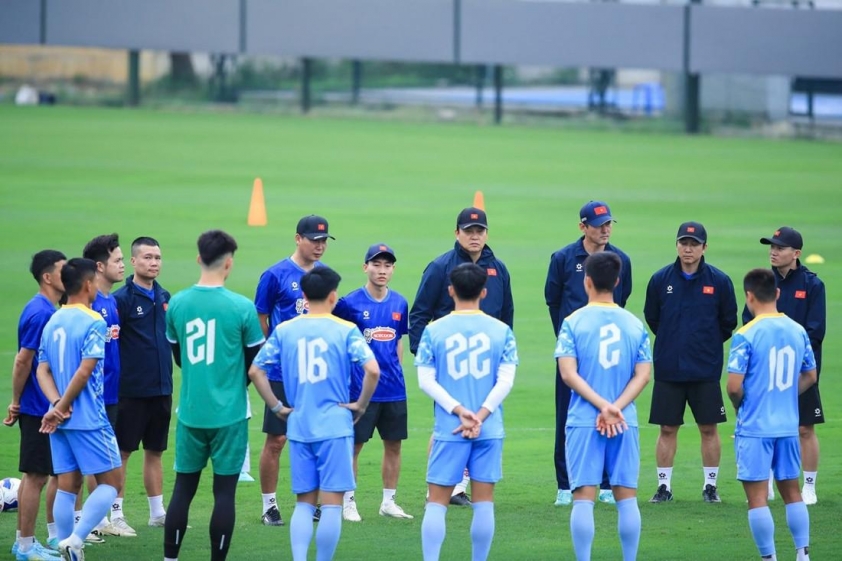
According to statistics published by Indonesian media, among the 28 players called up for the 2026 ASEAN Championship preparations, 15 are 1.80 meters or taller. This is a rare figure for a Southeast Asian team, especially for Vietnam, which was once considered physically inferior to its regional opponents.
This change is seen as the result of long-term investment in youth training, nutrition, and sports science. If Vietnam previously stood out for its technique and ball control, now Kim Sang-sik's side is gradually adding strength and physicality to its game.
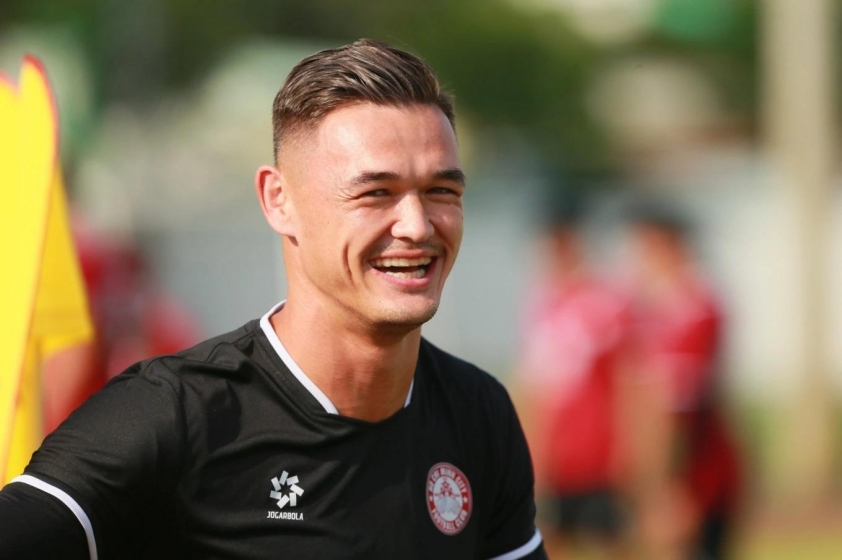
Another notable highlight is the appearance of overseas Vietnamese goalkeeper Lê Giang Patrik. After years of waiting, the 1992-born shot-stopper finally gets a chance to wear the Vietnam shirt. His experience and solid physical foundation are expected to add depth to the squad and create competition in the goalkeeper position.
Meanwhile, Indonesia continues to pursue its naturalization strategy to realize the ambition of becoming one of Asia's strongest teams. PSSI Chairman Erick Thohir even publicly set a target to bring Indonesia into the FIFA top 50 in the near future.
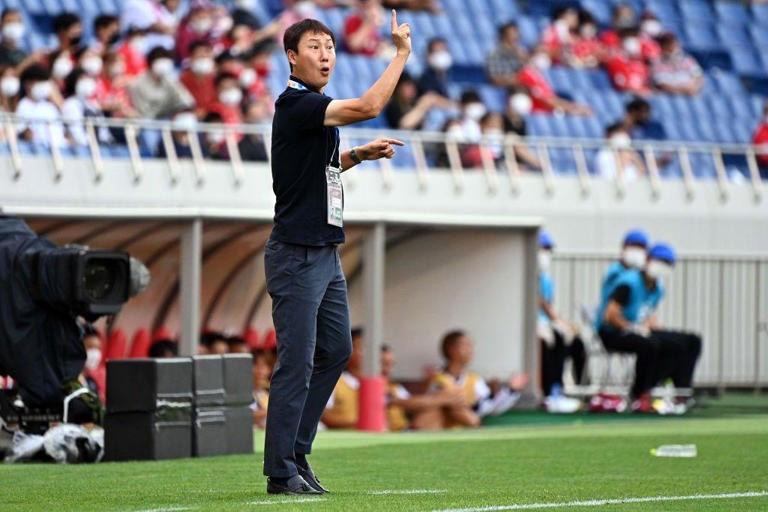
The difference in development approaches is making the competition between the two top Southeast Asian football nations more fascinating than ever. While Indonesia chooses to boost its strength through foreign resources, Vietnam places its trust in internal upgrades and building a sustainable system.
The upcoming 2026 ASEAN Championship and Asian Cup may serve as the first stage to test the results of the "transformation" under Coach Kim Sang-sik.As early as now, the quiet changes of the Vietnam national team have been enough to make regional rivals, especially Indonesia, pay special attention.


Wonderfulshortvideo

The walk in question 😮💨



🔉How to travel a horse to the races!

User ChampionChatter has posted a video.

Jamie Vardy doing Jamie Vardy things ⚽️

olise nike contract olise news today football news today olise hypervenom
Désiré Doué’s face 😆😆

User ChampionChatter has posted a video.
 Links
Links
 Contact
 App
App


