



World Cup 2026: On the Threshold of History



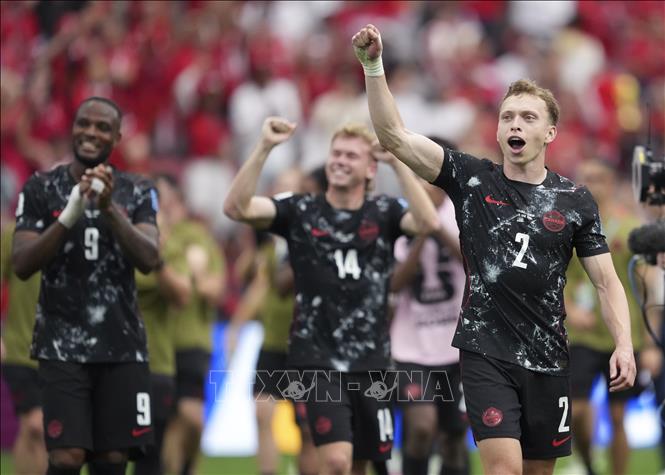
This scenario carries deep meaning for a team that had never won a match until this World Cup. Canada entered the tournament under immense pressure, playing on home soil amid growing expectations from fans. But after the first two games, coach Jesse Marsch's squad showed they are not just participating as co-hosts but genuinely aiming to compete.
The situation in Group B clearly shows Canada's advantage: they share 4 points with Switzerland but sit above them due to a better goal difference. A draw is enough for Canada to hold the top spot. Meanwhile, Switzerland needs a win to claim first place. This puts Canada in a favorable yet tricky position: they can strategize, but if they play too cautiously, they risk losing the pressing and pace that are their strengths under coach Marsch.
Switzerland is an experienced team, regularly advancing past World Cup group stages, known for their disciplined and pragmatic style. They don't need overwhelming possession to create danger; they wait for opponents to make mistakes. Therefore, Canada must balance their attacking ambition with risk management in a match where a single lapse can change everything.
Canada's biggest challenge before this match is Ismaël Koné's injury. The midfielder broke his leg in the win over Qatar and will miss the rest of the tournament. This is a heavy loss, as Koné played a key role in midfield, where Canada needs strength in duels, pressing ability, and mobility to maintain intensity. Coach Marsch admitted that losing Koné weakens the team, both technically and mentally.
However, this also serves as motivation for the whole squad. Nathan Saliba, who replaced Koné in the Qatar match, scored and raised his teammate's No. 8 jersey as a tribute. That image reflects Canada's unity in tough times. If Saliba, Jonathan Osorio, or Mathieu Choinière can fill the void left by Koné, Canada will prove they are developing squad depth—an essential factor for advancing further in the knockout stage.
Another issue is Alphonso Davies' availability. The Canadian captain has not played any match in the 2026 World Cup due to recovering from injury. Davies' return would undoubtedly provide a huge boost given his influence. But the coaching staff must weigh using Davies to fight for the top spot against preserving his fitness for later rounds.
Canada has many reasons to trust their current attack. Jonathan David just delivered an explosive performance against Qatar, while Cyle Larin continues to show experience and the ability to apply pressure in the box. With both key forwards finding their scoring touch, Canada becomes more dangerous in quick transitions. Against Switzerland's experienced defense, efficiency in the final third will be decisive.
For Switzerland, a draw is enough to advance, but a win would help them overtake Canada and claim the top spot. Meanwhile, home-field advantage will continue to play a major role for Canada. BC Place witnessed an electrifying atmosphere in the win over Qatar, and the match against Switzerland will likely be even more intense with history within reach. This will be a contest between a seasoned European team and a North American side hungry to rise.
If they win, Canada will send a powerful message that they can compete with experienced teams. If they draw, the historic goal is still achieved: reaching the knockout stage for the first time, likely as group winners. After years of Canadian men's soccer seeking its place on the world stage, this match could truly mark a turning point.
From Vancouver to Toronto, from stadiums to FanZones and local communities, the 2026 World Cup is generating a new wave of interest in soccer across Canada. A favorable result against Switzerland will not only send them to the next round but also reinforce the belief that this tournament could be the starting point for a new era of Canadian soccer development.


Wonderfulshortvideo

The walk in question 😮💨



🔉How to travel a horse to the races!

User ChampionChatter has posted a video.
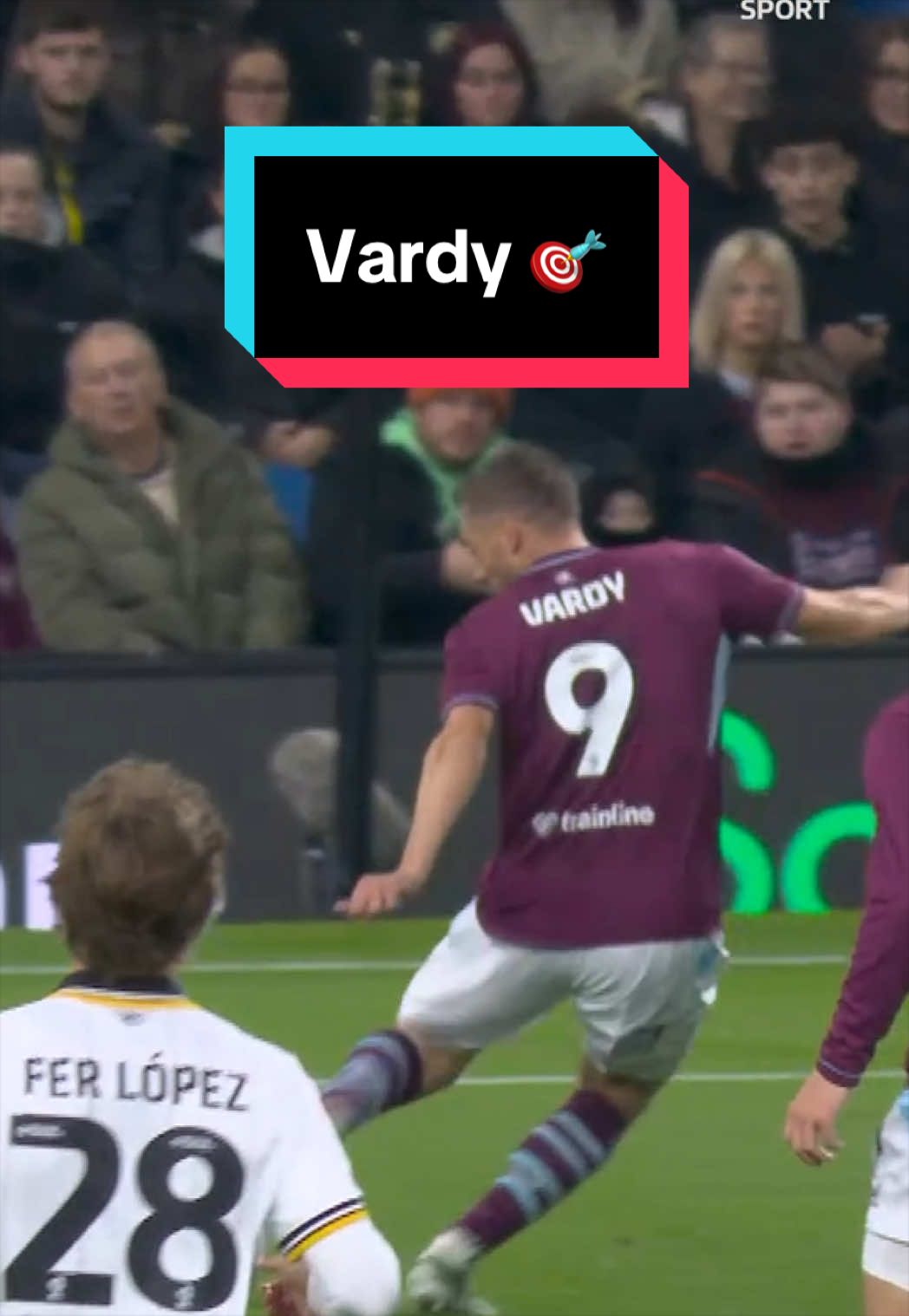
Jamie Vardy doing Jamie Vardy things ⚽️

olise nike contract olise news today football news today olise hypervenom
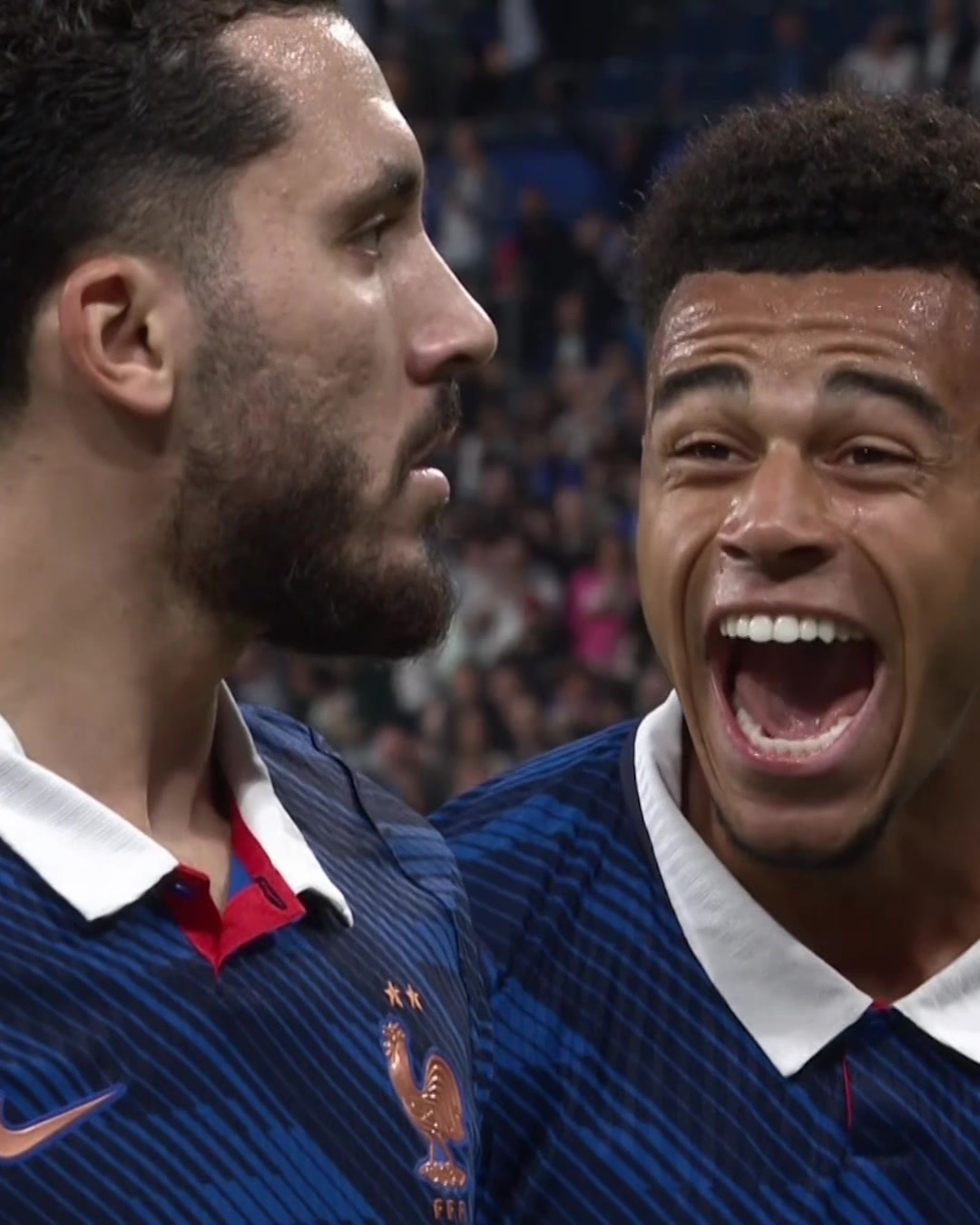
Désiré Doué’s face 😆😆

User ChampionChatter has posted a video.
 Links
Links
 Contact
 App
App


