



World Cup 2026 and New Trends for Vietnamese Football



The World Cup highlights how the distance between different football cultures is shrinking due to pace, strategy, and contemporary approaches. It serves as a caution for Vietnamese football during this period of transformation under Coach Kim Sang Sik.
World Cup 2026 may be a stage for the giants, but what draws experts' attention is the remarkable progress of mid-tier teams.
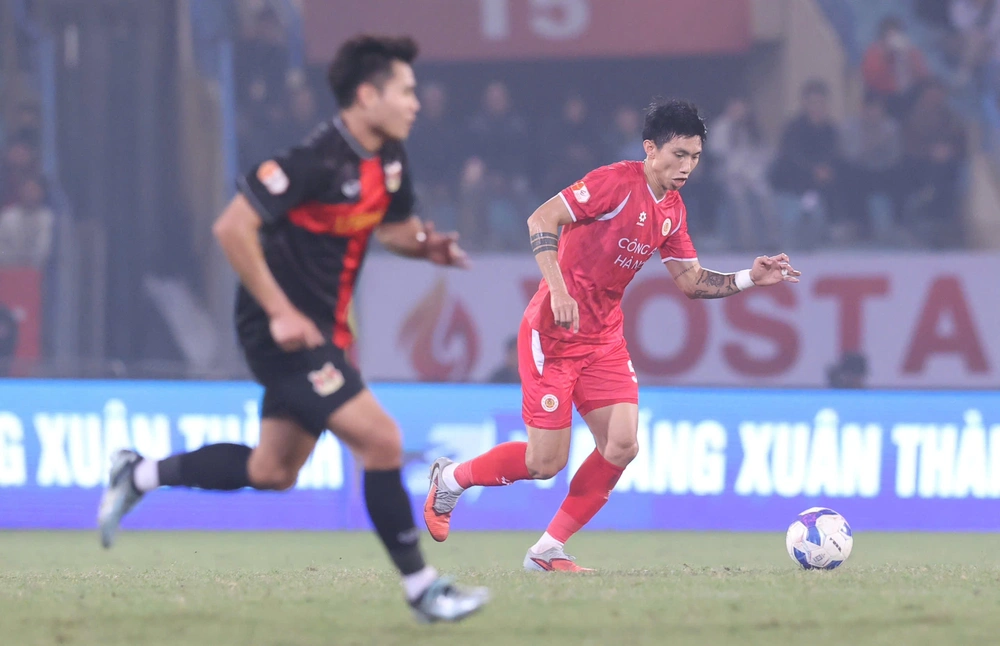
The V-League must increase the speed of its matches to improve professional standards. Photo: Hoang Linh
Teams like Cape Verde, Uzbekistan, and Jordan are not playing as underdogs; they are ready for high-speed battles and employ very modern tactical organization.
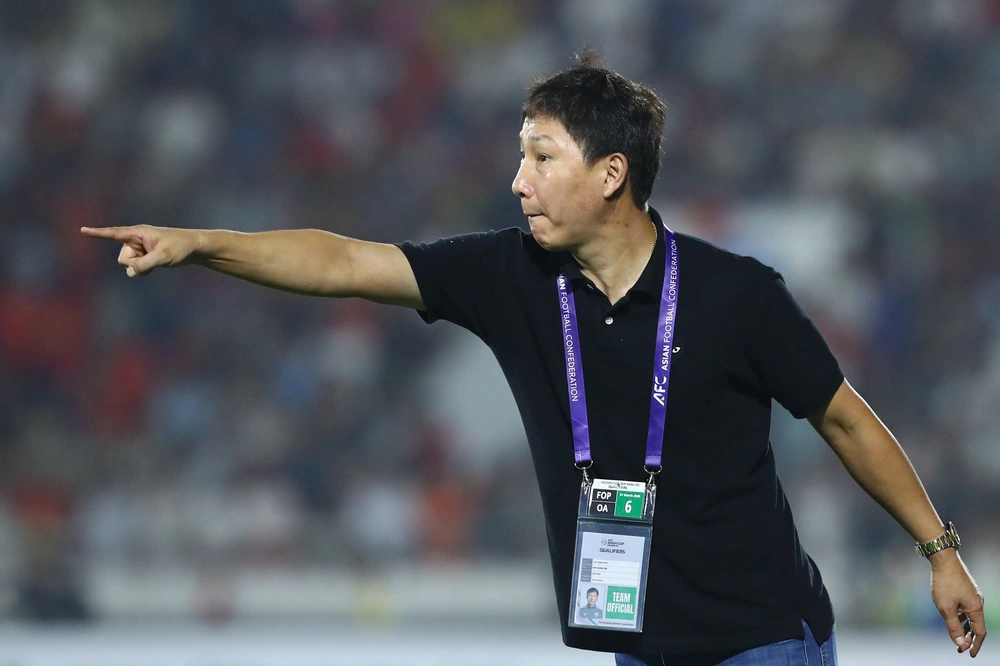
Coach Kim Sang Sik is working hard to renew the national team. Photo: Hoang Linh
This is whatVietnamese footballneeds to see most clearly right now. For many years, the Vietnamese national team succeeded with a tight defensive counter-attacking style. But modern football is changing rapidly. Strong teams no longer give opponents much time to handle the ball. The speed of ball circulation, transition, and pressing are becoming the foundation of top-level football.
Coach Kim Sang Sik understands this, so as soon as he arrived in Vietnam, he began changing the mindset of team building. Energetic, versatile players who move a lot are being prioritized over former stars relying on experience.
The fact that many veterans have lost their spots is not entirely due to declining form, but because they no longer fit the new football thatCoach Kim Sang Sikwants to build.
Players from the U23 team, overseas Vietnamese, and naturalized players are typical examples. They are young, fit, fast, press strongly, and can play multiple roles. This is the type of player modern football needs.
What is worth noting is thatthe Vietnamese national teamcannot change if the V-League continues at its current slow pace.
World Cup 2026 shows that match intensity is being raised very high, while many V-League matches still lack speed, with whistles blown for safety, players wasting time, and a lack of real competitiveness.
Local players still rely heavily on foreign players in clubs. Not a few teams play simply, favoring long balls and counter-attacks instead of modern pressing or space control.
That is the gap Vietnamese football needs to close if it wants to go further. Coach Kim Sang Sik is trying to pull the Vietnamese team ahead of the general V-League level. But that means many players must change or risk being left behind.
World Cup 2026, therefore, is not just a story of world football. It is also a mirror for Vietnamese football to reflect on itself during this very important transitional phase.


Wonderfulshortvideo

The walk in question 😮💨


🔉How to travel a horse to the races!

User ChampionChatter has posted a video.
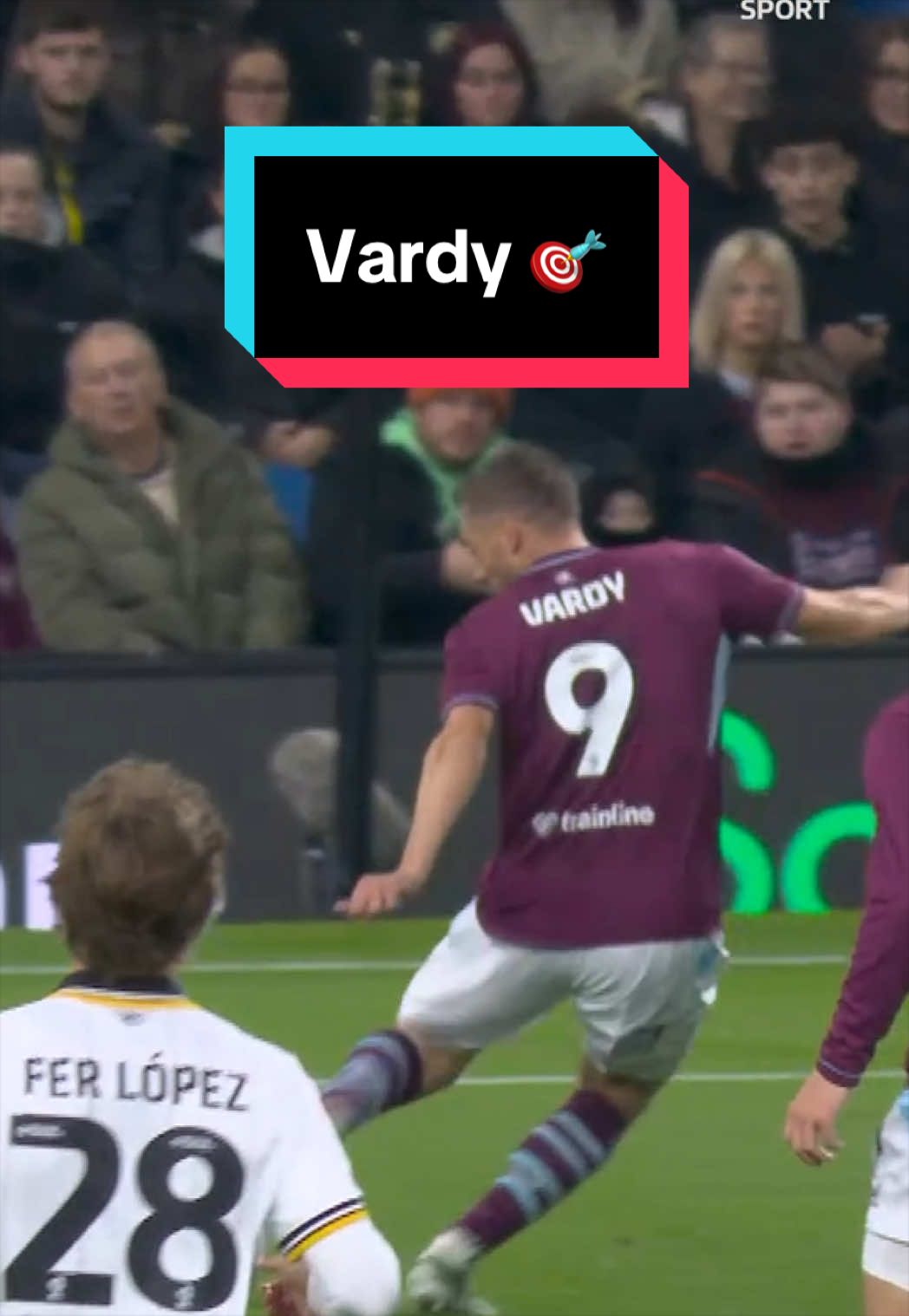
Jamie Vardy doing Jamie Vardy things ⚽️

olise nike contract olise news today football news today olise hypervenom
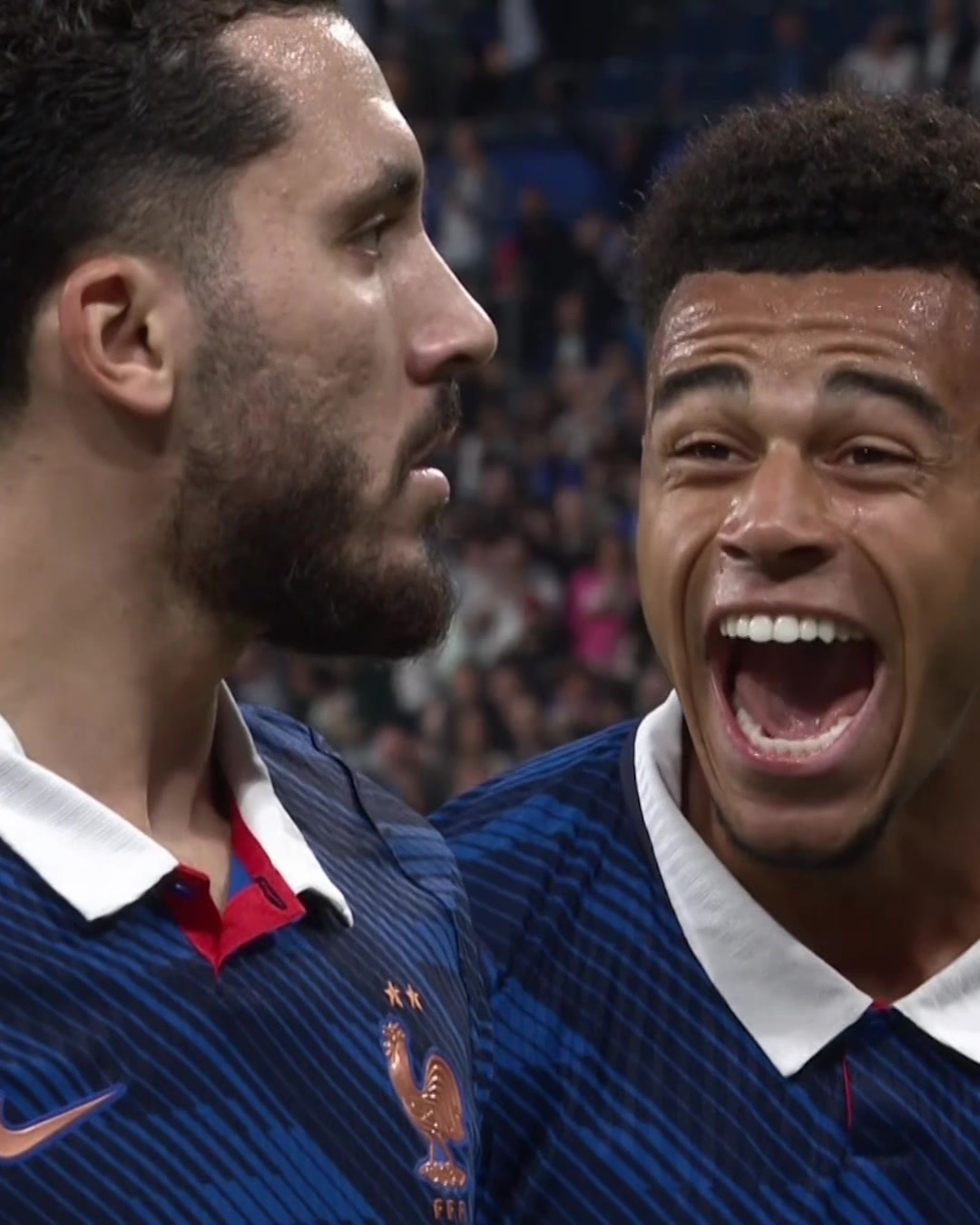
Désiré Doué’s face 😆😆

User ChampionChatter has posted a video.
 Links
Links
 Contact
 App
App


