



Japan vs Sweden match prediction: Asian representative favored to win



Why is Japan rated higher?
Japan has had an impressive World Cup campaign so far. Coach Hajime Moriyasu's team opened with a 2-2 draw against the Netherlands before crushing Tunisia 4-0. After two matches, the Asian representative has 4 points, a goal difference of +4, and control over their own destiny in the race to qualify.
Japan's greatest strength lies in their cohesive team play and excellent tactical adaptability. Despite missing key players like Kaoru Mitoma, Wataru Endo, or Takefusa Kubo, the Land of the Rising Sun has maintained their performance thanks to remarkable squad depth.
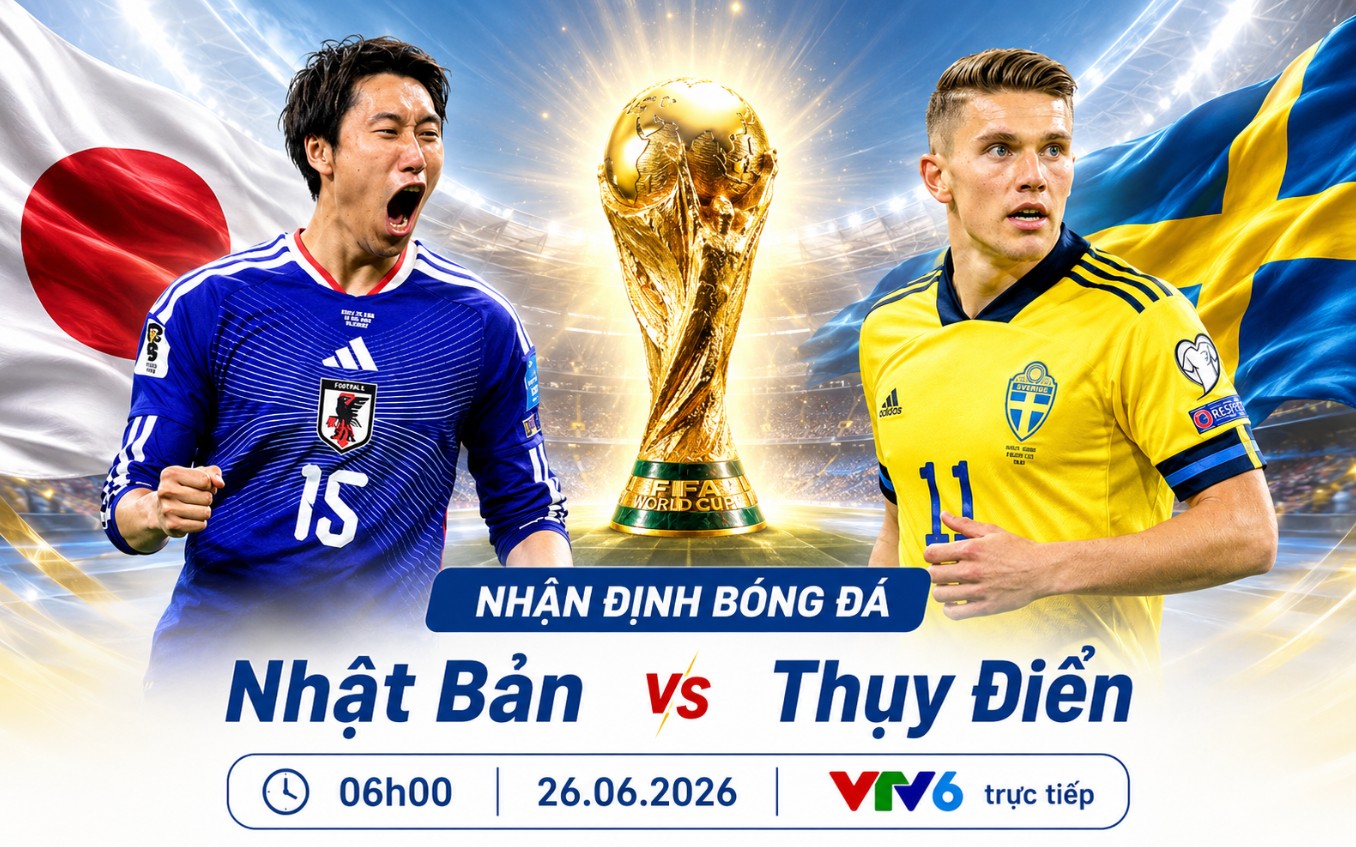
Players such as Daichi Kamada, Ayase Ueda, and Shogo Taniguchi are standing out. In particular, Ueda has become one of Japan's most dangerous attacking threats in the group stage.
Meanwhile, Sweden has shown two completely different faces. They beat Tunisia 5-1 in their opening match but then suffered a 1-5 thrashing by the Netherlands. This result dropped the Nordic team to third place in Group F, forcing them to beat Japan to keep their hopes alive.
Sweden still has reasons to be hopeful
Though slightly underestimated, Sweden still possesses formidable weapons. Coach Graham Potter has at his disposal one of the tournament's most dangerous strike partnerships in Alexander Isak and Viktor Gyokeres. This duo made their mark in the win over Tunisia and can make a difference at any moment.
Moreover, the pressure to win may push Sweden to attack aggressively from the start. If they capitalize on set pieces and their physical advantage, the European representative could cause problems for Japan's defense.
However, Sweden's biggest issue is their defensive system. They have conceded six goals in just two matches, and Coach Potter himself has acknowledged the need to fix defensive mistakes before facing Japan.
Japan vs Sweden prediction
Based on international forecasting models, recent form, and current squad comparison, Japan is the more likely candidate to win in this decisive Group F match of the 2026 World Cup.
Sweden has a very strong attack, but being forced to push forward for goals could create gaps for Japan to exploit with fast counterattacks. Many international experts are leaning toward a narrow Japan victory, with common scorelines such as 2-1 or 1-0.


Wonderfulshortvideo

User ChampionChatter has posted a video.



Jamie Vardy doing Jamie Vardy things ⚽️

olise nike contract olise news today football news today olise hypervenom
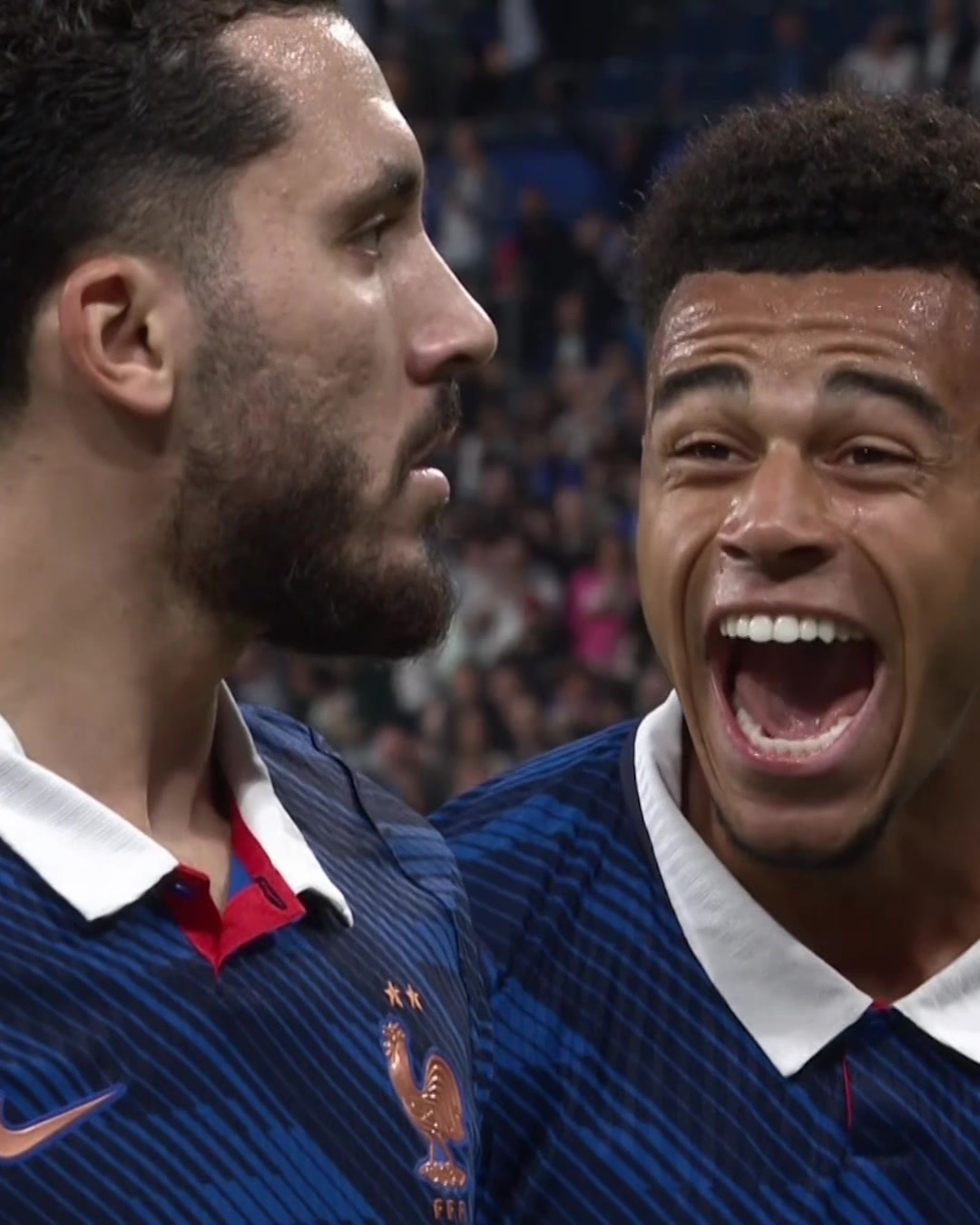
Désiré Doué’s face 😆😆

User ChampionChatter has posted a video.

Would lowkey love to see HH play up front soon 😅

messi story young messi edit messi barcelona news today
 Links
Links
 Contact
 App
App


